Running a Generator at a Riding Park Campsite
Generator use at a Kansas riding park campsite depends on park rules, safe outdoor placement, quiet hours, and respectful power planning for neighbors.
Your sticker stops at the state line.
Non-resident permits, what they cost and how long they last, and which states honor each other’s — or, increasingly, none at all.
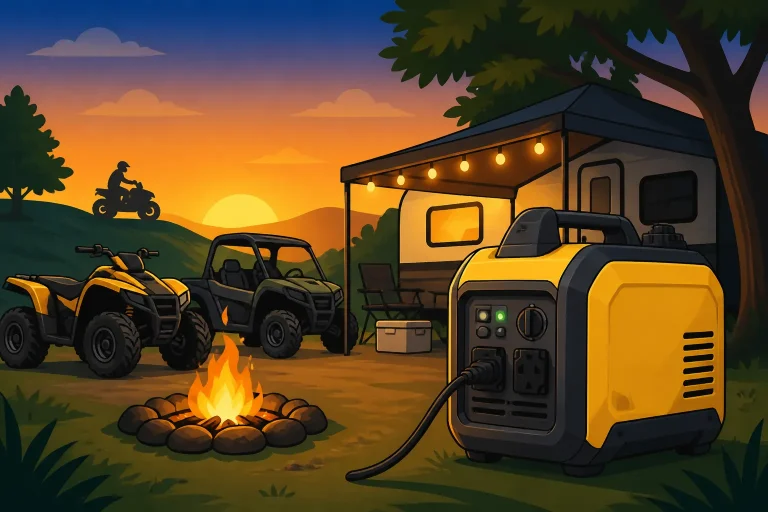
Generator use at a Kansas riding park campsite depends on park rules, safe outdoor placement, quiet hours, and respectful power planning for neighbors.
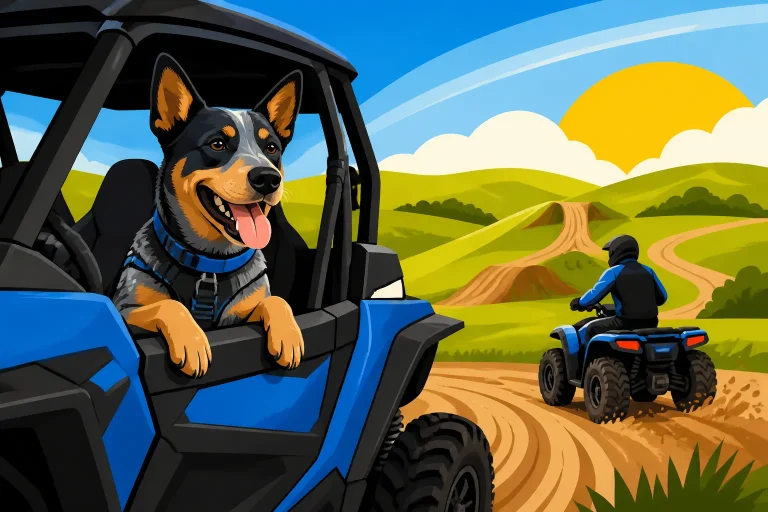
Bringing a dog to a Kansas riding park depends on park-specific rules and a safe plan for supervision, noise, heat and moving machines.
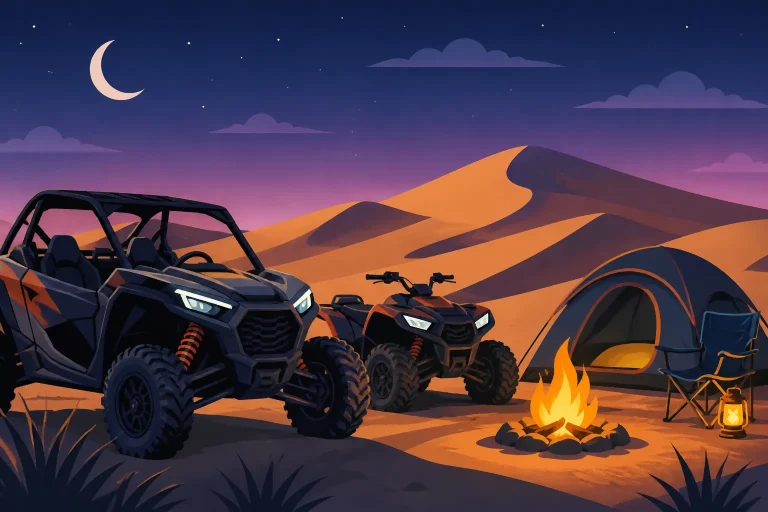
Quiet hours when camping at Syracuse Sand Dunes depend on current park rules. Confirm the schedule, plan rides early, and keep camp noise low.
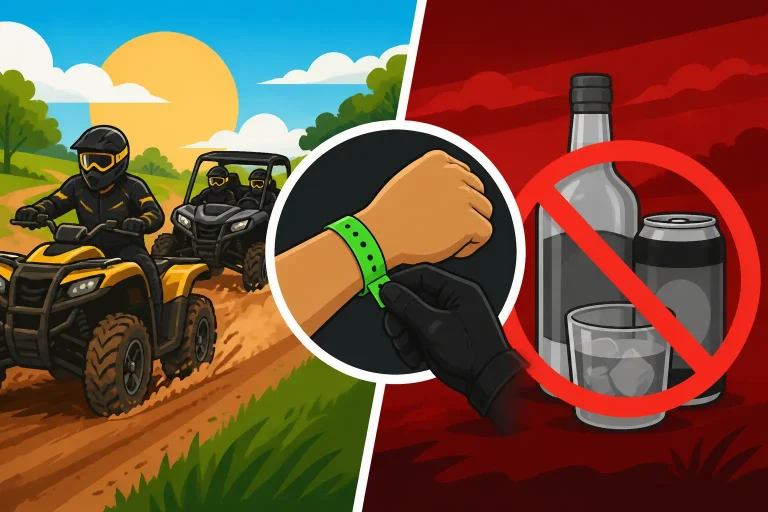
Why a riding park pulls your wristband over alcohol comes down to safety and property rules; check the policy before riding and plan a sober way home.
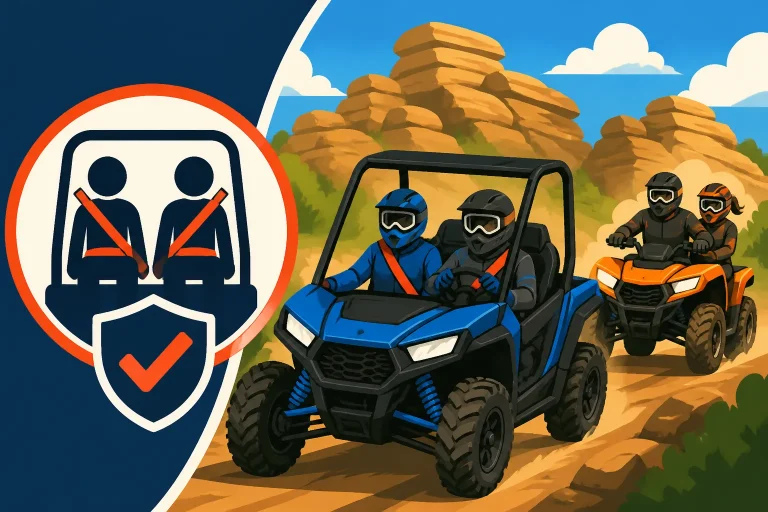
Passenger rules at Kansas Rocks Recreation Park depend on the machine’s designed seating, park policy, and each rider’s safe fit—not simply age.

Helmet rules at Kansas riding parks vary by operator, machine, and rider. Confirm current requirements, fit every helmet, and bring all required gear.
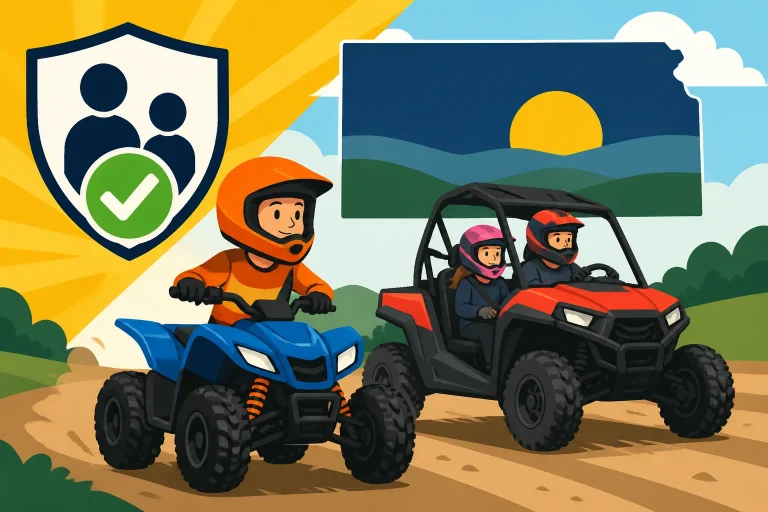
Kansas riding parks set their own minimum ages and supervision rules. Confirm the policy, machine limits and trail suitability before bringing a child.
Kansas private riding park waivers are separate from permits; read the release, check minor and insurance rules, and ask questions before unloading.
Kansas ATV and UTV riders should treat private-park rules separately from state permits, checking each venue’s waivers, age limits, gear and machine rules.

Kansas visitors do not need a statewide OHV sticker, but state parks, private areas, and cities can set separate permits, fees, and riding rules.