Kansas Sales Tax on an ATV Purchase
Kansas sales tax on an ATV purchase starts with the 6.50% state rate, then adds applicable local tax; confirm the taxable amount before paying.
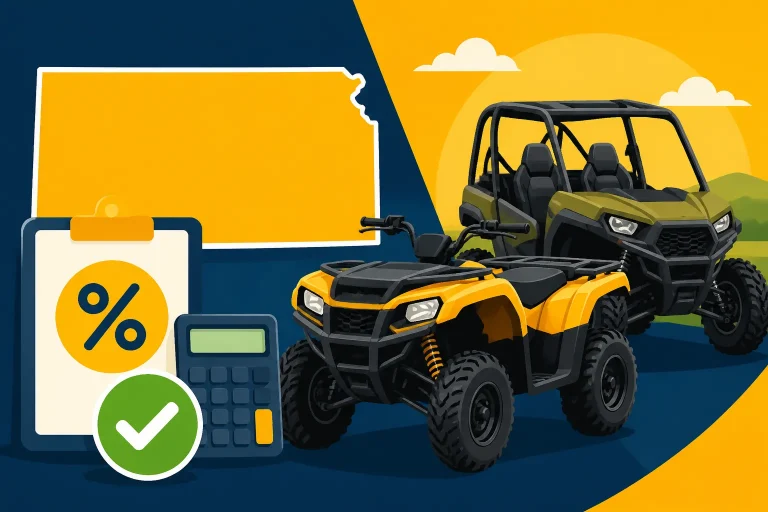
Kansas sales tax on an ATV purchase starts with the 6.50% state rate, then adds applicable local tax; confirm the taxable amount before paying.
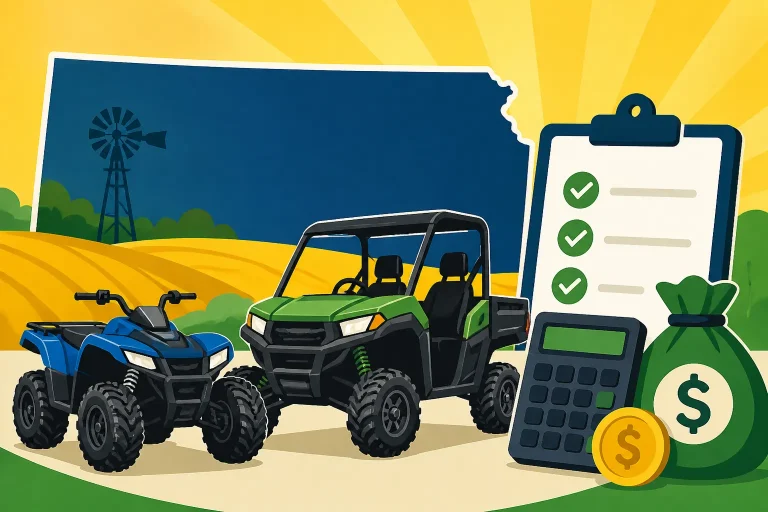
Buying an ATV in Kansas means budgeting for sales tax, a nonhighway title, paperwork deadlines and use-specific costs—not an annual state tag.
Kansas unconventional vehicle permits authorize specific ATVs, UTVs, and golf carts on designated state park roads and parking areas.
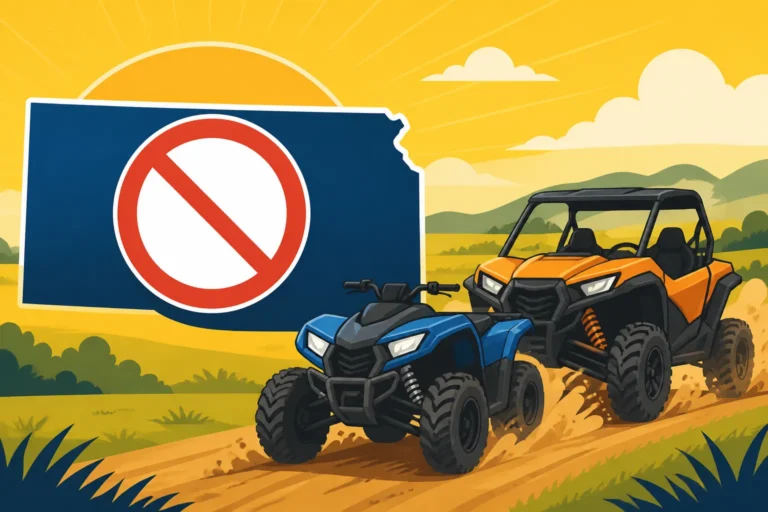
Kansas off-highway vehicle rules clarify why no statewide trail permit exists and how site regulations apply to riders.
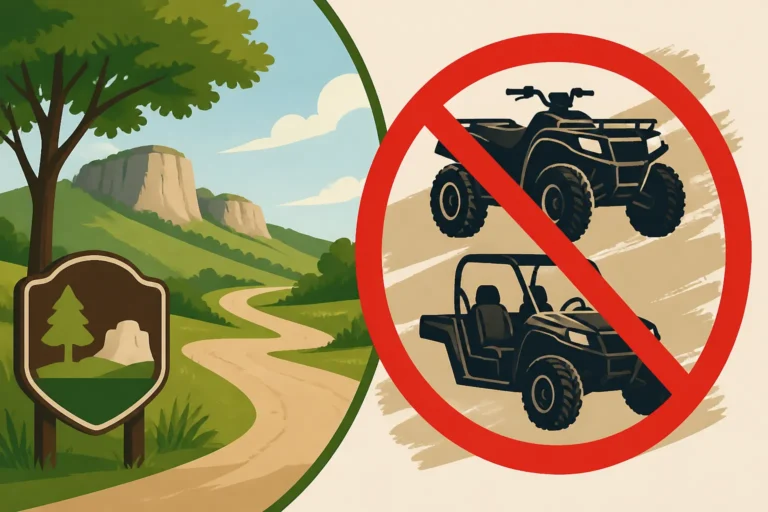
Kansas state parks lack designated OHV trail systems, explaining where riding is allowed and how visitors avoid towing mistakes.

Kansas ATV and UTV trails on public lands and private parks like Syracuse Sand Dunes show where riding is legal.
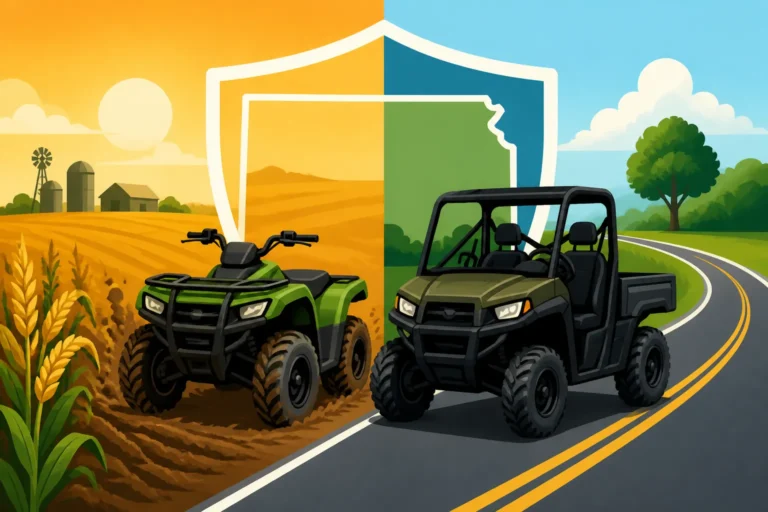
Kansas agricultural exceptions allow farmers to legally drive ATVs and UTVs on public roads for specific farm tasks.
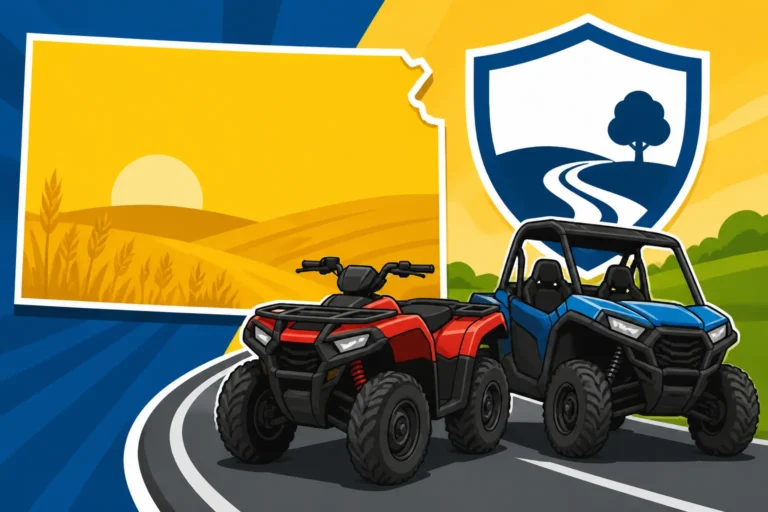
Kansas statute 8-15,100 prohibits all-terrain vehicles and utility terrain vehicles on public streets, roads, and highways.
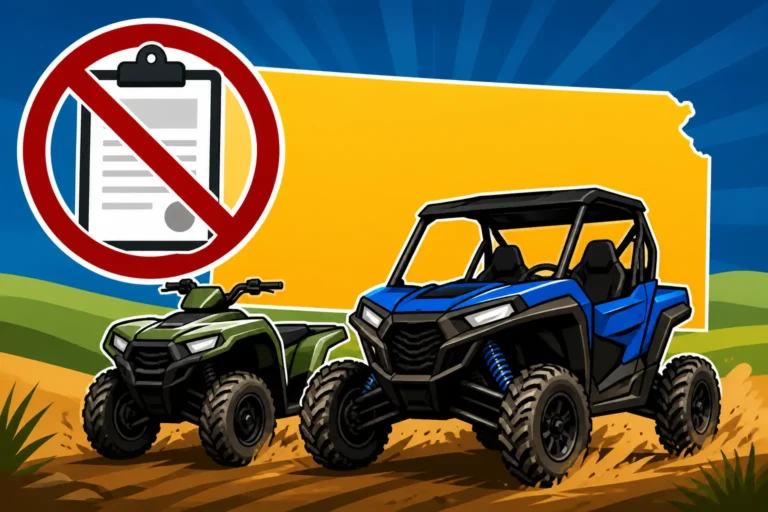
Kansas off-highway vehicle owners skip annual registration fees, but the state mandates a nonhighway title for proof of ownership.
Kansas law classifies ATVs as nonhighway vehicles and requires titles to prove ownership without traditional road registration.
Kansas ATV and UTV trade-in credit can lower taxable dealer sales, but timing, paperwork, and the difference between trade-in and private sale matter.
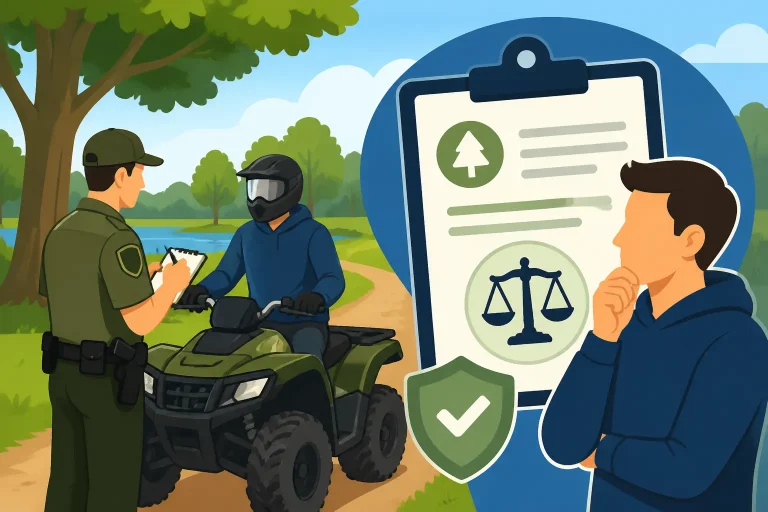
Kansas park citation challenges start with the court named on the ticket; gather the notice, permit records, and evidence before requesting a trial.
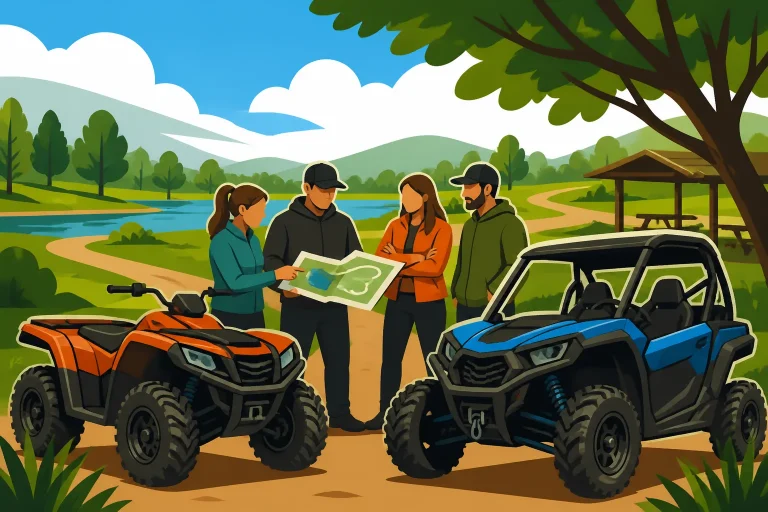
An organized ATV or UTV ride takes more than choosing a trail and inviting friends. In Kansas, the first challenge is finding out who controls the riding area and what approval the event needs. A private park, Corps riding area and state park do not follow the same process. Confirming permission, route limits, insurance and…

Paid ATV and UTV guiding in Kansas depends on landowner and site approval, not a general state trail permit; verify rules before selling rides.

Flying a drone over a Kansas riding park depends on land ownership: state wildlife property bans flights unless a designated operating area allows them.
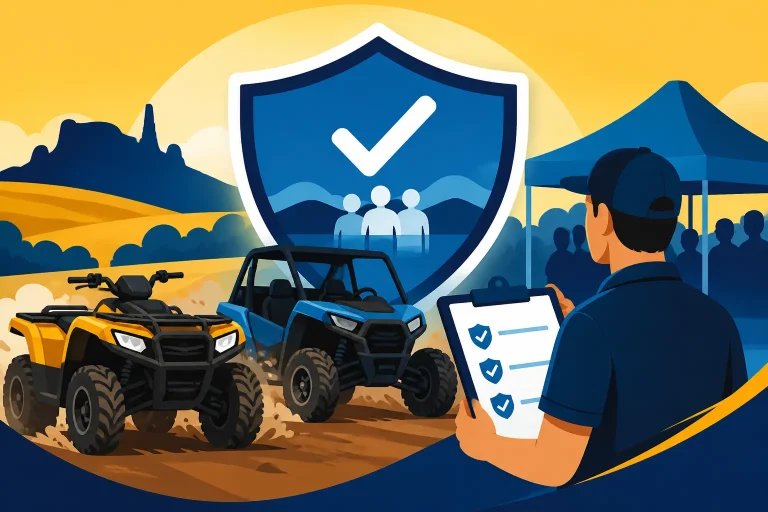
Kansas ATV and UTV event organizers should confirm venue requirements and arrange suitable liability coverage; riders’ policies may not cover the event.
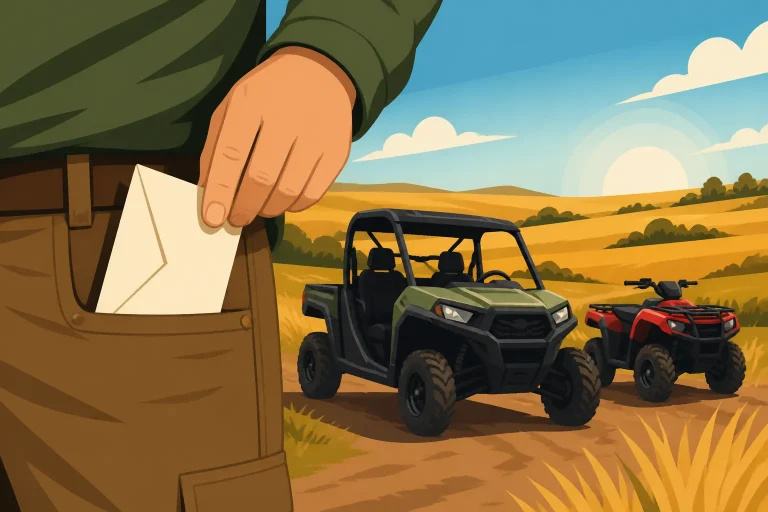
A Kansas landowner’s letter can document ATV or UTV permission, but it does not authorize public-road riding, neighboring land access, or rule violations.
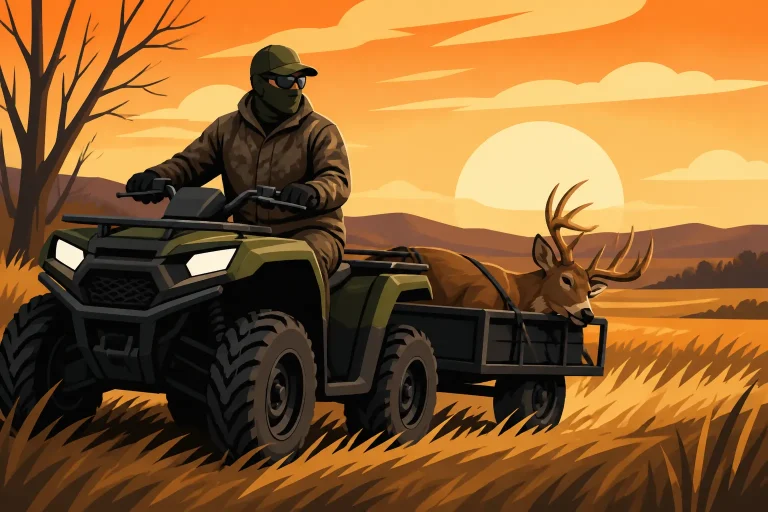
Driving a quad to retrieve a deer on private ground in Kansas calls for clear permission, a safe route, and attention to road and title rules.