Day Pass or Annual Pass: Which Pays Off Sooner
Kansas state park passes break even at 5 or 6 visits, but ATV and UTV riders should confirm eligibility and remember parks have no OHV trails.
Your sticker stops at the state line.
Non-resident permits, what they cost and how long they last, and which states honor each other’s — or, increasingly, none at all.

Kansas state park passes break even at 5 or 6 visits, but ATV and UTV riders should confirm eligibility and remember parks have no OHV trails.

Kansas riding park rain closures do not guarantee a refund; check the park’s policy, separate admission from camping, and request any remedy in writing.
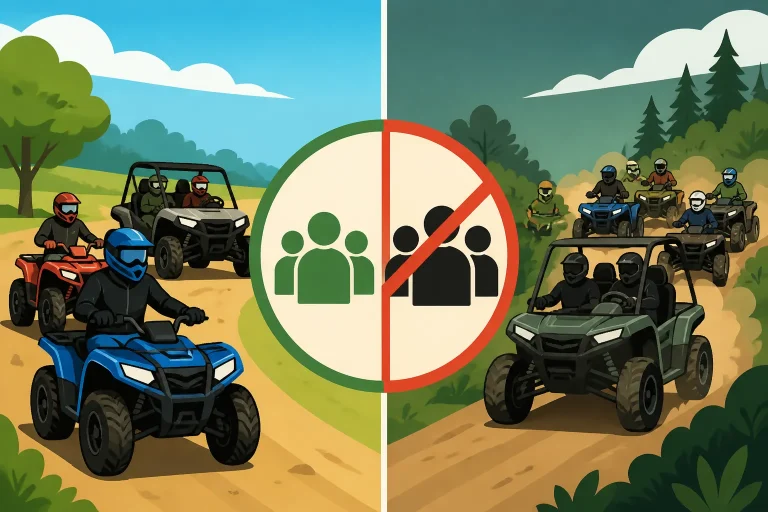
Holiday-weekend ATV group limits in Kansas depend on the park: state sources publish no general cap, but organized events may need permits.
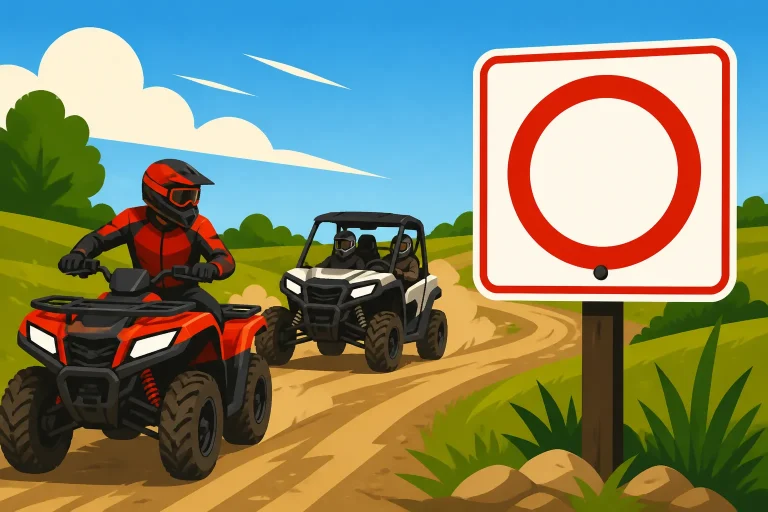
Kansas riding park speed limits follow posted signs; the state’s 25 mph cap applies on department lands, not automatically at private parks.
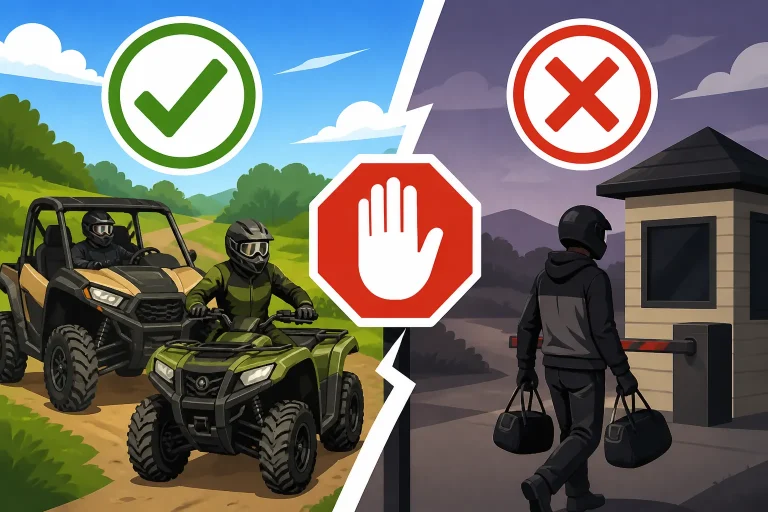
Kansas riding parks may remove riders for safety or rule violations; check admission, weather and refund terms before unloading your machine.

Damage deposits at Kansas riding parks can protect against specific losses, but ask what is held, charged, documented, and refunded before arrival.
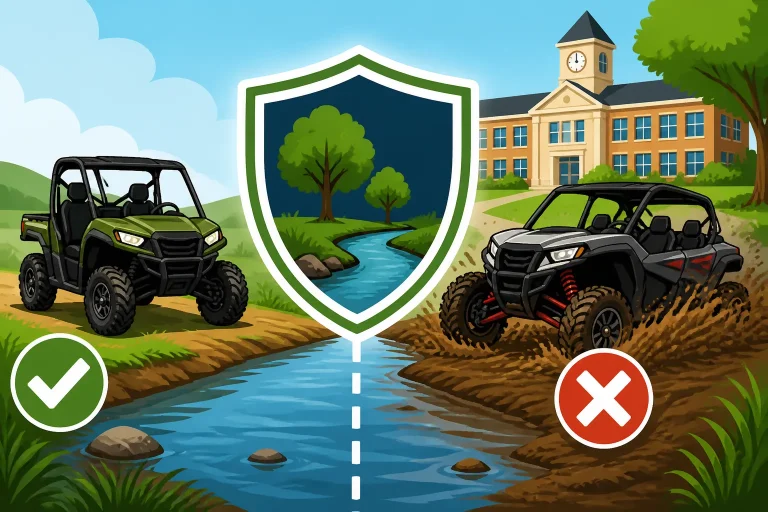
School Creek’s 50-inch limit reflects narrow, handlebar-steered trails; Kansas ATV class and permits do not override access rules.

Kansas riding parks may sound-test ATVs and UTVs at entry; learn what affects readings, how to prepare, and what to ask before hauling.
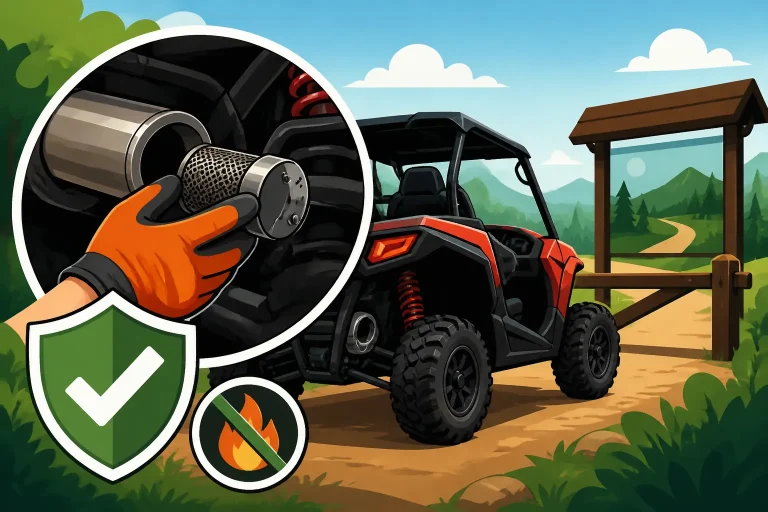
Spark arrestor checks at Kansas ATV parks depend on site rules; inspect the exhaust, carry proof, and confirm requirements before loading up.
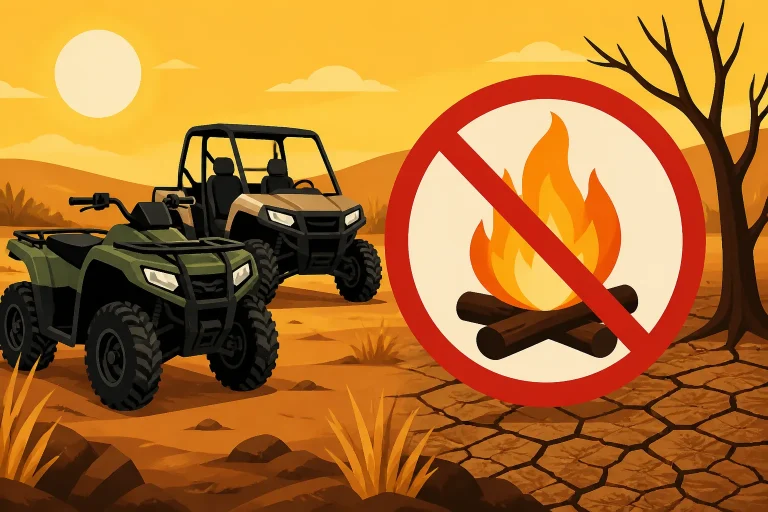
Kansas campfire rules during a dry spell depend on county orders and property policies; check both before a riding trip and plan for no-flame cooking.