Riding From Your Campsite to the Boat Ramp
Riding from your campsite to the boat ramp in Kansas depends on park-road access, the right permit, posted signs, and staying off trails and shorelines.
Your sticker stops at the state line.
Non-resident permits, what they cost and how long they last, and which states honor each other’s — or, increasingly, none at all.
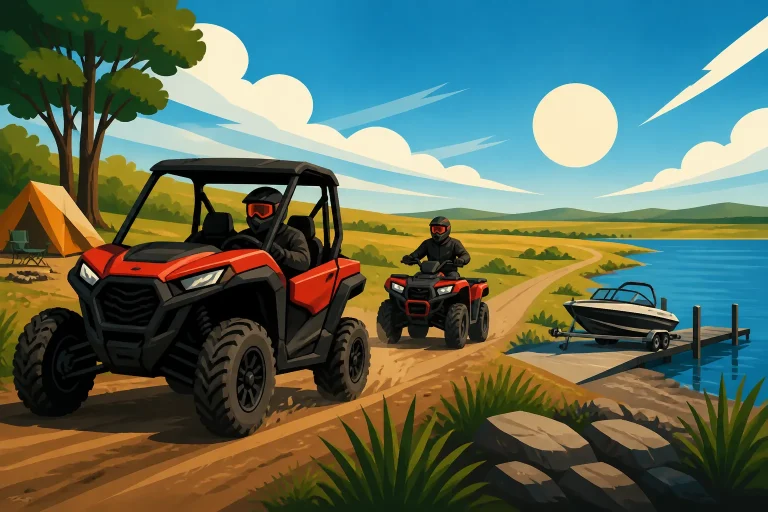
Riding from your campsite to the boat ramp in Kansas depends on park-road access, the right permit, posted signs, and staying off trails and shorelines.
Booking a Kansas campsite under 18 usually means involving an adult reservation holder and confirming supervision, check-in, and ATV or UTV rules before travel.
A 14-night Kansas state park stay has no flat permit price; campsite type, season and park entry fees determine the total you pay.
The off-season Kansas state park camping permit is listed at $202.50, but confirm current dates, coverage, and separate ATV or UTV access rules.
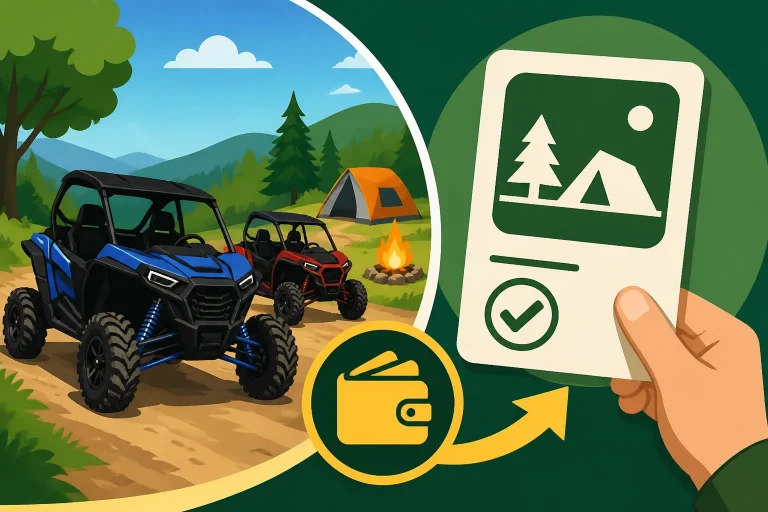
Paying $252.50 for a Kansas camping permit in season? Check what it covers, separate campsite charges, and ATV or UTV access rules before you go.

Kansas park-road permits allow eligible machines on approved roads from sunrise to sunset, not on trails; check signs and park rules before riding.
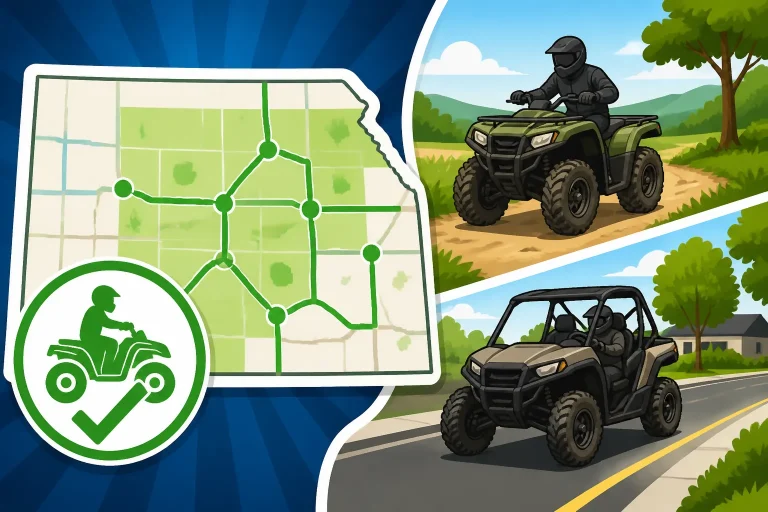
A Kansas park vehicle permit allows limited driving on approved improved roads and parking areas, not ATV or UTV trail riding in state parks.
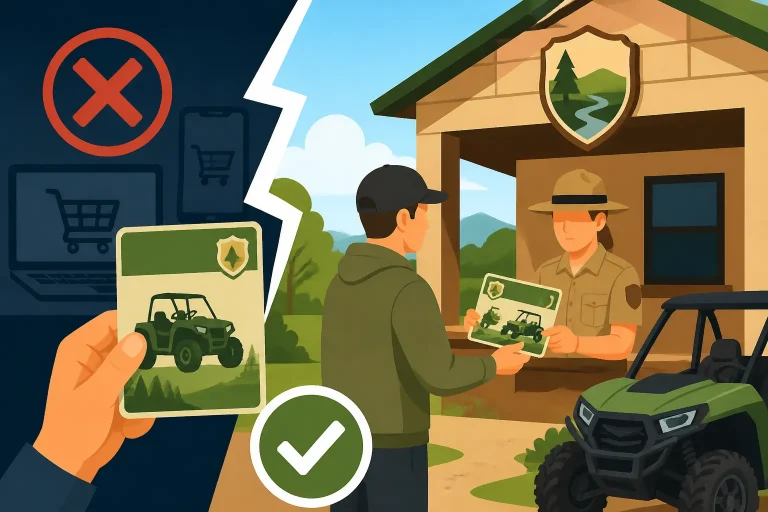
Kansas’s unconventional vehicle permit is sold at park offices because it covers limited state park road use, not a statewide OHV trail network.
The $52.50 Unconventional Vehicle Permit covers limited Kansas park-road use, not trail riding; confirm current rules and access before unloading.

Kansas ATV and UTV permits depend on where you ride. A state park permit is not a statewide trail pass, and local access rules still apply.