Streets Posted Twenty-Five for Carts
It can be incredibly frustrating when you just want to take your golf cart for a quick spin down to the neighbor's house, grab a gallon of milk from the corner store, or head to the community pool, but you’re completely unsure about the legalities. Kansas laws around golf carts on public streets are a maze of state statutes and local ordinances, leaving many owners scratching their heads. This guide aims to clear up the confusion, especially regarding those all-important speed limits, and help you understand when and where your golf cart can legally cruise on streets posted twenty-five miles per hour.
What Kansas Law Says About Golf Carts on Public Roads
Let's start with the basics, because before you even consider the speed limit signs, it's vital to know how Kansas defines a golf cart and what the general state-level rules are. For many folks, a golf cart is just a golf cart, but the law makes distinctions that have big consequences for where you can drive it.
Defining a Golf Cart in Kansas
In Kansas, a golf cart isn't just any small, low-speed electric vehicle. The law specifically defines it, and that definition is crucial. Essentially, a golf cart is designed for operating on a golf course for golf purposes. It typically has a top speed that's not designed for regular street traffic. This distinction is what separates it from other low-speed vehicles or even micro utility trucks, which have different rules entirely. If your machine fits the legal definition of a golf cart, then the specific regulations for golf carts apply, not those for ATVs, UTVs, or Work-Site Utility Vehicles. You can read more about [What the Law Counts as a Golf Cart] to make sure your machine fits the bill.
Default State-Level Restrictions
Here's where the frustration often begins for golf cart owners: By default, Kansas state law generally restricts golf carts from being operated on public streets and highways. Yes, you read that right. Without any specific local action, your golf cart is usually confined to private property, like golf courses, private communities, or your own land. This blanket restriction is in place because golf carts aren't built to the same safety standards as regular cars, and their lower speeds can pose a hazard on roads with faster traffic. It's not that the state wants to make your life difficult; it's genuinely about safety.
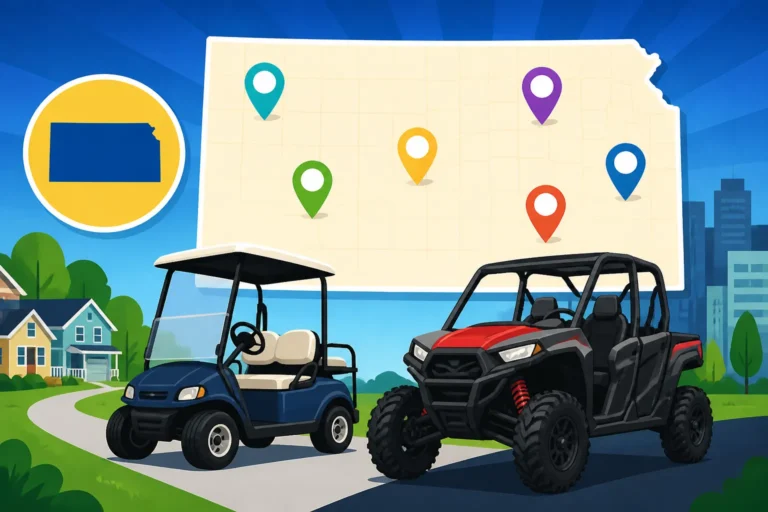
However, this doesn't mean all hope is lost! There's an important exception to this default ban, and that's where local city and county ordinances come into play. State law allows local governing bodies (cities, predominantly) to pass their own rules permitting golf carts on certain public streets. This is why you'll see golf carts zipping around in some Kansas towns but not others, even if they're just a few miles apart.
The Significance of the 25 MPH Speed Limit for Golf Carts
When a city decides to allow golf carts on its streets, the posted speed limit of those streets becomes one of the most critical factors. This isn't just an arbitrary number; it's a direct reflection of safety and integration with existing traffic flow.
Why 25 MPH Is the Magic Number
For many Kansas municipalities that choose to open their streets to golf carts, the state law often grants them the authority to do so on streets where the posted speed limit is 25 miles per hour or less. This 25 mph threshold isn't random. It's typically considered a safe speed for golf carts to intermingle with cars, as it minimizes the speed differential between the two. Think about it: if a golf cart is going 20 mph on a street where cars are traveling 45 mph, that's a huge speed difference and a recipe for an accident. But on a 25 mph residential street, a golf cart moving at 15-20 mph is much less disruptive and dangerous.
This is why, if you live in a city that permits golf carts, you'll almost always find that permission limited to residential streets, neighborhood roads, or specific designated routes where the speed limits are low. Trying to take your cart onto a busier thoroughfare with a 35 mph or higher speed limit, even if it's within city limits, is usually a big no-no unless the specific ordinance makes a rare exception for crossing. You can find out more about how this works by checking out [Kansas Golf Carts Crossing a 30 mph Road].
Equipment Requirements Tied to Street Use
When a city does pass an ordinance to allow golf carts on streets posted 25 mph, they often come with additional equipment requirements. It's not enough to just drive it; your golf cart needs to be outfitted for safety, much like a regular vehicle. These requirements vary from city to city, but common additions include:
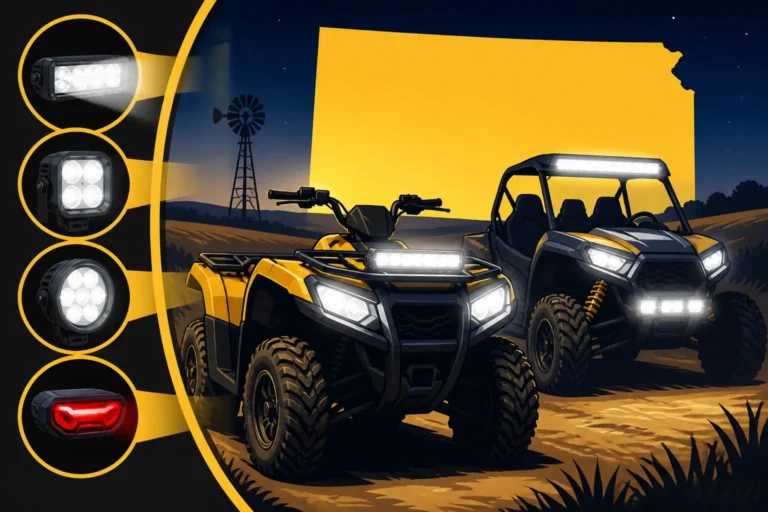
- Headlights and Taillights: Essential for visibility, especially if you plan to drive after sunset. Some cities might specify LED lights for better brightness.
- Turn Signals: To clearly indicate your intentions to other drivers.
- Brake Lights: So drivers behind you know when you're slowing down or stopping.
- Rearview Mirror(s): To see traffic approaching from behind.
- Reflectors: Additional reflective material can enhance visibility, particularly at dusk or dawn.
- Slow-Moving Vehicle Emblem: Often required for any vehicle traveling below a certain speed, like those yellow-orange triangles you see on farm equipment. [Kansas Golf Carts and Slow-Moving Emblems] provides more detail on this.
- Windshield: For protection from bugs, dust, and debris.
- Horn: To alert pedestrians or other vehicles.
Many golf cart owners find themselves upgrading their machines with these components. Companies like SuperATV offer a fantastic range of aftermarket accessories, from turn signal kits to mirrors and robust LED light bars, that can help you meet these local requirements. It's a small investment for the peace of mind and legality of enjoying your cart on city streets. Remember, these aren't just suggestions; they are often mandatory for street legality.
Local Ordinances: The Key to Street Legal Golf Carts
The critical takeaway for any Kansas golf cart owner hoping to hit the asphalt is that local ordinances are your best friend – or your biggest hurdle. The state provides the framework, but cities hold the power to decide if, and under what conditions, golf carts can be used on their streets.
How Cities Open Their Streets to Golf Carts
A city council must actively pass an ordinance to permit golf carts on its streets. This isn't something that happens automatically. It usually involves community discussion, public hearings, and a formal vote by the city council. These ordinances will lay out the specific rules, including:
- Which streets are open: Often limited to roads with a 25 mph speed limit or less, as discussed.
- Hours of operation: Some cities might restrict use after dark.
- Driver requirements: Often, a valid driver's license is required, even if you’re just driving a golf cart.
- Insurance requirements: While Kansas doesn't have a statewide ATV/UTV insurance law, cities can mandate it for street-legal golf carts. Check [Kansas City Insurance Requirements] for more information.
- Permitting or tagging: Many cities require a local permit or tag for your golf cart, often involving a fee and an inspection to ensure it meets equipment standards.
If your town hasn't passed such an ordinance, then the state's default ban applies, and you cannot legally operate your golf cart on public streets. It's a common mistake for people to assume that because a neighboring town allows it, their town does too. This isn't the case! You really need to check with your specific city hall or municipal clerk's office. They are the definitive source for whether [Kansas Golf Cart Ordinances by City] exist in your area.
What Happens If There's No Ordinance?
If your city has not adopted an ordinance permitting golf carts on its streets, then the general state prohibition remains in effect. This means driving your golf cart on any public street, even one posted 25 mph, would be illegal. You could face citations, fines, and potentially even have your golf cart impounded. It's a harsh reality, but it's the law. Many people simply don't realize that in Kansas, cities have to opt-in to allowing golf carts on roads, rather than the state opting-out for them. It’s definitely worth checking into [Riding in a Town That Never Passed an Ordinance] before you make any assumptions.
It's tempting to think, "Oh, it's just a golf cart, no one will care on this quiet residential street." But law enforcement officers are tasked with enforcing the rules, and if your city hasn't given the green light, you're breaking the law. It’s always better to be informed and compliant than to risk a ticket.
| Feature / Vehicle Type | Golf Cart | Work-Site Utility Vehicle (WSUV) | Micro Utility Truck (MUT) |
|---|---|---|---|
| Primary Design Use | Golf courses | Industrial, construction, agricultural sites | Small cargo, low-speed utility |
| Typical Max Speed | 15-25 mph | Varies, but generally higher than golf carts | Varies, but typically 25-35 mph |
| Street Use (Default) | Restricted (requires local ordinance) | Restricted (requires local ordinance) | Restricted (requires local ordinance) |
| Common Street Speed Limit | 25 mph (if permitted by city) | 45 mph (if permitted by city) | 35 mph (if permitted by city) |
| Required Equipment | Varies by city (lights, mirrors, etc.) | Varies by city (lights, mirrors, etc.) | Often more stringent (DOT-approved tires, etc.) |
Practical Considerations and Safety Tips for Golf Cart Riders
Beyond the legal specifics, there are practical steps you can take and safety considerations you should always keep in mind when operating a golf cart, even on streets posted 25 mph. Your safety and the safety of others should always be your top priority.
Pre-Ride Checks and Maintenance
Just like any vehicle, a golf cart needs regular checks to ensure it's running safely. Before you head out, especially if you're venturing onto public streets, give it a quick once-over:
- Tires: Check tire pressure and look for any signs of wear or damage. Proper inflation improves handling and safety.
- Brakes: Test your brakes to ensure they're responsive and stopping effectively.
- Lights and Signals: If your cart has them (or if they're required by ordinance), check that all headlights, taillights, brake lights, and turn signals are working. If you're using aftermarket parts from SuperATV, make sure they're installed correctly and functioning.
- Steering: Ensure the steering feels tight and responsive, with no excessive play.
- Battery/Fuel: Make sure you have enough charge or fuel for your trip. You don't want to get stranded on a public street!
- Mirrors: Adjust your mirrors for optimal rear visibility.
Regular maintenance, like keeping batteries charged, checking fluid levels (if applicable), and cleaning, will prolong the life of your cart and ensure it's safe for use.
Driving Safely on Low-Speed Streets
Even on streets posted 25 mph, common sense and defensive driving are paramount. Golf carts are smaller and less visible than cars, and they offer less protection in a collision.
- Stay Alert: Always be aware of your surroundings – other vehicles, pedestrians, children, and pets.
- Follow Traffic Laws: Treat your golf cart like any other vehicle on the road. Obey stop signs, yield signs, and traffic signals. Use your turn signals.
- Be Predictable: Drive in a straight line, signal your turns, and avoid sudden movements.
- Increase Visibility: Consider adding bright flags, reflective tape, or extra LED lights (SuperATV offers many options) to make your cart more noticeable to other drivers, especially at dawn, dusk, or in inclement weather. Even if not explicitly required by your city, anything you can do to be seen is a plus.
- Watch for Distracted Drivers: Sadly, distracted driving is everywhere. Assume other drivers might not see you and be prepared to react.
- No Impaired Driving: Just like a car, never operate a golf cart under the influence of alcohol or drugs. DUI laws apply to these machines too.
- Passenger Safety: Only carry the number of passengers your golf cart is designed for. Ensure all passengers keep their hands, arms, and legs inside the vehicle while it's in motion.
- Consider a Helmet: While [Who Has to Wear a Helmet on a Kansas ATV?] might be about ATVs, the principle of head protection is always a good one, especially for younger riders, even if not legally mandated for golf carts in your area.
By understanding the rules, ensuring your cart is properly equipped, and driving responsibly, you can enjoy the convenience of using your golf cart on those neighborhood streets posted twenty-five miles per hour, making those quick trips a breeze. Always confirm your local city's specific ordinance before you roll out onto public streets.
Disclaimer
This article is for general informational purposes only and does not constitute professional advice. Laws, prices and regulations vary by location and change over time. Consult a qualified professional for guidance on your specific situation.