Kansas Supervision at a Private Park
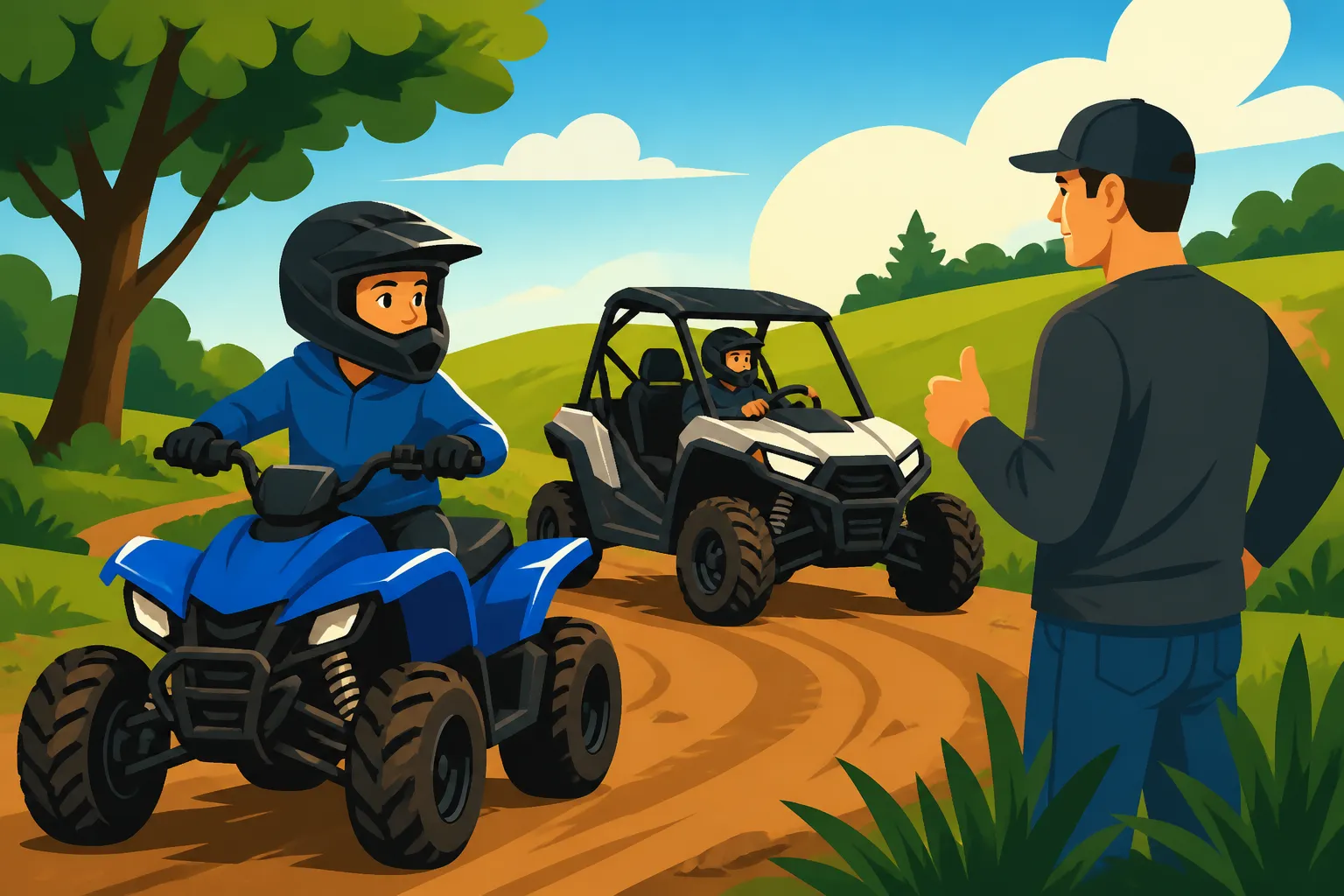
A child may be old enough to ride a particular ATV or UTV but still fall short of a private park’s entry rules. Kansas riding parks set their own supervision policies, and “adult supervision” can mean different things at different gates. Confirm who must attend, what they must do, and which machines the child may use before you load the trailer.
How supervision rules work at a Kansas private park
A private riding park can set conditions for entry and use of its property. That means a parent or guardian should not assume that a child can ride simply because the machine is appropriately sized or the child is permitted to ride elsewhere. The park may require an adult to accompany a minor, restrict which areas a child can enter, or set age limits that differ by activity or machine.
Supervision is also not a single, universal arrangement. A park might require an adult to be present on the property, while another may expect the adult to stay with the child in the riding area. Some may require a parent or legal guardian to sign paperwork, even if another adult is supervising the ride. Get the park’s exact definition rather than relying on a general interpretation of the word.
| Rule to confirm | What to ask the park |
|---|---|
| Adult eligibility | Must the supervisor be a parent or legal guardian, or can another responsible adult qualify? |
| Where the adult must be | Is it enough to be on the property, or must the adult stay in the same riding area? |
| Whether the adult must ride | Can the adult supervise from a designated area, or must they ride with the child? |
| Child’s age | Does the policy change by age, or does one minimum age apply to all minors? |
| Machine type | Are the rules different for an ATV, dirt bike, or side-by-side? |
| Paperwork | Does a parent or guardian need to sign a waiver or check-in form? |
| Riding areas | Are any trails, obstacles, or routes off-limits to young riders? |
The park’s policy is separate from general questions about a child’s eligibility to ride in Kansas. State rules, the machine’s design, and the activity may all matter, but they do not automatically override a private park’s property rules. For a broader look at the questions that can apply to a young rider, see Kansas ATV Age Requirements. If you are planning for a specific age, Kansas Rules for a Ten-Year-Old Rider and Kansas Rules for a Fourteen-Year-Old Rider may help you identify what else to check.
Do not treat a waiver as proof that a child is allowed to ride without an adult. A waiver may address responsibility or risk, while a separate park rule sets the age and supervision conditions for admission. The park can also apply a rule more strictly at check-in if the adult listed on the paperwork is not present or cannot meet the park’s definition of a supervisor. Read both the written rules and the check-in instructions.
Who can supervise, and what does the park expect?
Start by asking whether the supervisor must be the child’s parent or legal guardian. If the answer is no, ask whether a grandparent, relative, family friend, or other adult is acceptable. Some parks may require a parent or guardian to sign documents even when another adult brings the child. Others may ask for written permission or have a specific check-in process for an accompanying adult.
Clarify the adult’s responsibilities, too. “Must be accompanied” might mean staying at the facility throughout the visit. It might instead mean remaining close enough to watch the child ride, following along on another machine, or keeping the child within a designated area. Do not assume an adult can supervise from the parking lot, campsite, or a separate trail loop unless the park confirms it.
The practical difference matters. If the child is riding a separate machine, the adult may need to be able to reach them quickly. If the child is a passenger in a side-by-side, the park may still have rules about who can drive, who can ride, and whether the child’s age affects the route or activity. Ask about each situation you expect to encounter rather than getting a general yes-or-no answer about “supervision.”
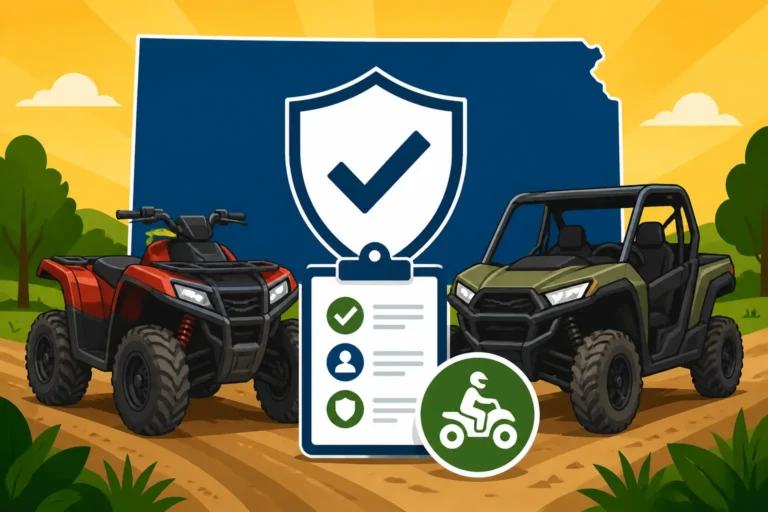
Before going, contact the park through its current official channel and ask direct questions. Policies can differ between parks and may be updated, so an old social media post or another rider’s recollection is not a dependable substitute for the current rules. A simple checklist can help:
- Give the child’s age and describe the machine they will ride or ride in.
- Ask whether a parent or legal guardian must attend, or whether another adult can supervise.
- Confirm whether the adult must ride, remain in sight, or stay in a particular area.
- Ask whether the adult needs to sign a waiver or provide written permission.
- Confirm any minimum ages, machine-size limits, passenger rules, and restricted areas.
- Ask whether the policy applies to every riding area and activity at the property.
- Write down the answer and the name or role of the person who gave it.
If the park’s answer is vague, ask for a written rule or have staff clarify it before you travel. This is especially useful when one adult is bringing several minors, a child will ride with someone other than a parent, or the group plans to split up once inside.
The park may also have separate rules for helmets, insurance, and waivers. Those requirements are not interchangeable with supervision. For example, bringing the required safety gear does not satisfy an adult-attendance rule, and having a parent sign a waiver does not necessarily mean that parent can leave the property. See Kansas Private Park Waivers and Rules, Kansas Private Park Helmet Rules, and Kansas Private Park Insurance Rules for related details to check with the venue.
Match the plan to the child and the machine
Age is only one part of a safe and workable plan. A child’s size, experience, ability to understand instructions, and the machine’s design all affect whether a ride is appropriate. The park may set its own minimum ages or limits, but parents should also make a realistic judgment about the child’s ability to control the machine and respond to changing trail conditions.
Check the manufacturer’s guidance for the particular model, including its intended rider, passenger capacity, and operating instructions. A child should not be placed on a machine that is too large or powerful for them simply because an adult is nearby. Supervision helps, but it cannot replace a suitable machine, a correctly fitted helmet, and clear rules about where and how the child may ride.
For side-by-sides, confirm who is allowed to drive and whether the child may ride as a passenger. A vehicle’s extra seat does not automatically mean that every child may ride in it under the park’s rules. Ask about seat belts, helmets, passenger age restrictions, and whether the park allows children in particular areas. If the child is riding an ATV, ask whether the park has limits based on engine size, experience, or the rider’s age.
Set expectations before arrival. Explain that the child must follow park signs, stay on approved routes, keep a safe distance from other riders, and stop when instructed. Agree on how the child should contact the supervising adult if separated. If phones may not work throughout the property, establish a visible meeting point and a simple plan for what to do if the group loses contact.
For groups with multiple children, supervision becomes harder as the group spreads out. One adult may not be able to keep an effective watch over riders on separate trails or in different activity areas. Ask the park whether it has a recommended adult-to-child arrangement or group-size restrictions. The park may not set a specific ratio, but the adult still needs a practical way to monitor the children. Kansas Group Size at a Park covers another planning detail that can affect a larger outing.
A useful rule of thumb is to plan around the least experienced rider, not the most confident one. Choose a route and pace that allow the adult to keep track of the child and respond safely. If the park offers several kinds of terrain or activities, confirm which are appropriate for a young rider rather than assuming that admission gives access to everything.
Confirm the details before leaving home
Private parks can have rules that are easy to miss when planning around a state permit, a trail map, or a past visit. A park’s own admission and supervision conditions still matter. If you are unsure whether a permit or other document applies to the destination, ask the park what it requires; do not assume that paperwork for one type of public-land access satisfies a private venue’s check-in rules.
Before leaving, confirm the park’s current operating status and any temporary restrictions, then review its posted rules with every adult in the group. Make sure the adult who will supervise knows whether they must stay with the child, what areas are permitted, and who is responsible for signing the paperwork. If a different adult may take over supervision during the visit, check whether the park allows that arrangement.
Bring the documents the park says it needs, but avoid relying on documents as a substitute for the required adult. If the park asks for a parent or guardian to sign a waiver, arrange that before arrival or confirm whether the park accepts a particular alternative. For related planning, Kansas Parent Riding With a Child discusses considerations for adults riding with young riders, while [Kansas Private Park Minimum Ages] focuses on age rules set by private venues.
At the gate, tell staff that a minor is in your group and confirm the planned riding arrangement before unloading. If the staff’s instructions differ from what you understood, pause and resolve the question before the child rides. A park may limit a rider to certain routes, require a particular adult to remain present, or deny access when its conditions are not met. Asking early is less frustrating than discovering a conflict after the group has unloaded and paid for admission.
The most reliable plan is simple: get the specific park’s current rule, confirm what the adult must do, and match the child to an appropriate machine and riding area. Kansas private parks do not necessarily use the same age or supervision policy, so a rule that worked at one property should not be assumed to apply at another.
Disclaimer
This article is for general informational purposes only and does not constitute professional advice. Laws, prices and regulations vary by location and change over time. Consult a qualified professional for guidance on your specific situation.