What a Parent Is Responsible For Off-Road
For parents, the joy of watching your child explore the great outdoors on an ATV or UTV can quickly turn into a knot of anxiety when you consider all the potential risks and legalities. It's tough to know exactly what responsibilities fall on your shoulders when they're off-road, especially with varying state laws and safety guidelines. This guide is here to walk you through the essential responsibilities parents have when their kids ride off-road machines in Kansas, helping you keep them safe and stay compliant with the law.
Understanding Kansas Law and Youth Riders
Navigating the rules for young riders in Kansas can feel like trying to hit a moving target, especially when you factor in different types of machines and private versus public land. But understanding the baseline legal requirements is your first and most crucial step as a parent. It’s not just about avoiding a ticket; it’s about establishing a safe foundation for your child’s riding experience.
Age Restrictions and Supervision Requirements
When it comes to age, Kansas law lays out some specific guidelines for who can operate certain off-road vehicles. While there isn't a blanket ban on young riders, the rules often hinge on the type of machine and where it's being ridden. For instance, ATVs, dirt bikes, and even some smaller UTVs fall under different classifications, and the minimum age to operate them legally can vary. Generally, younger children are often restricted to smaller, purpose-built youth machines, and direct adult supervision is almost always a requirement, especially on public lands or organized riding areas. This means you can't just drop them off and hope for the best; you need to be actively present and supervising their activities.
It’s about more than just being there; it's about being engaged. Supervision isn't just about watching from a distance; it involves teaching, correcting, and ensuring safe practices. Imagine a scenario where your child is riding a youth quad on your own property. Even if there are no explicit state laws requiring supervision on private land, as a parent, you have a moral and practical responsibility to ensure their safety. This often means riding alongside them, setting clear boundaries, and teaching them about hazards like fences, hidden rocks, or sudden drops. For detailed information on specific age guidelines, you might find it helpful to look into [Kansas ATV Age Requirements] to ensure your child meets the legal minimums for their chosen machine.
Licensing and Safety Course Expectations
Here’s where Kansas stands apart from some other states: there isn't a statewide requirement for a specific ATV or UTV operator's license, even for adults, let alone minors. This can be a double-edged sword. On one hand, it removes a bureaucratic hurdle. On the other, it places an even greater onus on parents to ensure their children are properly trained and capable. Because there’s no mandatory licensing, it means you, as the parent, are the primary gatekeeper for their readiness.
However, just because it’s not legally mandated doesn’t mean a safety course isn't incredibly valuable. Many organizations offer ATV safety courses designed specifically for young riders, teaching them everything from basic controls and riding techniques to hazard awareness and responsible riding etiquette. These courses are often taught by certified instructors and can provide invaluable skills and confidence that far outweigh any legal requirement. Think of it this way: a driver's license doesn't make someone a good driver, but the training behind it certainly helps. The same applies here. For more insights into available training, consider exploring [Kansas Safety Course Options], which can bolster your child's skills and your peace of mind.
Passenger Rules for Minors
The rules around carrying passengers, especially minors, on off-road vehicles are critical and often overlooked. Generally, ATVs are designed for a single rider, and carrying a passenger, even a small child, can significantly affect the machine's balance and control, leading to dangerous situations. While some larger UTVs are built to carry multiple passengers, they usually have specific seating requirements and weight limits that must be adhered to. Never assume a machine can safely carry a passenger just because there's a little extra space.
As a parent, your responsibility is to enforce these design limitations rigorously. If your ATV is a single-rider machine, that’s exactly what it should be used for – no exceptions, even for short rides. For UTVs, ensure that all passengers, especially minors, are seated in designated spots, wearing appropriate safety gear, and that the total weight does not exceed the manufacturer's recommendations. Explaining these rules to your children, perhaps by showing them the "no passenger" warnings on an ATV or pointing out the seatbelt requirements in a UTV, helps them understand the why behind the rules. You can find more specific guidance on this by checking out [Kansas Rules for a Child Passenger] and [Kansas Rules for a Teen Rider].
Ensuring Machine Safety and Suitability
Beyond the legal aspects, a huge part of parental responsibility lies in the physical machine itself. An off-road vehicle is a powerful piece of equipment, and ensuring it's safe and appropriate for your child's age and skill level is paramount. This isn't just about buying new gear; it's about making smart choices and instilling good habits.
Matching the Machine to the Rider's Age and Skill
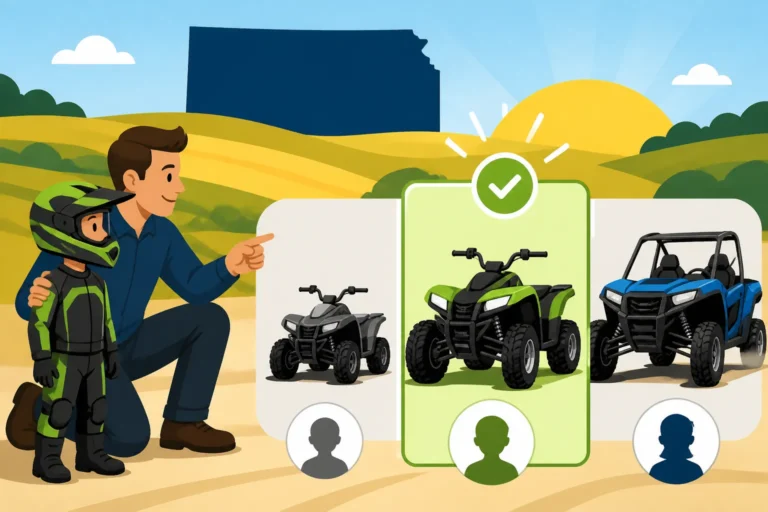
This is perhaps one of the most critical decisions a parent will make: selecting the right machine. It’s a common pitfall to think a child will "grow into" a larger ATV or UTV. However, an oversized or overpowered machine can be incredibly dangerous, leading to loss of control, accidents, and serious injuries. Youth ATVs and UTVs are specifically designed with features like speed limiters, smaller engines, and appropriate dimensions to match a child's size, strength, and cognitive ability. Think about it like a bicycle – you wouldn't start a toddler on a full-size mountain bike.
When choosing a machine, consider the following:
- Engine Size: Smaller engines (e.g., 50cc to 90cc) for younger, less experienced riders.
- Weight and Dimensions: The child should be able to comfortably reach the controls and operate the machine, including being able to shift their weight for balance.
- Speed Limiters: Many youth models come with adjustable speed limiters, allowing you to gradually increase speed as your child gains experience.
- Automatic vs. Manual Transmission: Automatic transmissions are often better for beginners, reducing the complexity of shifting gears.
You can learn more about how to make an informed choice by reviewing resources like [Matching a Child to the Right Machine Size]. Brands like SuperATV offer a range of accessories that can enhance safety and control for youth models, making it easier to customize a machine to a child’s specific needs, whether it's adding better handguards or a more comfortable seat.
Here's a quick guide to machine suitability:
| Rider Age Group | Recommended Machine Type | Key Features for Safety |
|---|---|---|
| 6-11 Years | Youth ATVs (50-90cc) | Speed limiter, automatic transmission, electric start, lightweight, smaller dimensions |
| 12-15 Years | Intermediate ATVs (90-125cc), Small Youth UTVs | Adjustable speed limiter, larger frame (still proportional), more robust suspension |
| 16+ Years | Adult ATVs, Full-Size UTVs | Full power, manual transmission options, advanced suspension, requires higher skill |
Essential Safety Gear and Equipment
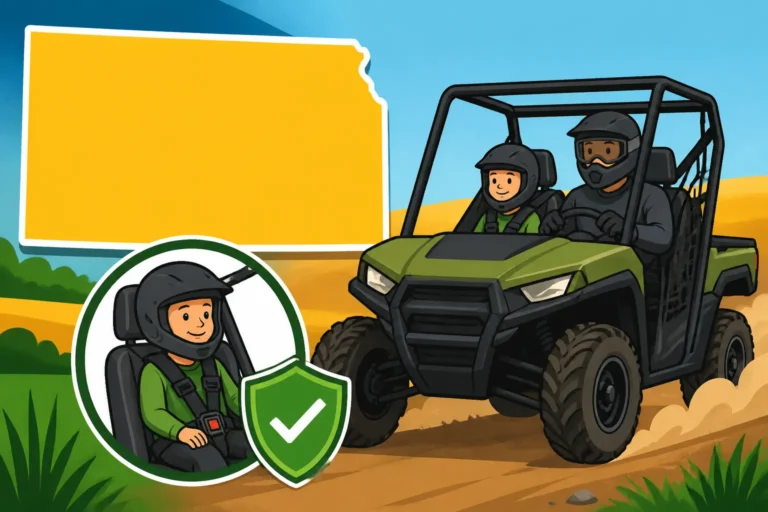
Just like you wouldn't let your child ride a bicycle without a helmet, off-road riding demands appropriate protective gear. This is non-negotiable. Even on slow rides or familiar terrain, accidents can happen quickly, and proper gear can prevent or mitigate serious injuries. As the parent, it's your job to not only provide the gear but also to ensure it's worn correctly every single time they ride.
The essential safety gear includes:
- Helmet: A DOT-compliant helmet is crucial. It should fit snugly and be securely fastened. While Kansas may not have a universal helmet law for ATVs, it's a fundamental safety item. For more on this, check out [Does Kansas Have an ATV Helmet Law at All?] and [Choosing a Helmet When No Law Requires One].
- Eye Protection: Goggles or a full-face helmet visor are a must to protect against dust, debris, branches, and insects. Even a small piece of gravel kicked up can cause serious eye injury. Don't underestimate the importance of [Eye Protection on a Dusty Section Road].
- Gloves: Protect hands from blisters, abrasions, and impact.
- Long Sleeves and Pants: Durable long sleeves and pants (denim or specialized riding gear) protect against scrapes, cuts, and sun exposure.
- Over-the-Ankle Boots: Sturdy boots protect feet and ankles from impacts, provide grip, and prevent them from getting caught in moving parts.
Remember, this gear isn't optional. It’s part of the riding experience. Investing in good quality gear from reputable brands is an investment in your child's safety. Many riders also add things like chest protectors and knee pads, especially for more aggressive riding.
Pre-Ride Checks and Maintenance Habits
A safe ride starts before the ignition is even turned on. As a parent, you need to establish a routine of pre-ride checks and regular maintenance, not just for yourself but to teach your children. This instills responsibility and familiarizes them with their machine, empowering them to identify potential issues before they become problems.
Before every ride, you should check:
- Tires: Ensure proper inflation and check for any damage or excessive wear.
- Brakes: Test both front and rear brakes for proper function.
- Fluids: Check oil, coolant (if applicable), and fuel levels.
- Chain/Drive Belt: Inspect for proper tension and lubrication (for chain-driven machines) or wear (for belt-driven UTVs).
- Lights: Verify headlights and taillights are working, especially if riding near dusk or dawn.
- Throttle: Ensure the throttle operates smoothly and snaps back to idle when released.
- Loose Parts: Quickly check for any loose nuts, bolts, or components that might have vibrated free.
Beyond pre-ride checks, regular maintenance is essential. This includes oil changes, air filter cleaning, and inspecting suspension components. If you're running a youth UTV, consider looking at SuperATV's aftermarket parts, which can often enhance the durability and longevity of critical components, ensuring a safer ride over time. Teaching your children these habits will serve them well throughout their riding life, whether they’re on a small youth quad or a larger UTV for farm work.
Land Access and Trespassing Rules
One of the trickiest parts of off-road riding in Kansas is knowing where you can actually ride. Unlike some states with extensive public trail systems, Kansas has limited dedicated public riding areas. This means much of the riding happens on private land, which brings a whole host of responsibilities for parents regarding land access and adherence to trespass laws.
Securing Permission for Private Land
The golden rule of riding on private land is simple: always obtain permission from the landowner before you ride. This isn't just a courtesy; it's a legal requirement. Riding on someone else's property without explicit permission is trespassing, which can lead to legal penalties, fines, and potentially having your machine impounded. It can also damage relationships with landowners and contribute to a negative perception of off-road riders in general.
As a parent, you need to teach your children the importance of respecting private property boundaries. This includes understanding the difference between public roads and private driveways, marked property lines, and clearly posted "No Trespassing" signs. If you have permission to ride on a friend's or relative's farm, make sure your child understands the specific areas they are allowed to ride in and any off-limit zones. This might mean walking the boundaries with them or pointing out landmarks. Having a written permission slip, especially if you're not always present, can be a smart move. For more information on this, refer to [Kansas Trespass Law for Riders].
Rules for Public Riding Areas and State Lands
While Kansas doesn't boast an abundance of public off-road trails, there are a few designated areas, often managed by the Army Corps of Engineers or private entities. If you plan to ride in these areas, your responsibility as a parent expands to understanding and adhering to their specific rules and regulations. These rules can cover everything from operating hours, machine type restrictions (e.g., width limits for UTVs), helmet requirements, spark arrestor rules, and even quiet hours for camping.
Before heading out to a public riding area, always check their official website or call ahead to confirm their current rules. Some areas, for example, might have a 50-inch width limit, which would exclude many full-size UTVs, even those with excellent accessories from companies like SuperATV. Others might require a day-use pass or have specific safety gear mandates beyond state law. Riding in these designated areas often provides a safer and more controlled environment for youth riders, but only if you adhere to their guidelines. Don't assume the rules are the same everywhere; they can vary significantly from one park to another.
Explaining Trespass Law to Young Riders
It’s not enough for parents to know the trespass laws; you must effectively communicate them to your children in a way they understand. Young riders, especially those exploring on their own or with friends, might not fully grasp the implications of crossing a property line. They might see an inviting field or a cool-looking creek bed and not realize they're breaking the law.
Take the time to explain:
- What trespassing means: It's riding or walking on someone else's land without their explicit permission.
- The consequences: Explain that it can lead to fines, your machine being impounded, and potentially losing the privilege to ride anywhere.
- Respect for property: Teach them that landowners have a right to privacy and to manage their land as they see fit.
- How to identify property lines: Point out fences, "No Trespassing" signs, and natural boundaries.
It's about fostering a sense of responsibility and respect for others' property. If you're fortunate enough to have access to private land, like a family farm, use it as a teaching ground. Show your kids where the property ends, who owns the neighboring land, and why it's important to stay within approved boundaries. This proactive approach can prevent future misunderstandings and ensure your child develops into a responsible off-road enthusiast. For specific rules regarding agricultural land, a deeper dive into [Kansas Rules for Riding Farm Ground] could be beneficial.
Disclaimer
This article is for general informational purposes only and does not constitute professional advice. Laws, prices and regulations vary by location and change over time. Consult a qualified professional for guidance on your specific situation.