Kansas Rules for a Child Passenger
It's an exciting milestone for many off-road enthusiasts: the day your child is old enough to share in the adventure. However, sharing the seat with a young passenger, whether on a quad or a side-by-side, comes with a lot of questions about safety and, crucially, what Kansas law actually allows. Trying to sort through the statutes can feel like navigating a muddy trail blindfolded, leaving you wondering if you're doing everything right to keep your little ones safe and stay on the right side of the law. This guide aims to clear up that confusion, diving deep into Kansas rules for carrying child passengers on ATVs and UTVs, so you can enjoy your rides with peace of mind.
Understanding Kansas Law for Young Riders
When it comes to off-road machines and young riders, Kansas law draws some important distinctions that are often misunderstood. It's not just about age; it's also about the type of machine, where you're riding, and who is supervising. Many parents naturally assume that if a machine has a passenger seat, it's fair game for their child, but the reality is more nuanced. The law prioritizes safety, especially for children who might not have the physical capabilities or judgment to ride safely as a passenger in all circumstances.
Kansas doesn't have a specific, standalone "child passenger" law written just for ATVs and UTVs that covers every scenario. Instead, the rules are often inferred from broader definitions of off-road vehicles and general safety principles. This can be frustrating because it leaves a lot of room for interpretation, and what might seem safe to you could be a violation in the eyes of the law or a law enforcement officer. The lack of explicit, easy-to-find guidelines means we need to look at how different machine types are defined and what general riding rules imply for our youngest passengers. [Kansas ATV Age Requirements] touch upon some related considerations for operators, but the passenger aspect is often overlooked.
The ATV Dilemma: Why Most Are Single-Rider Machines
Many ATVs, or All-Terrain Vehicles, are designed and manufactured for a single operator only. This isn't just a suggestion from the manufacturer; it's a fundamental aspect of the machine's engineering and stability. When you add a passenger, especially a child, to a single-rider ATV, you dramatically shift the center of gravity, making the machine much harder to control. This increases the risk of rollovers, especially during turns or when traversing uneven terrain. Imagine trying to balance a bicycle built for one with a passenger – it's inherently unstable.
Because of these inherent design limitations, Kansas law generally aligns with manufacturer recommendations, which strongly advise against carrying passengers on single-rider ATVs. While there might not be a direct statute saying "no child passengers on ATVs," the spirit of the law, which aims to prevent accidents and injuries, implicitly discourages it. If an accident were to occur with a child passenger on a single-rider ATV, you could face significant liability and potential legal consequences, even if the law isn't explicit. Always check your ATV's owner's manual; it will clearly state if it's designed for one person. It's truly safer for everyone involved if you respect that "single rider" designation.
UTVs: Built for Passengers, With Caveats
Utility Terrain Vehicles (UTVs), or side-by-sides, are a different story altogether. These machines are explicitly designed to carry passengers, often featuring multiple seats, seatbelts, and a roll cage for protection. This makes them a much safer option for bringing children along for the ride. However, just because a UTV has multiple seats doesn't mean you can cram as many kids as possible into it, or that any child can safely ride.
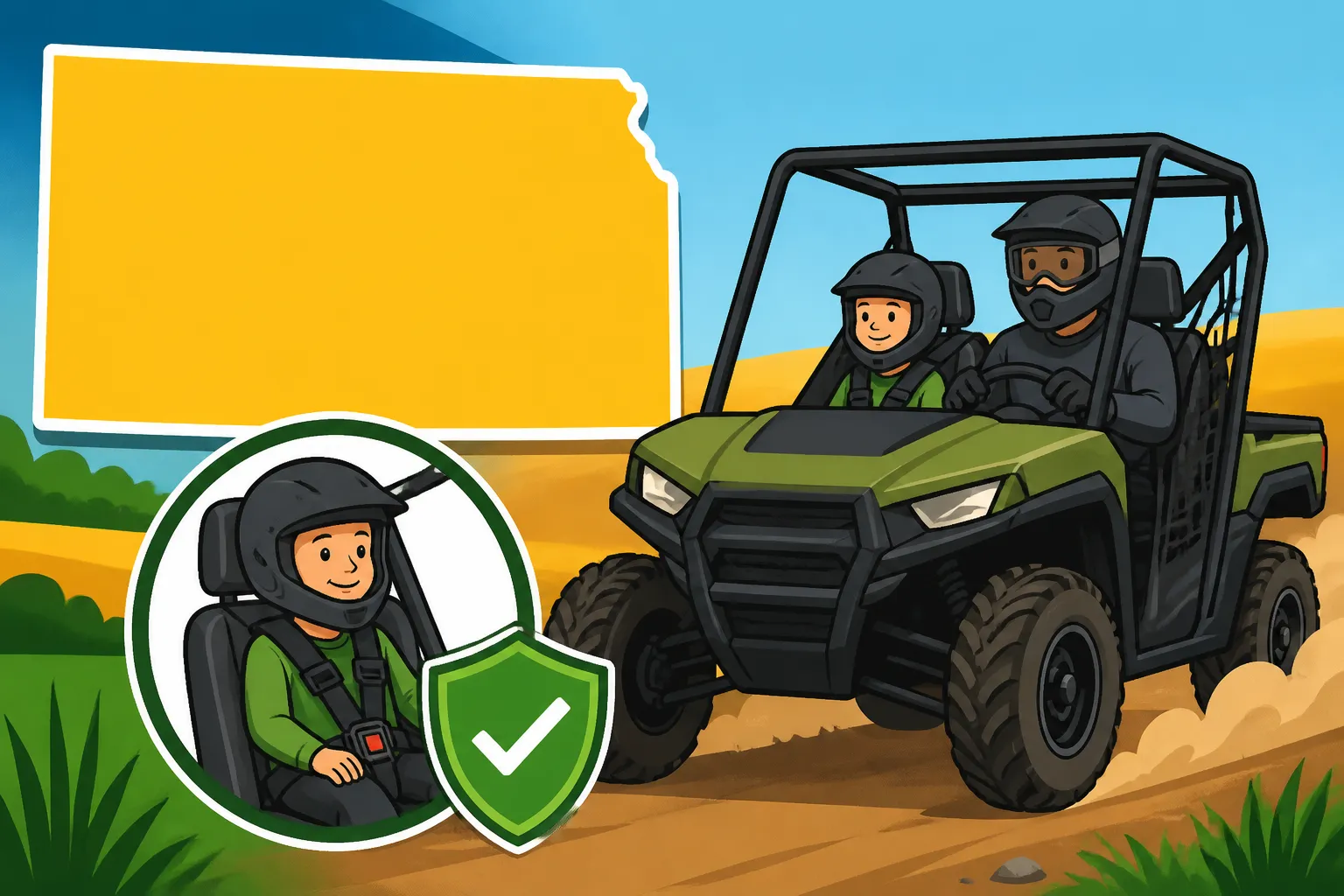
Kansas law generally requires that all passengers in a UTV utilize the manufacturer-provided seating and restraints. This means if a UTV has two seats, it's designed for two occupants, including the driver. If it has four seats, it's for four occupants. For child passengers, this means they must be able to sit properly in the seat, with their feet flat on the floorboards, and be secured by the seatbelt or harness system. If a child is too small to fit securely, or if the seatbelt crosses their neck rather than their shoulder, they are not safely accommodated. Brands like SuperATV offer aftermarket seats or harness systems that can sometimes improve the fit for smaller passengers, but always ensure any modifications comply with safety standards and do not compromise the vehicle's integrity. Remember, [Kansas Rules for Passengers on a UTV] emphasizes using designated seating, not just any available space.
Age, Size, and Supervision: Crucial Considerations
Beyond the type of machine, a child's age and physical size are paramount. What might be appropriate for a strong, athletic 12-year-old is definitely not suitable for a small 6-year-old. Kansas law, much like common sense, emphasizes that children need to be able to safely reach and utilize the vehicle's safety features and understand basic instructions. Proper supervision is also key, whether you're on private land or in a designated riding area.
Minimum Age for Operation vs. Passenger Rules
It's vital to differentiate between who can operate an off-road machine and who can ride as a passenger. Kansas has specific guidelines regarding the minimum age to operate an ATV or UTV. For instance, a child might not be old enough to drive a quad, but could potentially ride as a passenger in a UTV. The state's focus is largely on operator competence and responsibility. When it comes to passengers, the law shifts to ensuring their safety and proper restraint.
While Kansas law doesn't explicitly state a minimum age for a child to be a passenger in a UTV, the overarching principle of safety means that the child must be able to sit upright, reach the floorboards, and be properly secured by the seatbelt system. If a child is so small that a standard UTV seatbelt doesn't fit them correctly, or if they can't keep their feet on the floor, they should not be riding. This is where parental judgment becomes crucial. Think about it: if they can't ride safely in your car without a booster seat, they probably can't ride safely in a UTV without a properly fitted, off-road specific child restraint system. It’s also important to remember that [Kansas Rules for a Teen Rider] covers a different set of considerations for those older children who might be ready to operate a machine.
Physical Fit and Restraint Systems
A child's physical fit within the UTV's seating and restraint system is arguably the most important factor. Standard automotive seatbelts are designed for adult body types, and they often fit children poorly, causing the lap belt to ride up over the abdomen or the shoulder strap to cut across the neck. This can lead to severe injuries in the event of a sudden stop or collision. For off-road riding, where bumps, jostles, and unexpected movements are common, a poor fit is even more dangerous.
Consider these points when evaluating a child's fit:
- Feet on Floorboards: Can the child's feet reach the floorboards comfortably? Dangling feet can lead to injury and make them less stable.
- Back Against Seat: Is their back firmly against the seatback, or are they slouching to reach the floor?
- Seatbelt/Harness Fit: Does the lap belt fit snugly across their hips, not their stomach? Does the shoulder strap rest across their collarbone and chest, not their neck? If not, specialized off-road child restraint seats or harnesses (which can often be found from accessory makers like SuperATV) might be necessary to ensure a proper, safe fit. [Matching a Child to the Right Machine Size] goes into detail about ensuring kids are on machines appropriate for their build, which also applies to their fit as a passenger.
Parental Supervision and Responsibility
Ultimately, as a parent or guardian, you bear the primary responsibility for your child's safety when riding an off-road machine. Even if the law isn't explicitly clear on every single detail, your duty is to ensure your child is safe and properly protected. This means more than just putting them in a seat; it means active supervision, teaching them proper riding etiquette, and leading by example.
Here's what responsible supervision often entails:
- Pre-Ride Checks: Always ensure your child's helmet is correctly fitted, their seatbelt is snug, and they understand the rules for holding on.
- Appropriate Terrain: Choose terrain that is suitable for the youngest or least experienced rider or passenger. Avoid aggressive riding or difficult trails when children are on board.
- Constant Communication: Talk to your child during the ride, checking in to ensure they are comfortable and enjoying the experience safely.
- Leading by Example: Always wear your own safety gear, follow all rules, and ride responsibly. Your child will learn from your actions.
[What a Parent Is Responsible For Off-Road] is a crucial read for anyone taking children out on an ATV or UTV, emphasizing the legal and moral obligations involved.
Safety Gear and Best Practices for Young Passengers
Regardless of what the law specifically mandates, adopting best practices for safety gear and riding habits is always the smartest approach when carrying child passengers. The off-road environment presents unique hazards, and protecting your child should be your top priority. Investing in the right gear and instilling safe riding habits from a young age will serve them well in the long run.
The Importance of Helmets (Even When Not Required by Law)
Kansas law, interestingly, doesn't have a universal helmet law specifically for ATV or UTV riders of all ages. The statute regarding helmets is primarily written for motorcycles, not off-road machines in every context. However, this lack of a specific ATV/UTV helmet mandate for all riders does not mean helmets are optional for children. Most private riding parks and public land organizations do require helmets for all riders, especially minors. And more importantly, any responsible parent understands the critical need for head protection.
Always, always ensure your child wears a properly fitted, DOT-approved helmet when riding in an ATV or UTV. Even at low speeds or on seemingly flat terrain, unexpected bumps, swerves, or rollovers can happen. A helmet is the single most important piece of safety gear for preventing severe head injuries. [Choosing a Helmet When No Law Requires One] offers excellent advice on how to pick the right helmet, ensuring it fits snugly and offers maximum protection. Remember, a helmet that's too big is almost as dangerous as no helmet at all, as it can shift and block vision or come off during an impact.
Additional Essential Safety Gear
Beyond a helmet, several other pieces of gear contribute significantly to a child's safety and comfort:
- Eye Protection: Dust, debris, branches, and insects are constant companions on the trail. Goggles or safety glasses are essential to protect your child's eyes from these hazards. [Eye Protection on a Dusty Section Road] highlights why this is so important in Kansas's often windy and arid conditions.
- Long Sleeves and Pants: While it might seem counterintuitive on a hot day, long sleeves and pants made of durable material (like denim or sturdy canvas) offer protection against scrapes, cuts, and minor burns from exhaust pipes. They also provide a barrier against UV rays and insect bites.
- Gloves: Gloves can protect small hands from blisters, scrapes, and provide a better grip if the child is holding onto grab handles.
- Over-the-Ankle Boots: Sturdy boots protect feet from impacts, debris, and ensure a firm footing on the floorboards. Open-toed shoes or sandals are absolutely not appropriate for off-road riding.
Establishing Clear Riding Rules for Passengers
Beyond the gear, establishing clear rules for your child passenger is crucial. Children thrive on clear expectations, and riding an off-road machine is no different.
Here are some rules to implement:
- Hands Inside: Always keep hands and feet inside the vehicle. Reaching out can lead to injury from passing obstacles.
- Stay Seated: Children should remain seated at all times when the vehicle is in motion, even if the ride feels slow.
- Hold On: Teach them where to hold on – typically grab handles, or the vehicle's frame if appropriate and safe.
- No Horseplay: Riding an off-road machine is serious business, not a playground for roughhousing. Explain that safety comes first.
- Communicate Discomfort: Encourage your child to tell you immediately if they are scared, uncomfortable, or need to stop.
By combining the right safety gear with clear expectations and consistent supervision, you can create a much safer and more enjoyable experience for your young passengers on Kansas trails and properties.
| Feature | Single-Rider ATV Passenger Rules | Multi-Passenger UTV Passenger Rules |
|---|---|---|
| Manufacturer Design | Designed for ONE operator; passengers strongly discouraged. | Designed for multiple occupants; passenger seats provided. |
| Legality in Kansas | Generally discouraged; high risk of liability due to design. | Permitted, provided all safety criteria are met. |
| Physical Fit | No designated passenger area; highly unsafe for any age. | Child must fit properly in designated seat with feet on floorboards. |
| Restraints | None for a passenger; machine not designed for it. | Child must be secured by manufacturer-installed seatbelts/harnesses. |
| Helmet Requirement | Not explicitly mandated by KS law, but ALWAYS essential for safety. | Not explicitly mandated by KS law, but ALWAYS essential for safety. |
| Supervision | Not applicable; children should not be passengers on these. | Driver must be responsible adult, supervising child's safety. |
| Recommended Age | NEVER for a child; safety risk is too high. | No specific minimum age in KS law, but "able to fit securely" is key. |
Where You Can Ride with Child Passengers
The rules and expectations for carrying child passengers can also vary significantly depending on where you choose to ride. What's permissible on your own private land might not be allowed in a public riding area or on a county road (if UTVs are permitted). Always verify the specific rules of your chosen riding location before you load up the family.
Private Land: Your Rules (Within Reason)
If you're riding on your own private property, you generally have more leeway regarding who can ride and how. On your private land, the immediate legal enforcement of specific passenger rules for children might be less stringent than on public lands. However, this freedom comes with increased responsibility. While you might not face a citation for carrying a child on a single-rider ATV on your own farm, if an accident occurs, you could still face significant civil liability.
The best practice, even on private land, is to adhere to the manufacturer's recommendations and general safety guidelines. This means no child passengers on single-rider ATVs, and ensuring all child passengers in a UTV are properly secured and fitted with appropriate safety gear. [Kansas Rules for Riding Farm Ground] often implies a more relaxed environment, but safety should never be relaxed, especially with children. Remember, an accident on your property can still lead to serious injury or worse, and no legal leniency is worth compromising a child's well-being.
Public Riding Areas and Parks
Public riding areas, such as the popular Tuttle Creek ORV Area or School Creek ORV Area, often have their own specific rules that go above and beyond state statutes. These rules are usually designed to ensure the safety of all visitors and the responsible use of the park's facilities. It's very common for these parks to mandate helmets for all riders, especially minors, regardless of state law. They may also have explicit rules about passengers on ATVs and UTVs.
Before heading out to a public park with child passengers, always check the park's specific regulations. These can usually be found on their website or by calling the park office. Ignoring these rules could result in being asked to leave, or even a citation. For example, some parks might have restrictions on the width of machines, which could inadvertently affect which UTVs are allowed, and thus, where your child can ride. Always do your homework – it beats a disappointed child and a wasted trip. [Kansas Unconventional Vehicle Park Permits] usually come with a list of rules that govern their use within the park's boundaries.
Road Riding with Children (Where Permitted)
Kansas generally restricts ATVs and UTVs from public roads, with some exceptions for agricultural use, crossing highways, or in specific cities that have passed ordinances allowing UTVs on certain streets. If you happen to be in a city that permits UTVs on its roads, the rules for child passengers typically mirror those for passengers in a regular vehicle. This means children would need to be in proper seating, wearing seatbelts, and potentially using age-appropriate child restraint systems like booster seats, if required by that specific city's ordinance or general traffic law for low-speed vehicles.
However, it's crucial to understand that even in towns that allow UTVs on city streets, these machines are still fundamentally different from cars. They offer less protection in a collision and often handle differently. Therefore, extra caution is always warranted when carrying children on any public road. Always consult the specific city ordinances, as well as general Kansas traffic laws, before taking a UTV with a child passenger onto public streets. [Kansas Rules for a Golf Cart on a Street] and [Kansas Micro Utility Truck Road Rules] offer insights into road rules for other unconventional vehicles, which can sometimes provide context for UTVs in cities, but remember each machine class is distinct.
Disclaimer
This article is for general informational purposes only and does not constitute professional advice. Laws, prices and regulations vary by location and change over time. Consult a qualified professional for guidance on your specific situation.