How to Tell If Your Kansas Town Allows UTVs
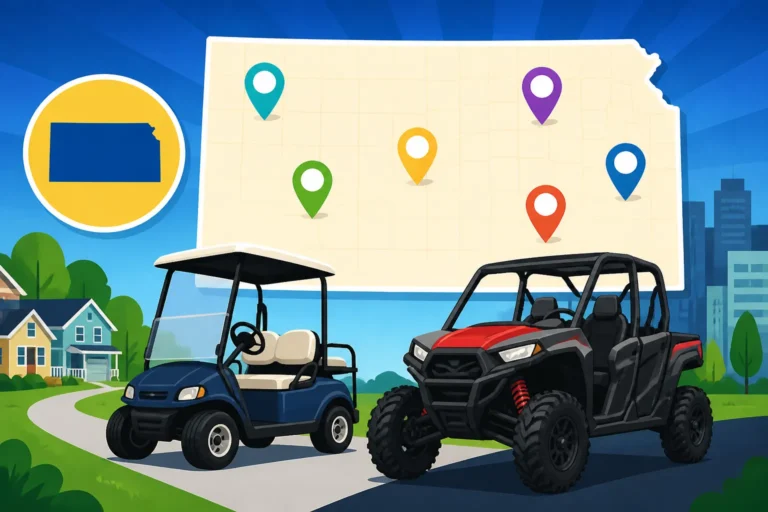
It can feel incredibly frustrating to own a UTV in Kansas, especially when all you want to do is run a quick errand to the hardware store or cruise down a scenic county road to a friend's house, only to realize you're not entirely sure if it's even legal within your town limits. This guide is here to cut through that confusion, explaining exactly how Kansas law treats UTVs on city streets and, more importantly, how you can determine if your specific town has opened its doors to these versatile machines.
The Statewide Default: Why UTVs Are Generally Banned on City Streets
Let's get this out of the way upfront: by default, Kansas state law pretty clearly bans UTVs, ATVs, and other non-highway vehicles from public streets and highways. It’s not that the state wants to make your life difficult; it’s largely about public safety, the design of these machines, and how they interact with traditional traffic. Chapter 8 of the Kansas statutes outlines these rules, and K.S.A. 8-15,100 is often the one cited when discussing this topic. This section of the law is the primary reason you can't just hop on your UTV and drive it wherever you please within most Kansas towns.
This default ban creates a significant hurdle for UTV owners. You might see neighbors riding their machines down the street in one town, only to be told it's strictly prohibited in the next town over. This inconsistency is where a lot of the frustration comes from. Many owners invest in UTVs for recreation, farm work, or even as a practical utility vehicle, and they naturally assume they should have some level of freedom to operate them, at least locally. However, the state's position is that these are off-highway vehicles unless a specific exception or local ordinance says otherwise. So, when you're looking at your UTV in the driveway, ready for a ride, remember that the starting point for state law is "no" for city streets.
It's also important to understand the distinctions the state makes between various types of off-road machines. An ATV is defined in a particular way, and then there are other categories like micro utility trucks, golf carts, and work-site utility vehicles, each with its own set of rules, some of which do allow limited road use under specific conditions. But for a general UTV that doesn't fit into one of those narrow exemptions, the default is still a no-go for city streets. This is why knowing how your specific machine is classified and whether your city has taken action is so crucial.
How Cities Gain the Power to Allow UTVs
Even with the statewide ban, there's a glimmer of hope: Kansas law includes provisions that allow local jurisdictions – cities and counties – to override the state's default ban. This is where the magic happens, or at least, where the possibility of street-legal UTV riding begins. Your city council, as the local governing body, has the authority to pass an ordinance specifically permitting UTVs on certain public streets within its municipal boundaries. This power isn't automatic; it's a carefully defined exception to the state's general rule, and it means that without a local ordinance, the ban stands.
The process of a city council opening its streets to UTVs typically involves a lot of discussion, public input, and then a vote. It's not uncommon for residents to petition their city council or attend public meetings to advocate for UTV access. Concerns usually revolve around safety, noise, speed limits, and how UTVs will integrate with existing traffic. Because each city has its own unique character, traffic patterns, and resident concerns, the ordinances they pass can vary significantly from one town to the next. You might find a town like Louisburg, for example, that has embraced UTVs with specific rules and fees, while a neighboring community might have never even considered the idea, or outright rejected it. This patchwork of rules is exactly why [How a City Council Opens Its Streets to UTVs] is an essential topic.
What this means for you, the UTV owner, is that you can't assume that because your buddy can ride his side-by-side on the streets of Andover, you can do the same in your town. Each city must make its own decision. This local control can be both a blessing and a curse. It allows communities to tailor rules to their specific needs, but it also places the burden on individual riders to research and understand the rules for every single city they might want to ride in. This is a common source of confusion, and frankly, a pain point for many Kansas UTV enthusiasts.
Decoding a City Ordinance: What to Look For
So, your city might have an ordinance, but how do you know what it actually says? This is where the detective work begins, and it's essential not to make assumptions. A city ordinance isn't just a blanket "yes" or "no." It's almost always a detailed document outlining specific requirements, restrictions, and sometimes even fees. Ignoring these details could lead to tickets or even the impoundment of your machine, which is definitely a situation we all want to avoid.
When you're trying to figure out [Kansas UTV Street Legal Rules by City], you need to look for several key components within the ordinance:
Equipment Requirements
Most ordinances will specify what equipment your UTV must have to be road-legal within that town. This goes beyond what your UTV might have come with from the factory. Common requirements include:
- Headlights and Taillights: These usually need to be operational during certain hours, often sunset to sunrise, mirroring general vehicle laws. They may need to meet specific brightness standards.
- Brake Lights: Essential for signaling stops to traffic behind you.
- Turn Signals: Often a must, even if your UTV didn't come with them. Aftermarket kits, like those from SuperATV, are popular solutions for adding turn signals, mirrors, and other street-legal components to machines not originally designed for road use.
- Mirrors: Typically, at least one rearview mirror is required, with many ordinances specifying two – one on each side.
- Horn: A functional horn is usually a basic safety requirement.
- Windshield: Some ordinances may require a windshield, especially if the machine is designed to go over a certain speed.
- Tires: The ordinance might specify tire types, disallowing aggressive off-road treads that could damage paved roads.
- Seatbelts/Restraints: If your UTV has factory-installed seatbelts, they will almost certainly be required to be used by all occupants.
Understanding these requirements is critical because even if your city allows UTVs, a lack of proper equipment is a surefire way to get a citation during [Kansas Equipment Checks by Deputies].
Speed Limits and Road Restrictions
City ordinances will almost always impose speed limits for UTVs. These are typically lower than the posted speed limits for cars, often 25 mph or 35 mph, regardless of the street's actual speed limit for other vehicles. It's rare for a city to allow UTVs on state highways or roads with speeds above 45 mph, and you’ll almost never find them permitted on interstates or federal highways. The ordinance will clearly delineate which streets or types of streets (e.g., all city streets except state highways running through town) are permissible for UTV use. Always assume main thoroughfares are off-limits unless explicitly stated otherwise.
Insurance and Licensing
Proof of insurance is a common requirement. While Kansas doesn't have a statewide ATV insurance mandate, cities that open their roads to UTVs often require liability insurance, similar to what's needed for a car. This protects everyone on the road in case of an accident. The ordinance might specify minimum coverage amounts. You might also need a valid driver's license to operate a UTV on city streets, even if you don't need one to ride on private land. [Kansas City Insurance Requirements] is a crucial detail that varies significantly by town.
Permits, Fees, and Inspections
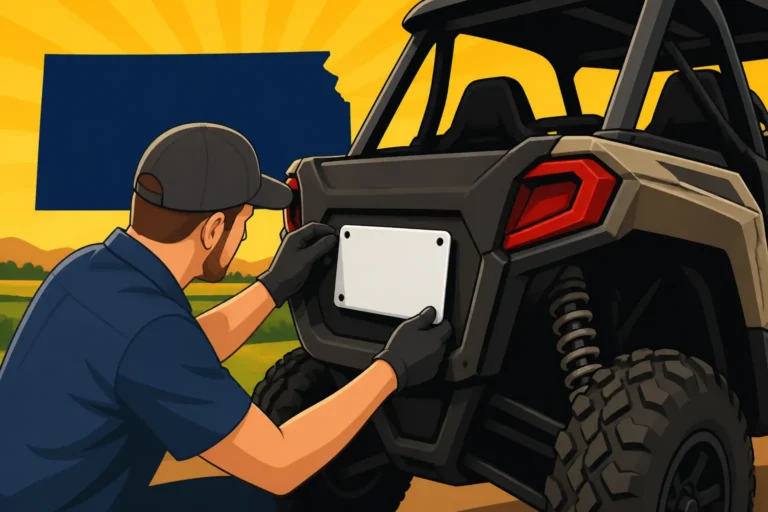
Many cities require you to obtain a special permit or tag for your UTV to operate it on city streets. This often comes with an annual fee. For instance, [Louisburg's UTV Tag Fees in Kansas] outline a specific cost for their local tag. Before a tag is issued, the city may require an inspection of your machine to ensure it meets all the equipment requirements. This means taking your UTV to the city hall or police department for an official to verify everything from your turn signals to your mirrors. [Police Inspect a UTV Before a City Tag Issues] is a real process in many municipalities.
Hours of Operation and Age Restrictions
Some ordinances might restrict UTV operation to certain hours (e.g., no riding after midnight) or impose age restrictions on drivers that are stricter than general off-road riding rules. If the ordinance requires specific lighting, like the enhanced visibility offered by SuperATV's LED light bars, it’s often because they anticipate riders using their machines during dawn or dusk hours when visibility is reduced. These are all details you need to confirm.
Practical Steps to Verify UTV Road Legality in Your Town
Navigating the local rules can feel like a maze, but there are practical, straightforward steps you can take to get the definitive answer for your specific town. Don't rely on hearsay or what a friend's cousin's neighbor told you; go straight to the source.
1. Check the City's Official Website
Many Kansas cities now have their ordinances published online. Start by searching your city's official government website (e.g., "City of [Your Town Name] ordinances" or "City of [Your Town Name] UTV"). Look for sections related to vehicles, traffic, or recreation. Sometimes they might be under "unconventional vehicles" or "off-highway vehicles." This is often the quickest way to find the information, if it's available. Remember that [Kansas Ordinance Lookups Before You Ride] can save you a lot of headache and potential fines.
2. Contact Your City Clerk or Police Department
If you can't find clear information online, the next best step is to directly call your city clerk's office or the local police department. These are the people who will know the definitive answer. When you call, be specific: "I own a UTV and I'm trying to determine if it's street-legal on public roads within the city limits of [Your Town Name]. If so, what are the specific requirements for equipment, permits, insurance, and designated roads?" They can often direct you to the specific ordinance number or even email you a copy. It’s better to ask upfront than to learn the hard way through a ticket for [Kansas Penalties for Illegal Road Riding].
3. Talk to Local UTV Owners or Clubs
While not an official source, local UTV clubs or experienced riders in your area can often provide valuable insights into how ordinances are enforced and point you to the correct official channels. They might have gone through the process themselves and can offer practical advice. Look for local Facebook groups, forums, or ask at your nearest off-road parts dealer. However, always double-check any information from unofficial sources with the city itself.
4. Understand the Nuances and Be Prepared
Even if your town allows UTVs, remember that rules can change. An ordinance passed five years ago might be amended next year. Always stay informed. Also, carry copies of your permit, insurance, and driver's license with you when you ride. Even with an ordinance, law enforcement may still stop you to verify compliance. Machines often require a bit of modification to meet street-legal standards, and companies like SuperATV specialize in these types of aftermarket parts, ensuring you have the necessary lights, mirrors, or horn systems.
By taking these proactive steps, you can confidently know whether your Kansas town allows UTVs on its streets, what's required, and how to enjoy your machine responsibly and legally. This approach also helps explain [Why Road Rules Change With the Machine You Ride] as different vehicles have different capabilities and regulatory considerations.
| Aspect | Default Kansas State Law (City Streets) | Typical City Ordinance (If Permitted) |
|---|---|---|
| Road Use | Prohibited (K.S.A. 8-15,100) | Permitted on designated city streets |
| Speed Limit | N/A (because prohibited) | Often 25-35 mph, regardless of posted limit |
| Equipment | Basic off-road lights, horn (if equipped) | Headlights, taillights, brake lights, turn signals, mirrors, horn, sometimes windshield |
| Permit/Tag | Not applicable for street use | Required city-specific tag/permit, often annual fee |
| Inspection | No state inspection for street use | Often required by city before tag issuance |
| Insurance | No state requirement for off-road use | Often required (liability), similar to car insurance |
| Driver's License | Not applicable for off-road use | Required (valid driver's license) |
| Age Restrictions | Varies by private land rules, no street rule | Often 16+ with valid license |
| Areas Permitted | Private property, designated off-road areas | Specific city streets, excluding state/federal highways, interstates |
Disclaimer
This article is for general informational purposes only and does not constitute professional advice. Laws, prices and regulations vary by location and change over time. Consult a qualified professional for guidance on your specific situation.