Louisburg’s UTV Tag Fees in Kansas
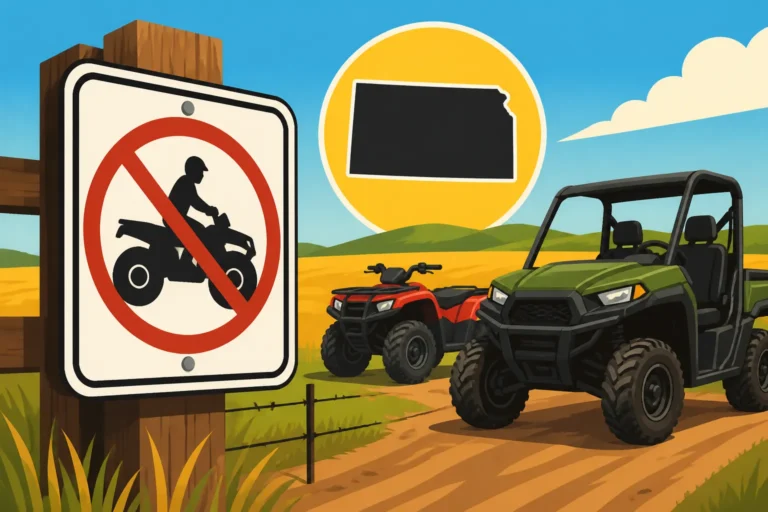
For many folks across Kansas, the idea of legally driving a UTV on city streets can feel like navigating a maze blindfolded. Most cities in the Sunflower State default to banning off-road machines from public roads, leaving many UTV owners scratching their heads about where they can actually ride without breaking the law. Louisburg, however, is one of a handful of forward-thinking communities that have carved out a path for UTV enthusiasts, but that privilege comes with its own set of rules and, yes, fees. This comprehensive guide will walk you through the specifics of Louisburg's UTV tag fees, explaining not just the costs but also the crucial requirements and processes involved in getting your side-by-side legally on their streets.
Understanding Louisburg's Approach to UTVs on Roads
It's a common frustration for UTV owners in Kansas: you've invested in a versatile machine, perhaps from a brand like SuperATV known for its accessories, and you want to use it for more than just off-road parks or farm work. But then you run headfirst into the statewide ban on driving these machines on public roads. Louisburg is one of the exceptions, and understanding why they've chosen a different path is key to appreciating their system.
Why Louisburg Opted for a UTV Ordinance
Louisburg, like some other rural-leaning communities in Kansas, recognized the practical utility of side-by-sides for their residents. These aren't just recreational toys; for many, they're essential tools for quick trips around town, visiting neighbors, or running errands without having to fire up a larger vehicle. The city council likely heard from citizens who wanted to bridge the gap between their private property and local amenities. Rather than simply enforcing a blanket ban, Louisburg decided to create a structured framework, an ordinance that would allow UTVs on most city streets under specific conditions, prioritizing safety and order. This proactive approach aims to integrate UTVs into the community's transportation fabric while ensuring everyone understands the boundaries.
The Scope of Louisburg's UTV Road Access
It’s vital to understand that while Louisburg permits UTVs on its streets, this isn't a free-for-all. The ordinance typically defines which streets are permissible and often includes speed limits specific to UTVs. For instance, [Louisburg's 45 mph Street Limit in Kansas] is a key detail to remember. Generally, UTVs are allowed on most public streets within city limits, but usually with exceptions for state highways or other major thoroughfares that pass through town. The idea is to allow residents to use their machines for local travel, not high-speed commuting. Always check the specific ordinance for the precise roads and zones where UTVs are permitted. This careful delineation ensures that UTV use doesn't interfere with the flow of heavier, faster traffic.
What a Louisburg UTV Tag Signifies
A UTV tag from Louisburg isn't just a fancy sticker; it's a permit that legally authorizes your specific machine to operate on the city's designated streets. This is critically different from state-level registration or titles. Your UTV will still have a [Kansas Titles ATVs as Nonhighway Vehicles] designation, meaning it's not road-legal statewide. The Louisburg tag is a local authorization, a special exemption granted by the city, meaning it doesn't confer street-legal status anywhere else in Kansas. It signifies that your UTV has met Louisburg's specific equipment, insurance, and inspection requirements, distinguishing it from an untagged machine that would be considered illegal on city roads. Think of it as a local pass, valid only within those specific city limits.
The Initial Cost of a Louisburg UTV Tag
Getting your UTV street-legal in Louisburg for the first time involves a specific fee structure. It's not just a flat rate; there are initial costs associated with the application and the issuance of your very first city-issued UTV plate. Understanding these upfront expenses helps you budget properly and avoids any surprises when you head to city hall.
Breaking Down the First-Year Fee
The most significant initial cost for a Louisburg UTV tag is the first-year fee. Currently, Louisburg charges a distinct amount for this initial permit, which covers the administrative costs of processing your application, conducting the necessary inspections, and issuing your physical plate. This first-year fee is set higher than subsequent annual renewals, reflecting the greater administrative burden of onboarding a new machine into their system. It's designed to cover everything from the paperwork to the deputy's time for inspection. When you factor in the utility and convenience of having your UTV legally available for street use, many residents find this initial investment worthwhile. You can find this specific figure detailed under [Louisburg Charges $100 for a UTV Tag's First Year].
The Application Process and Associated Costs
Beyond the primary fee, the application process itself is pretty straightforward, but it does require your active participation. You'll typically need to visit the Louisburg City Hall to obtain the application forms. There aren't usually separate "application fees" on top of the main tag fee, but you will need to bring proof of ownership, a valid driver's license, and, crucially, [Louisburg's Insurance Requirement in Kansas]. The city will want to ensure your UTV meets their safety standards, which often includes an inspection. This inspection might seem like an extra hurdle, but it's really about ensuring your machine, perhaps one enhanced with SuperATV lighting or mirrors, is safe for public roads. This often means checking for headlights, taillights, turn signals, brake lights, a horn, and proper mirrors. [Police Inspect a UTV Before a City Tag Issues] is a critical step, and while there's no direct "inspection fee," the time and resources involved are factored into that first-year tag cost.
When and Where to Pay the Initial Fee
The process for getting your Louisburg UTV tag is fairly centralized. Once you've gathered all your documents and your UTV has passed inspection, you'll generally complete the payment directly at Louisburg City Hall. It's best to call ahead or check the city's website for specific hours and accepted payment methods. Many municipal offices prefer checks or debit/credit cards for larger fees. The key is to handle this within a reasonable timeframe after purchasing your UTV or deciding you want to make it street-legal, as you don't want to risk riding illegally while waiting. Keep in mind that like other municipal services, there might be specific days or hours when UTV tag services are available, especially if a police officer needs to be on hand for an inspection.
Annual Renewals and Ongoing Expenses
Once you've navigated the initial application and paid the first-year fee for your Louisburg UTV tag, the good news is that subsequent years are usually less expensive and simpler to manage. However, it's crucial to understand the annual renewal process and associated costs to ensure your UTV remains legally street-legal within Louisburg city limits.
Understanding the Renewal Fee Structure
After the initial higher cost for the first year, renewing your Louisburg UTV tag becomes more budget-friendly. The city has a set annual renewal fee that is significantly lower than the inaugural payment. This reduced fee primarily covers the administrative costs of updating your permit for another year. It assumes your UTV has already passed its initial inspection and is simply extending its permission to operate on city streets. This structure is common in many municipal permit systems, rewarding ongoing compliance with a lower recurring cost. You'll find the specific amount for annual renewals under [Renewing a Louisburg UTV Tag Costs $50]. This makes the ongoing ownership of a street-legal UTV in Louisburg a more manageable expense for residents.
The Renewal Timeline and Process
Renewing your Louisburg UTV tag typically follows an annual cycle. The city will likely have a specific renewal period, often tied to the original issuance date or a standard calendar month. It’s your responsibility as the UTV owner to keep track of this deadline. While some cities send out reminders, it’s always best practice to mark your calendar. The renewal process usually involves visiting City Hall again, providing proof of current insurance, and paying the renewal fee. In most cases, if your UTV previously passed inspection and nothing significant has changed, a full re-inspection isn't required every single year, simplifying the process. However, the city always reserves the right to conduct an inspection if they deem it necessary, especially if there are concerns about the machine's condition or modifications.
Why a City Tag Is Never Prorated Mid-Year
One common question UTV owners have is whether they can get a prorated fee if they obtain their tag partway through the year or if they decide to sell their UTV before the tag expires. The answer, almost universally, is no. [Why a City Tag Is Never Prorated Mid-Year] is a key policy to understand. City tags, like many permits, are typically sold for a full annual period, regardless of when you purchase them within that cycle. This is because the administrative effort to issue the tag, conduct the inspection, and manage the paperwork is largely the same whether you get it on January 1st or June 1st. Prorating would create a significant administrative burden for the city for minimal financial gain. Therefore, if you buy your tag in the middle of the year, you'll still pay the full annual fee, and it will expire at the same time as all other tags for that cycle. Plan your purchase accordingly to maximize the value of your annual fee.
Beyond the Fees: Additional Requirements and Considerations
While the fees are an important part of getting your UTV street-legal in Louisburg, they're only one piece of the puzzle. The city ordinance includes several other critical requirements that UTV owners must meet and maintain. These often revolve around safety, accountability, and proper identification of your machine while it's being operated on public roads.
Proof of Insurance at a City Hall
One of the non-negotiable requirements for obtaining and renewing your Louisburg UTV tag is showing proof of insurance. Just like with a car, the city wants to ensure that if an accident occurs involving your UTV on public streets, there is financial coverage for potential damages or injuries. You will need to present current documentation of liability insurance for your UTV when you apply and renew. [Proof of Insurance at a City Hall] means you can't just tell them you have it; you'll need the actual insurance card or a declaration page from your provider. Many insurance companies offer specific policies for off-road vehicles, and it's essential to confirm that your policy meets Kansas's minimum liability requirements, even if it's for city-specific road use.
Police Inspect a UTV Before a City Tag Issues
Before Louisburg will issue that coveted UTV tag, your machine must undergo a safety inspection by the city's police department. This isn't just a quick glance; it's a thorough check to ensure your UTV is equipped with the necessary safety features to be operated on public streets. Expect the police to verify that your UTV has functional headlights, taillights, brake lights, turn signals, a horn, and mirrors. They'll also check for proper tires, seatbelts (if applicable), and potentially other safety items mandated by the local ordinance. This inspection ensures that your machine, whether it's a factory model or one upgraded with SuperATV accessories like a windshield or a signal kit, is up to par. This step, clearly outlined in [Police Inspect a UTV Before a City Tag Issues], is critical for public safety and ensures that all street-legal UTVs meet a baseline standard before joining traffic.
Mounting Your Louisburg UTV Plate
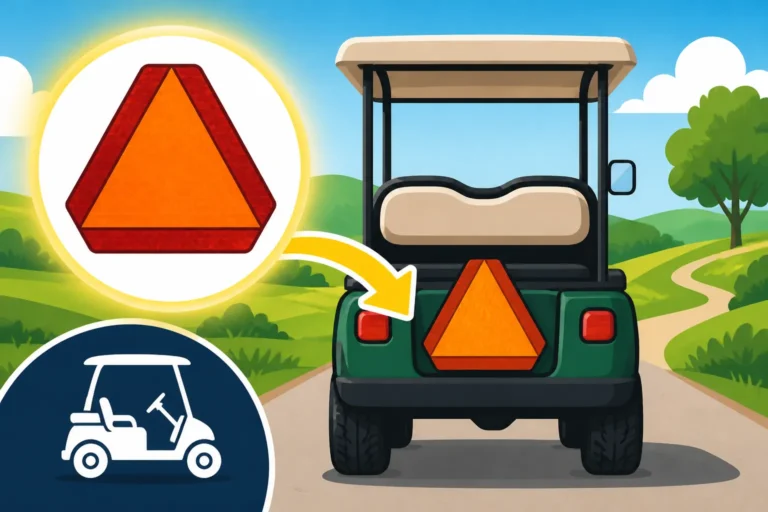
Once your application is approved, your fees are paid, and your UTV passes inspection, you'll receive your physical Louisburg UTV plate. This plate isn't just for show; it's a legal identifier, much like a license plate on a car, and it must be displayed prominently on your UTV. The ordinance will specify the precise location where the plate must be mounted. Typically, this means on the rear of the machine, clearly visible and unobstructed. [Where to Mount a City UTV Plate] often details specific requirements, such as ensuring it's securely fastened and not prone to falling off or being obscured by mud or cargo. Proper display is crucial, as law enforcement needs to be able to identify your UTV quickly and easily. Failure to display the plate correctly could lead to a citation, even if your UTV is otherwise legally tagged.
What Happens if You Lose Your Louisburg UTV Plate?
Life happens. Whether it's a bumpy trail ride outside city limits, an accidental brush with a low-hanging branch, or just a simple oversight, losing your Louisburg UTV plate can be a frustrating experience. It's important to know the steps to take and the costs involved in replacing it, so you can get back to legally riding on city streets as quickly as possible.
The Cost of Replacing a Lost City UTV Plate
Just like replacing a lost car tag, there's a fee associated with getting a duplicate Louisburg UTV plate. This fee covers the administrative cost of issuing a new physical plate and updating the city's records to reflect the replacement. It's typically a separate charge from your annual renewal fee and is specifically for the reissuance of a lost or stolen plate. While it might seem like a minor inconvenience, the cost ensures that the city can maintain accurate records and control the distribution of its official identification plates. The specific amount for this can be found in [Replacing a Lost City UTV Plate Costs $100], which highlights that it's a significant cost, encouraging owners to keep their plates secure.
Steps to Take for a Replacement Plate
If you discover your Louisburg UTV plate is missing, the first step is to contact Louisburg City Hall as soon as possible. They will guide you through the specific procedure, but it generally involves:
- Reporting the Loss: Informing the city that your plate is missing is crucial. This helps prevent unauthorized use if it was stolen and signals your intent to remain compliant.
- Completing an Application: You'll likely need to fill out a replacement application form, possibly an affidavit stating the circumstances of the loss.
- Paying the Replacement Fee: Be prepared to pay the specified fee for the duplicate plate.
- Verification: The city might verify your ownership and insurance again before issuing the new plate.
It's a process designed to ensure that new plates are issued only to the rightful owners and that the city's records remain accurate.
Riding Without a Plate While Awaiting Replacement
Here's where it gets tricky: can you still ride your UTV on Louisburg streets while you're waiting for a replacement plate? The general answer is no. Operating a UTV on designated city streets without a properly displayed, valid tag is typically a violation of the ordinance. While you might be able to explain the situation to a police officer, you could still be subject to a citation. It's always best to avoid riding until your new plate is securely mounted. If you absolutely must move the UTV for essential reasons, consider trailering it or contacting the Louisburg Police Department for specific guidance on temporary allowances, if any exist. Avoiding any riding until the new plate is in hand is the safest and most compliant approach to prevent potential [Kansas Penalties for Illegal Road Riding].
Comparing Louisburg's System to Other Kansas Cities
Louisburg is a shining example of a city that has embraced UTVs on its streets, but it's important to remember that this isn't the norm across the entire state of Kansas. Understanding how Louisburg's system compares to other municipalities provides crucial context for UTV owners throughout the region.
How Louisburg's Ordinance Stacks Up
Louisburg's UTV ordinance stands out in Kansas precisely because it exists and is relatively well-defined. Many other cities have simply maintained the default state-level ban on off-road vehicles on public roads. Cities like Scott City or De Soto might have their own ordinances, but the specific requirements, allowed areas, and fee structures can vary wildly. For example, some cities might have stricter equipment rules, while others might restrict UTVs only to certain areas or times of day. Louisburg, with its clear fee schedule and inspection process, offers a transparent pathway for UTV owners. This clarity makes it easier for residents to comply, and for law enforcement to enforce, which is a significant advantage over areas with vague or non-existent guidelines. [Kansas UTV Street Legal Rules by City] is a good resource to explore these variations.
The Absence of Statewide UTV Road Rules
One of the biggest frustrations for Kansas UTV owners is the lack of a cohesive, statewide framework for street-legal UTVs. [Kansas Bans ATVs Inside City Limits by Default], and this generally extends to UTVs as well, unless a specific local ordinance overrides it. This means that a UTV legally tagged for Louisburg streets is NOT legally allowed on the streets of a neighboring town that hasn't passed its own ordinance. The state views these machines as nonhighway vehicles, suitable for off-road use or private property, but not for general public road travel. This patchwork of regulations means that even a short trip from one city to another can quickly change your UTV's legal status, creating confusion and potential legal issues for riders who aren't aware of specific local laws.
What This Means for Riders Outside Louisburg
For UTV owners living in or visiting areas outside of Louisburg, the presence of such an ordinance in one city doesn't mean similar allowances exist elsewhere. If your town hasn't passed an ordinance specifically permitting UTVs on its streets, then your UTV is still subject to the general state ban on public road use. This necessitates that UTV owners do their homework. Before attempting to ride your UTV on any public street, you must check with the local city or county government to see if an ordinance exists. If it does, understand its specific requirements for tagging, equipment, insurance, and permissible roads. Brands like SuperATV provide accessories that can help equip a UTV for potential street-legal modifications, but the local ordinance is the ultimate authority. Without a local ordinance, your only legal options for riding are typically on private land, designated off-road parks like [Kansas Rocks Recreation Park], or on specific farm-related trips under [Kansas's Agricultural Exception for Road Use].
Summary of Louisburg UTV Tag Fees and Requirements
To help clarify the various costs and essential criteria for getting your UTV legally on Louisburg streets, here's a quick reference table. This summarizes the key financial aspects and critical steps for new applicants and those renewing their tags.
| Item | Description | Cost (Approximate) | Frequency | Where to Process |
|---|---|---|---|---|
| Initial UTV Tag Fee | First-year permit, includes application & inspection. | $100 | Once | Louisburg City Hall |
| Annual Renewal Fee | Subsequent yearly permit renewals. | $50 | Annually | Louisburg City Hall |
| Lost Plate Replacement | Fee for obtaining a duplicate physical plate. | $100 | As Needed | Louisburg City Hall |
| Proof of Insurance | Required liability coverage for your UTV. | Varies by Policy | Annually/Initial | City Hall (Proof) |
| Police Inspection | Safety check of UTV equipment. | Included in Initial Fee | Initial | Louisburg Police Dept. |
| Valid Driver's License | Required to operate UTV on public streets. | N/A | Initial/Ongoing | City Hall (Proof) |
| Proper Plate Mounting | Display plate clearly on rear of UTV. | N/A | Initial/Ongoing | On Your UTV |
This table provides a concise overview, but remember to always consult the official Louisburg city ordinance or contact City Hall directly for the most current and specific details. Requirements and fees can change, and staying informed is your best defense against unexpected issues.
Disclaimer
This article is for general informational purposes only and does not constitute professional advice. Laws, prices and regulations vary by location and change over time. Consult a qualified professional for guidance on your specific situation.