How a City Council Opens Its Streets to UTVs
It's incredibly frustrating, isn't it, to own a UTV in Kansas and feel like you're constantly guessing where you can and can't legally ride? Many of us dream of taking our side-by-sides from our property right into town for a quick errand or to meet friends, only to be met with confusing state laws that seem to outright ban it. This guide is here to unravel that mystery, explaining exactly how a city council in Kansas actually has the power to open up its streets to UTVs, the process they follow, and what you, as a rider, need to know to advocate for change and stay legal.
The Default Ban: Understanding Kansas's Starting Point
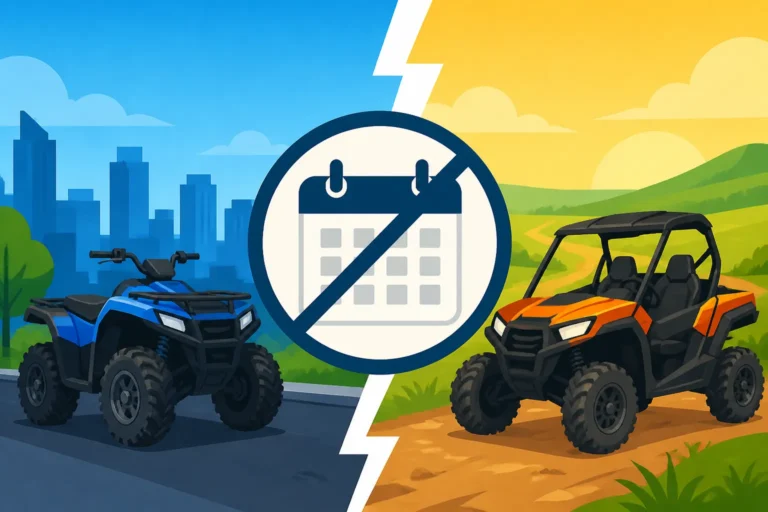
Let's be real, the initial stance in Kansas law regarding UTVs on public roads can feel like a brick wall. Most states, including Kansas, start from a position where off-highway vehicles (OHVs) like ATVs and UTVs are simply not allowed on state highways, interstates, or within city limits by default. This blanket prohibition often leaves riders scratching their heads, wondering why their capable machines are relegated strictly to trails or private land when they could be so useful for local transportation.
Why State Law Says No
The core reason for this default "no" often comes down to vehicle classifications and safety concerns. State statutes typically define what constitutes a "street-legal" vehicle, and traditional UTVs, with their specific design for off-road performance, don't usually fit neatly into those categories. They might lack certain safety features mandated for road-going vehicles, like specific lighting, turn signals, or passenger restraints, right out of the factory. It’s not that lawmakers are trying to spoil our fun; it’s more about a historical framework that didn't originally account for the rise of versatile machines like today's UTVs. This leads to a situation where [Kansas Bans ATVs Inside City Limits by Default], creating a hurdle for riders wanting more flexibility.
Adding to this, there's the clear distinction that [Kansas Bans ATVs on Interstates] and most state highways. This isn't just about speed; it's about the fundamental design of these roads for high-speed, multi-lane traffic, where an off-road vehicle could pose a significant safety risk to itself and others. So, even if your UTV could hit highway speeds, the law simply isn't designed to accommodate it on those types of thoroughfares.
The Frustration of Limited Access
For many UTV owners, especially those in rural communities or on the outskirts of smaller towns, this default ban creates a real inconvenience. Imagine living just a mile or two from the local hardware store or a favorite diner, but being forced to load your UTV onto a trailer and drive your truck, rather than simply hopping on your side-by-side. It negates much of the utility and convenience these machines offer, particularly for those who use them for work around their property and would appreciate extending that utility to community errands.
This frustration is compounded when you see neighboring towns or even cities in other states allowing UTVs on their streets. It makes you wonder, "Why not here?" The desire for local access isn't just about recreation; for many, it's about practical transportation, especially in areas where speeds are low and traffic is minimal. We're looking for solutions that balance safety with the undeniable usefulness of our machines.
The City's Power: How Local Ordinances Change the Rules
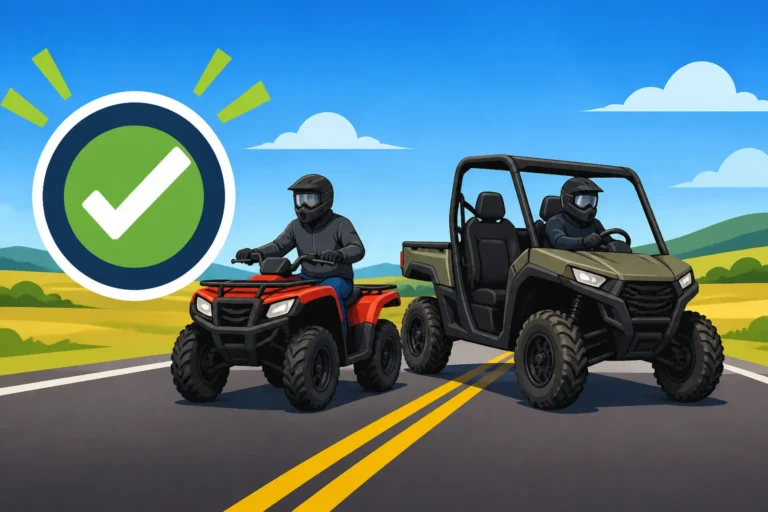
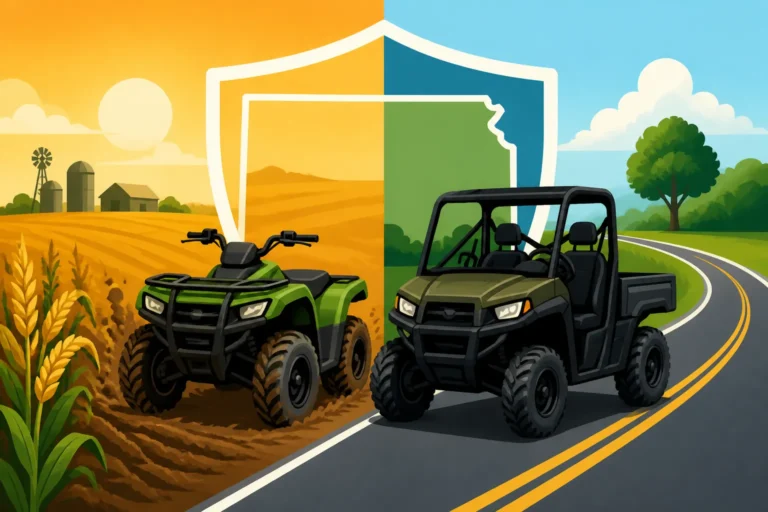
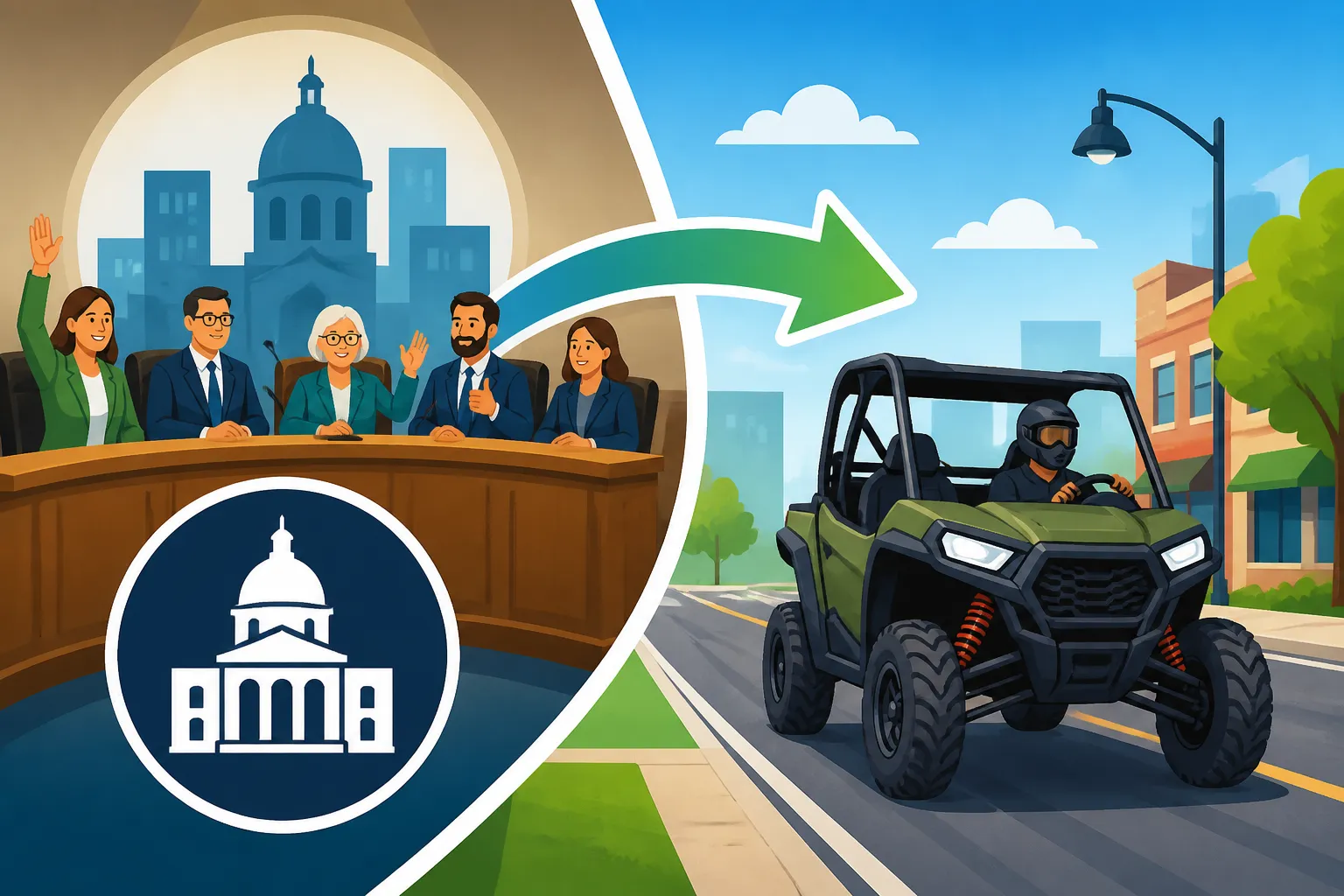
While state law sets the initial framework, the beautiful thing about Kansas's legal structure is that it allows for a lot of local control, often referred to as "home rule." This means that individual cities have the power to create their own laws and regulations, as long as they don't directly contradict state statutes. It's this very principle that empowers a city council to carve out exceptions to the general state ban and open its streets to UTVs.
Home Rule and Local Authority
Home rule is a powerful concept for communities in Kansas. Instead of every single local rule having to be approved by the state legislature, cities can generally govern themselves on matters of local concern. This is precisely how [How a City Council Opens Its Streets to UTVs] becomes a reality. A city council can analyze its unique traffic patterns, community needs, and local road conditions, and then decide if allowing UTVs on certain municipal roads makes sense for its residents. They can assess the risks and benefits, consult with local law enforcement, and then draft an ordinance that addresses those specific concerns, tailoring the rules to fit their town, rather than a one-size-fits-all state mandate.
This local control is essential because what works for a bustling metropolitan area like Wichita likely won't make sense for a small, agricultural community in western Kansas. The flexibility of home rule allows cities to be responsive to their citizens' desires and the character of their own community, rather than being stifled by broad state regulations that might not fit.
Examples of Cities That Have Opted In
Across Kansas, there are indeed trailblazing cities that have recognized the value and demand for UTV access on their municipal streets. These communities have taken the initiative to pass specific ordinances, demonstrating that it can be done safely and effectively. Places like Louisburg, Scott City, De Soto, and Andover are often cited as examples where local residents can, with proper compliance, legally operate their UTVs on designated city streets.
Each of these cities has crafted its own set of rules, often reflecting their unique circumstances. For instance, you might find that [Louisburg's 45 mph Street Limit in Kansas] applies to UTVs, alongside requirements for insurance and city-issued tags. These examples serve as a beacon of hope and a practical blueprint for other communities considering similar measures, showing that with careful planning and thoughtful regulation, UTVs can coexist safely with traditional vehicle traffic on local roads.
The Steps to Crafting a UTV Ordinance
Getting a UTV ordinance passed isn't usually an overnight process. It typically involves a series of steps, from initial discussions to public hearings and, finally, a vote by the city council. Understanding this process is key for anyone looking to advocate for UTV access in their own community. It requires patience, clear communication, and often, a bit of legwork from local enthusiasts.
Starting the Conversation with Your City
The first crucial step is simply to open a dialogue with your local city officials. This might mean reaching out to your city council representatives, attending a council meeting to voice your interest during public comment, or even scheduling a meeting with the city manager or city clerk. It's important to approach this conversation with respect and a clear explanation of why UTV access matters to you and your neighbors. Focus on the practical benefits – whether it’s for farm use, community events, quick trips to the store, or simply enjoying the local landscape responsibly.
Bringing data or examples from other Kansas cities that have successful ordinances can be incredibly helpful here. This shows that the concept isn't radical or untested, but rather a proven solution adopted by other communities. Remember, city officials are there to serve the public, and if enough residents express a clear, well-reasoned desire for something, they are often willing to listen and explore possibilities.
Researching Other City Ordinances
Before presenting a case, or even to help your city council draft their own ordinance, it's invaluable to do your homework. Look into [Kansas UTV Street Legal Rules by City] to understand what other towns have done. What are their speed limits? What equipment do they require? Are there specific streets where UTVs are permitted or prohibited? Knowing these details can help your city tailor an ordinance that fits its specific needs and avoids pitfalls experienced elsewhere.
This research isn't just about finding what works; it's also about identifying common themes and best practices. Many cities will require standard safety equipment like headlights, tail lights, brake lights, turn signals, and a horn. Some might specify a windshield or mirrors. Companies like SuperATV offer a range of aftermarket parts specifically designed to help UTVs meet these kinds of street-legal requirements, from full windshields to complete signal kits, making it easier for owners to comply once an ordinance is in place. Presenting this kind of information demonstrates that riders are serious about safety and compliance.
The Public Hearing Process
Once a potential ordinance starts to take shape, city councils will almost always hold public hearings. This is a critical phase where residents, both those in favor and those with concerns, can formally present their views. It's an opportunity for open discussion, allowing the council to hear directly from the community. If you're advocating for UTV access, this is your moment to shine: clearly articulate your points, bring testimonials from other riders, and address any potential concerns about safety, noise, or traffic with well-thought-out solutions.
On the other hand, if there are community members who oppose the idea, this is their platform too. The city council will weigh all perspectives before making a final decision. Being prepared for counter-arguments and having factual responses can make a significant difference in how the ordinance progresses. This is also where you might see law enforcement provide input on how a new ordinance might impact their operations or public safety.
The Vote and Enactment
After all the discussions, research, and public input, the proposed ordinance will eventually come before the city council for a vote. If it passes, the ordinance is then formally enacted, becoming a new local law. This is the moment when the city's streets are officially opened, under specific conditions, to UTV traffic.
It's important to remember that even after an ordinance is enacted, it may not be static. Cities can amend or refine their ordinances over time based on real-world experience, new safety data, or evolving community needs. So, staying engaged with your city council, even after a positive outcome, can be beneficial for the long-term success and adaptation of UTV access in your community.
What a City Ordinance Typically Covers (and Why)
When a city council decides to open its streets to UTVs, they don't just throw open the gates without rules. Their primary concern is public safety, so any ordinance will include specific stipulations designed to ensure that UTVs operate responsibly alongside other vehicles. These regulations often cover equipment, speed, where you can ride, and how your machine should be licensed or insured.
Speed Limits and Road Restrictions
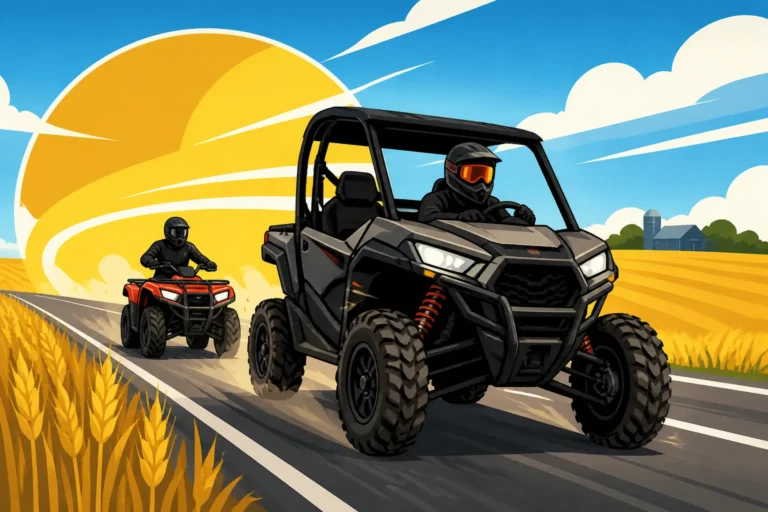
One of the most common aspects of any UTV ordinance is the establishment of clear speed limits for UTVs on city streets. These are typically lower than the posted speed limits for cars, acknowledging the design and handling characteristics of off-road machines. For example, [Louisburg's 45 mph Street Limit in Kansas] for UTVs is a specific example of this, meaning you're allowed on roads up to that speed, but not necessarily on faster ones. This helps prevent situations where UTVs might impede traffic flow or pose a risk due to significant speed differentials.
Additionally, ordinances often specify which types of roads UTVs are permitted on. You might find that UTVs are restricted to roads with speed limits of 35 mph or less, or they might be prohibited entirely from major arterial roads or state highways that run through city limits. The goal is to keep UTVs on less-trafficked, slower-speed roads where they can integrate safely.
Equipment Requirements
To ensure UTVs are visible and safe for road use, city ordinances almost always mandate certain equipment. This can vary, but generally includes functional headlights, taillights, brake lights, turn signals (front and rear), a horn, and rearview mirrors. Some ordinances may also require a windshield, a safety flag, or even specific tire types. These requirements are put in place to ensure the UTV can communicate its intentions to other drivers and be easily seen, especially during dawn, dusk, or adverse weather conditions.
Many UTV owners find that their machines don't come from the factory with all of these features. This is where the aftermarket industry comes in handy. Riders often look to companies like SuperATV for ready-made kits and individual components—from LED light bars and signal kits to full cab enclosures and street-legal mirrors—to upgrade their machines to meet the local ordinance's demands. It's about making sure your ride is as visible and communicative as any other vehicle on the road.
Licensing, Registration, and Insurance
Just like traditional vehicles, UTVs operating on city streets typically need to meet certain administrative requirements. This often includes a requirement for the operator to hold a valid driver's license. Some cities, like Louisburg, also require a special city-issued tag or permit, often for a fee, to identify the UTV as being authorized for street use. [Louisburg's UTV Tag Fees in Kansas] is a direct example of such a local registration.
Furthermore, insurance is almost always a non-negotiable. While Kansas state law does not mandate insurance for off-road use of ATVs or UTVs, cities that open their streets will almost certainly require proof of liability insurance. This is to protect all parties in the event of an accident. [Louisburg's Insurance Requirement in Kansas] highlights this common city-level mandate, ensuring that if something goes wrong, there's coverage. Before hitting the streets, you'll need to contact your insurance provider to make sure your policy covers street operation in the specific city you plan to ride in.
Age and Passenger Rules
City ordinances will also likely address who can operate a UTV on city streets and how many passengers can be carried. Typically, the driver must be of legal driving age and possess a valid driver's license, just as they would for a car. This aligns with the understanding that operating a vehicle on public roads requires a certain level of maturity, knowledge of traffic laws, and driving skill.
Passenger rules usually reflect the manufacturer's design. If your UTV is built for two people, that’s generally the limit. Overloading a UTV, especially on pavement, can negatively affect its stability and handling, increasing the risk of an accident. These rules prioritize the safety of the operator, passengers, and other motorists by ensuring UTVs are not used in a way they weren't designed for on public roads.
Here's a quick look at some common elements found in Kansas city UTV ordinances:
| Ordinance Element | Common Requirement | Why It's There |
|---|---|---|
| Speed Limits | Restricted to roads 35-45 mph or less | To match UTV performance, reduce speed differentials, ensure safety |
| Driver's License | Valid state-issued driver's license required | To ensure drivers understand traffic laws and are competent |
| Insurance | Proof of liability insurance often required | To cover damages/injuries in case of an accident |
| Headlights/Taillights | Must be fully functional, visible from specified distances | For visibility, especially at dawn, dusk, or night |
| Brake Lights | Functional, activated by brake pedal | To signal braking to vehicles behind |
| Turn Signals | Functional, front and rear, for indicating turns | To clearly communicate turns to other drivers |
| Mirrors | One or more rearview mirrors (often two side mirrors) | For driver to see traffic behind and to the sides |
| Horn | Audible horn required | For warning other drivers/pedestrians |
| City Permit/Tag | Special local registration or sticker (e.g., [Louisburg's UTV Tag Fees in Kansas]) | For local identification, revenue, and tracking compliance |
| Vehicle Width | May have restrictions on maximum width | To ensure UTVs fit safely in traffic lanes |
| Passenger Limits | Restricted to manufacturer's designated seating capacity | For stability and safety, preventing overloading |
| Time Restrictions | Some cities limit operation to daylight hours only | To enhance safety during periods of higher visibility |
Life After the Ordinance: Riding Legally and Responsibilities
Once a city has successfully enacted an ordinance, the responsibility shifts to us, the riders, to uphold the trust placed in us. It’s not enough that the law is on the books; we must actively comply with every aspect of it to maintain good standing and ensure the ordinance continues to serve the community positively. This means being meticulous about understanding and following the rules, and continuing to advocate for responsible riding.
Understanding Your Local Rules
The single most important thing you can do once your city passes an ordinance is to thoroughly read and understand every single line of it. Don't just rely on hearsay or what a friend tells you. City ordinances can be quite detailed, specifying everything from the exact streets where you can ride to the type of safety equipment required. It's vital to know the permissible speed limits, any designated crossing points, and the hours of operation. Are you allowed to ride at night? Do you need a specific color of flag? These details matter and can be the difference between a pleasant ride and an unexpected citation.
Consider keeping a copy of the ordinance, or at least a summary of its key points, in your UTV. This can be incredibly helpful if you ever have an interaction with law enforcement who might not be fully up-to-date on the very latest local rules. Being prepared and knowledgeable shows you're a responsible operator committed to following the law.
Maintaining Compliance
Compliance isn't a one-time check-off; it's an ongoing commitment. This means regularly inspecting your UTV to ensure all required equipment – such as working headlights, taillights, turn signals, and a horn – is in perfect working order. If your ordinance requires a city tag, make sure it’s always displayed correctly and renewed on time. Keep your driver's license current and your insurance policy active, with proof readily available.
Beyond the physical aspects of your machine, compliance also extends to your driving behavior. Observe all traffic laws, just as you would in a car. Use your turn signals, stop at stop signs, yield to pedestrians, and always drive sober. Remember, any reckless or irresponsible behavior by one UTV rider could jeopardize the privilege for everyone else in the community. Our actions reflect on the entire UTV riding community, so maintaining a high standard of conduct is paramount.
The Impact on Your Riding Experience
When a city opens its streets to UTVs, it can profoundly enhance your riding experience and the utility of your machine. Suddenly, those quick trips to the post office, gas station, or grocery store become convenient and enjoyable jaunts on your side-by-side. It opens up new avenues for community engagement, allowing you to participate in local parades, charity rides, or simply visit friends without the hassle of trailering your machine.
This new access can also lead to a stronger sense of community among UTV owners, as you'll encounter more opportunities to ride together and share your passion. It validates the significant investment you've made in your UTV by expanding its practical application beyond just recreational trails. Just remember, this privilege comes with the responsibility of being an ambassador for the sport, demonstrating that UTVs can be a safe and valuable addition to local traffic.
Working with Your City Council for Change
If your city doesn't currently allow UTVs on its streets, don't despair! Many existing ordinances started because concerned and passionate citizens took the initiative to engage with their local government. Advocating for change requires organization, persistence, and a clear, compelling message. It's about building a case that resonates with both your fellow citizens and your elected officials.
Gathering Community Support
You're much stronger as a group than you are alone. Start by reaching out to other UTV owners, enthusiasts, and even local business owners who might see the economic benefits of increased UTV traffic in town. Form a small committee or a local riding club dedicated to this cause. Hold informal meetings to discuss strategies, share ideas, and create a unified message. When multiple residents speak to the city council, it demonstrates broad community interest, not just a single individual's request.
Think about collecting signatures on a petition, but go beyond just names. Ask people to write brief letters or emails to the city council explaining why they want UTV access and how it would benefit them. Personal stories can be very impactful. If you can show that local businesses support the idea, perhaps seeing UTV riders as potential customers, that adds another layer of persuasion.
Presenting Your Case Effectively
When you get the opportunity to address your city council, whether in a formal presentation or during a public comment session, be prepared. Have a clear, concise message. Focus on the benefits of UTV access, such as increased local commerce, enhanced mobility for farmers or seniors, or responsible recreation. Emphasize safety measures and how UTV owners are committed to complying with any proposed regulations.
It's helpful to anticipate potential objections and have well-reasoned responses ready. If concerns about safety arise, discuss how other cities have successfully implemented ordinances with specific equipment requirements and speed limits. If noise is a concern, highlight that most modern UTVs are designed to be relatively quiet. If traffic congestion is an issue, suggest restricting UTVs to certain roads or times. Bringing in examples of successful ordinances from other Kansas towns, perhaps even inviting a city official from a compliant town to speak, can lend significant credibility to your proposal. Remember, you're not just asking for a privilege; you're offering a solution that can benefit the entire community.
Disclaimer
This article is for general informational purposes only and does not constitute professional advice. Laws, prices and regulations vary by location and change over time. Consult a qualified professional for guidance on your specific situation.