The Mapleton Rock Park Season Runs February to November
A February-to-November riding season gives Kansas riders a wide window to visit the Mapleton rock park, but the calendar alone does not tell you whether a particular weekend will work. Rain, seasonal conditions, operating days, and park rules can all affect a trip. This guide explains how to plan around the season, prepare your machine, and confirm the details before you tow.
What the February-to-November season means
A season is not a promise that every day is open
The Mapleton rock park season runs from February through November, but that should not be treated as a guarantee that the park is open every day during those months. The season gives you a general planning window; actual access can depend on the park’s operating schedule and conditions. In particular, The Rock Park at Mapleton Opens Only on Weekends is a useful reminder to check the opening days before setting out.
That distinction can save a frustrating drive. Imagine loading a side-by-side on a Friday evening, booking a campsite nearby, and discovering that you had assumed the gates were open daily. Before you commit to travel, check the park’s own current information for open days, arrival procedures, admission arrangements, and any temporary closures. If the details are unclear, contact the park rather than relying on an old post or a friend’s memory.
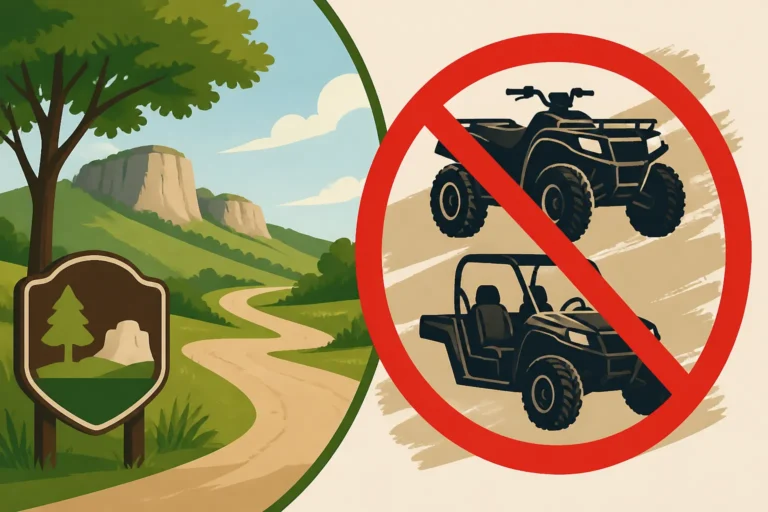
It also helps to confirm whether the park has any special requirements for your machine or group. Rules can cover permitted vehicle types, passengers, helmets, noise, speed, and where riders may travel. Don’t assume a rule from another Kansas riding area applies here; private parks can set their own conditions. Kansas Rocks Park Rules for Riders is a relevant starting point for thinking through the kinds of park-specific rules to verify.
Why a February-to-November window can suit different riders
A long season gives you more than one shot at a good trip. If early spring weather is wet, you may be able to postpone and try again later. If summer heat makes a full day uncomfortable, you might plan a shorter ride, start early if the park’s hours allow it, or choose a milder period. Fall can bring comfortable riding weather, but shorter daylight and changing conditions deserve their own planning.
The season can also help you match the visit to your experience level and your machine. A rider who wants to explore rocky terrain slowly may prefer a day when the ground and visibility feel manageable. Someone planning a group outing may need extra lead time to confirm everyone’s schedule, park access, and vehicle setup. For more context on the terrain itself, see Kansas Trails With Rock Sections.
Treat the season as a planning boundary, not a day-by-day forecast. A date within the season does not settle questions about whether the park is open, whether a route is suitable after rain, or whether your machine meets the park’s rules. Verify each of those separately.
Choosing a time and checking conditions
Make a pre-trip check before you load the trailer
A short check before departure can prevent the most common avoidable problems: arriving on a closed day, bringing a machine that does not meet the park’s requirements, or discovering that recent weather has changed the riding conditions. Start with the park’s current operating information, then confirm any admission, waiver, reservation, or check-in steps that apply to your visit.
Next, look at the forecast for the park area rather than relying only on the weather where you live. Conditions can differ across Kansas, and a dry driveway at home does not tell you whether the riding surface near Mapleton is ready for traffic. Recent rain may affect traction and access, while dry spells can bring dust and different visibility concerns. Kansas Trail Conditions Before You Tow offers a useful reminder to check conditions before committing to the drive.
Navigation is another piece of the preparation. onX Offroad can help you review routes and organize your trip, especially when you want to keep your travel plan handy. Use it as a planning aid, not as permission to ride: park rules, posted signs, and the route information provided by the park should guide where you go once you arrive. If you use onX Offroad, check that your maps are available for offline use before leaving areas with reliable cell service.
A practical pre-trip checklist looks like this:
- Confirm the park’s open days and any temporary notices.
- Check the park’s rules for vehicles, riders, passengers, and equipment.
- Review weather and recent conditions near Mapleton.
- Confirm the admission or check-in process with the park.
- Inspect your machine and trailer before leaving.
- Save useful navigation information in case cell service is limited.
Think about the season month by month
February and early spring can be appealing if you are eager to ride after winter, but cold temperatures, wet ground, or recent storms can complicate a trip. Check the park’s updates and the local forecast, and be ready to postpone if conditions are unsuitable. Riding a rocky route when the surface is slick can turn a fun day into a tiring one, especially for newer riders or anyone unfamiliar with the park.
As temperatures rise, heat becomes part of the plan. Bring enough water for your group, dress for changing conditions, and avoid assuming that a shaded trail will make an entire day comfortable. If children or less experienced riders are coming, build in breaks and be realistic about how long they will want to ride. A full day on rough ground can feel much longer than a casual ride around a familiar property.
Later in the season, cooler weather can make longer outings more pleasant, but daylight becomes a more important planning factor. Leave time for loading, unloading, check-in, and the ride back to your vehicle. Do not count on extending your trip beyond the park’s hours. The best time to visit is not simply the month with the most appealing forecast; it is the date when the park is open, conditions suit your group, and your machine is ready.
Preparing your machine and group for rocky terrain
Set up the machine for the ride you plan to do
A rocky riding area can be demanding on tires, wheels, suspension, underbody protection, and the rider’s concentration. Before you leave, check tire condition and pressure against the machine manufacturer’s recommendations and the park’s guidance. Inspect the brakes, steering, throttle, lights, and controls. Look for loose fasteners or damage that might become a bigger problem once you are away from home.
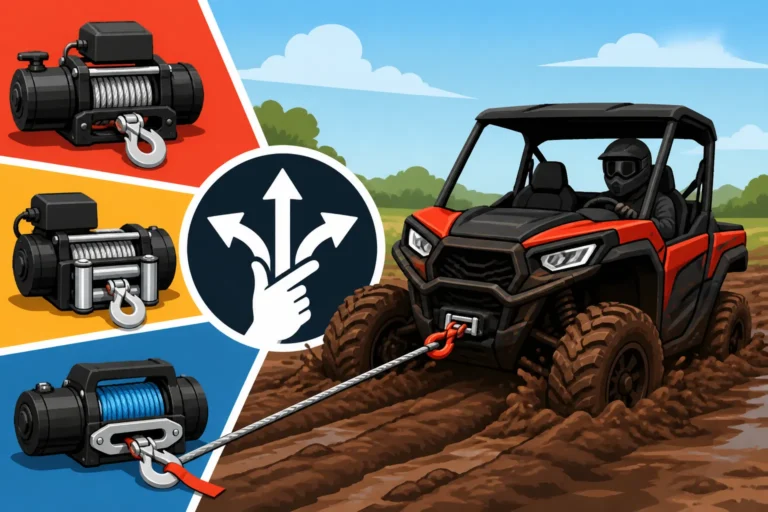
For a UTV or ATV, consider what protection and recovery equipment make sense for your machine and experience. A skid plate can help protect vulnerable areas, while a winch may be useful in some situations—but neither replaces careful line choice or knowing the park’s recovery rules. Avoid adding equipment simply because someone else uses it. Your vehicle’s design, the park’s terrain, and your riding ability should determine what you bring.
Pack a basic repair and safety kit, and make sure someone in your group knows where it is. Include items suited to your machine, such as a tire repair kit if appropriate, basic tools, drinking water, and a first-aid kit. Bring any required riding gear and check that it fits properly. If you are unsure what the park expects, ask before you arrive rather than finding out at the gate.
Match the outing to the least experienced person
A group ride works best when the plan fits everyone, not just the most confident rider. Talk beforehand about experience, machine size, passenger arrangements, and comfort with rocky terrain. A new rider may need a slower pace and more frequent stops. A passenger may need a secure seat, suitable protective gear, and a clear understanding of how to hold on and communicate.
Agree on simple group habits before starting: keep a safe following distance, stop where the group can regroup without blocking traffic, and don’t pressure someone to attempt an obstacle they are not comfortable with. If a rider needs to turn back or take a break, treat that as a normal part of the day rather than a failure. Kansas Trail Etiquette Locals Expect can help you think through courteous shared-use behavior.
Use onX Offroad or another navigation tool to help organize your route and meeting points, but make sure every rider understands that the park’s signs and instructions take priority. In rocky terrain, staying together and communicating clearly can matter more than covering a lot of ground. Choose a pace that gives riders time to look ahead, select a safe line, and respond if someone stops unexpectedly.
Planning the visit around access, costs, and logistics
Confirm what admission covers and what you need to bring
Before budgeting, check what the park’s day access includes and whether your group needs to complete any additional steps. Admission terms, pass options, and policies can change, so rely on the park’s current information rather than an old receipt or an online discussion. What a Mapleton Rock Park Day Pass Covers is a useful topic to review when you are working out what to ask.
Ask whether everyone in the group needs to check in, whether passengers are treated differently, and whether the park has requirements for children or guests who are not riding. Clarify whether a waiver must be completed and whether payment or reservations need to be handled in advance. These details are especially important for a group because one person’s misunderstanding can slow down everyone at arrival.
Also plan for the expenses that are separate from park access. Fuel, food, machine maintenance, protective gear, and towing costs can add up over a full outing. If your trip includes an overnight stay, confirm lodging and campsite arrangements separately. The park’s season tells you when visits may be possible; it does not automatically answer questions about nearby services or overnight access.
Use this comparison to decide when to go
| Planning factor | What to check | Why it matters |
|---|---|---|
| Operating days | Confirm the park’s current schedule before leaving | The February-to-November season does not mean daily access |
| Weather and recent rain | Check the forecast and park notices | Conditions can affect comfort, traction, and access |
| Machine requirements | Review the park’s rules for vehicle types and equipment | A machine allowed elsewhere may not meet this park’s rules |
| Group experience | Discuss pace, passengers, and comfort with rocky terrain | A plan that suits the least experienced rider helps the group stay safe |
| Admission and check-in | Confirm current payment, waiver, and arrival procedures | Prevents delays and budget surprises |
| Navigation | Prepare routes and save useful information in advance | Cell service may not be dependable throughout a trip |
When you plan the visit as a complete outing—not merely a date on the calendar—you are less likely to spend the day solving preventable problems. Check the opening schedule, make sure the machine is suitable, and keep the group’s experience in mind. For riders comparing several possible outings, Kansas Riding Areas With Wash Stations may also help you identify practical questions to ask when choosing a destination.
The most reliable approach is to verify details close to your planned visit, especially if weather has changed or you are traveling a long way. Keep the park’s contact information accessible, share the plan with your group, and leave room to reschedule if the conditions or operating information do not line up. That flexibility is part of good trip planning, not a sign that the outing has gone wrong.
Disclaimer
This article is for general informational purposes only and does not constitute professional advice. Laws, prices and regulations vary by location and change over time. Consult a qualified professional for guidance on your specific situation.