The Helmet Statute Written for Motorcycles, Not Quads
Navigating the world of off-road vehicle regulations in Kansas can feel like trying to find your way through a cornfield blindfolded. One of the biggest areas of confusion, and frankly, a source of a lot of head-scratching for new and experienced riders alike, revolves around helmets. You've heard the chatter, seen riders without them, and then seen others geared up like they're hitting the track. This guide is here to clear the air, diving deep into Kansas law to explain exactly when and where a helmet is required for your ATV or UTV, and why common assumptions often miss the mark.
Unraveling Kansas's Helmet Laws: A Tale of Two Machines
It's natural to assume that if you're riding something motorized, especially something fast and powerful like an ATV or UTV, you'd need a helmet. After all, safety is paramount. But Kansas law, in its wisdom, draws some pretty distinct lines that might surprise you, particularly when comparing off-road machines to their on-road cousins. The key to understanding this often-misunderstood area lies in how the state defines different types of vehicles.
The Motorcycle Statute: What It Says and Who It Covers
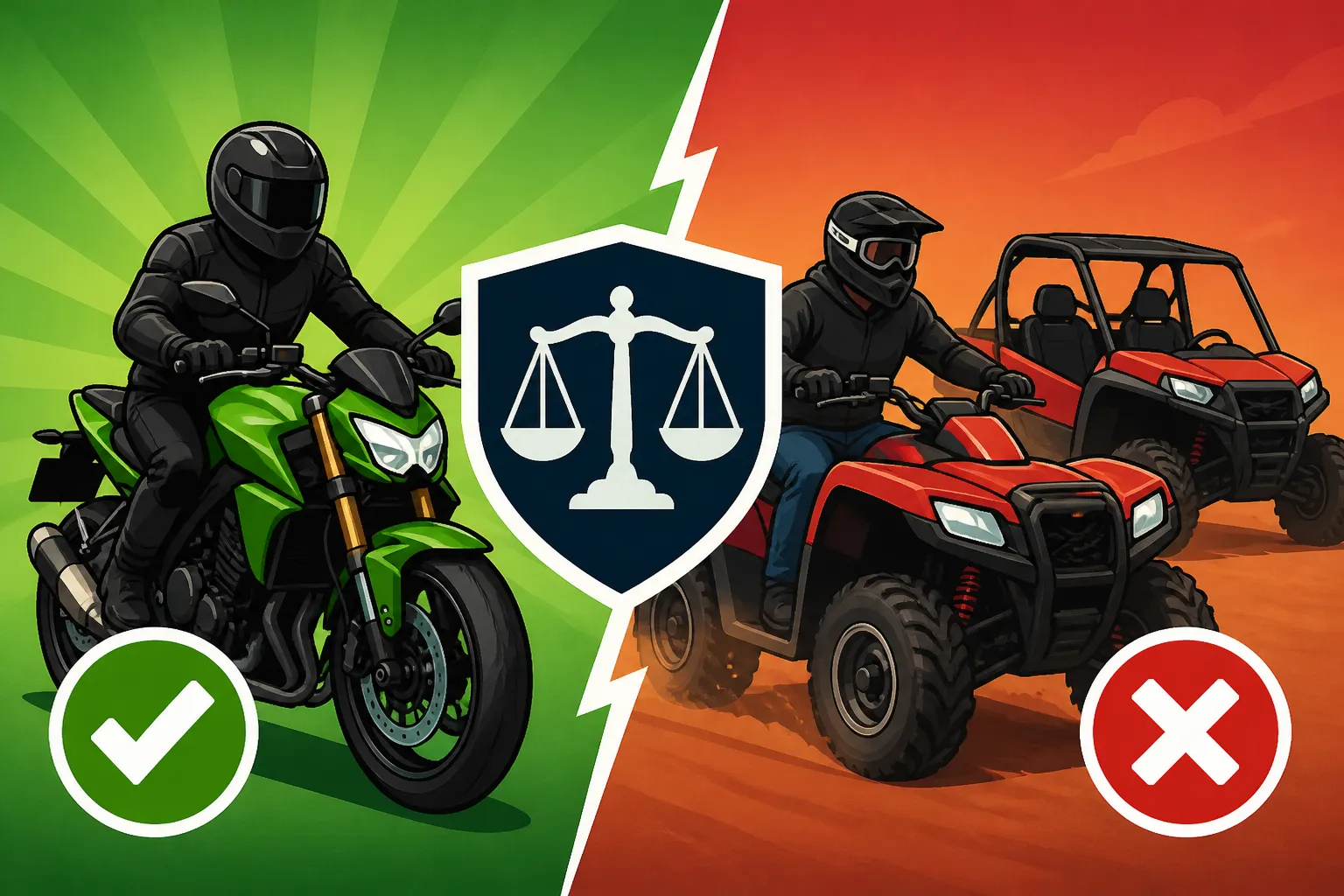
When it comes to helmet requirements, Kansas law is quite specific, and it primarily focuses on motorcycles. The statute states that anyone operating or riding as a passenger on a motorcycle must wear a helmet. This isn't some vague suggestion; it's a direct mandate. The law defines a motorcycle as a vehicle with motive power, having a seat or saddle for the use of the rider, and designed to travel on not more than three wheels in contact with the ground. Think about the sleek, two-wheeled bikes you see cruising down the highway – that's precisely the image the law is addressing.
The intent behind these motorcycle helmet laws is pretty clear: to protect riders at higher speeds on paved roads and highways where the risk of severe head injury in an accident is incredibly high. Motorcyclists are more exposed than drivers in enclosed vehicles, and a helmet is a critical piece of safety equipment designed to mitigate severe trauma. Because motorcycles are designed for road use, often at high speeds, the state deemed it necessary to impose this universal requirement for rider protection.
Why an ATV Doesn't Fit the Motorcycle Definition in Kansas
Here's where the plot thickens for ATV owners. While an ATV certainly has motive power and a seat for the rider, it typically has four wheels. And that, my friends, is a crucial distinction in Kansas law. Because ATVs are defined as having four or more low-pressure tires, a seat designed to be straddled by the operator, and handlebars for steering, they simply don't fit the state's legal definition of a "motorcycle." You can find more details on [An ATV Defined in Chapter 8] of Kansas statutes.
This means that, by statewide law, there is no mandate for ATV riders or passengers to wear helmets when operating these machines off-road. This often comes as a shock to folks, especially if they've ridden in other states with different regulations. The consequences of this distinction are significant: a law enforcement officer cannot issue a citation for not wearing a helmet purely because you are on an ATV on private land, or in a designated off-road area. It's a key reason why you see varying levels of helmet use among riders. It's also why you'll often hear that [Kansas Has No OHV Registration], further distinguishing these vehicles from road-legal machines.
UTVs and the Motorcycle Distinction: A Similar Scenario
The situation for UTVs, or side-by-sides, is quite similar to ATVs when it comes to the motorcycle helmet statute. Most UTVs have four or more wheels, bench or bucket seating (not a straddle-style seat), and a steering wheel instead of handlebars. These characteristics fundamentally differentiate them from motorcycles in the eyes of Kansas law. Even the specialized category of Work-Site Utility Vehicles, or WSUVs, which have their own specific definitions regarding [48 Inches and 800 Pounds] and [What Makes a Side-by-Side a Work-Site Utility Vehicle], are still distinct from motorcycles.
Because UTVs do not meet the legal definition of a motorcycle, the statewide helmet law that applies to motorcycles does not apply to UTVs when they are being used off-road. This holds true for most common scenarios, whether you're working on a ranch, navigating hunting property, or hitting a designated off-road park. So, if you're wondering about [Kansas WSUV Title Requirements], rest assured that they don't involve a helmet mandate unless a very specific local ordinance dictates otherwise, which we'll discuss a bit later. The broader implication is that, from a strictly legal, statewide perspective, adult UTV riders are not compelled to wear helmets in the same way motorcyclists are.
Beyond the Law: When Wearing a Helmet Just Makes Sense (Even if Not Required)
While the letter of the law in Kansas might give you the option to go helmet-free on your ATV or UTV in many situations, common sense and a deep appreciation for your grey matter should always guide your decisions. The absence of a statewide mandate doesn't magically make off-road riding risk-free. In fact, many experienced riders, even those who know the law inside and out, choose to wear helmets every single time they throw a leg over a quad or buckle into a side-by-side.
Assessing the Risks of Off-Road Riding in Kansas
Let's be realistic: off-road riding comes with inherent risks, no matter how careful you are. You're dealing with varied terrain, unpredictable obstacles, and the sheer power of your machine. Common scenarios leading to injuries on ATVs and UTVs include rollovers, especially on uneven ground or during sharp turns, collisions with trees, rocks, or other natural features, and falls from the machine, particularly on ATVs where you're actively shifting your weight.
Kansas offers a diverse range of riding environments, from the rocky trails and creek beds at places like Kansas Rocks Recreation Park to the shifting sands of the Syracuse Sand Dunes Park, and the open fields and pastures found throughout the state. Each of these terrains presents its own set of challenges and potential hazards. A seemingly innocent patch of grass can hide a gopher hole, a dusty trail can conceal a sudden drop-off, and a slight miscalculation on a rocky climb can send your machine, and you, tumbling. The unpredictability of these environments is precisely why a helmet can be a literal lifesaver, protecting you from impacts that could have devastating consequences.
Choosing a Helmet When No Law Requires One
Given the risks, making the choice to wear a helmet is a smart one, even if Kansas law doesn't specifically require it for your machine. But with so many options out there, how do you pick the right one? First, always look for helmets that are certified by reputable organizations like the Department of Transportation (DOT) or the Snell Memorial Foundation. These certifications mean the helmet has met rigorous safety standards.
There are several types of helmets suitable for off-road riding. Full-face helmets offer the most comprehensive protection, covering your entire head, face, and chin. Dirt bike specific helmets are a great choice, often lighter, with excellent ventilation and a peak to deflect roost and sun. Modular helmets offer flexibility, with a flip-up chin bar, but may not be as robust as a full-face in a hard impact. When choosing, consider ventilation, as riding can be strenuous, and a good airflow can prevent overheating. The fit is absolutely critical – a helmet should be snug but not uncomfortably tight, and it shouldn't move around on your head when you shake it. Think about the weight, too; lighter helmets can reduce neck fatigue on longer rides. For riders looking for additional gear or sturdy accessories that might complement their safety setup, many turn to brands known for off-road utility. For example, SuperATV offers a range of durable parts and accessories that can enhance a machine's safety and capability, even if they don't sell helmets directly.
Eye Protection: An Unsung Hero for Kansas Riders
While we're on the topic of helmets, let's talk about eye protection. This is an absolutely crucial piece of gear that is often overlooked, or worse, skipped entirely. Whether you're wearing an open-face helmet or just a baseball cap, goggles or a face shield are paramount. Out on the trail, you're constantly exposed to dust, small rocks, sand, insects, and low-hanging branches. Any of these can strike your eyes, causing immediate pain, temporary blindness, or even permanent damage. Imagine hitting a patch of deep dust at speed and suddenly being unable to see a thing – that's a recipe for disaster.
Even if your helmet comes with an integrated face shield, consider dedicated off-road goggles. They often provide better sealing against dust and are specifically designed to handle the impact of flying debris. They can also prevent your eyes from watering in the wind, maintaining clear vision. You're out there to enjoy the ride, not to collect grit in your eyeballs. Protecting your vision is just as important as protecting your skull, especially when navigating unfamiliar terrain or riding in a group where others might kick up debris.
Local Ordinances and Other Safety Considerations for Kansas Riders
The landscape of off-road vehicle laws in Kansas is not just a matter of statewide statutes; it's also heavily influenced by local rules. What might be permissible in one county or rural township could be entirely different just a few miles down the road in an incorporated city. This patchwork of regulations adds another layer of complexity to the helmet question, especially for those considering street-legal modifications for their UTVs.
City-Specific Helmet Rules for Street-Legal UTVs
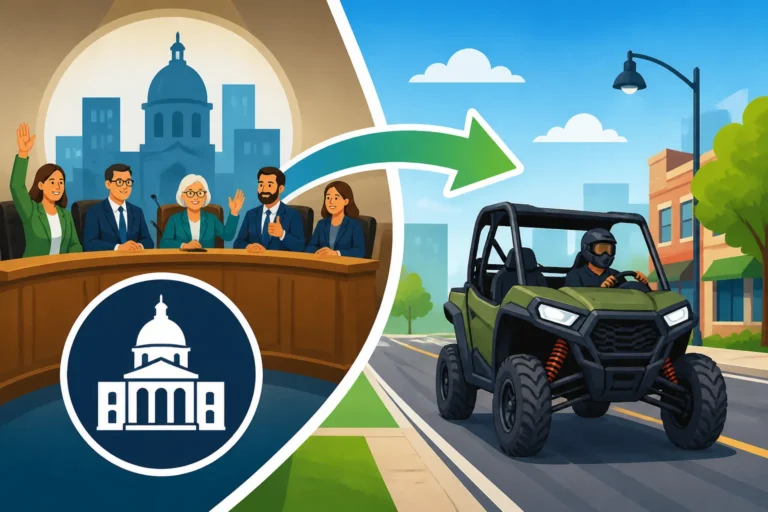
Kansas law, by default, prohibits ATVs and UTVs from being driven on public roads and highways. However, the state allows individual cities and counties to pass their own ordinances to permit the use of UTVs on certain public streets. This is where things can get tricky. When a city decides to [Kansas Cities That Authorize ATV Street Use], they often impose a whole host of requirements, and sometimes, a helmet mandate is part of that package. For instance, a town might require a city tag, proof of insurance, and also stipulate that all operators and passengers must wear helmets while on city streets, even if the state's motorcycle law doesn't apply.
It's absolutely vital to check the specific ordinances of any city where you plan to ride your UTV on public roads. What applies in Andover might not apply in De Soto, and what works in Louisburg (which has its own [Louisburg's Insurance Requirement in Kansas] and [Louisburg's 45 mph Street Limit in Kansas]) could be different from Scott City. Before you embark on any street-legal adventure, a quick call to the city clerk's office or a visit to their website to review their UTV ordinance is time well spent. Otherwise, you might find yourself facing a ticket for non-compliance, even if you thought you were following the law.
Age and Supervision: Special Considerations for Youth Riders
While adult riders may not face a statewide helmet mandate for off-road use, the conversation shifts significantly when it comes to youth riders. Although Kansas doesn't have a specific helmet law for minor ATV or UTV operators, common sense and responsible parenting strongly dictate that children should always wear appropriate safety gear, including a properly fitted helmet, when riding. Children are less experienced, have slower reaction times, and are more prone to making mistakes. Their developing bodies and heads are also more vulnerable to injury.
Parents bear the ultimate responsibility for ensuring the safety of their young riders. This means not only providing them with the right gear but also ensuring adequate [Kansas Rules for a Teen Rider] and [Kansas Rules for a Child Passenger]. Proper supervision, riding within their skill level, and setting a good example by wearing your own helmet can instill lifelong safety habits. Many private off-road parks also have their own rules regarding minimum ages and helmet requirements for all riders, especially minors, so always check before you go.
Comprehensive Safety Beyond Just Helmets
While helmets are a critical component of rider safety, they're just one piece of a larger puzzle. A truly safe riding experience involves a holistic approach to protection and responsible operation. Consider investing in other essential gear, such as gloves to protect your hands and improve grip, sturdy over-the-ankle boots to support your ankles and protect your feet, and long-sleeved shirts and pants to guard against scrapes, branches, and sun exposure. SuperATV also provides protective accessories like sturdy windshields and robust roll cages for UTVs, which, while not helmets themselves, contribute significantly to overall occupant safety.
Beyond personal gear, machine maintenance is paramount. Regularly check your brakes, tire pressure, and steering components. Ensure your machine is in top working order before every ride. Crucially, ride within your skill level and be aware of your machine's limits. Don't push it beyond what you or the vehicle can handle. If you're riding with a group, establish clear communication signals and ensure everyone understands the route and potential hazards. These comprehensive safety measures, from the proper [Choosing a Helmet When No Law Requires One] to diligent machine checks, are what truly minimize risk and allow you to enjoy the vast and beautiful Kansas outdoors responsibly.
Common Misconceptions and Clarifications
The topic of off-road vehicle laws in Kansas is rife with misconceptions, particularly regarding helmets. Many riders arrive with assumptions based on laws in other states, or they conflate different types of vehicles under a single legal umbrella. Clearing up these misunderstandings is key to riding confidently and legally in the Sunflower State.
The Myth of a Blanket Off-Road Helmet Law
One of the most persistent myths is that there's a blanket statewide law requiring helmets for all off-road machines like ATVs and UTVs. As we've thoroughly discussed, this simply isn't true in Kansas. The statewide statute specifically targets motorcycles, and because ATVs and UTVs do not fit the legal definition of a motorcycle, they are generally exempt from this mandate for off-road use. The confusion often stems from comparing Kansas to neighboring states that might have different universal helmet laws for off-highway vehicles, or from a general assumption that any motorized vehicle warrants a helmet by law.
It's important to remember that while this specific law doesn't apply, it does not mean there are no rules. For example, [Kansas Has No Annual Tag Fee] for ATVs because they aren't road-registered, but they do require a title. The distinction is crucial, and understanding why a specific law applies to one type of vehicle but not another is key to navigating the legal landscape. So, when someone tells you Kansas requires a helmet for your quad, you can confidently explain the nuance of the state's motorcycle definition.
Insurance Implications and Helmet Use
Another common question revolves around insurance: Does wearing a helmet affect an insurance claim after an accident? This is a bit more nuanced. While not legally required by state law for off-road ATVs and UTVs, wearing a helmet can certainly be viewed favorably by an insurance provider in the event of a claim involving a head injury. It demonstrates a commitment to personal safety and responsible riding.
While your insurance policy won't likely deny a claim solely because you weren't wearing a helmet when the law didn't require it, the severity of your injuries could be a factor in medical payouts or liability discussions. If you're involved in a serious accident and weren't wearing a helmet, and your injuries are more severe as a result, it could potentially complicate aspects of a claim, though this varies greatly by policy and specific circumstances. It's always a good idea to understand [Do You Need ATV Insurance in Kansas?] and how your policy operates, as some insurers might offer discounts for riders who complete safety courses or utilize certain safety equipment, even if not mandated by law.
Advocates for Safer Riding: Why Organizations Promote Helmets
It's worth noting that even in the absence of a statewide helmet law for off-road machines, many reputable organizations and advocacy groups strongly promote helmet use for all ATV and UTV riders, regardless of age or experience. Organizations like the ATV Safety Institute (ASI) and the Specialty Vehicle Institute of America (SVIA) consistently highlight helmets as one of the most effective pieces of personal protective equipment for preventing head injuries.
Their focus is squarely on injury prevention and fostering responsible riding habits. These groups understand the dynamics of off-road accidents and the devastating impact head injuries can have. They aren't trying to enforce a law that doesn't exist; rather, they're providing valuable education and encouraging riders to make smart, safety-conscious choices. Embracing their recommendations, such as wearing a helmet every time you ride, is a testament to your own commitment to safety and the well-being of those you ride with. It's about personal responsibility and minimizing risk, even when the law isn't holding your hand.
| Machine Type | Kansas Statewide Helmet Law | Typical Riding Environment | Common Safety Recommendation |
|---|---|---|---|
| Motorcycle | Required | Public Roads/Highways | Always Wear a Helmet |
| ATV (All-Terrain Vehicle) | Not Required (Off-Road) | Off-Road Trails, Private Land | Highly Recommended |
| UTV (Utility Task Vehicle) | Not Required (Off-Road) | Off-Road Trails, Private Land | Highly Recommended |
| Work-Site Utility Vehicle | Not Required (Off-Road) | Job Sites, Private Land | Highly Recommended |
| Street-Legal UTV (City Ordinance) | Varies by City Ordinance | Approved City Streets | Check Local Ordinance, Highly Recommended |
Disclaimer
This article is for general informational purposes only and does not constitute professional advice. Laws, prices and regulations vary by location and change over time. Consult a qualified professional for guidance on your specific situation.