Kansas City Tag Fees for a UTV
Navigating the ins and outs of getting your UTV street-legal in Kansas can feel like trying to solve a Rubik's Cube blindfolded. One of the trickiest parts, especially when you're hoping to ride on city streets, is understanding the local tag fees that some municipalities impose. This guide is here to shed some light on why these fees exist, what factors influence them, and how you can prepare your budget to enjoy your UTV on approved city roads.
Understanding Why Cities Have UTV Tag Fees in the First Place
When you first hear about a "city tag fee" for your UTV, it's easy to get confused, especially since the state of Kansas doesn't require annual registration for off-road machines in the traditional sense. This isn't like tagging your car or truck; it's a completely different animal, born from local ordinances, not state mandates.
The State Law and Local Control
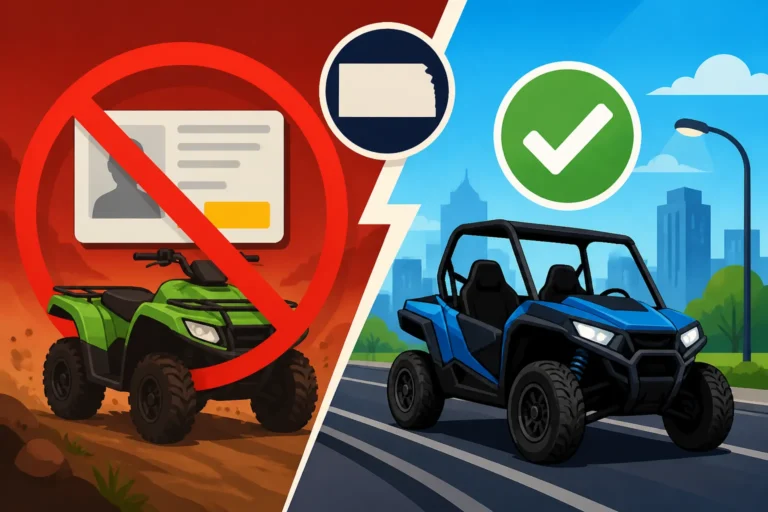
Kansas state law generally prohibits UTVs, ATVs, and other non-highway vehicles from operating on public roads. This blanket ban is the starting point for all the complexities we face as riders. However, there's a crucial exception: cities and counties have the authority to create their own ordinances to allow UTVs on their specific public roads. This is where the local control comes in, and it's why what's legal in one town might get you a ticket just a few miles down the road. You really need to dive into [Kansas UTV Street Legal Rules by City] to see what's what.
When a city decides to "opt-in" and allow UTVs, they're taking on additional responsibilities. They need to manage traffic, ensure public safety, and enforce their specific rules. These city tag fees often help to offset those administrative costs. Think about it: city staff have to process applications, conduct inspections, issue permits, and communicate these regulations to the public. It's not a small undertaking, and the fees contribute to making that system work. Without these local regulations, our UTVs would be strictly confined to private land or designated off-road areas, which isn't always practical for errands or quick trips across town.
What a City Tag Represents (It's Not State Registration)
It's vital to grasp that a city UTV tag is a local operating permit, not a statewide vehicle registration. Your off-road machine will likely have a nonhighway title from the state, but that title explicitly states it's for a nonhighway vehicle and doesn't come with a license plate or tag from the state. That's why you'll often hear that [Why a Kansas Nonhighway Title Never Comes With a Tag]. The city tag, on the other hand, is a specific permission slip from that city to use its streets. It's usually a small plate or sticker that you'll mount on your UTV, proving you've met the local requirements.
The fee you pay for this tag typically covers a few things. First, there's the administrative cost of issuing the tag itself, including any paperwork and data entry. Second, it often helps fund the inspection process, where city officials check to make sure your UTV has all the necessary safety equipment like headlights, taillights, turn signals, mirrors, and sometimes even a horn. Finally, a portion of the fee can go towards general enforcement efforts, ensuring that those who are riding on city streets are doing so legally and safely. It's a way for the city to acknowledge the privilege of street use while also ensuring some level of accountability and safety within its boundaries.
Deciphering the Cost: What Factors Influence City Tag Fees
Once you understand why cities charge these fees, the next logical step is to figure out how much they charge. This isn't always straightforward because, as we've discussed, each city is an independent entity when it comes to UTV ordinances. There's no flat rate across the entire state of Kansas, which can be frustrating when you're just trying to plan your budget.
The Initial Application Fee vs. Renewal Costs
Many Kansas cities, when they first implement UTV ordinances, structure their fees with a higher initial application cost and then a lower annual renewal fee. This makes sense from an administrative perspective. The initial application often involves more work for city staff, including the first-time inspection of your machine to ensure it meets all the safety requirements. For example, a city like Louisburg in Kansas sets its initial UTV tag fee at a specific rate for the first year, which includes the processing and initial inspection. You can learn more about this specific example in [Louisburg Charges $100 for a UTV Tag's First Year]. This higher upfront cost covers the setup, getting you into the system, and ensuring your UTV is road-ready according to their standards.
After that first year, if your UTV continues to meet all the requirements, the renewal process is generally simpler and thus carries a reduced fee. This annual fee helps cover the ongoing administrative costs of maintaining the program, sending out renewal notices, and basic record-keeping. It's a way to keep the cost manageable for riders while still ensuring the city can sustain its UTV program. You might find that [Renewing a Louisburg UTV Tag Costs $50], which illustrates this common structure. Sometimes, if you lose your city plate, there might even be a specific fee for a replacement, often higher than a standard renewal, reflecting the cost of reissuing the physical plate and updating records.
Variations in Fees by City and Ordinance
The biggest factor influencing UTV tag fees is simply which city you live in or plan to ride in. There's no statewide fee schedule; each city council decides what its local UTV tag will cost. This means you could live in one town with a minimal fee and visit a neighboring community that charges significantly more, or vice-versa. It's part of the challenge of having such hyper-local regulations. This is why when people search for [Kansas City Tag Fees for a UTV], they often find a patchwork of different numbers and requirements.
Some cities might have a flat fee for all UTVs, while others might differentiate based on the type of machine (though this is less common for UTVs specifically, it's worth noting). For example, a town might consider its population density, the amount of additional enforcement they anticipate, or simply compare their rates to nearby communities. There could also be varying effective dates for these ordinances, so a fee that was accurate last year might have changed this year. It's absolutely crucial not to rely on anecdotal information from a buddy who lives in another town; what they pay might not be what you pay. Always check with the specific city clerk's office.
Other Potential Costs Beyond the Tag Fee
While the city tag fee itself is a direct cost, it's important to remember that it's often not the only expense you'll incur to get your UTV street-legal in a Kansas city. Most cities that allow UTVs on their roads will have specific insurance requirements. This is a crucial safety measure to protect everyone on the road. For instance, [Louisburg's Insurance Requirement in Kansas] is a common example, where you must provide proof of liability insurance coverage. This means you'll need to factor in the cost of adding your UTV to an existing policy or obtaining a new standalone policy. This is definitely one of those [Kansas City Insurance Requirements] that can add up.
Beyond insurance, you might also face costs for bringing your UTV up to the city's safety standards. While your UTV might be perfectly fine for off-road use, city ordinances often require specific equipment that might not come standard from the factory. This could include things like a horn, rearview mirrors, side mirrors, specific lighting for nighttime operation, turn signals, and sometimes even a windshield. If your UTV doesn't have these, you'll need to purchase and install them. This is where aftermarket parts companies like SuperATV become incredibly valuable, offering a wide range of accessories and kits to help riders meet these specific city requirements without hassle. Failing to have this equipment could lead to your UTV failing inspection, meaning you can't get that coveted city tag.
Practical Steps to Budgeting for Your City UTV Tag
Alright, so we've established that city UTV tag fees exist, they vary, and there are other related costs. Now, let's talk about how to tackle this practically so you're not caught off guard. Budgeting effectively means doing your homework and anticipating all the potential expenses.
Researching Your Specific City's Ordinance and Fees
The single most important step you can take is to directly contact the city clerk's office or the municipal department responsible for issuing UTV permits in the specific Kansas city where you plan to ride. Do not guess, do not assume, and do not rely on information from forums or social media unless it's directly sourced from the city. Many cities will have their UTV ordinances and associated fees posted on their official websites. This is your go-to resource. For a comprehensive overview, you might want to check out resources like [Kansas Ordinance Lookups Before You Ride].
When you call or visit, ask specific questions:
- What is the current initial UTV tag fee?
- What is the annual renewal fee?
- Are there any other associated fees, like an inspection fee?
- What documents do I need to bring (proof of ownership, insurance, driver's license)?
- What are the safety equipment requirements for UTVs on city streets?
Getting these details directly from the source will give you the most accurate figures and prevent any surprises down the line. Remember, these things can change, so always verify the most current information.
Accounting for Inspections and Required Equipment
Most Kansas cities that allow UTVs on public roads will require some form of inspection before issuing a tag. This inspection is crucial because it ensures your UTV is safe for street use, protecting both you and other motorists. It's common practice for [Police Inspect a UTV Before a City Tag Issues] to verify that your machine meets all local safety requirements. The cost of this inspection might be rolled into the initial tag fee, or it could be a separate charge. Either way, you need to budget for it.
More importantly, you need to budget for any equipment upgrades your UTV might need to pass this inspection. Does your UTV have proper headlights, taillights, brake lights, and turn signals? Do you have a working horn? Are your mirrors adequate for street visibility? If you plan to ride after sunset, you'll definitely need to ensure [Lights Your Quad Needs to Ride After Sunset] are up to par with state and local regulations, which often align with motorcycle lighting standards. Some cities might even require a [Kansas Slow-Moving Emblem Rules] for certain types of UTVs or specific road types. This is where companies like SuperATV shine, providing high-quality aftermarket parts that are often designed to meet or exceed these requirements. Taking the time to assess your UTV's current setup against the city's ordinance will help you create an accurate budget for these necessary modifications, preventing last-minute rushes or failed inspections.
Considering the Annual Renewal and Long-Term Costs
It's easy to focus solely on the initial cost, but remember that a city UTV tag is typically an annual expense. While renewal fees are often lower than the initial application, they are still a recurring item in your budget. Think of it like any other annual vehicle expense, even if it's not a state registration. Over several years, these renewal fees can add up, so it's good to factor them into your overall cost of UTV ownership in Kansas.
Beyond the direct fees, also consider the ongoing costs of maintaining your UTV to meet city standards. Are you periodically checking your lights, horn, and tires? Are you keeping your insurance up to date? If you're riding more on pavement, you might experience different wear and tear on your tires compared to solely off-road use. Weigh the convenience and utility of being able to ride your UTV on city streets against these annual and ongoing costs. For many riders, the ability to run quick errands, access trailheads, or simply enjoy their machine closer to home makes these fees a worthwhile investment. However, if you're not planning to use city streets frequently, or if the costs in your specific municipality are prohibitive, you might reconsider, especially when facing potential [Kansas Penalties for Illegal Road Riding] if you attempt to skirt the rules.
Here's a quick look at how city tag fees might generally break down:
| Item | Description | Estimated Cost Shape (Check City for Specifics) |
|---|---|---|
| Initial City Tag Fee | Covers application processing, first-time inspection, and plate/sticker. | Usually the highest fee, e.g., "around a hundred dollars" |
| Annual Renewal Fee | Covers ongoing administration for subsequent years. | Typically lower than initial, e.g., "half of the initial fee" |
| Replacement Plate Fee | If your city tag plate or sticker is lost or damaged. | Can be similar to the initial fee. |
| Liability Insurance | Mandatory in most cities for street-legal operation. | Varies greatly based on policy, machine, and rider |
| Safety Equipment | Mirrors, turn signals, horn, specific lighting, windshield (if needed). | Highly variable, from "a few dollars" to "hundreds of dollars" depending on what you need |
| Inspection Fees | Some cities might charge a separate fee for the physical inspection. | Can be a nominal fee or included in the tag cost |
Understanding the fees for a city UTV tag in Kansas means doing your homework, plain and simple. Each city sets its own rules, so what applies in Louisburg might be different in De Soto or Scott City. By researching your local ordinances, budgeting for the direct tag fees, accounting for any necessary equipment upgrades (and knowing that brands like SuperATV are there to help with those), and planning for annual renewals, you can ensure your UTV is street-legal and ready for safe, legal enjoyment on approved city roads. Don't let the variations discourage you; just be prepared, and you'll be riding with confidence.
Disclaimer
This article is for general informational purposes only and does not constitute professional advice. Laws, prices and regulations vary by location and change over time. Consult a qualified professional for guidance on your specific situation.