Insuring a Machine With No Tag
It’s a common scenario across the Sunflower State: you’ve got a trusty ATV or UTV, whether it’s for tearing up trails, hauling feed on the farm, or simply enjoying the vast Kansas landscape. And then it hits you – this machine doesn't have a traditional license plate or annual tag like your truck. This often leads to a natural question: how in the world do you insure something that doesn't have a tag? Many folks assume that because the state doesn't require a tag, insurance isn't necessary or even possible, but that's a risky misconception. This guide will cut through the confusion and explain exactly how to secure the right insurance for your untagged off-road machine in Kansas, protecting both your investment and your peace of mind.
The Kansas Truth About Tags and Off-Road Machines
One of the biggest sources of confusion for off-road vehicle owners in Kansas comes from the unique way the state handles these machines. Unlike cars and trucks, which require annual registration and a license plate to operate on public roads, most ATVs and UTVs fall into a different category entirely.
Why Most ATVs and UTVs in Kansas Go Untagged
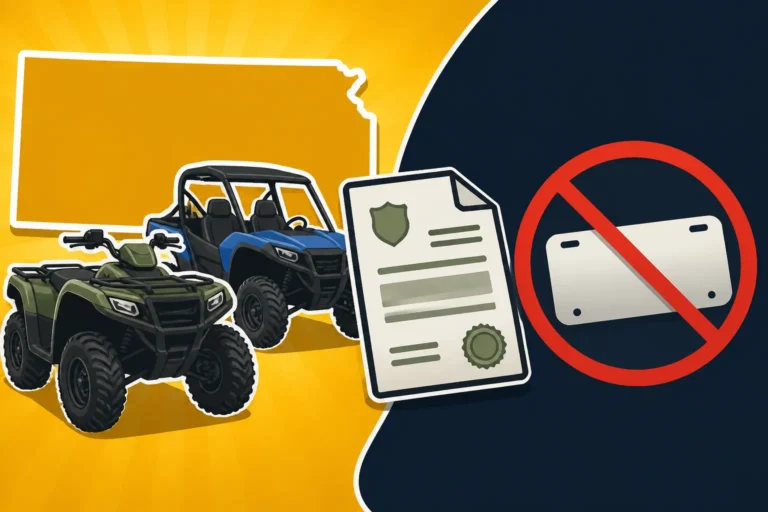
Let's start with the basics: in Kansas, the vast majority of all-terrain vehicles and utility terrain vehicles are classified as "nonhighway vehicles." This designation immediately tells you a lot about their intended use – they're not built for the highway. Because of this, [Kansas Has No OHV Registration] in the traditional sense. You won't be heading to the county treasurer's office to get an annual sticker or a metal plate for your quad or side-by-side.
This is by design, not an oversight. The law recognizes that these machines are primarily used off the pavement, on private property, designated trails, or for specific agricultural or work-site purposes. While you do apply for a [Kansas Titles ATVs as Nonhighway Vehicles], this title acts primarily as proof of ownership, much like a car title, but it absolutely does not come with a license plate. That's why you'll never see a tag on the back of a privately owned ATV or most UTVs when you're out riding. [Why a Kansas Nonhighway Title Never Comes With a Tag] explains this distinction in detail. This lack of a tag can certainly make new owners scratch their heads, wondering how an insurance company could possibly track a machine without this conventional identifier.
When a Tag Might Come into Play and What It Means for Insurance
Now, while the general rule is "no tag," there are a few very specific exceptions that can muddy the waters, especially concerning UTVs. Some cities in Kansas have passed local ordinances that allow UTVs (and sometimes golf carts or micro utility trucks) to be operated on certain city streets. When this happens, the city itself will issue a special city-specific tag or permit.
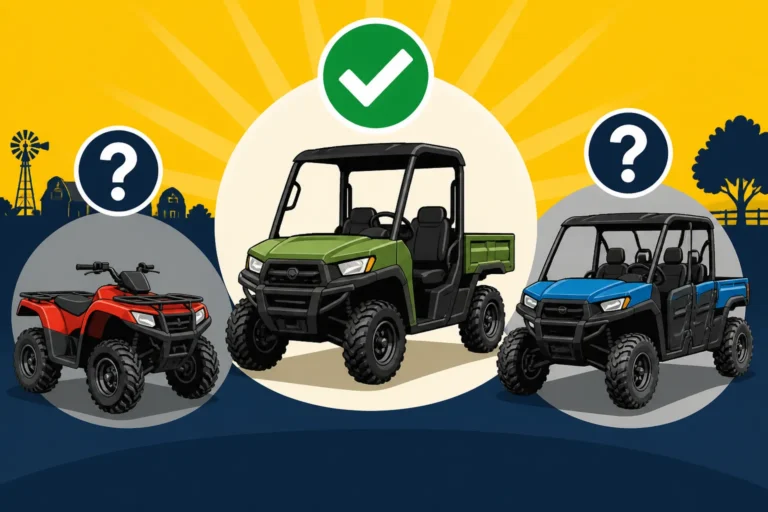
These city tags are not state tags. They are hyper-local and come with their own set of rules, including, quite often, a mandatory insurance requirement. For instance, cities like Louisburg, Scott City, or Andover might require proof of liability insurance before they'll issue you a city tag for your UTV to drive on their municipal streets. [Kansas Cities With UTV Tags] delves into how this works. It’s crucial to understand that even if your UTV could get a city tag, an ATV never will, and many UTVs are never driven on city streets, thus remaining "untagged" in every sense of the word.
The key takeaway here is that the presence or absence of a state-issued license plate or tag doesn't dictate whether your machine can be insured. Insurance companies care about the vehicle itself, its Vehicle Identification Number (VIN), and the risks associated with its use, not whether it has a shiny piece of metal on the back.
Demystifying Insurance for Your Untagged Kansas Off-Road Vehicle
The idea of insuring something without a tag can feel counter-intuitive, especially when our minds are so wired to vehicle registration. But just because the state doesn't mandate a tag for most off-road machines doesn't mean you're immune to risk. In fact, the very nature of off-road riding, with its unpredictable terrain and potential for mishaps, makes insurance even more critical.
Why Insurance Is Still a Smart Move, Even Without a Tag
It's completely normal to think, "If the state doesn't require a tag, why should I bother with insurance?" Many Kansas riders have this thought, perhaps hoping to save a few dollars. But let's be realistic: accidents happen. Whether you're navigating a rocky trail, working around the farm, or just enjoying a leisurely ride on private land, unforeseen circumstances can lead to significant financial burdens.
The biggest reason to get insurance, even for an untagged machine, is liability. Imagine this scenario: you're riding your quad on your friend's property, and through no fault of your own, you lose control and accidentally damage their fence, or worse, you collide with another rider. Without liability insurance, you are personally on the hook for those damages, which could easily run into thousands of dollars for property repair or medical bills. Even on your own property, if a guest is injured while riding your machine, your personal assets could be at risk. This is where insurance truly acts as a financial safety net.
Beyond liability, there's your investment. ATVs and UTVs aren't cheap. Replacing a stolen side-by-side or repairing a heavily damaged quad after an unexpected rollover can be a huge financial hit. Insurance protects that investment against theft, vandalism, fire, and accidental damage. It feels weird to insure something that isn't "registered" in the traditional sense, right? But the vehicle's value and the potential for costly incidents are very real, tag or no tag.
Common Types of Coverage Available
When you start looking at off-road vehicle insurance, you'll find many of the same coverage types as car insurance, tailored for your specific machine. Here are the main ones:
- Liability Coverage: This is the absolute cornerstone of any good insurance policy. It protects you financially if you're at fault in an accident that causes injury to another person or damages their property. For example, if you accidentally run into your neighbor's new shed or if another rider is injured because of something you did, your liability coverage would kick in to cover medical expenses or repair costs. This is often the most important coverage, especially given how common it is to ride on shared trails or private property with others.
- Collision Coverage: This pays for damages to your ATV or UTV if it collides with another vehicle (even another off-road machine), an object (like a tree or a rock), or if it rolls over. If you want to protect your investment from accidental damage you cause, this is essential.
- Comprehensive Coverage: This is your protection against non-collision incidents. Think theft, vandalism, fire, or damage from natural disasters like hail or floods. If your quad is stolen from your barn or catches fire, comprehensive coverage helps you repair or replace it. For many, the peace of mind knowing their valuable machine is covered against these risks is worth the premium.
- Uninsured/Underinsured Motorist Coverage: While less common for off-road vehicles that aren't street legal, some policies offer this. It protects you if you're involved in an accident with another off-road vehicle whose owner doesn't have insurance or doesn't have enough to cover your damages.
- Accessory Coverage: Many riders invest heavily in aftermarket parts like winches, custom wheels, light bars, or specialized seats. Standard policies often have limits on accessory coverage, so if you've put a lot of money into customizing your machine, you'll want to ensure these add-ons are adequately covered.
Understanding these different types of coverage helps you build a policy that truly fits your needs and protects you from the specific risks associated with off-road riding in Kansas.
How to Get Your Untagged Machine Insured in Kansas
So, you've decided that insuring your untagged ATV or UTV is the smart move – great choice! The next question is, how do you actually go about it? The process is quite straightforward, but it does require some specific information and a little bit of legwork.
Gathering Your Documentation
Even without a tag, an insurance company still needs to identify your machine and verify ownership. This is where your paperwork comes into play. The most crucial piece of information is the Vehicle Identification Number (VIN). Every manufactured ATV and UTV has a unique VIN, typically stamped on the frame. This is how the machine is identified universally, and it's what insurance companies use to track it.
You'll also need proof of ownership. This usually means your [Kansas Title Paperwork Explained] – remember, even though it's a nonhighway title, it's still legal proof you own the machine. If you bought your machine new, you might have the Manufacturer's Certificate of Origin (MCO). For a private sale, a clear, dated, and signed bill of sale is vital. It’s easy to lose track of paper when there’s no official yearly registration reminding you to keep things updated. If you need to create a professional-looking bill of sale or other legal documents to formalize an agreement, resources like LawDepot can provide templates to ensure everything is properly documented for both your records and the insurance company. This is especially helpful if you're buying from a private seller and want to make sure you have solid proof of purchase.
Where to Look for Coverage
The good news is that many insurance providers offer specific policies for off-road vehicles. You have a few options when it comes to finding the right coverage:
- Specialized Off-Road Vehicle Insurance Providers: Many national and regional insurance companies have dedicated departments or policies specifically for ATVs, UTVs, dirt bikes, and snowmobiles. These policies are designed with the unique risks of off-road riding in mind. They often understand the nuances of state laws, like Kansas's untagged vehicle status, better than a general agent might.
- Your Existing Auto or Homeowner's Insurance Provider: It's always a good idea to start by contacting the company that insures your car or home. Often, they can bundle an off-road vehicle policy, which might save you money. However, be aware that while some homeowner's policies might offer very limited liability coverage for an ATV used exclusively on your own property, they almost never cover damage to the machine itself, nor do they cover incidents that occur away from your property. Always clarify the specifics of what is covered and, more importantly, what is excluded.
- Local Independent Insurance Agents: These agents work with multiple insurance companies and can shop around on your behalf to find the best rates and coverage options. They are often knowledgeable about local regulations, like the specific requirements for [Kansas Farm Machines Used Only on a Farm] versus those used recreationally. They can explain the nuances of [Kansas ATV Insurance Costs] and how they might vary based on your usage and where you ride.
Understanding Policy Details and Cost
The cost of insuring your untagged machine can vary quite a bit depending on several factors. These include the type of machine you have (a powerful sport quad typically costs more to insure than a small youth ATV), its value, how you plan to use it (recreational vs. farm work), where it's stored, and your riding history. Your chosen deductible will also play a significant role.
It's wise to get quotes from several providers to compare coverage and premiums. Don't just look at the lowest price; make sure the policy actually provides the protection you need. Pay close attention to policy limits, deductibles, and any exclusions. For example, some policies might not cover damage from racing or highly aggressive riding, while others might.
Remember that [Kansas Insurance Driven by City Rules] means that if you do get a city tag for a UTV, you'll almost certainly face a mandatory insurance requirement, which will factor into your overall cost of ownership. But even without that city requirement, the benefits of comprehensive coverage often outweigh the annual premium.
Here's a quick look at common coverage types:
| Coverage Type | What It Covers | Why It's Important for Untagged Machines |
|---|---|---|
| Liability (Bodily Injury) | Injuries to others if you're at fault | Essential for protecting your assets in case of an accident |
| Liability (Property Damage) | Damage to other people's property if you're at fault | Covers fences, vehicles, structures damaged by your machine |
| Collision | Damage to your ATV/UTV from an accident (rollover, hitting object) | Protects your investment from accidental damage |
| Comprehensive | Damage to your ATV/UTV from non-collision events (theft, fire, vandalism) | Covers theft from your shed or damage from natural events |
| Accessory/Custom Parts | Aftermarket parts and modifications | Ensures your investment in upgrades is protected |
| Uninsured/Underinsured Motorist | Your injuries/damage if hit by another rider with no/low insurance | Adds a layer of protection against irresponsible riders |
Real-World Scenarios and Important Considerations
Getting insurance for your untagged off-road machine isn't just about checking a box; it's about being prepared for real-life situations you might encounter while riding in Kansas. Thinking through these scenarios can help you understand the true value of your policy.
Riding on Private Land vs. Public Areas
Most off-road riding in Kansas happens on private land – your own property, a friend's farm, or a leased hunting spot. While this might feel inherently safer, it doesn't eliminate the risk of accidents or legal issues. If you’re riding on someone else’s property, having a clear understanding of [Kansas Landowner Permission Rules] is crucial. Beyond just getting permission, liability insurance becomes your best friend. If an accident occurs on their property and you're deemed responsible, your liability coverage will help protect you from potential lawsuits or claims for property damage.
Similarly, if you ride at private off-road parks like Kansas Rocks Recreation Park or Syracuse Sand Dunes, they will almost certainly require you to sign a waiver. These parks often have their own specific rules, and some might even ask for proof of insurance before you enter. [Kansas Private Park Waivers and Rules] are important to review ahead of time, as they can sometimes even state that you, as the operator, are fully responsible for any damage or injury. In these situations, your own insurance is your only true protection.
When a Homeowner's Policy Might (or Might Not) Cover Your Machine
This is a common point of confusion for many off-road vehicle owners. You might assume your existing homeowner's insurance policy will cover your ATV or UTV, especially if you store it on your property. Unfortunately, this is rarely the case, or at best, the coverage is extremely limited.
While a homeowner's policy might offer some very basic liability coverage if an incident occurs exclusively on your insured property (and even then, it's often minimal), it almost never covers the machine itself for damage or theft, especially if it's used off-premises. Most homeowner's policies have explicit exclusions for motorized vehicles, particularly those designed for off-road use. If your ATV is stolen from a locked shed on your property, your homeowner's policy might cover it up to a very low limit, but it's unlikely to cover its full value. If you roll your UTV while riding a few miles down the road at a friend's place, your homeowner's policy will offer zero protection for the damage to your machine or any liability you incur. This is a significant gap in coverage for [Kansas Insuring a Machine With No Tag]. A dedicated off-road vehicle policy is designed to cover these specific risks, wherever you ride (within policy limits).
What Happens if You Have an Accident
In the unfortunate event of an accident involving your untagged machine, having the right insurance makes a world of difference. Even without a tag, you should always carry proof of insurance (either a physical card or digital copy) when you ride. [What a County Sheriff Can Ask a Rider to Show] often includes proof of ownership and sometimes proof of insurance if you're in an area where it's required (like a city with an ordinance).
If you have a collision or an incident that causes injury or significant property damage, you'll want to follow standard accident procedures:
- Ensure Safety: Check for injuries first.
- Exchange Information: Get contact and insurance information from any other parties involved.
- Document the Scene: Take photos of the damage to all vehicles and property, as well as the accident scene itself.
- Notify Authorities (if necessary): If there are injuries, significant property damage, or if it occurred on public land, contacting law enforcement is a good idea. For minor incidents on private land, a police report might not be strictly necessary, but good documentation is key for your insurance claim. [Kansas Accident Reporting for an ATV Crash] will outline when and how to report such incidents.
- Contact Your Insurance Provider: Report the accident as soon as possible. They will guide you through the claims process.
Your VIN is critical for filing a claim, as it's the unique identifier for your machine. When it comes to [Kansas Insurance After a Claim], be prepared for the process of assessment and repair or replacement. Having a policy tailored to off-road vehicles will ensure that the adjusters understand the nature of the damage and the value of your machine and accessories. Don't let the lack of a tag deter you from getting this essential protection; it could save you from serious financial hardship down the road.
Disclaimer
This article is for general informational purposes only and does not constitute professional advice. Laws, prices and regulations vary by location and change over time. Consult a qualified professional for guidance on your specific situation.