Being Seen After Dark on an Open Section Road
Riding your ATV or UTV on an open section road in Kansas after the sun dips below the horizon can feel liberating, but it also comes with a unique set of hazards. The vast, open stretches that are perfect for enjoying the cool evening air become surprisingly treacherous when you're less visible to other drivers, leading to dangerous encounters. This guide will walk you through essential strategies and equipment to ensure you're seen clearly and safely when navigating Kansas's rural roads after dark.
The Unique Challenges of Night Riding on Kansas Section Roads
Picture this: you've been working the farm all day, and now you're just trying to get your side-by-side back to the barn after sunset. Or maybe you're heading back to camp after an evening hunt, cruising down a gravel section road, feeling the breeze. It's idyllic, right? But out here, in the quiet expanses of rural Kansas, the risks of being unseen by oncoming or overtaking traffic after dark are significantly higher than you might imagine. We're not talking about city streets with streetlights and constant streams of cars. We're talking about unlit, often dusty, roads where the unexpected can and does happen.
The Unexpected Encounter with Larger Vehicles
One of the most profound challenges you'll face is encountering larger vehicles. Think about those massive combines or farm trucks hauling grain during harvest season. They're often moving fast, especially on straightaways, and their drivers might not expect a smaller, slower-moving ATV or UTV to be on the road, particularly one that isn't brightly lit. The size disparity alone means that if a collision occurs, your machine and you are at a severe disadvantage. These aren't always quick-reacting passenger vehicles; they often have longer stopping distances and larger blind spots. Being seen is your primary defense against becoming an unexpected obstacle in their path, especially when they might be focused on distant landmarks or their own heavy loads.
The Farm Vehicle Factor and Shared Roads
Kansas rural roads are, by their very nature, shared spaces. Farmers use them to move equipment between fields, ranchers to check fence lines, and local residents for daily commutes. Many of these vehicles, particularly older farm implements, might not have the most robust lighting systems themselves, or they might blend into the background after dark. When you're on your quad or UTV, you're often lower to the ground, and your single headlight might not register as a significant presence to an approaching driver until it's too late for them to react safely. It's not just about you seeing them; it's critically about them seeing you, clearly and unmistakably, from a distance that allows for a safe maneuver. Remember that [Kansas Agricultural Trips on a 65 mph Road] are a reality, and you need to be prepared for traffic moving at those speeds.
The Driver's Perspective and Human Factors
Put yourself in the shoes of someone driving a pickup truck after dark on a section road. Their high beams are on, cutting through the vast darkness. Suddenly, two small, dim lights appear ahead. Is it a bicycle? A distant porch light? A small animal? Human perception takes time to process and identify objects, especially at night and at speed. Without adequate lighting that makes your machine stand out as a distinct, moving vehicle, drivers have to make educated guesses, and sometimes, those guesses are wrong. Factors like driver fatigue, distraction (even in rural areas), and the sheer contrast between your lights and the overwhelming darkness of the Kansas night can delay recognition and reaction times. Your goal is to eliminate any ambiguity, making it instantly clear you are a vehicle that requires attention and space.
Essential Lighting Upgrades for Night Riding
When it comes to being seen after dark, your machine's stock lighting might just not cut it, especially on those wide-open Kansas section roads where distances are vast and ambient light is nonexistent. Investing in proper lighting upgrades isn't just about illuminating your path; it's about making sure every other vehicle on the road knows you're there. Think of it as your personal safety beacon. Your visibility, or lack thereof, can be the difference between a routine ride and a serious incident. Be sure to check [Kansas Lighting Rules After Sunset] for general guidelines.
Brighter Headlights and Tail Lights for Core Visibility
Your factory headlights and tail lights are designed to meet basic safety standards, but "basic" often isn't enough when you're out on a truly dark rural road. Upgrading to brighter LED headlights can dramatically increase how far ahead you can see, which is vital for spotting wildlife, potholes, or unexpected turns. More importantly, it projects a much stronger presence to oncoming traffic. Similarly, brighter LED tail lights don't just help vehicles behind you see you better; they also make your brake lights more prominent, giving drivers crucial extra seconds to react when you slow down or stop. Many aftermarket options exist that are direct replacements, making the upgrade relatively straightforward. When thinking about [Lights Your Quad Needs to Ride After Sunset], this is your foundation.
Auxiliary Lighting Power for Added Presence
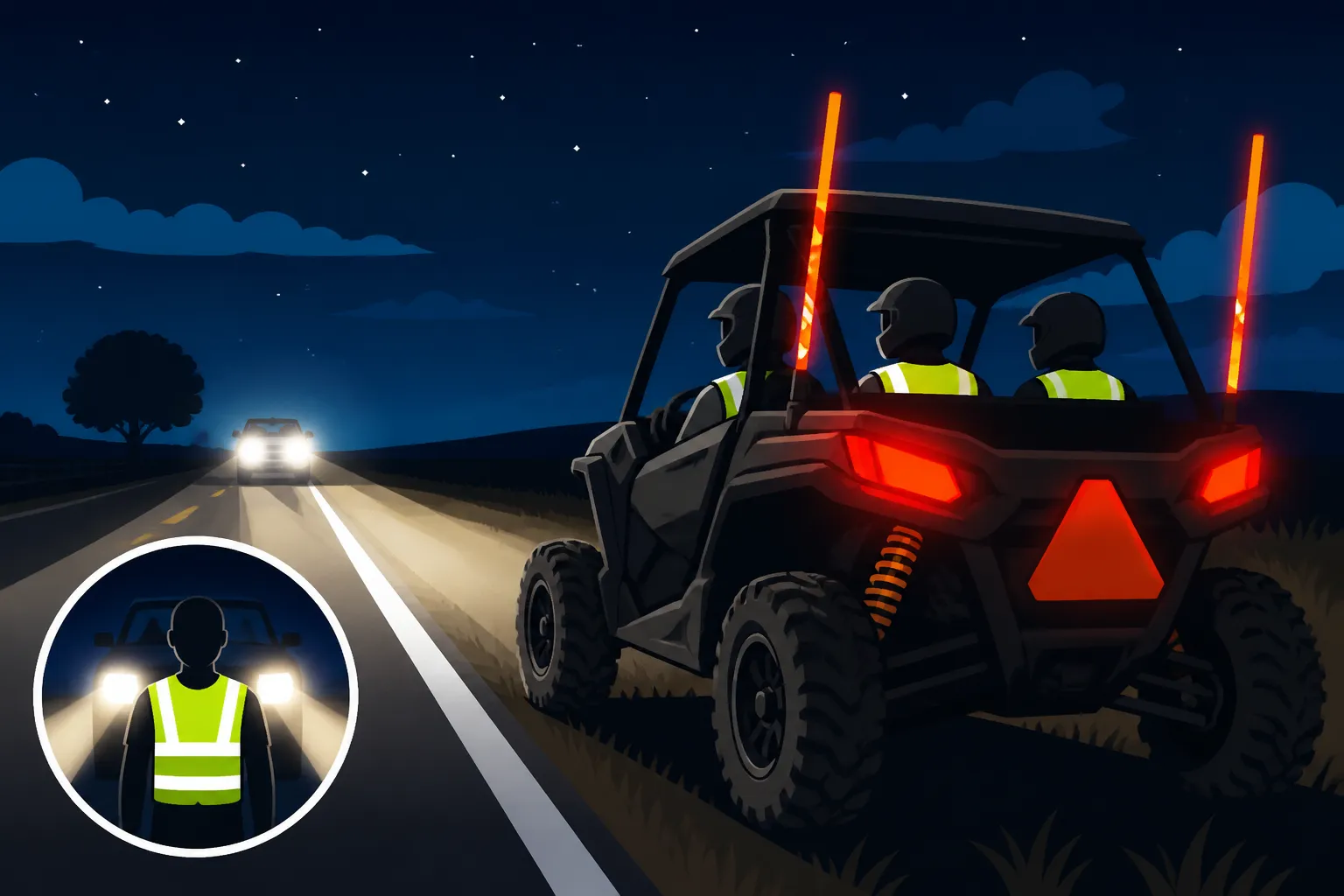
Beyond your primary lights, auxiliary lighting is where you can truly make your machine stand out. This includes everything from LED light bars to pod lights and rock lights. A powerful LED light bar mounted on the front of your UTV, for example, casts an incredibly wide and bright beam that not only illuminates a massive area for you but also acts as an unmistakable signal to anyone approaching. Pod lights, which are smaller, more focused LED lights, can be strategically placed to light up the sides of your machine, or even act as ditch lights, ensuring your presence is visible from multiple angles. When choosing auxiliary lighting, consider reputable brands. Companies like SuperATV offer a vast selection of durable and high-performance LED light bars and pod lights that can withstand the rigors of off-road use while providing superior brightness. These aren't just for seeing; they're for being seen.
Strategic Placement of Lights for Maximum Effect
It's not just about how many lights you have, but where you put them. For instance, mounting a light bar too high might create glare for you or others, while mounting it too low might get obscured by dust or terrain. Consider amber or yellow auxiliary lights in addition to white ones, especially for dusty or foggy conditions, as these colors can cut through atmospheric interference better. Running additional amber marker lights on the sides of your machine, even small ones, can significantly improve your profile visibility for vehicles approaching from perpendicular roads or when you're making a turn. Some riders also install small, colored "running lights" that are always on, providing additional visual cues. Think about mounting a separate, bright red light on the rear of your machine, perhaps a strobe or flashing light, specifically to alert trailing vehicles to your presence on a county road.
Passive Visibility Enhancements for Night Riding
While active lighting systems are critical for seeing and being seen, passive visibility enhancements are often overlooked and can provide an invaluable layer of safety, especially on those dimly lit Kansas section roads. These are elements that don't require power but dramatically increase your machine's ability to reflect light and catch the eye of other drivers. When you're thinking about how a deputy might view your setup during a rural traffic stop, these details really count.
Reflective Tape is Your Friend
Reflective tape is, quite simply, a lifesaver. It’s inexpensive, easy to apply, and incredibly effective. Think about covering the rear bumper, side panels, fenders, and even the wheel wells of your ATV or UTV with high-quality reflective tape. The kind used on commercial trucks or emergency vehicles is ideal because it's designed for maximum reflectivity. When headlights from another vehicle hit your machine, this tape will glow brightly, outlining your vehicle's shape and size, making it far more discernible than just your tail lights alone. Even if your electrical system fails, or your lights dim, the reflective tape will still work its magic. Consider using both red and white tape on the rear, similar to truck standards, and white or amber tape along the sides. A roll of reflective tape can be a small investment with a huge return on safety, especially considering the challenges of [Being Seen After Dark on an Open Section Road].
Clothing and Helmets that Pop
What you wear is just as important as how your machine is lit. Ditch the dark hunting camo or plain clothes after sunset. Instead, opt for high-visibility clothing. Bright neon greens, oranges, or yellows are fantastic, especially those with integrated reflective strips. Many riding jackets, vests, and even gloves are designed with reflective materials that catch and amplify light. Your helmet is another prime opportunity. A bright-colored helmet, perhaps with some reflective decals added, sits high on your body, making you more visible above your machine's frame. This makes your head, one of the highest points of your moving vehicle, a beacon of safety. While [Who Has to Wear a Helmet on a Kansas ATV?] might be a question for specific statutes, choosing to wear a reflective helmet is simply smart riding.
Flags and Whips with Lights
If you're already using a safety flag or whip for riding in open areas like sand dunes (where they're often mandatory), consider upgrading to one with an integrated LED light. These lighted whips are fantastic because they extend high above your machine, providing a visible point that can be seen over terrain, crops, or even over the roofs of other vehicles. They sway gently, creating a dynamic light source that’s hard to miss. These aren't just for showing off; they offer a distinct, elevated light that can make all the difference, especially when you're traversing rolling hills or approaching a blind rise where only the highest point of your machine might be visible first. Many brands, including SuperATV, offer a variety of lighted whips that are durable and easy to install, providing an excellent way to add another layer of visible presence.
Riding Practices for Enhanced Safety After Dark
Even with all the best lights and reflective gear, your riding habits play a monumental role in your safety on Kansas section roads after dark. It's about being proactive, defensive, and acutely aware of your surroundings, as well as the behavior of other drivers who might not be expecting an ATV or UTV. The state doesn't have an annual OHV registration, but that doesn't mean you can throw caution to the wind. Safety on these roads is paramount.
Mind Your Speed and Surroundings
When the sun goes down, your speed should too. Reduced visibility means reduced reaction time, both for you and for other drivers. Slowing down gives you more time to identify hazards – be it a deer darting across the road, a washboard section of gravel, or an approaching vehicle that's moving too fast. Maintain a safe following distance from any vehicles ahead, allowing ample space to react to their movements. Continuously scan the road ahead, to the sides, and behind you. Use your mirrors frequently. Listen for approaching vehicle sounds that might not yet be visible. Being attentive and not relying solely on your lights to do all the work can prevent many potential incidents. This is especially true when navigating [Kansas Rules for Riding a Section Line] or a county road where speed limits might be higher than you'd expect for an ATV.
Communication and Group Riding Protocols
If you're riding with a group after dark, establish clear communication protocols before you head out. This might involve using two-way radios, hand signals (even better if gloves have reflective accents), or simply agreeing on how to manage separation and unexpected stops. Staggered riding, where each machine is offset slightly from the one in front, can improve visibility for the entire group, as it creates a longer, more distinct "chain" of lights rather than a single cluster. Ensure that everyone in the group has adequate lighting and reflective gear. If someone's lights are dim, they should be in the middle of the pack, not leading or trailing. Always ride within the limits of your machine and your own skill level, especially when visibility is compromised.
Understanding Local Ordinances and Expectations
While Kansas has overarching state laws, individual counties and cities can have their own specific ordinances regarding ATV and UTV use on public roads, especially after dark. Some cities that have opted in to allow UTVs on streets might have specific lighting requirements beyond what the state mandates for general off-road use. For instance, some may require turn signals, a horn, or even a specific type of city-issued tag that verifies compliance. Before you embark on a night ride, especially in an unfamiliar area, it's wise to check with the local county sheriff's office or city hall about any specific rules or expectations. While [Kansas Rules for Riding After Dark] provides a good foundation, local rules can sometimes add additional layers. Being informed ensures you're not only safe but also compliant, avoiding potential fines or misunderstandings with local law enforcement. For example, a deputy asking [What a Deputy Asks at a Rural Traffic Stop] will include checking your machine's compliance.
Making Your Machine Stand Out: A Summary of Solutions
To help you visualize the various ways to enhance your visibility, here's a quick overview of key lighting and reflective strategies:
| Category | Specific Enhancement | Purpose | Pros | Cons |
|---|---|---|---|---|
| Primary Lighting | Brighter LED Headlights & Tail Lights | See further, be seen clearer from front and rear. | Significant improvement over stock, direct replacements often available. | Requires electrical system to be functional. |
| Auxiliary Lighting | LED Light Bars (e.g., SuperATV) | Massive illumination for rider, strong presence for oncoming traffic. | Very bright, wide beam, available in various sizes. | Can be power-intensive, might require additional wiring. |
| Pod Lights (e.g., SuperATV) | Targeted illumination, side visibility, ditch lights. | Versatile placement, focused light, good for specific areas. | Smaller beam spread than light bars. | |
| Passive Visibility | High-Quality Reflective Tape | Outlines vehicle shape, reflects light from other vehicles. | Inexpensive, works even if lights fail, no power needed. | Only works when light hits it, not an active light source. |
| Reflective Clothing & Helmet Decals | Makes rider visible, especially the highest point (helmet). | Enhances personal safety, complements machine lighting. | Relies on rider wearing appropriate gear. | |
| Dynamic Visibility | Lighted Whips/Flags (e.g., SuperATV) | High, dynamic light source seen over terrain, adds unique profile. | Highly visible from a distance, distinct movement catches attention. | Can be tall and may require specific mounting points. |
| Signaling | Amber Marker Lights/Turn Signals | Shows machine's width, indicates turns. | Clear communication of intent and presence from multiple angles. | May require additional wiring/switches, not standard on all ATVs. |
| Rear Strobe/Flashing Light | Grabs attention of trailing vehicles, especially when slowing/stopping. | Highly effective at alerting drivers behind you. | Can be distracting if too bright/fast, check local legality for strobes. |
By combining these proactive steps and equipping your machine with the right tools, you'll dramatically reduce the risks associated with riding after dark on Kansas's beautiful, but sometimes challenging, section roads. Stay safe out there, and remember that being seen is the first step to a successful night ride. Whether you're hauling tools to a distant pasture or just enjoying the tranquility of a Kansas evening, making yourself undeniable to other drivers ensures everyone gets home safely.
Disclaimer
This article is for general informational purposes only and does not constitute professional advice. Laws, prices and regulations vary by location and change over time. Consult a qualified professional for guidance on your specific situation.