Cattle on an Open Pasture
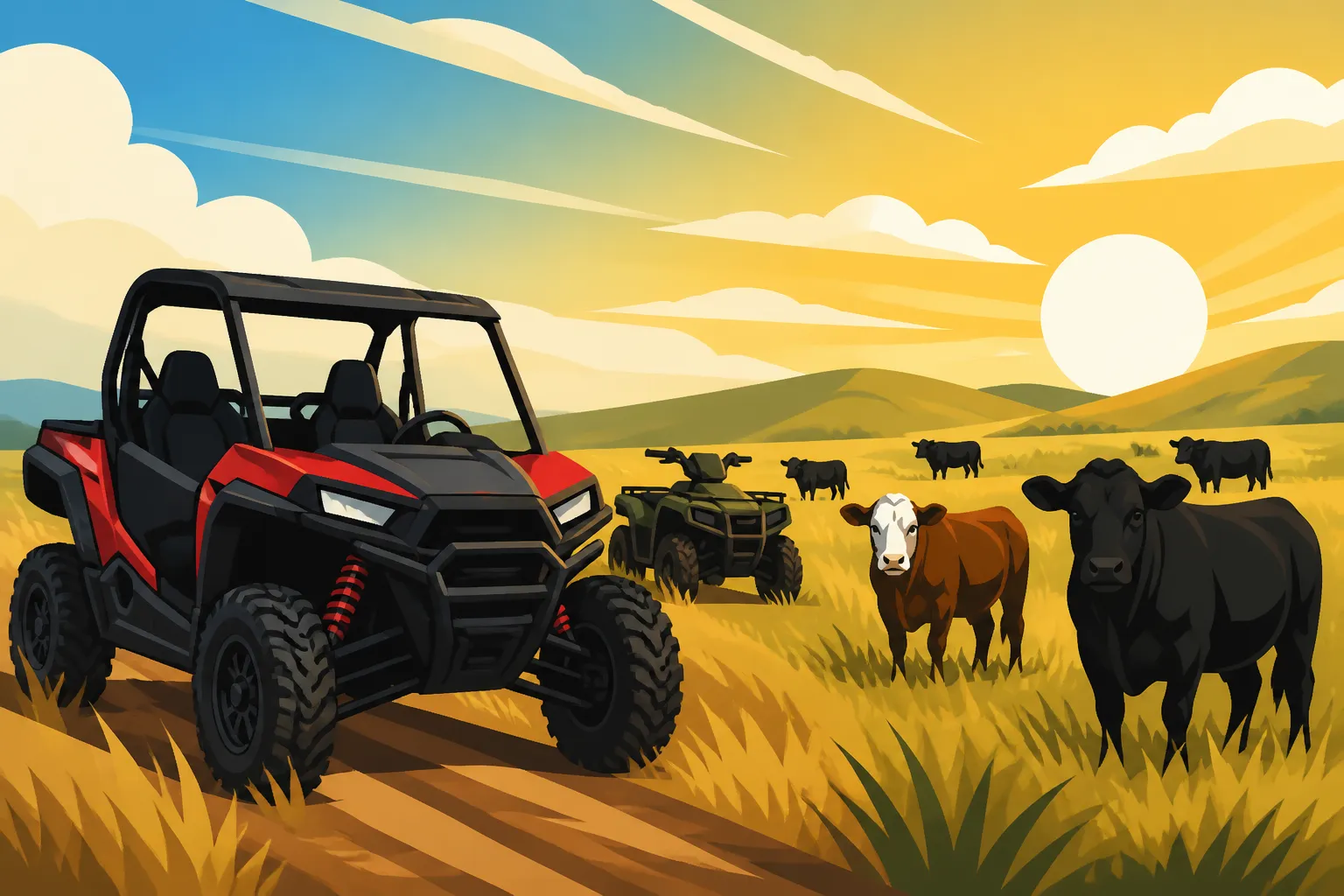
Riding your ATV or UTV across an open Kansas pasture can feel like the epitome of freedom, especially if it's your own land or you have express permission. However, that wide-open space often comes with four-legged occupants: cattle. Navigating a side-by-side or quad through grazing livestock presents a unique set of challenges and responsibilities, not just for your safety, but for the well-being of the animals and the integrity of the property. This guide will help you understand the dynamics of sharing an open pasture with cattle, offering practical advice and essential considerations to ensure a respectful and safe ride for everyone involved.
Understanding the Risks of Riding Near Livestock
When you're out on a pasture, especially with larger animals like cattle, it's easy to underestimate the potential for issues. Many riders, focused on the thrill or the task at hand, might not fully grasp the specific dangers that can arise. It's not just about avoiding a collision; it's about understanding animal behavior, the environment, and the consequences of a mishap.
How ATVs and UTVs Can Affect Cattle
Cattle, despite their size, are creatures of habit and can be easily startled or stressed by unusual sights and sounds. The sudden appearance or loud engine noise of an ATV or UTV can send them running, leading to several problems. They might stampede, potentially injuring themselves by running into fences, ditches, or other obstacles. Young calves are particularly vulnerable to being separated from their mothers or injured in a scramble. Imagine a herd of Black Angus suddenly scattering across 80 acres – that's a lot of ground to cover to round them up, and the stress can impact their health and even weight gain.
Beyond outright spooking, continuous disturbance can lead to chronic stress, affecting their feeding patterns and overall health. Pregnant cows can miscarry, and milk production in dairy cattle can drop. It's not just about immediate injury; it's about the long-term well-being of the herd. Also, think about the ground itself. Heavy machines can churn up soft pasture, especially after rain, creating ruts that are tough on both the land and the animals walking on it. If you're carrying tools or supplies for farm work, consider using a UTV with robust storage options to keep everything secure and prevent anything from falling out and becoming a hazard for grazing animals.
Common Accidents and Their Consequences
Accidents involving ATVs or UTVs and cattle can range from minor scares to catastrophic events. The most obvious is a direct collision. An adult cow weighs hundreds, sometimes over a thousand pounds, and hitting one, even at low speed, can cause severe damage to your machine and serious injury or death to the animal. For the rider, such a collision can lead to rollovers, serious personal injury, or even fatalities. We’ve all seen photos of ATVs mangled after hitting something substantial, and a cow is definitely substantial.
Beyond direct impact, there's the risk of indirect harm. A spooked cow might bolt through a fence, leading to costly repairs and the challenge of retrieving a lost animal. If the animal escapes onto a public road, it creates a hazard for motorists, opening up a whole new realm of liability. Even if the cattle aren't injured, the stress and disruption can lead to a financial loss for the owner due to decreased weight gain, milk production, or vet bills for related issues. If you are operating on someone else's property, you could be held liable for these damages, which can quickly add up. Understanding the nuances of [Kansas Trespass Law for Riders] is crucial, even when you have permission, as it outlines responsibilities.
Best Practices for ATV/UTV Riders on Pasture Land
Navigating open pastures with cattle requires a mindful approach. It's not just about speed and avoiding obstacles; it's about being a good steward of the land and a respectful neighbor to the livestock. These practices can help ensure a safe and harmonious experience for everyone.
Slow and Steady: Approaching Cattle Safely
The golden rule when encountering cattle is slow down. When you spot cattle, reduce your speed immediately and approach them slowly, predictably, and with as little noise as possible. Avoid sudden bursts of speed or quick turns that could startle them. Think of it like approaching wildlife: you want to be seen, but not as a threat. Many experienced ranch hands will tell you to let the cattle see you coming from a distance, give them space, and allow them to move away naturally. Don't drive directly at them or try to "herd" them with your machine unless you are specifically trained and equipped to do so as part of a ranching operation.
If you need to get past them, circle wide and give them a generous berth. If they are blocking a gate or a narrow path, patience is key. Turn off your engine if necessary and wait for them to move on their own. Honking, revving your engine, or yelling will only agitate them further. This calm approach not only protects the cattle but also ensures your own safety by reducing the chance of a sudden, unpredictable movement from a stressed animal. Remember, a UTV equipped with SuperATV accessories like a quiet exhaust can also help minimize noise pollution on the pasture.
Maintaining Distance and Minimizing Disturbance
Respecting the animals' personal space is paramount. The general rule of thumb is to maintain at least 50 to 100 feet of distance from cattle whenever possible. If you must get closer, perhaps to check on a sick animal or mend a fence, do so with extreme caution. Watch their body language: ears forward, heads up, and a calm demeanor usually mean they're not too stressed. If they start bunching up, lowering their heads, or running their tails, you're too close and they're becoming agitated.
When riding, try to stick to established trails or fence lines to minimize disruption to grazing areas. Avoid cutting across fields indiscriminately, as this can break up soil, damage forage, and create unnecessary trails. If you're using your machine for ranch work, like checking fences or water tanks, plan your route to be efficient and minimize back-and-forth movement across the pasture. Carrying [Kansas Title Paperwork Explained] on your person, especially when on private land, is always a good practice.
Secure Gates and Fences: A Crucial Responsibility
This might sound obvious, but it's one of the most common mistakes riders make. If you open a gate to pass through, always close it behind you. Every time. No exceptions. A gate left open, even for a few minutes, can allow cattle to wander off, mix with another herd, or worse, get out onto a public road. This can lead to serious legal and financial repercussions for both the landowner and the rider responsible.
Before you even ride onto the pasture, double-check that all gates you might use are in good working order and latch securely. If you notice a damaged fence or gate, report it to the landowner immediately. Many property owners appreciate a heads-up about maintenance issues. Consider carrying a small repair kit with pliers and wire if you're frequently working on fence lines. It's a small effort that can prevent a massive headache. This also ties into the general principles of [Getting Written Permission From a Landowner Before You Ride] – part of that permission should include clear guidelines on gate protocol.
| Do's When Riding on Pasture with Cattle | Don'ts When Riding on Pasture with Cattle |
|---|---|
| Obtain explicit landowner permission. | Ride without permission. |
| Ride slowly and predictably. | Approach cattle at high speed or aggressively. |
| Maintain a safe distance (50-100 feet). | Drive directly into a herd. |
| Close all gates securely behind you. | Leave gates open or unsecured. |
| Stick to existing trails/fence lines. | Create new trails indiscriminately. |
| Watch for signs of stress in animals. | Use horns, loud music, or yelling near cattle. |
| Report damaged fences or escaped animals. | Ignore damaged infrastructure. |
| Carry essential papers (permission, ID). | Assume cattle will move out of your way. |
| Consider noise-reducing modifications. | Use your machine to "herd" animals unless trained. |
| Be patient and wait for cattle to move. | Rush or try to force animals to move. |
Legal and Ethical Considerations When Sharing Space with Cattle
Riding on someone else's property, or even your own, comes with a strong set of legal and ethical obligations, especially when livestock is involved. Ignoring these can lead to fines, lawsuits, and a damaged reputation within the rural community.
Landowner Permission and Liability
In Kansas, riding on private land without explicit permission is trespassing, plain and simple. Even if you have permission to hunt or fish, that doesn't automatically extend to riding your ATV or UTV wherever you please, particularly in areas with livestock. Always get clear, specific permission from the landowner, preferably in writing, detailing exactly where you can ride and under what conditions. This is particularly important for your own protection; if an incident occurs, documented permission can be invaluable.
When it comes to liability, things can get complicated. If your machine spooks cattle and they get injured, escape, or cause damage to property, you could be held responsible for the financial costs. This might include veterinary bills, the value of a lost or deceased animal, fence repair, or even damages incurred if the cattle cause a road accident. Some landowners may require you to have specific insurance coverage before allowing you to ride on their property. It's important to understand your own policy and whether it covers incidents involving livestock and property damage. Even just [Riding a Quad on Ground You Lease for Hunting] doesn't always automatically grant full access for machines in all areas.
Animal Welfare and Ethical Riding
Beyond the legal ramifications, there's a strong ethical component to consider. Livestock are living beings, and their welfare should be a top priority. Treating them with respect means minimizing stress, avoiding injury, and ensuring their environment remains as undisturbed as possible. Think about the impact of your actions on the animals, not just on your ride. A responsible rider understands that their fun or convenience should never come at the expense of animal health or safety.
This also extends to the broader rural community. Farmers and ranchers rely on their livestock for their livelihood, and incidents caused by irresponsible riders can have a significant economic impact. Being known as a respectful and careful rider can foster goodwill, ensuring continued access to land for recreational or work purposes. It's about being a good neighbor and a responsible member of the off-road riding community in Kansas. If you're using your UTV for agricultural tasks, like checking on livestock or hauling feed, ensure it's properly maintained and equipped to handle the terrain without causing undue stress or damage, perhaps with heavy-duty tires from SuperATV.
What to Do If an Incident Occurs
Even with the best intentions and the most careful riding, accidents can happen. Knowing how to react calmly and responsibly in the event of an incident involving cattle on a pasture is crucial. Your actions immediately following an event can significantly impact the outcome, both for the animals and for your potential liability.
Immediate Steps After an Accident
If your ATV or UTV is involved in an accident with cattle, or if your actions cause them to scatter or get injured, your first priority is safety.
- Stop and Secure the Scene: Immediately stop your machine and turn off the engine. Assess your own condition and that of any passengers. If anyone is injured, attend to them first. Then, look at the cattle. Are they injured? Are they scattered?
- Assess the Animals: Approach any injured or distressed animals cautiously. Do not assume they are docile, even if they normally are. A wounded animal can be unpredictable and dangerous. If the animals have scattered, note their direction.
- Contact the Landowner: This is critical. Even if the incident seems minor, inform the landowner as soon as possible. Provide them with all the details: what happened, where it happened, the extent of any injuries to animals, and any damage to fences or other property. Be honest and transparent.
- Do Not Attempt Complex Animal Handling: Unless you are experienced and equipped, do not try to "fix" the situation yourself, especially if it involves moving injured animals or attempting to round up a large, scattered herd. This could cause further injury to the animals or yourself. The landowner or their designated representative will know the best course of action.
- Document the Scene: If it's safe to do so, take photos or videos of the scene, including any injured animals, damaged fences, your machine, and the surrounding area. This documentation can be vital for insurance claims or legal discussions later on.
- Stay On-Site (Unless Injured): Remain at the scene until the landowner arrives or gives you instructions, unless you require immediate medical attention.
Reporting and Resolution
Once the immediate crisis is addressed, the focus shifts to reporting and resolving the situation.
- Formal Reporting: If there are significant injuries to animals, substantial property damage, or if the cattle have wandered onto a public road, you might need to contact local law enforcement or animal control. The landowner will likely guide you on this, but it's good to be aware of the possibility.
- Insurance Claims: If you have liability insurance for your ATV or UTV, notify your insurance provider immediately. Provide them with all the details, including your documentation and the landowner's contact information. They will guide you through the claims process. Remember that [Do You Need ATV Insurance in Kansas?] depends on specific circumstances, but incidents like these highlight its value.
- Financial Responsibility: Be prepared to discuss financial responsibility for any damages. This could involve direct payment, an insurance claim, or a negotiated settlement with the landowner. Open and honest communication is key to finding an amicable resolution.
- Review and Learn: After the incident is resolved, take time to reflect on what happened and how similar situations can be avoided in the future. This might involve reviewing your riding habits, upgrading safety gear, or simply being more cautious around livestock. Perhaps you realize you need better visibility, and SuperATV flags could be a good investment. Learning from mistakes is the best way to prevent their recurrence.
Riding an ATV or UTV on open pasture with cattle in Kansas can be a fantastic experience, whether it's for work or recreation. However, it demands a high level of awareness, respect, and responsibility. By understanding animal behavior, practicing safe riding techniques, securing gates, and knowing how to respond to incidents, you can ensure your time on the range is enjoyable, productive, and most importantly, safe for both you and the livestock. Always prioritize the welfare of the animals and maintain open communication with landowners, and you'll be set for many successful rides.
Disclaimer
This article is for general informational purposes only and does not constitute professional advice. Laws, prices and regulations vary by location and change over time. Consult a qualified professional for guidance on your specific situation.