Sun Protection on Open Ground
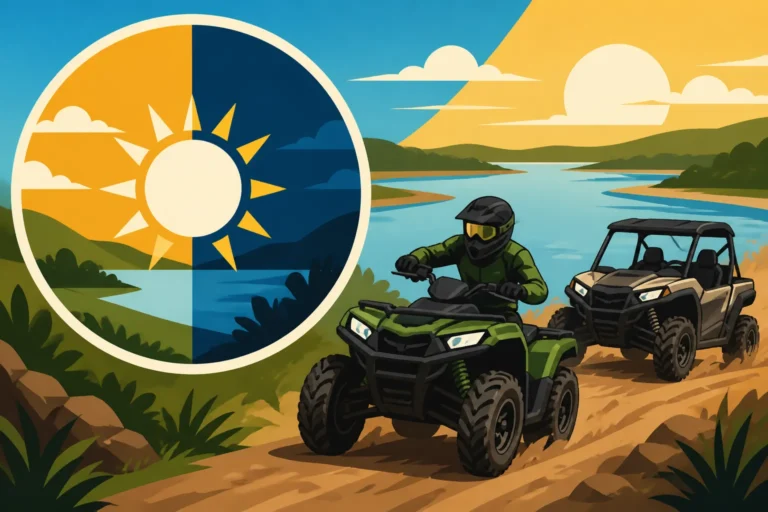
Kansas riding can mean hours on exposed trails, gravel roads, dunes, or farm ground with very little shade. The sun feels especially relentless when you are moving slowly, stopping to help a rider, or trying to find your way back to the trailer. This guide covers practical ways to protect your skin and eyes before, during, and after a ride.
Why sun protection matters on Kansas rides
Open ground leaves you exposed longer than you may expect
A ride can feel breezy enough to disguise how much sun is reaching your skin. Wind across an open field or a fast stretch of trail may cool you down, but it does not reliably protect you from ultraviolet exposure. Riders can also spend more time outdoors than planned when a group takes a wrong turn, a machine needs attention, or the route is slower than expected.
Kansas riding areas vary, but many offer long stretches with limited natural shade. At Tuttle Creek or Perry Lake, a shaded parking spot does not mean the riding area itself will stay shaded. At Syracuse Sand Dunes, sand and open terrain can leave riders exposed while they are riding, regrouping, or setting up camp. On private ground, a tree line may be a welcome break, but it may also be far from the section of land you are crossing.
The most useful mindset is to plan for the whole outing, not just the time spent in the seat. Consider the drive from the staging area, unloading, gearing up, trail breaks, repairs, and loading again. If your ride tends to stretch longer than expected, advice in Kansas Riding in Summer Heat can help you think through heat and exposure as connected challenges rather than separate problems.
Wind, dust, and clouds can make sun exposure easy to overlook
A cloudy or windy day can still leave you with substantial sun exposure. You may not feel the heat as sharply, especially when riding, but exposed skin can still be affected. Dust adds another practical problem: a sweaty face covered in grit is uncomfortable, and rubbing it with a glove or sleeve can irritate skin and eyes.
Open ground also means sunlight may reach you from more than one direction. A cap brim or helmet visor can help shade your face, but it will not cover your ears, neck, or the backs of your hands. Reflected light from pale gravel, dry ground, or sand can add to the discomfort, particularly when you are stopped in a bright, exposed area.
This is why sun protection works best as a combination of clothing, shade, and sunscreen instead of relying on one item. A rider who wears a long-sleeved shirt but leaves the back of the neck exposed may still end the day sore. Another rider may apply sunscreen before leaving home but forget that forearms become exposed when sleeves are pushed up during a repair. A quick gear check before every ride catches these small gaps.
Build a sun-protection setup before you leave
Choose clothing that covers skin without making riding miserable
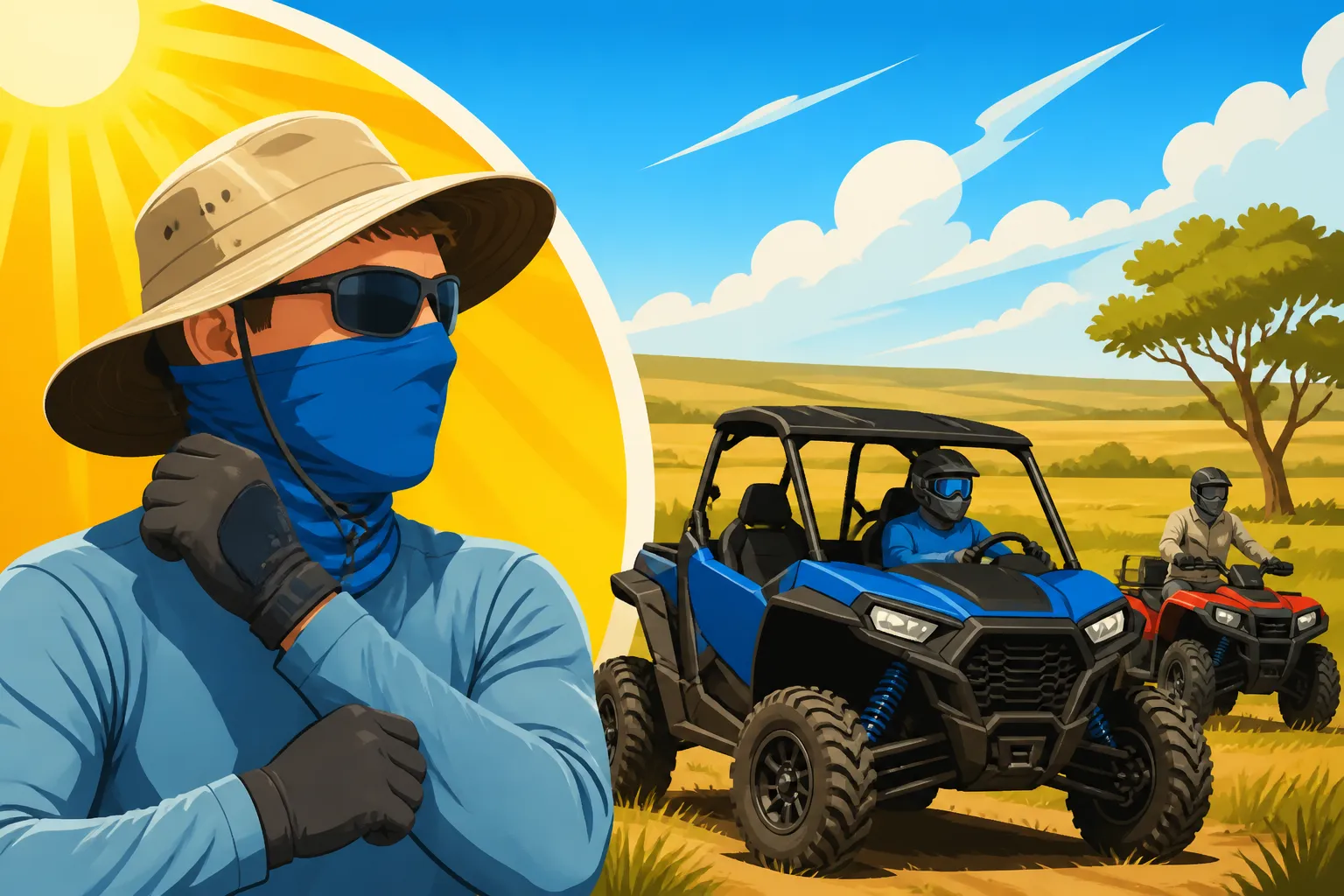
Lightweight, breathable, long-sleeved clothing can protect more skin than a tank top or short sleeves, while also helping reduce dust and brush contact. Look for garments that fit comfortably under your riding gear and do not bunch around the wrists or neck. If you already have a jersey or base layer you like, check whether it covers the areas that tend to burn on your rides.
A neck gaiter or sun scarf can cover the back and sides of the neck, especially when your helmet leaves those areas exposed. It should fit securely and allow comfortable breathing. Avoid loose fabric that can shift into your line of sight or become caught on equipment. Gloves protect the backs of your hands, which are easy to forget until they feel tender after a long day.
Head protection matters too. A helmet should fit properly and remain secured as intended; do not alter it to add a bulky hat underneath. If you use a cap off the machine, choose one with a brim that shades your face and ears. For riders who remove helmets while taking a break, a hat can be useful, but it does not replace a helmet when riding.
| Body area | Practical protection | Commonly missed detail |
|---|---|---|
| Face and ears | Helmet visor, suitable eyewear, and sunscreen on exposed skin | Ears may remain uncovered under an open-face helmet |
| Neck | Neck gaiter or a collar that stays in place | The back of the neck gets exposed when looking down |
| Arms | Lightweight long sleeves or sunscreen on uncovered skin | Sleeves can ride up while steering or working on a machine |
| Hands | Riding gloves or sunscreen on exposed skin | The backs of the hands face the sun for much of the ride |
| Legs | Riding pants and appropriate footwear | Gaps can appear between pants and boots when seated |
| Lips | A lip product with sun protection, used as directed | Wind and dust can make dry lips more uncomfortable |
Use sunscreen as a planned part of your gear routine
Apply sunscreen to exposed skin before you are in a hurry to unload. Follow the product label for how to apply it and when to reapply; sweating, wiping your face, and dust can all make it easier to miss spots or remove product. Pay attention to the ears, hairline, nose, cheeks, neck, and any area where clothing may shift while riding.
A common mistake is treating sunscreen as a one-time task done at the truck. Put a small, well-sealed container somewhere accessible, such as a riding pack or gear bag, so you can reapply during a longer outing. Keep it closed and protected from dirt. If you share supplies, make sure the container stays clean and that everyone knows where it is.
Sunscreen can also be awkward to apply when your hands are dusty or greasy. Before putting it on, clean your hands as well as you can with water or a suitable wipe. Avoid rubbing grit across your face. If your skin is sensitive, test a product before the ride rather than discovering in the staging area that it irritates your skin. For more ideas about packing for exposed conditions, see Packing for a Hot Dry Day and What to Pack for First Aid on a Long Ride.
Protect yourself during the ride
Make breaks part of the route plan
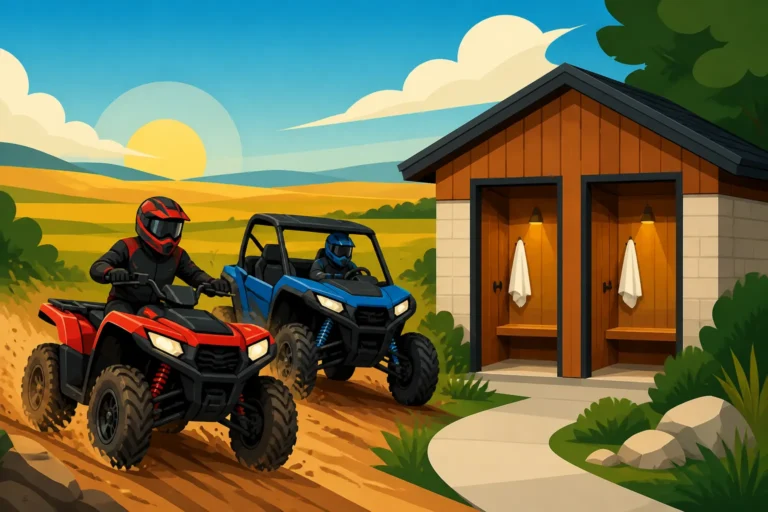
On open ground, the best shaded break may not be directly beside the trail. When you can, plan stops near a sheltered staging area, tree line, building, or other safe place where riders can step out of the sun without blocking the route. A shaded break does not need to be long to feel worthwhile, but do not assume one will appear exactly when the group needs it.
Before leaving, agree on where the group will regroup if someone falls behind or a machine needs attention. This matters because a rider waiting alone in full sun may be less prepared than the group that is moving together. If the area is unfamiliar, a mapping tool such as onX Offroad can help you review the route and identify where your group may be able to pause safely. Save the route information you need before cell coverage becomes unreliable, and do not treat a map as a substitute for local rules or posted closures.
Some rides have little flexibility in where you stop. At a dune area or a narrow trail section, pulling over in the wrong place can create a hazard for other riders. Choose a stable, visible spot away from traffic, then take off only the gear that is safe to remove. Keep your helmet and eye protection close at hand so you are not tempted to ride without them when it is time to move again. For general seasonal planning, Kansas Riding in Spring and Kansas Riding in Fall offer useful context for how changing conditions can affect a day outdoors.
Keep your eyes comfortable and your visibility clear
Sun protection is not just about skin. Bright light, dust, and wind can make it harder to keep your eyes comfortable and focused. Use eye protection suitable for riding conditions, and keep a clean cloth or lens-cleaning option in your gear. A dirty lens can scatter light and make a bright day feel even harsher. If your eyewear fogs or becomes difficult to see through, stop somewhere safe to deal with it rather than continuing with impaired vision.
A brim or visor can help reduce direct glare, but it should not interfere with the helmet’s fit, your view, or the machine’s controls. Check your setup while seated as well as standing. A visor that seems fine in the garage may block too much of your view when you look down a slope or scan for ruts.
For groups, make sure riders can still see one another clearly. Sun glare can make a machine or rider harder to pick out against a bright, open background. Keep a sensible following distance, use agreed hand signals or another reliable way to communicate, and stop in a safe place if someone cannot see well enough to ride comfortably. If your route crosses areas with changing light or limited services, Kansas Trail Conditions Before You Tow and Kansas Riding Areas With Cell Service are useful topics to review while planning.
Reapply and adjust when the day changes
A sunscreen routine that works for a short morning loop may not be enough for an all-day outing. Reapply according to the product directions, especially after heavy sweating, wiping your face, or taking off and putting on gear. Check the places clothing rubs or shifts: wrists, necklines, and the area around the helmet opening are easy to overlook.
If clouds roll in, do not assume the need for protection has disappeared. If the ride becomes hotter, dusty, or slower than expected, use breaks to check your clothing and exposed skin. If someone in the group is uncomfortable, treat that as a reason to pause and reassess rather than urging them to finish the loop. A shorter ride is better than pushing on when a rider is struggling.
A group leader can make this easier by building a short gear check into the first stop. Ask whether everyone has water, eye protection, and sunscreen within reach. If the route changes, use onX Offroad or another appropriate map to review the group’s position and likely return options before continuing farther from the staging area. The goal is not to ride with your phone in your hand; it is to reduce the chance of being caught far from a safe stopping point with no plan.
Make sun protection part of the whole outing
Prepare your gear bag for the people who are actually riding
A useful gear bag reflects the group, not an idealized checklist. A solo adult rider may only need their own sunscreen and spare clothing, while a family ride may require supplies for different ages and comfort needs. If children are riding, check that their clothing fits well, does not interfere with equipment, and covers exposed skin. Adults should not assume a child will notice discomfort early or remember to reapply sunscreen without a reminder.
Keep sunscreen, spare gloves, and a hat for breaks where they are easy to find. Do not bury them beneath tools and recovery gear. If dust is a concern, store small items in a sealed pouch. A spare lightweight shirt can be helpful if someone gets sweaty or uncomfortable, though changing should happen in a safe, private spot rather than beside an active trail.
Before an outing, check the route and the rules for the place you plan to ride. Public areas, private parks, and city or county roads can have different access requirements. Kansas Trails Open Year-Round may help with seasonal planning, while Kansas Trail Etiquette Locals Expect can remind the group to respect shared riding spaces and avoid blocking trails during stops.
Know when to stop instead of trying to tough it out
Sun exposure can become part of a larger problem when it is combined with heat, exertion, dehydration, or a long delay. If a rider feels unwell, becomes unusually weak or confused, or cannot continue comfortably, stop in a safe location and take the situation seriously. Move out of direct sun if possible, offer water if the person is alert and able to drink, and seek appropriate medical help when symptoms are severe or do not improve.
Do not leave a struggling rider alone while the rest of the group continues. Send someone for help if needed, and keep the machine and group in a safe position. If you are riding somewhere remote, know how to describe your location and have a plan for communication before setting out. Offline route information can be useful, but it cannot replace an emergency plan or local guidance.
After the ride, check exposed skin and wash away dust and sweat gently. If you notice a concerning reaction or significant discomfort, seek medical advice. For future rides, adjust the setup rather than simply hoping the next day goes better: add a neck covering, move sunscreen to a more accessible pocket, choose a longer sleeve, or plan a shaded break earlier in the route. Small changes are easier to maintain when they are built into the routine.
Disclaimer
This article is for general informational purposes only and does not constitute professional advice. Laws, prices and regulations vary by location and change over time. Consult a qualified professional for guidance on your specific situation.