What a Deputy Asks at a Rural Traffic Stop
You're out enjoying a beautiful Kansas day, perhaps heading down a gravel section line or just crossing a paved county road to get to the next field. The sun is shining, the dust is flying just right, and then you see it: flashing lights in your rearview mirror. Your heart sinks a little, doesn't it? It's a common scenario, and many off-road enthusiasts wonder exactly what a deputy is looking for when they pull over an ATV or UTV in rural Kansas. This guide is designed to help you understand what to expect and how to be prepared, easing some of that roadside anxiety.
Why a Deputy Might Stop You in Rural Kansas
It's easy to assume that if you're out in the sticks, far from city limits, you're free to ride your ATV or UTV however you please. But the reality is, Kansas law, especially regarding machines on public roads, can be nuanced and sometimes confusing. Deputies are out there to enforce these rules, and they have several reasons why they might initiate a stop.
Perceived Road Law Violations
One of the most frequent reasons for a stop is a perceived violation of road rules. Kansas law generally restricts the use of ATVs and UTVs on public roads. While there are exceptions—like for agricultural purposes or if a city has passed an ordinance allowing them—many riders unknowingly, or sometimes knowingly, push these boundaries. A deputy might observe you traveling an extended distance on a county road, which, unless you fall squarely within one of those exceptions, could be a violation. It’s also common for riders to cross state highways, which is generally permissible, but the manner of crossing must adhere to specific safety protocols. If you're seen doing something that doesn't quite fit the legal allowance, like riding alongside a busy highway for a stretch, that's an immediate flag. Understanding [Kansas ATV Road Rules Under 8-15,100] is crucial here.
Another common misunderstanding revolves around the difference between various machine types. A side-by-side that meets the strict criteria for a Work-Site Utility Vehicle (WSUV) has different road privileges than a standard ATV. If your machine doesn't visibly meet these requirements, or you're operating it outside the permitted hours or areas, a deputy might pull you over to clarify. They're not always looking to write a ticket; sometimes, it's about educating the public on safe and legal operation.
Equipment That Doesn't Meet Standards
If you're operating your machine on any public roadway, even for a brief moment, it needs to meet certain equipment standards, especially if it's after dark. Headlights, taillights, and brake lights are paramount. Many stock ATVs might have basic lighting, but if you've added accessories or have an older machine, these might not be bright enough or configured correctly to meet road-legal standards, even for brief crossings. A deputy might spot an unlit machine approaching dusk or notice a missing brake light.
Beyond lighting, there are other considerations. Some jurisdictions that allow UTVs on city streets might require mirrors, turn signals, or even specific tire types. While Kansas doesn't have a universal state-level equipment mandate for off-road machines in the same way it does for cars, local ordinances can add layers of requirements. For instance, if you're trying to meet a specific city's UTV ordinance, you might have installed a horn or mirrors, perhaps from an aftermarket supplier like SuperATV. If these items aren't present or appear non-functional, it could draw attention. Checking [Kansas Lighting Requirements on a Machine] is always a good idea, as even a simple crossing requires basic visibility.
Just a Check-In or Suspicion
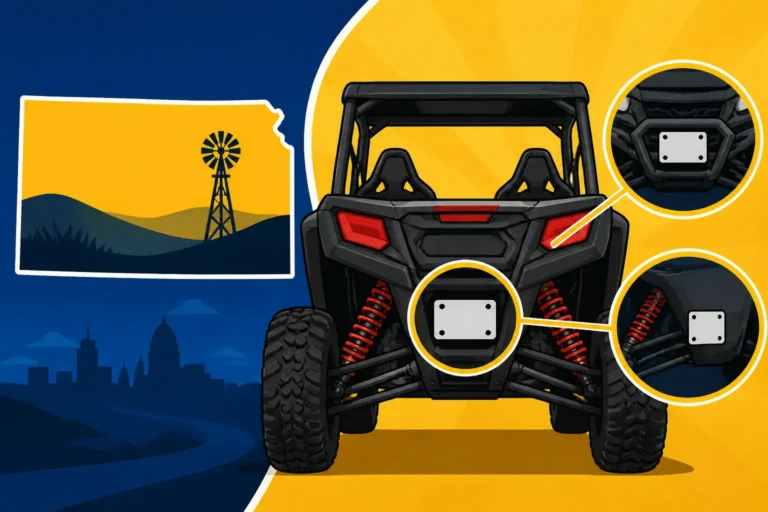
Sometimes, a deputy might pull you over for reasons that aren't immediately obvious, or simply as a routine check. In remote areas, ATVs and UTVs are sometimes associated with activities like trespassing, poaching, or property damage. If you're seen in an area known for such issues, or if your machine lacks visible identifying markers (like a license plate if it's a tagged UTV), a deputy might initiate a stop to ascertain your identity and your purpose for being in the area.
They might also be checking for the welfare of the riders, especially if they see young operators, or if it looks like the machine is overloaded. While it's not always the case, a rural traffic stop can sometimes be a proactive measure to prevent potential problems or to ensure everyone is operating safely and legally, even if you’re just enjoying the landscape. It's not necessarily an accusation, but rather an inquiry into your legal right to be where you are and how you're operating your machine.
Essential Documents a Deputy Will Ask For
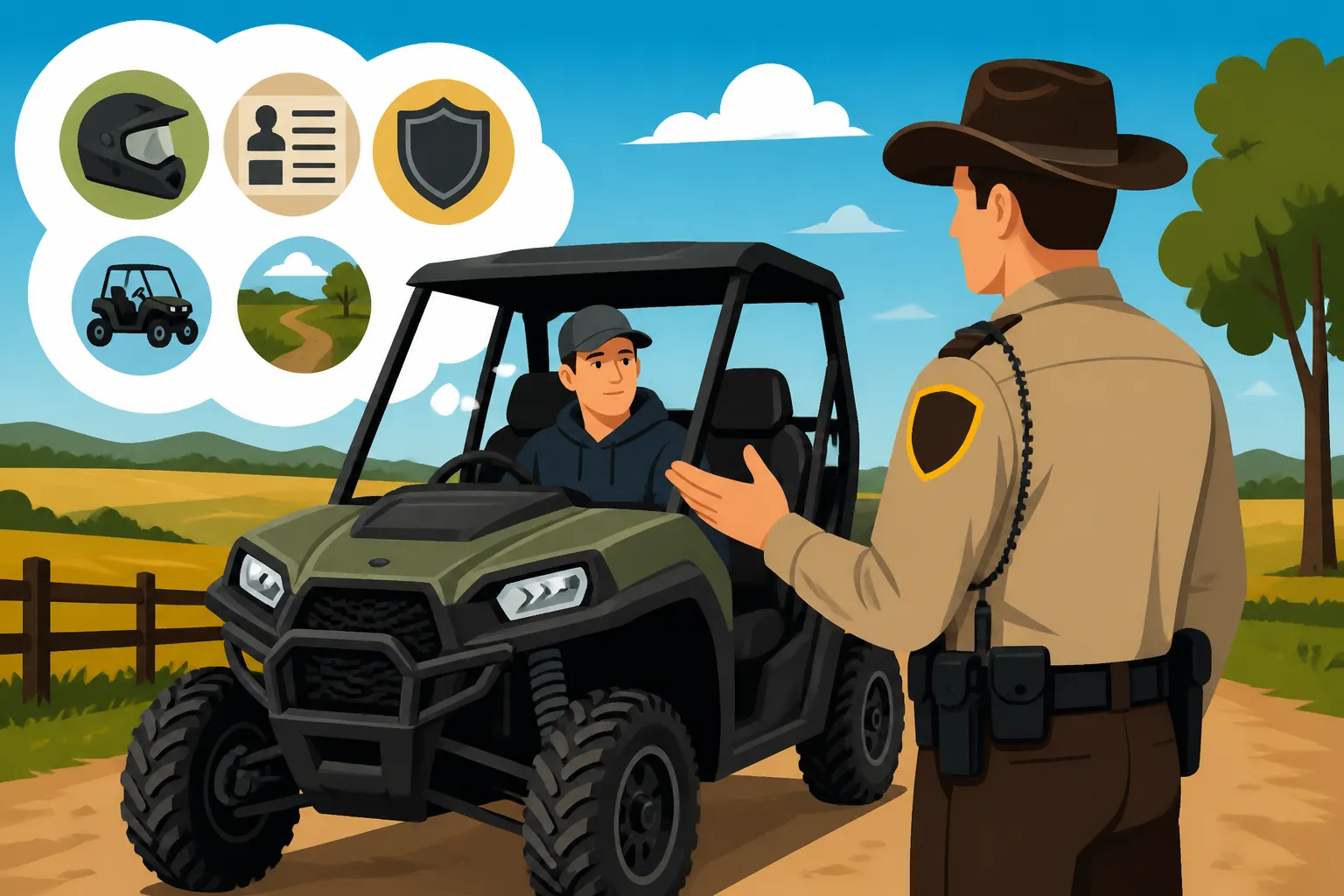
When those lights flash and you pull over, the first thing a deputy is likely to ask for are your papers. Having these readily accessible and in order can make the stop go much smoother, demonstrating that you're a responsible operator.
Driver's License and Proof of Age
Even if you're not operating your ATV or UTV on a paved highway, and even if it's not considered a "street legal" vehicle, a deputy will still want to see your driver's license. This is primarily to verify your identity and to ensure you meet the minimum age requirements for operating such a machine. Kansas law has specific rules about who can operate an ATV and under what conditions, especially concerning minors. Even on private land, if you're accessing it via a public road crossing, having a valid driver's license (or a learner's permit with proper supervision, depending on the machine type and location) is usually expected. A deputy needs to know they're speaking with an adult who is legally able to operate a motorized vehicle. If you're curious about the age stipulations, reviewing [Kansas ATV Age Requirements] can clear things up.
It’s important to remember that even if you're on a county gravel road that technically allows certain ATV/UTV use, you're still operating a motor vehicle and need to be a licensed driver. This isn't just about road rules; it's about general responsibility and identification.
Proof of Ownership (Title or MCO)
This is a big one. Deputies frequently encounter stolen machines, or machines being operated by individuals who don't legally own them. To counter this, they will almost certainly ask for proof of ownership. For a new machine, this would typically be the Manufacturer's Certificate of Origin (MCO). For a used machine, it's the Kansas nonhighway title. This document proves that the machine belongs to you and hasn't been reported stolen.
Keep a physical copy of your title or MCO with you, or at least a clear photograph on your phone. If you just bought your machine, make sure you understand [Kansas's 60-Day Titling Deadline] to get the title transferred into your name. If you don't have this proof, it can lead to further questioning, delays, or even the machine being impounded while ownership is verified. Having the correct paperwork, which includes understanding [Kansas Nonhighway Title Explained], prevents a lot of headaches during a stop. If you've financed your machine, you might have a lienholder, but you should still have a copy of the title in your possession showing your name and the lien.
Proof of Insurance (If Applicable)
Unlike passenger cars, Kansas does not have a statewide mandate requiring insurance for ATVs or UTVs used off-road. However, this doesn't mean you're always off the hook. Several Kansas cities that have passed ordinances allowing UTVs on their streets do require proof of liability insurance. If you're riding in such a municipality and have a city tag, expect to be asked for your insurance card.
Even if you're not in a city that requires it, many responsible owners carry insurance for collision, theft, or liability protection anyway. If you're stopped and asked for insurance, and you have it, it's always a good idea to present it. If you're unsure about the specific requirements for your area, checking resources like [Kansas City Insurance Requirements] is important before you ride. For those who choose to carry insurance, having your proof readily available can demonstrate responsibility, even if it's not legally mandated for your specific riding situation.
City Tag or Permit (If Applicable)
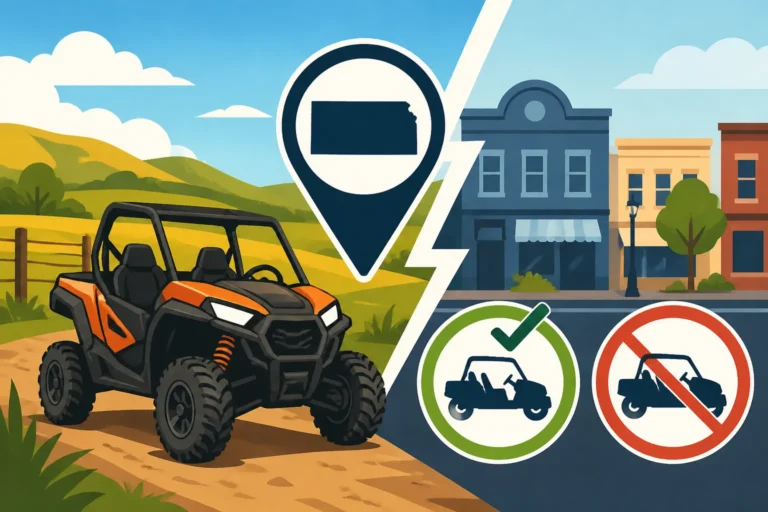
If you're riding your UTV on city streets in a town that has a specific ordinance allowing it, then you absolutely must have the proper city tag or permit displayed and be prepared to show documentation for it. Towns like Louisburg or Andover have their own rules and require a special registration process and visible tag. A deputy in these areas will specifically look for this tag and ask for the corresponding paperwork.
This city tag is proof that you've met the local requirements, which often include specific equipment like turn signals, a horn, and mirrors, as well as proof of insurance. Without this tag, even if you think you're compliant, you could be cited for illegal operation on city streets. Make sure you understand the nuances of [Kansas Cities With UTV Tags] and if you operate in a specific city, like Louisburg, familiarize yourself with details like [Louisburg's UTV Tag Fees in Kansas] and the required inspection process. Having your city-issued permit or receipt ready shows you've done your homework.
Your Machine: What a Deputy Checks On-Site
Beyond your personal identification and paperwork, a deputy will also likely perform a visual inspection of your ATV or UTV. This is to ensure the machine itself meets any applicable safety or legal requirements, especially if it's being operated on public land or roads.
Lights and Reflectors
This is perhaps the most common equipment check. If you're pulled over anywhere near dawn, dusk, or nighttime, the deputy will scrutinize your lighting. This includes your headlights, taillights, and brake lights. They need to be functional and visible from appropriate distances. Many aftermarket accessories, like those from SuperATV, can upgrade your lighting to ensure compliance and enhance safety. If you're operating on a road, even temporarily, your lights need to be on and working. A deputy might also look for reflectors, which enhance side visibility, particularly on a UTV.
Even if you believe you’re only going to ride during daylight hours, having functional lights is paramount. Weather can change quickly, or a planned short ride can extend past sunset. A non-functioning headlight or brake light can be a quick reason for a citation, especially if you're traveling on public easements or crossing roads. Understanding [Kansas Lighting Requirements on a Machine] is important for any off-road vehicle that might touch a public thoroughfare.
Mirrors and Horn
For UTVs that are permitted on city streets via local ordinances, mirrors and a horn are almost universally required. If you've gone through the process of getting a city tag, the deputy will expect these items to be present and functional. Side mirrors provide crucial visibility, allowing the operator to see traffic behind them, which is essential for safe road use. A horn is a basic safety device for signaling other drivers or pedestrians.
While ATVs generally aren't subject to these requirements, a Work-Site Utility Vehicle (WSUV) sometimes has unique stipulations depending on its intended use and location. If a deputy observes a UTV on a paved street without these fundamental safety features, it indicates non-compliance with local road-use ordinances. Make sure any mirrors are securely mounted and provide a clear view, and that your horn gives a clear, audible signal.
Tire Condition and Spark Arrestor
While perhaps less common during a routine traffic stop than lights, a deputy might also quickly assess the general condition of your tires. Heavily worn, damaged, or improperly inflated tires can be a safety hazard, especially on paved surfaces where off-road tires can handle differently. They might also check for general machine safety, ensuring nothing is falling off or obviously unsafe.
Another item that might come up, particularly if you're riding in an area prone to wildfires or designated trail systems, is a spark arrestor. While not a Kansas state-wide road requirement, a functioning spark arrestor is crucial for preventing fires. Most modern ATVs and UTVs come with spark arrestors from the factory, but if you've modified your exhaust system, it might be an area of inquiry, especially if you're on public land managed by the Corps of Engineers or other entities that enforce such regulations.
VIN Verification
In cases of suspected stolen property or if there's any doubt about the ownership you've presented, a deputy will physically verify the Vehicle Identification Number (VIN) on your machine against your title or MCO. The VIN is typically stamped on the frame of the ATV or UTV, often in an easily accessible location. On older machines, or those that have seen a lot of hard use, the VIN might be obscured or difficult to find.
Knowing where your VIN is located on your specific machine can expedite this process significantly. This simple check ensures that the paperwork you're carrying matches the machine you're operating. If the VIN is missing, altered, or doesn't match, it will lead to serious questions and could result in the machine being held until its legitimate ownership can be confirmed. It's a key part of protecting against theft and ensuring lawful operation. If you're having trouble locating it, guides like [Finding the Serial Number on an Older Kansas Quad] can be helpful.
Here's a quick summary of what to have ready:
| Item | Why It's Needed | Where to Keep It | Notes |
|---|---|---|---|
| Driver's License | Identity verification, age/license validity for operation | Wallet, easily accessible | Required for anyone operating a motor vehicle on public roads/easements |
| Proof of Ownership | Confirms you legally own the machine (not stolen) | Storage box, clear photo on phone | Title (used machine) or MCO (new machine) |
| Proof of Insurance | Required by some cities for UTV street use | Storage box, clear photo on phone | Check local ordinances, many owners carry it voluntarily |
| City Tag/Permit | Required for UTVs on city streets in some towns | Affixed to machine, matching documentation in possession | If applicable to your riding location |
| Functional Lights | Visibility for safety, especially at dawn/dusk/night | Ensure all are working before riding | Headlights, taillights, brake lights are critical |
| Mirrors & Horn | Required for UTVs in many city street-legal ordinances | Installed and functional | Common additions from companies like SuperATV |
| Clear VIN | Verifies machine matches paperwork, helps prevent theft | Know location on frame | Ensure it's legible and matches your title |
Staying Calm and Knowing Your Rights
Being pulled over is rarely a pleasant experience, but how you handle it can significantly impact the outcome. Staying calm, being cooperative, and understanding the general framework of Kansas law for off-road machines can make a big difference.
Cooperate and Communicate Clearly
When a deputy signals for you to stop, do so safely and promptly. Pull over to the side of the road, turn off your engine, and keep your hands visible. When the deputy approaches, greet them politely. Answer their questions clearly and truthfully. Avoid arguing or becoming confrontational. While it’s natural to feel frustrated or defensive, a calm and respectful demeanor is almost always more productive.
If you don't understand a question, politely ask for clarification. If you need to reach into a bag or a storage compartment for your documents, inform the deputy of your intentions before you do so, to avoid any misunderstanding about your movements. Your goal is to make the interaction as smooth and quick as possible, providing the information requested without causing any undue suspicion or tension.
Understanding Kansas Statutes
Kansas law, particularly concerning ATVs and UTVs, isn't always straightforward. There isn't one simple "street legal" stamp for all off-road machines. Instead, there are specific statutes and exceptions. Most importantly, familiarize yourself with [Kansas ATV Road Rules Under 8-15,100], as this is the primary statute governing ATV use on public roads. It clearly states the general prohibition and outlines the specific agricultural and crossing exceptions.
For UTVs, the rules can be even more complex due to the "Work-Site Utility Vehicle" classification and individual city ordinances. Knowing whether your machine fits the WSUV criteria (such as [48 Inches and 800 Pounds]) and if you're operating within the strict confines of that definition is key. If you're on city streets, you should already be aware of whether that specific city has an ordinance allowing UTVs, like [Louisburg's UTV Tag Fees in Kansas] implies. Ignorance of the law is generally not a defense, so a little proactive research goes a long way.
What to Do If You Get a Ticket
If, despite your best efforts, you receive a citation, the roadside is not the place to debate its validity. Accept the ticket calmly. You will have an opportunity to address it in court. Politely ask the deputy for information on how to proceed, such as the court date and location. Make sure you understand the charges and any associated penalties.
Once you leave the scene, you can then review the ticket, research the specific statute cited, and decide how you wish to proceed. This might involve consulting with an attorney, gathering evidence, or simply paying the fine. While the immediate cost of a ticket can be an unwelcome surprise, such as what's outlined in [Kansas Ticket Costs for Road Riding], understanding your options and handling the situation through the proper legal channels is essential. Remember, a citation is not a conviction, and you have rights in the judicial process.
Disclaimer
This article is for general informational purposes only and does not constitute professional advice. Laws, prices and regulations vary by location and change over time. Consult a qualified professional for guidance on your specific situation.