Gates on a Pasture Road
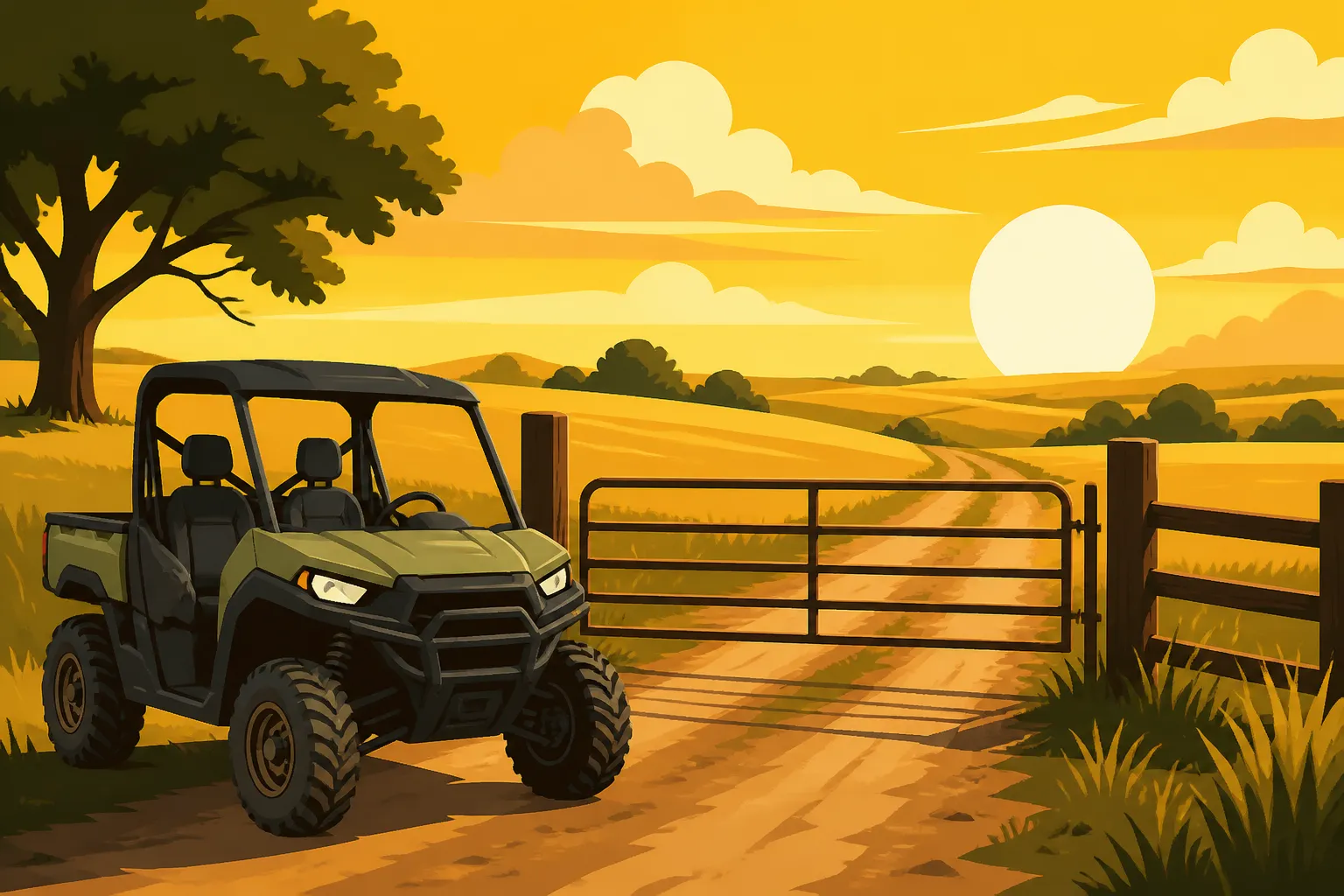
Navigating the vast, beautiful landscapes of Kansas on your ATV or UTV is an incredible experience, but it often comes with a unique set of challenges. One of the most common, and sometimes most confusing, situations riders encounter is the presence of gates on pasture roads. This guide aims to demystify these gates, providing you with the knowledge and etiquette needed to ride responsibly and legally, ensuring your adventures don't inadvertently lead to property disputes or damaged relationships with landowners.
Understanding Pasture Road Access in Kansas
It’s easy to assume that a well-worn path through a pasture is just another road, but in Kansas, that assumption can get you into trouble. Most pasture roads are not public thoroughfares; they are integral parts of private property, often vital for ranching and farming operations. Understanding this distinction is the absolute first step to riding respectfully and legally.
Public vs. Private Pasture Roads
While many off-road enthusiasts dream of endless public trails, the reality in Kansas is that the vast majority of pasture roads are on private land. These are not county roads, section lines, or state-maintained paths. Instead, they are tracks created and maintained by landowners for their own use – moving livestock, accessing fields, checking fences, and generally managing their operations. You might encounter a gate on a road that looks like a public easement, but without explicit signage or local knowledge, it’s always safest to assume it's private. This is a crucial distinction, as private land comes with very different rules than public access points. Getting it wrong can lead to serious legal consequences under [Kansas Trespass Law for Riders].
Occasionally, you might find a gate that does cross a legitimate section line or a road that has been formally dedicated as public access. However, these are often marked, and the default expectation when encountering a gate in a rural setting is that you are on private property. Always do your homework or err on the side of caution.
The Importance of Landowner Permission
This point cannot be stressed enough: if you are riding on a pasture road, you almost certainly need permission from the landowner. In Kansas, simply seeing an open gate or a well-worn track doesn't grant you implied permission to ride. Landowners have the right to control who accesses their property, and disrespecting that right can lead to unpleasant confrontations, fines, or even having your machine impounded.
Think about it from their perspective: they've invested time, money, and effort into their land and livestock. Strangers riding through, potentially leaving gates open, disturbing animals, or damaging property, is a significant concern. The best practice is always to seek [Getting Written Permission From a Landowner Before You Ride] before you even load your machine onto the trailer. A simple conversation, a handshake, or even a written agreement can save you a world of trouble. This upfront communication fosters good relationships and ensures everyone is on the same page about access and expectations.
Navigating Posted Signs and No Trespassing Rules
Kansas law is clear on trespassing, and signs are a landowner's way of formally communicating their intent. If you see "No Trespassing," "Private Property," or similar signs posted, they mean exactly what they say. Disregarding these signs, even if a gate is open, is a direct violation of the landowner's rights and state law. It's not worth the risk.
Sometimes, signs might specify "Authorized Personnel Only" or "Hunting By Permission." These still indicate private land with restricted access. Always look for clear indications of public access or direct permission. If in doubt, turn around. It's far better to miss out on a trail than to face legal penalties, confrontation, or the negative reputation that comes with disrespecting private property rights. Remember, the signs are there to protect both the landowner and, ultimately, you from potential legal issues.
Etiquette and Responsibility When Encountering Gates
When you're fortunate enough to have permission to ride on private pasture roads in Kansas, a significant part of that privilege comes with understanding and practicing proper gate etiquette. This isn't just about politeness; it's about respecting the landowner's property, their livelihood, and the animals they care for.
"Leave it as You Found It" Philosophy
This golden rule applies universally when riding on private land, but it takes on particular importance with gates. If you encounter a gate that is closed, you should close it behind you. If it was open, in most cases, you should leave it open unless the landowner has specifically instructed you otherwise. The rationale behind this is simple: that gate serves a purpose. It might be keeping cattle in, horses contained, or simply marking a boundary. Changing its state without permission can disrupt the landowner's operations, cause livestock to escape, or even lead to safety hazards.
Imagine a farmer expecting a gate to be closed to hold his herd, only to find it open because a rider didn't bother to latch it. The time, effort, and stress involved in rounding up escaped cattle can be immense, and it reflects poorly on all riders. Always double-check latches, chains, and wires to ensure the gate is securely fastened before you move on.
Securing Livestock and Preventing Escapes
Gates on pasture roads are primarily there to manage livestock. Farmers and ranchers depend on these barriers to keep their animals contained, preventing them from wandering onto public roads, neighboring properties, or into areas where they shouldn't be. Leaving a gate open, even for a moment, can have immediate and devastating consequences. A single cow or horse escaping can lead to:
- Traffic Hazards: Animals on a road are incredibly dangerous for motorists and the animals themselves.
- Property Damage: Livestock can wander into crops, gardens, or other areas, causing damage.
- Lost Livelihood: For a rancher, escaped animals can represent a significant financial loss if they are injured, lost, or breed with unintended stock.
- Legal Liability: If your actions directly lead to an animal escaping and causing an accident or damage, you could be held liable.
This is why the "close the gate" rule is non-negotiable on most working ranches and farms. It's a fundamental responsibility that comes with the privilege of riding on private land. If you're on land where [Kansas Machines Used Only on a Farm] are common, this level of care is expected.
Avoiding Damage to Gates and Fences
Gates and fences are expensive to install and maintain. They are constantly subjected to weather, wear and tear from livestock, and occasional damage from vehicles. As a rider, you have a responsibility to pass through gates without causing any damage. This means:
- Slow Down: Approach gates slowly and carefully.
- Use Caution When Opening/Closing: Don't force stuck latches or swing gates open or closed with excessive force. Take your time to understand how they operate.
- Mind Your Machine's Width: Be aware of your ATV or UTV's width, especially if you have aftermarket accessories like wider fender flares or tire spacers. You don't want to scrape posts or bend metal. If you've invested in quality protection for your UTV from a brand like SuperATV, remember that those skid plates and bumpers are for the trail, not for forcing open gates!
- Don't Drive Over Fences: This seems obvious, but some riders might be tempted to cut a corner. Don't do it. Ever.
If you accidentally cause damage, it's crucial to report it immediately to the landowner. Honesty goes a long way in maintaining trust and ensuring you might be welcomed back in the future.
Gate Etiquette Checklist
To make it easy, here's a quick checklist to remember every time you approach a gate on a pasture road:
| Action | Explanation | Why It Matters |
|---|---|---|
| Stop and Assess | Before doing anything, stop completely and observe the gate's condition, surrounding area, and any signs. | Prevents rushing, allows time to plan safe passage. |
| Check for Instructions | Look for explicit signs or remember landowner's specific instructions about how to handle this particular gate. | Override "leave as you found it" if landowner has specific needs. |
| Note Initial State | Was the gate open or closed when you arrived? How was it secured (latch, chain, wire)? | Crucial for the "leave it as you found it" rule. |
| Open Carefully | Unlatch, unchain, or unhook with care. If the gate swings, control its movement to prevent slamming. | Avoids damage to gate hardware and posts. |
| Pass Through Safely | Drive your ATV or UTV through slowly, ensuring ample clearance on both sides. | Prevents scraping, bending, or breaking gate components or your machine. |
| Close Securely | If you found it closed, close it. If you found it open, and no other instruction exists, leave it open. | Critical for livestock containment and landowner operations. |
| Double-Check Latch/Chain | Give the gate a gentle tug or visual inspection to confirm it's fully secured. | A partially latched gate is almost as bad as an open one; animals are clever. |
| Report Damage/Issues | If you notice pre-existing damage or accidentally cause some, inform the landowner immediately. | Maintains trust and allows for timely repairs, preventing larger issues. |
Practical Tips for Riding on Pasture Roads with Gates
Riding through gated pasture lands isn't just about knowing the rules; it's also about having the right approach and equipment to make the experience smooth and respectful for everyone involved. A little preparation can go a long way.
Communicating with Landowners
This cannot be overemphasized. Before you ever set a tire on a pasture road, have a conversation with the landowner. Don't assume anything. Explicitly ask about their expectations regarding gates.
- "Are all gates to be closed behind me, even if I find them open?"
- "Are there any specific gates I should avoid or be extra careful with?"
- "What should I do if I find a gate that's broken or a fence down?"
Clear communication prevents misunderstandings. It also shows respect for their property and their way of life, which can solidify your permission to ride. A simple phone call or in-person chat can clarify [Kansas Rules for Riding a Pasture] for their specific property.
Equipping Your Machine for Gate Encounters
While most of your ATV or UTV setup is for riding, a few considerations can make gate navigation easier and safer:
- Gloves: Carrying a pair of work gloves is incredibly useful. Gates, especially older ones, can be rusty, splintery, or have sharp edges. Gloves protect your hands from cuts, scrapes, and grime.
- Winch: While not directly for opening gates, a winch can be invaluable if you encounter a gate that’s stuck, heavy, or if you need to clear debris blocking the path. If you've got a sturdy model, perhaps one you got from SuperATV, it's not just for getting unstuck from mud, but also for those unexpected utility needs.
- Tool Kit: A basic tool kit with pliers and wire cutters (for emergency fence repair, never to cut a gate lock) might be helpful if you encounter a minor issue with a latch or wire that you have permission to fix. Always exercise extreme caution and landowner permission before making any repairs.
- Visibility: Especially if you’re riding at dusk or dawn, ensure your machine has adequate lighting and reflective tape. This helps you see gate hardware and helps others see you, reducing the chance of accidental collisions with gates or fences. [Kansas Lighting Rules After Sunset] are important even off-road if you expect to be out late.
What to Do If a Gate is Broken or Unlocked
It happens. You might approach a gate that’s clearly broken, hanging off its hinges, or simply unlocked and unsecured. Here’s how to handle these situations responsibly:
- Document It: If possible, take a quick photo with your phone (note the time and location) before you touch anything. This provides proof of the condition you found it in.
- Do Not Attempt Complex Repairs: Unless you have explicit instructions and the necessary skills, do not try to fix a severely broken gate or fence. You could injure yourself or cause further damage.
- Secure as Best You Can (If Possible): If a gate is unlocked and needs to be secured for livestock, and you have permission, use a piece of rope or a bungey cord to temporarily secure it if you can do so without causing further damage. This is a temporary measure to prevent immediate animal escape.
- Notify the Landowner Immediately: This is the most crucial step. Call or text the landowner as soon as possible, describing the issue and providing any photos you took. This proactive communication is vital for maintaining a good relationship. They will appreciate being informed so they can address the problem quickly.
The Legal Side of Gates and Trespassing
Ignoring gates or misinterpreting access rules on pasture roads in Kansas isn't just a matter of etiquette; it carries significant legal weight. Understanding the potential consequences is paramount for any responsible ATV or UTV rider.
Consequences of Illegal Entry
Trespassing on private land in Kansas, especially when clearly marked with gates or "No Trespassing" signs, can lead to a range of legal issues:
- Fines: You could face fines, typically for a misdemeanor offense. The exact amount can vary based on the specifics of the situation and whether it's a first offense.
- Impoundment of Your Machine: Law enforcement has the authority to impound your ATV or UTV if you are caught trespassing. Getting your machine back can be costly and inconvenient, involving impound fees and administrative hurdles.
- Civil Liability: Beyond criminal penalties, a landowner can also pursue civil charges against you. If your actions (like leaving a gate open) led to property damage, livestock escaping, or an accident, you could be sued for damages. This could include the cost of repairing fences, rounding up cattle, or even compensation for lost income or injured animals.
- Negative Reputation: Word travels fast in rural communities. Being known as a reckless or disrespectful rider can close doors to future riding opportunities, not just on that specific property but potentially with other landowners as well.
Remember, [What a Deputy Asks at a Rural Traffic Stop] often includes questions about where you're riding and if you have permission. If you're on private land without consent, you're putting yourself in a vulnerable legal position.
Exceptions and Agricultural Use
It's important to distinguish between recreational riding and legitimate agricultural use. Farmers and ranchers, along with their employees and contractors, have specific rights to access their land and the land they manage for agricultural purposes. This includes driving ATVs and UTVs on their private pasture roads. [Kansas Rules for Riding Farm Ground] are specifically tailored for these essential operations.
For example, a rancher driving their UTV to check on cattle, a farmer accessing a remote field, or a noxious weed department contractor spraying ditches (as described in [Kansas Noxious Weed Department Exception]) often have gates they open and close as part of their work. They are operating under implied or explicit permission tied to their agricultural duties. Recreational riders do not share these same broad permissions simply because they are riding a similar type of machine. Your intent and the purpose of your ride are key to whether you fall under these exceptions, and generally, recreational riding does not.
In conclusion, navigating gates on Kansas pasture roads requires a blend of legal awareness, common sense, and respectful etiquette. Always prioritize securing permission, understand the purpose of gates, and act responsibly to ensure the longevity of riding opportunities for everyone.
Disclaimer
This article is for general informational purposes only and does not constitute professional advice. Laws, prices and regulations vary by location and change over time. Consult a qualified professional for guidance on your specific situation.