Kansas DUI Law and Off-Road Machines
It's a beautiful day to hit the trails, isn't it? The sun's out, the dust is just right, and your ATV or UTV is humming, ready for adventure. But before you crank that engine and head out, there's a really serious topic we need to talk about: impaired driving and off-road machines in Kansas. Many folks assume that because they're not on a paved highway, the rules somehow bend or disappear when it comes to alcohol or drugs. This guide is here to bust that myth wide open and explain why Kansas DUI laws absolutely apply to your off-road machine, no matter where you're riding.
The Core Problem: Impaired Driving Doesn't Stop Off-Road
We all love the freedom of off-road riding – the wind in your face, the challenge of the terrain, the camaraderie with friends. It feels like an escape from the everyday rules, a place where you can truly let loose. And for many, that feeling of 'letting loose' sometimes includes having a few drinks or using other substances. It's a common scene: coolers packed, fire pit blazing, and machines parked nearby, ready for a spin. But this mindset carries a huge, often underestimated, risk. The truth is, that intoxicating feeling of freedom doesn't exempt you from the serious legal consequences of impaired driving, even when you're far from the nearest stoplight.
Understanding DUI Laws Beyond Paved Roads
One of the biggest misconceptions out there is that "DUI" only applies to cars, trucks, or motorcycles on public roads. People might think, "I'm just on my buddy's farm," or "I'm at a private park, what's the big deal?" This couldn't be further from the truth in Kansas. The state's impaired driving laws are written broadly, often referring to "any vehicle" or "any motorized conveyance," and they certainly don't draw a hard line between asphalt and dirt. The legal system views operating an off-road machine under the influence with the same gravity as driving a car while impaired.
Think about it this way: if you're riding your side-by-side at a public riding area like the [Tuttle Creek ORV Area in Kansas] or enjoying the dunes at [Syracuse Sand Dunes Park in Kansas], you're still in a public access area. Law enforcement can, and does, patrol these locations. Even on private land, if there's an incident or a complaint, deputies can respond, and if they observe signs of impairment, a DUI investigation can absolutely follow. It's not just about getting pulled over by a trooper on I-70; it's about making the decision to operate a powerful piece of machinery while your judgment and reaction time are compromised.
What Counts as "Operating" an Off-Road Machine?
Another area of misunderstanding often revolves around what actually constitutes "operating" a vehicle under the influence. Many people assume they have to be actively driving, with the machine in motion, for a DUI charge to stick. Unfortunately, the definition is much broader than that. In Kansas, "operating" or "being in physical control" of a vehicle is key.
Imagine this scenario: you've been riding all day, the sun's setting, and you decide to crack open a few beers back at camp. Later, you think you'll just move your quad a few feet to get it closer to your trailer, or maybe you just sit in the driver's seat with the engine running, listening to music. You might not even have intended to go for a ride. However, if an officer observes you in what they deem "physical control" – keys in the ignition, engine on, or even just the ability to start and move the vehicle – you could be facing a DUI charge. The intent to drive isn't always a prerequisite; the potential to operate the machine while impaired is often enough. This means even if you're just attempting to get your machine unstuck from mud or trying to jump-start it after a few drinks, you could still be in violation of the law. It’s a sobering thought, but one that every off-road enthusiast needs to consider seriously before enjoying any alcoholic beverages near their machine.
Where Kansas DUI Laws Apply to ATVs and UTVs
It's easy to assume that the wide-open spaces of Kansas mean wide-open rules, especially when it comes to off-road vehicles. But the truth is, Kansas DUI laws are far-reaching, covering more ground than you might expect. This isn't just about public roads; it extends into areas that many riders consider their personal playgrounds.
Public Lands, ORV Parks, and Designated Riding Areas
Let's get this straight: if you're riding on public land, in an organized ORV park, or any designated riding area in Kansas, you are absolutely subject to the state's DUI laws. These aren't wild, lawless zones; they are regulated spaces, often managed by the state, federal government, or private entities that must still adhere to state laws. This includes popular spots like the [Tuttle Creek ORV Area in Kansas], where families enjoy hundreds of acres of trails, or the exhilarating expanse of the [Syracuse Sand Dunes Park in Kansas]. Even if these areas don't have speed limits posted or traffic lights, they are still considered places where public safety is paramount.
When you enter these areas, whether you've paid an entrance fee or not, you're expected to follow the rules, and chief among those rules is operating your machine safely and soberly. Law enforcement, including county sheriffs or game wardens, can and do patrol these areas. If they observe reckless driving, erratic behavior, or any signs of impairment, they have every right to intervene, conduct a sobriety test, and if warranted, make an arrest for DUI. Beyond the legal ramifications, many parks and riding areas have their own rules against impaired operation, and a violation could lead to being ejected from the park, banned from future visits, or even having your machine impounded by park authorities – a double whammy on top of legal charges. The bottom line is, these are not places where you can ride under the influence without serious consequences.
Private Property and the "Implied Consent" Question
This is where a lot of riders get tripped up. The common refrain is, "I'm on my own land," or "I'm on a friend's farm, so what I do here is my business." While there's a certain element of truth to privacy on private property, it doesn't create an absolute shield from DUI laws. If law enforcement is called to private property due to an accident, a noise complaint, or any other disturbance, and they observe signs of impaired driving, they can proceed with a DUI investigation. For example, if you crash your UTV on your pasture while impaired and someone calls 911 because you're injured, the responding officers will investigate the cause of the accident, including potential impairment. This can quickly turn a simple accident into a full-blown DUI charge, even if you were only [Riding Under the Influence on a Pasture].
Kansas also has "implied consent" laws. This generally means that by operating a motor vehicle (which includes ATVs and UTVs) within the state, you've implicitly consented to chemical tests (blood, breath, urine) if you're suspected of impaired driving. While the enforcement on private land might be less direct than on a public road, the underlying legal framework still applies. If a deputy has probable cause to believe you've been operating your machine while impaired, regardless of whether it's on public or private land, the law is on their side to pursue an investigation. The best rule of thumb, always, is to separate drinking or drug use from operating any off-road machine, no matter the location. Your personal safety and your legal standing are simply not worth the risk.
The Harsh Realities of an Off-Road DUI in Kansas
Facing a DUI charge in Kansas is a frightening prospect, and for good reason. The consequences are severe, far-reaching, and can significantly alter your life for years to come. Many riders focus only on the immediate legal battle, but the impact stretches much further than just court dates and fines. It affects your finances, your freedom, your reputation, and most importantly, your safety and the safety of those around you.
Legal Penalties and Their Impact on Your Life
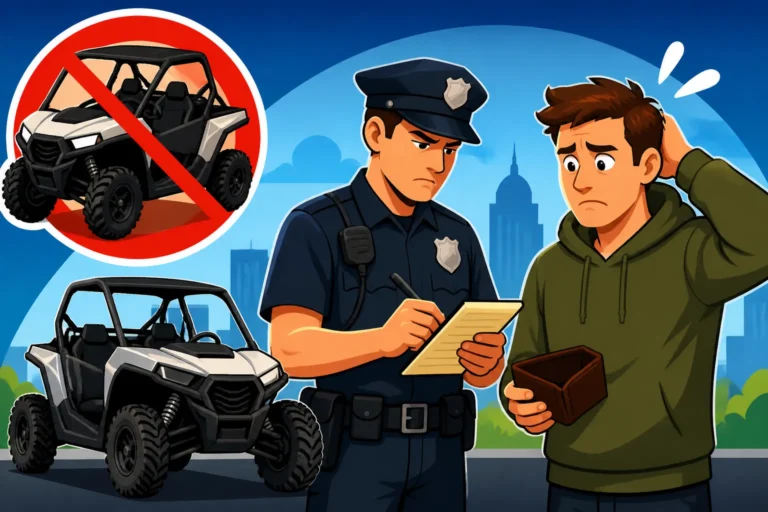
A conviction for operating an off-road machine under the influence in Kansas carries the same legal weight as a DUI in a car. This isn't a slap on the wrist. You're looking at significant fines, potential jail time, and mandatory participation in alcohol and drug education programs. Even if your machine isn't considered "road legal" in the traditional sense – perhaps it's a dedicated sport quad with no headlights – the penalties for impaired operation are still very real. Your driver's license can be suspended, even if you weren't operating a road vehicle at the time of the incident. This means your ability to drive your car to work, take your kids to school, or even pick up groceries could be severely hampered.
Consider the cumulative cost: attorney fees, court costs, fines, ignition interlock device installation (if your license is suspended), increased insurance premiums, and the cost of mandatory education. These expenses can quickly add up to thousands, if not tens of thousands, of dollars. Beyond the financial hit, a DUI conviction becomes part of your permanent record. This can make it incredibly difficult to secure certain types of employment, especially jobs that require driving or a clean background check. It can affect your ability to rent an apartment, obtain loans, or even travel to some countries. The notion that an off-road DUI is somehow "less serious" is a dangerous misconception.
Here’s a simplified look at how some penalties can stack up, though actual outcomes depend on specific circumstances, prior offenses, and court decisions:
| Offense | Fines (General Range) | Jail Time (General Range) | License Suspension | Other Penalties |
|---|---|---|---|---|
| First Offense | Up to several hundred to over a thousand | Days to months (often suspended with conditions) | Months (often restricted with ignition interlock) | Mandatory alcohol/drug evaluation & treatment, court costs, increased insurance. |
| Second Offense | Significantly higher | Months to over a year (some mandatory) | A year or more (often restricted with ignition interlock) | Mandatory alcohol/drug evaluation & treatment, community service, vehicle impoundment. |
| Third Offense | Substantial fines, often thousands | A year or more (mandatory jail time) | A year or more (ignition interlock for life) | Felony charge, extensive evaluation & treatment, community service, vehicle forfeiture. |
Note: These are general ranges for illustrative purposes. Specific penalties vary widely based on individual circumstances, blood alcohol content (BAC), and judicial discretion. Always consult a legal professional for exact information.
The Broader Repercussions Beyond the Courtroom
The legal penalties are just the beginning. An off-road DUI can lead to a cascade of negative consequences that reverberate through every aspect of your life. First, there's the immediate loss of your machine. Your ATV or UTV can be impounded, and recovering it will incur towing and storage fees. In some cases, for repeat offenders, the machine could even be forfeited entirely. Then there are the insurance implications. Even if you only have liability coverage on your off-road machine, a DUI conviction will almost certainly cause your auto insurance premiums to skyrocket, impacting all your insured vehicles. Some insurance companies may even refuse to cover you at all, making it difficult and expensive to get proper protection for your vehicles.
Beyond the financial and legal aspects, consider the safety implications. Impaired riding is a leading cause of ATV and UTV accidents, leading to severe injuries, permanent disability, or even fatalities. These machines, especially those with performance parts from brands like SuperATV, are incredibly powerful and demand full attention and quick reflexes. Alcohol and drugs diminish these critical abilities, turning an enjoyable ride into a potentially deadly mistake. [Kansas Accident Reporting for an ATV Crash] is a serious matter, and if that crash involves impairment, the consequences escalate dramatically. The emotional toll on you and your family can be immense, dealing with guilt, shame, and the stress of navigating the legal system. Your reputation in your community can suffer, and relationships with friends and family may be strained. It's a heavy burden, and one that is entirely preventable.
Staying Safe and Legal: Prevention is Key
When it comes to off-road riding, the best offense is a good defense – and that means making responsible choices long before you ever key the ignition. The allure of combining good times with a few drinks can be strong, especially in a relaxed outdoor setting. However, understanding and respecting the laws, along with prioritizing safety, will ensure your adventures remain thrilling and free from legal troubles.
Making Responsible Choices Before You Ride
The simplest and most effective way to avoid an off-road DUI in Kansas is to adopt a "zero tolerance" policy for yourself: if you're going to drink or use substances, you don't ride, period. This isn't just about avoiding a ticket or jail time; it's about making a commitment to your own safety and the safety of everyone else around you. Planning is crucial. If you anticipate that alcohol or other substances will be part of your gathering, make arrangements beforehand. Designate a sober rider who commits to staying completely clear of any impairing substances for the entire duration of the trip. This person should be prepared to operate the machine, drive the tow vehicle, and manage any situations that might arise.
Alternatively, separate your activities entirely. If your plan includes having adult beverages, then put the machines away for the day. Unload them from the trailer, park them securely, and make it clear to everyone that riding is off-limits. This clear boundary helps prevent impulsive decisions. Think about transport as well. If you're at a remote location, ensure you have a safe way to get home, whether that's a sober driver, a pre-arranged ride, or even planning to camp overnight without the intention of moving your machines. Remember, the law is interested in your physical control of the machine, even if it's just to move it a few feet.
Knowing Your Limits and the Law
Beyond simply avoiding alcohol and drugs while riding, it's essential to understand your own physical and mental limits, and to stay informed about the specific laws that govern off-road vehicle use in Kansas. Even a small amount of alcohol can impair judgment, reduce reaction time, and affect coordination – all critical skills needed for safe off-road operation, especially on challenging terrains. The thrill of navigating trails, climbing hills, or tackling mud pits demands your undivided attention and peak physical ability. Components from companies like SuperATV can enhance your machine's performance and capabilities, but they also mean you're operating an even more powerful and potentially dangerous vehicle if not handled responsibly.
Familiarize yourself not only with state DUI laws but also with specific regulations in areas where you plan to ride. For example, understanding [Kansas Rules for Riding a County Road] or [Kansas Rules for Riding a City Street] can prevent you from inadvertently straying into areas where enforcement might be more frequent. While [Does Kansas Have an ATV Helmet Law at All?] might address protective gear, it's the responsible choices regarding substance use that truly keep you safe from legal and physical harm. Don't be afraid to speak up if you see a friend or family member making questionable choices. A friendly reminder to keep the riding and the drinking separate could save a life, or at least prevent a very expensive and life-altering mistake. It’s about building a culture of responsibility within the off-road community, ensuring everyone can enjoy the incredible experiences these machines offer, safely and legally.
Disclaimer
This article is for general informational purposes only and does not constitute professional advice. Laws, prices and regulations vary by location and change over time. Consult a qualified professional for guidance on your specific situation.