Kansas Rules for Riding a Sandpit
Many Kansas ATV and UTV riders dream of the wide-open expanse and unique challenge of tearing through sand. The thought of endless dunes and soft terrain is incredibly appealing, offering a different kind of thrill than wooded trails or muddy fields. However, actually finding a legal and safe place to ride in a sandpit in Kansas can feel like searching for a needle in a haystack, often leading to frustration and confusion about what's allowed and what's strictly off-limits. This guide will cut through that confusion, explaining the realities of sandpit riding in Kansas, what to expect, and how to stay on the right side of the law, making sure you understand where you can actually enjoy the sand in the Sunflower State.
The Allure and Elusiveness of Kansas Sandpits for ATV & UTV Riders
There’s something uniquely captivating about riding through sand. It’s a different beast entirely from the mud, dirt, or rock crawling that many Kansas riders are used to. The experience promises a blend of challenge and exhilaration that keeps drawing off-road enthusiasts back for more.
Why Sand Riding Captures the Imagination of Off-Road Enthusiasts
The unique sensory experience of sand riding is truly one-of-a-kind. Imagine the deep, satisfying roar of your engine as your tires dig in, but instead of sinking, you feel a sense of floating as your machine glides over the soft terrain. The rooster tails of sand spraying high into the air behind you create dramatic visuals that are absent on traditional dirt trails. It's a distinct test of balance, throttle control, and finesse, requiring a different approach than navigating rocky paths or muddy ruts.
Beyond the immediate thrill, sand offers the appeal of vast, open spaces. Unlike wooded trails where visibility is often limited and obstacles are constant, dunes and large sand areas can offer expansive views and the freedom to explore. This often means less congestion than popular trail systems, allowing riders to really stretch their legs – and their machines' capabilities. The ability to climb steep faces, descend smoothly, and drift through wide turns without immediate tree roots or boulders provides a different kind of challenge, testing various aspects of a rider's skill set and pushing machine performance in new ways.
Then there's the sheer aesthetic. Riding through sandy landscapes, especially at sunrise or sunset, creates incredible, almost otherworldly backdrops. The golden light reflecting off the undulating dunes can make for stunning photographs and unforgettable memories. It’s this combination of unique physical challenge, boundless freedom, and breathtaking scenery that fuels the passion for sand riding and makes finding a legal spot in Kansas such a sought-after quest.
The Harsh Reality: Most Sandpits Aren't Open for Public Recreation
Despite the allure, there's a significant misconception that often leads riders into trouble: the idea that "if it's sandy and looks abandoned, it must be okay to ride." This assumption is far from the truth and is one of the most common pitfalls for enthusiastic riders in Kansas. The vast majority of sand and gravel pits you might encounter are either active industrial sites or privately owned land with very strict liability concerns. They are not simply open recreational areas.
Many "sandpits" across Kansas are, in fact, remnants of old mining or excavation operations. While they may appear unused, grown over, or even forgotten, they still belong to someone. That ownership means riding on them without explicit, documented permission is trespassing, a legal infraction that can carry serious consequences. Furthermore, these sites can harbor unseen dangers: unstable banks that could collapse, hidden industrial debris, or deep water pockets that are extremely hazardous to navigate. These aren't managed recreational spots, and no one is maintaining them for your safety.
It's critical to understand the legal framework of land ownership in Kansas. The notion of "unclaimed land" or "open range" that permits free recreational access is, for the most part, a myth in our modern landscape. Every parcel of land, whether it's a bustling farm field or a seemingly forgotten sandpit, has a legal owner. That owner possesses the absolute right to control who accesses their property and for what purpose. Overlooking this fundamental principle is not just a minor oversight; it's a direct violation of property rights and can lead to immediate legal repercussions, making finding legal access to [Kansas ATV Trails: Where You Can Actually Ride] much more crucial. While there are some [Kansas Private Off-Road Parks] that offer varied terrain, sand-specific riding options are much rarer and typically require specific arrangements.
Navigating Legal Access: Public Parks vs. Private Property
Given that most sandpits are off-limits, the question becomes: where can you legally ride? In Kansas, the options are limited, but they do exist, primarily centering around one dedicated public park or the careful navigation of private land ownership.
The Gold Standard: Syracuse Sand Dunes Park – Kansas's Premier Sand Riding Destination
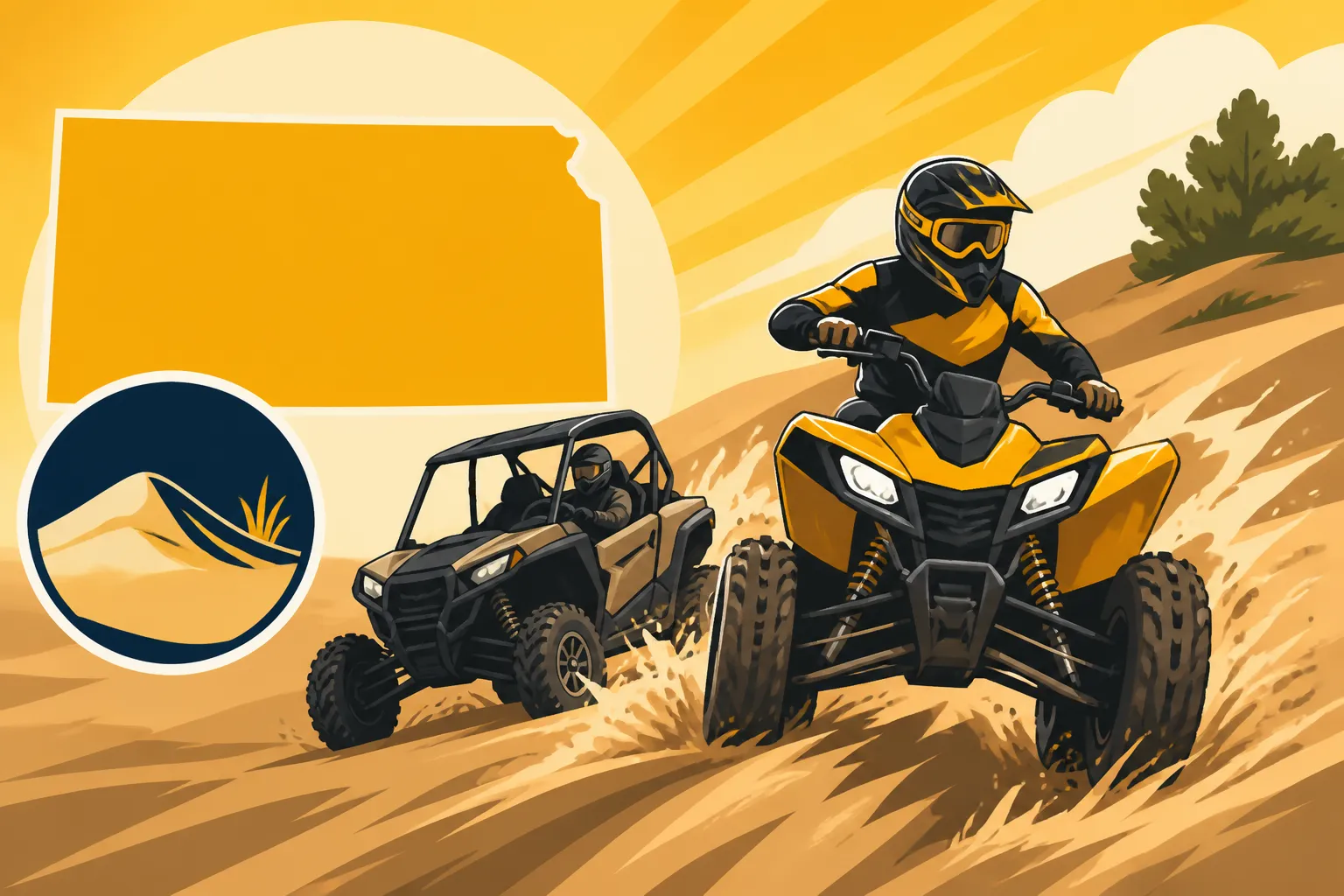
If you're dreaming of endless dunes and legally sanctioned sand riding in Kansas, then [Syracuse Sand Dunes Park in Kansas] is your answer. This incredible park stands out as the primary, legally recognized, and managed destination for off-road sand recreation in the state. Spanning an impressive 1,300 acres in Hamilton County, it's the exception to the rule and a testament to what a dedicated off-road area can offer. Riders travel from all corners of the state and beyond specifically to experience its unique terrain.
The benefits of riding in a designated park like Syracuse are manifold. First and foremost, it eliminates the anxiety and legal risks associated with trespassing. You're in an environment specifically designed and managed for off-road vehicles, with clear boundaries, safety regulations, and often staff on hand. This managed approach not only ensures a safer riding experience but also helps preserve the unique ecosystem of the dunes, ensuring it remains a viable recreational area for years to come. While there are fees and specific rules that apply, these contribute directly to the park's upkeep, maintenance, and the overall safety and enjoyment of all visitors.
Contrasting this with the typical "found" sandpit underscores why Syracuse is such a gem. At Syracuse, you can focus purely on the thrill and challenge of the sand, knowing you're in a legal and relatively safe environment. You don't have to worry about landowners, hidden dangers, or legal repercussions. It's a prime example of a properly managed area that genuinely caters to the passion for sand riding, offering facilities and a community that simply don't exist in unmanaged private pits.
The Critical Step: Seeking Permission for Private Sand and Gravel Pits
For any other sandpit you might discover in Kansas, the golden rule is to always assume it's private land. This means that the only way to legally ride there is to obtain explicit, documented permission from the landowner before you even unload your machine. This isn't just a polite courtesy; it's a fundamental legal requirement that protects both you and the property owner. Identifying the owner can sometimes be a challenge, requiring a bit of detective work through county property records or local inquiries, but a respectful and professional approach is key once you make contact.
The process of [Getting Written Permission From a Landowner Before You Ride] is paramount. A casual verbal agreement, while friendly, offers little legal protection for either party. Landowners, especially those with active operations or significant acreage, are acutely aware of liability concerns. They might require you to sign a formal waiver, agree to specific riding hours, designate certain areas, or even insist on proof of insurance. Understanding their concerns and being prepared to meet reasonable requests can significantly increase your chances of getting access. This written agreement clearly outlines the terms of your access, protecting you from accusations of trespassing and the landowner from liability claims.
Emphasizing why this step is absolutely non-negotiable cannot be overstated. Without official, written permission, you are not only breaking Kansas law but also exposing yourself to a host of significant risks. These include substantial fines, the impoundment of your ATV or UTV, and potentially even civil lawsuits if an accident occurs or property is damaged. Beyond the legal ramifications, there are ethical considerations: respecting private property is a cornerstone of responsible off-roading in Kansas. Building a reputation as a responsible rider who seeks permission can also open doors to future opportunities, fostering goodwill within the local community.
Equipping for the Dunes: Gear and Etiquette for Sand Riding Success
Riding in sand is a unique experience, and it demands specialized preparation. Just as you wouldn't tackle deep mud with street tires, you can't expect to excel in sand without the right gear and a solid understanding of proper etiquette.
Essential Equipment to Conquer the Sand and Stay Safe
When it comes to sand riding, tires are absolutely paramount. Standard knobby tires, which are fantastic for dirt and mud, struggle immensely in deep, soft sand. They tend to dig down rather than float across the surface, causing your machine to get bogged down almost immediately. This is precisely where [Paddle Tires on Dunes] become not just useful, but essential. Their unique, scoop-like design provides maximum propulsion by grabbing and throwing sand backward, offering superior flotation, traction, and control. Many dedicated sand riders invest in a second set of wheels specifically mounted with paddle tires, making it easy to swap them out for sand excursions.
Visibility and safety gear are equally crucial. Sand riding generates an incredible amount of dust, and the rolling terrain of dunes can create sudden blind spots, increasing the risk of collisions. A tall, brightly colored safety flag, often mandated at designated riding areas like Syracuse Sand Dunes and easily sourced from reputable brands like SuperATV, is vital. This flag helps other riders see you, especially when cresting a dune, significantly reducing the chances of an accident. And, as with any off-road adventure, never compromise on standard safety equipment: a well-fitting helmet and proper eye protection are non-negotiable, protecting you from impacts and airborne sand. [Flags Required on Dunes] isn't just a rule; it's a critical safety imperative in this environment.
Finally, consider machine protection and proactive maintenance. Sand is an incredibly abrasive substance that can quickly wear down sensitive components. Investing in high-quality air filters and pre-filters, and diligently cleaning them after every sand ride, is critical to protecting your engine from premature wear. Skid plates and other undercarriage protection, like those robust options offered by SuperATV, can shield your machine from damage caused by hidden rocks, old debris, or unexpected hardpack areas beneath the sand. Even experienced riders can get unexpectedly stuck in deep, soft pockets, so having a winch is a smart recovery tool. [Picking a Winch for a Machine Stuck in Mud] applies just as much to extricating yourself from stubborn sand.
Embracing Responsible Riding: Etiquette for Sand Environments
Responsible riding in sand environments goes beyond just following the law; it's about respecting the land, other riders, and the fragile ecosystem of the dunes. This ensures that these unique areas remain open and enjoyable for everyone.
Always stay on designated areas and respect boundaries. At managed parks like Syracuse, there will typically be clearly marked boundaries or designated riding zones. Adhering to these is crucial not only for safety but also for preserving the surrounding environment. If you've gained permission to ride on private land, stick strictly to the areas the landowner has approved. Straying from these limits can damage sensitive ecological areas, disturb local wildlife, or inadvertently venture into hazardous zones. Avoid riding near any standing water unless it's explicitly part of a designated riding area, as these spots often support delicate aquatic life.
Manage your speed and maintain constant awareness of your surroundings. The open nature of sand dunes can invite higher speeds, but it also creates inherently unpredictable conditions. Always ride within your skill limits and be acutely aware of other riders, especially when approaching blind crests or making turns. The fine dust kicked up by multiple machines can obscure vision very quickly, so maintaining safe distances and anticipating others' movements is crucial. Be mindful of noise levels as well; even in remote areas, excessive noise can carry far and disturb wildlife or nearby residents, even on private land. This is all part of fundamental [Kansas Trail Etiquette Locals Expect], which is about respecting everyone and everything around you.
Practice the "Leave No Trace" principles diligently. Sandpits, whether publicly or privately managed, are often fragile environments that can be easily impacted by human activity. This means packing out absolutely everything you pack in – and then some. Litter, even small items, can be hazardous to wildlife, degrade the aesthetic appeal, and negatively impact the riding experience for others. Be especially careful with fuel or oil spills; these can contaminate the sand and groundwater. Responsible riders always ensure that the area they leave behind is as clean, or even cleaner, than when they arrived, helping to preserve these special places for future generations.
Avoiding the Pitfalls: Risks and Legal Consequences
While the thrill of sand riding is undeniable, the risks of inadequate preparation or, worse, unauthorized access, are severe. Understanding these potential pitfalls and taking steps to avoid them is paramount for any responsible ATV or UTV enthusiast in Kansas.
The Steep Cost of Trespassing on Private Sandpits
The most common and, frankly, most avoidable pitfall in Kansas is riding on private sandpits without express permission. This isn't just a minor infraction; it constitutes trespassing, a serious legal offense in Kansas that carries significant penalties. Riders caught trespassing can face substantial fines, and in many instances, their ATV or UTV can be impounded. This leads to not only the initial fines but also costly recovery fees, daily storage charges, and the immense hassle of dealing with law enforcement and the legal system. The [Kansas Trespass Law for Riders] is clear and strictly enforced, particularly when landowners are dealing with recurrent issues.
Beyond the immediate legal trouble, riding in unauthorized sandpits poses a myriad of serious safety risks that are often invisible until it's too late. These areas, particularly abandoned industrial or mining sites, are not maintained for public recreation. They might contain hidden hazards such as derelict machinery, sharp metal debris, unstable banks prone to collapse, or deep, un-marked excavations and water-filled sinkholes that can be extremely dangerous for any off-road vehicle. Without a landowner's knowledge or the oversight of park management, you are essentially riding blind into potentially life-threatening territory.
Furthermore, an accident that occurs on private property without permission can have devastating personal liability consequences. If you are injured while trespassing, the landowner is generally not responsible for your medical costs or injuries. In fact, you could even face civil lawsuits for any damage you cause to their property or for the costs incurred by emergency rescue services called to the scene. This isn't merely about avoiding a ticket; it's about protecting your personal safety, your financial well-being, and your legal standing.
Preparing for the Unforeseen: Recovery and Emergency Readiness
Even with the best preparation and the most skilled riding, getting stuck in deep sand is always a possibility. Sand is famously unpredictable. That's why one of the most effective preventative measures is to never ride alone in sandpits; always go with a buddy or in a group. If one machine gets bogged down or breaks down, another can provide immediate assistance with recovery or at least get help. Carrying essential recovery gear, such as a heavy-duty tow strap or a robust winch (perhaps a reliable model from SuperATV), is crucial. A sturdy shovel is also a lifesaver for digging out tires that have buried themselves deep.
Reliable communication is absolutely vital, particularly in the remote areas where many sandpits are found. Cell service can be notoriously spotty or non-existent in these locations, making a traditional phone useless in an emergency. Carrying a satellite messenger, a two-way radio, or a GPS device with emergency contact capabilities is a smart investment. Always, always let someone not riding with you know your riding plan, including your intended route, where you’ll be parking, and your estimated return time. Being prepared for a breakdown, an injury, or simply getting lost in an isolated area isn't just smart; it’s an essential part of responsible off-roading.
Finally, never underestimate the importance of carrying basic emergency supplies. A well-stocked first-aid kit, extra water to combat dehydration (especially in dry, dusty environments), and some emergency food can make a significant difference if you find yourself stranded longer than expected. Remember, [Kansas Accident Reporting for an ATV Crash] is a requirement, so being able to communicate details accurately and quickly in an emergency is paramount. Similarly, it's crucial to understand that [Kansas DUI Law and Off-Road Machines] applies to all vehicle operation, even off-road, and impaired riding significantly increases your risk of an accident and subsequent legal trouble.
Sandpit Riding Options in Kansas
| Feature | Syracuse Sand Dunes Park | Private Sandpit (with permission) | Unauthorized Sandpit (Trespassing) |
|---|---|---|---|
| Legality | Legal, designated ORV area | Legal, with explicit permission | Illegal, trespassing |
| Cost | Day pass/Annual pass fees | Free or negotiated terms | Potential fines, impoundment fees |
| Safety | Managed, patrolled, posted rules | Variable, depends on landowner | High risk, unknown hazards |
| Environment | Maintained for recreation | Variable, may have industrial use | Unpredictable, potential pollution |
| Required Gear | Flags, standard safety gear | Varies, flags highly recommended | None (but highly risky without it) |
| Peace of Mind | High, no legal worries | Moderate, need to follow rules | None, constant risk of legal action |
Disclaimer
This article is for general informational purposes only and does not constitute professional advice. Laws, prices and regulations vary by location and change over time. Consult a qualified professional for guidance on your specific situation.