Kansas Rules for a Visiting Missouri Rider
So, you're eyeing a trip from the Show-Me State to the Sunflower State, trailering up your trusty ATV or UTV, and wondering what hoops you'll have to jump through once you cross that Missouri-Kansas border? It's a totally valid question, because while our states are neighbors, our off-road vehicle laws can feel like they're from different planets, causing a lot of head-scratching and potential headaches for visitors. This guide is here to clear up the confusion, helping Missouri riders understand the specific Kansas rules you need to know to ensure your adventure is all fun and no fines.
Understanding the Fundamental Differences in State Laws
It’s easy to assume that laws governing off-road vehicles are pretty similar from one state to the next, especially when they share a border. But when it comes to ATVs and UTVs, Kansas and Missouri have some distinctly different philosophies, particularly around registration, titling, and where you can actually ride. Missouri riders often find Kansas's approach to be a bit more restrictive in certain areas, and understanding these core differences is the first step to a smooth trip.
Registration and Titling: What Kansas Expects
One of the biggest eye-openers for Missouri riders coming into Kansas is often the lack of a statewide registration system for off-road vehicles used purely for recreation. In Missouri, many ATVs and UTVs require registration if they're used on public lands or roads, and they certainly need a title. Kansas, however, operates differently. For recreational machines primarily used off-road, [Kansas Has No OHV Registration] for state trails or general off-road use. This means you won't be looking for a Kansas-specific sticker or license plate for your machine just to hit the dirt.
Instead, Kansas focuses on titling. Most ATVs and UTVs in Kansas are issued what's called a [Kansas Titles ATVs as Nonhighway Vehicles] title. This designation clearly signals that the machine isn't intended for highway use. As a visiting Missouri rider, your machine should already be properly titled and registered (if required for your specific machine type and use in Missouri) in your home state. Kansas generally recognizes out-of-state titles and registrations as valid proof of ownership for visiting machines. You won't need to get a separate Kansas title for your Missouri-titled machine, but you absolutely need to have your Missouri proof of ownership with you. Think of it like driving your car across state lines – your Missouri driver’s license and vehicle registration are valid here, and the same principle applies to your off-road machine's paperwork for ownership.
Road Use Restrictions and City Ordinances
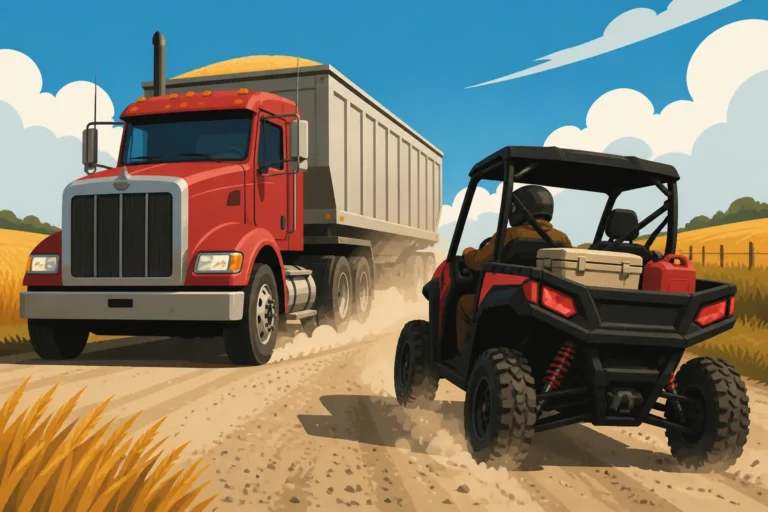
This is where the rubber meets the road, or more accurately, where the tires don't always meet the road in Kansas. While Missouri might have some county roads or specific areas where ATV and UTV use on public thoroughfares is more common or explicitly allowed, Kansas takes a much stricter stance by default. Generally, [Kansas Bans ATVs Inside City Limits by Default] and on most public roads, including state and federal highways. This blanket ban is crucial to understand. You cannot just hop on a county road or a city street in Kansas with your ATV or UTV because it's registered for road use in Missouri; Kansas law almost universally prohibits it unless a specific exception applies.
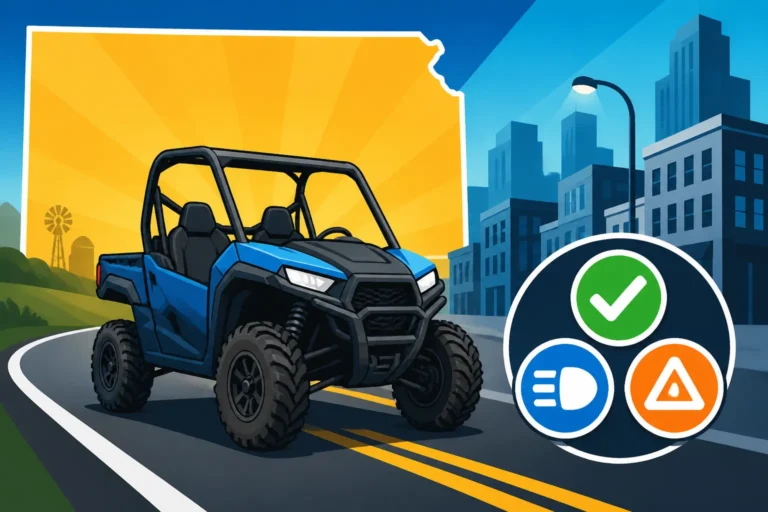
There are narrow exceptions to this rule. Kansas farmers, for example, have an agricultural exemption that allows them to use their machines on public roads for specific farm-related tasks. However, this exception almost never applies to a visiting recreational rider from Missouri. Your Sunday cruise isn't considered "agricultural work" under Kansas law, regardless of what you might do on your own farm back home. Some Kansas cities have passed specific ordinances to allow UTVs (and rarely ATVs) on their city streets, but these are exceptions, not the rule. [Kansas UTV Street Legal Rules by City] outlines some of these unique situations. If you happen to be visiting a town that does allow street legal UTVs, you would typically need to acquire a special city permit or tag, and usually, proof of insurance, which would be specific to that city. As a Missouri rider, it's highly unlikely your Missouri street-legal registration would satisfy the requirements of a specific Kansas city ordinance, so plan on keeping your machine off paved public roads entirely unless you've done your homework and acquired the necessary local permits. For the vast majority of your Kansas trip, your off-road machine should stay strictly off-road.
What to Bring and What to Know Before You Ride
Preparing for a Kansas off-road adventure as a Missouri rider means more than just packing your machine. It’s about having the right documentation, understanding necessary equipment, and knowing what to expect from Kansas’s riding environment. A little preparation goes a long way in preventing any unpleasant surprises.
Essential Documentation and Machine Preparedness
First and foremost, you absolutely need to carry proof of ownership for your ATV or UTV. This means your Missouri title and any registration documents you have from your home state. While Kansas won't issue you a new title, law enforcement officials can and will ask for proof that the machine belongs to you, especially if there's any incident or question about its origin. Along with your machine's papers, make sure you have your valid driver's license. Even if you don't need a special license or permit to ride your ATV itself, you'll need your standard driver's license to tow your trailer, operate a motor vehicle to get to the riding areas, and for general identification.
Regarding insurance, Kansas does not have a statewide mandate for ATV or UTV insurance for off-road use. However, this doesn't mean you should ride without it. Private riding parks almost always require proof of insurance, and if you plan on trying to secure a city permit for street-legal use in one of the rare towns that allow it, insurance will be a requirement. Even for purely off-road riding, having liability and comprehensive coverage is just plain smart. Accidents happen, and protecting yourself and your machine, as well as any property you might inadvertently damage, is crucial. [Do You Need ATV Insurance in Kansas?] is a good resource to explore this further, but as a Missouri rider, it's always best to check with your current insurance provider about coverage when operating out-of-state.
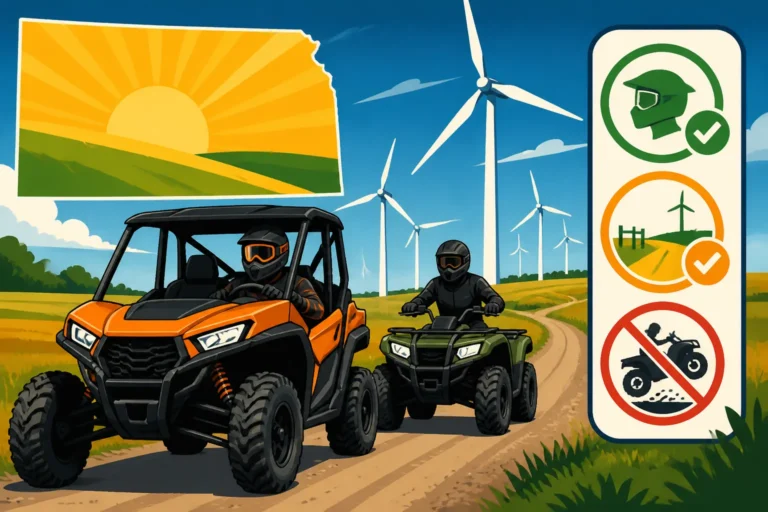
Beyond paperwork, make sure your machine is ready for the terrain. Kansas can be dusty, rocky, sandy, or muddy, depending on where and when you ride. A spark arrester is a must in most riding areas to prevent fires. Headlights and taillights should be fully functional, especially if you plan to be out during dawn, dusk, or night hours at a private park or designated area. Even if there's no state helmet law for adults on private land, many private parks have their own rules, and wearing a helmet is always recommended for safety, especially if you plan on riding aggressively or in challenging terrain. Before you head across the state line, it's always smart to give your rig a once-over. Maybe you've been eyeing some heavy-duty axles or a new set of tires from a brand like SuperATV for those unexpected Kansas challenges. Ensuring your machine is in top shape helps prevent breakdowns and makes for a more enjoyable ride.
Navigating Kansas Riding Areas and Permits
Unlike some states with extensive public trail systems, Kansas has a relatively limited number of public off-road riding opportunities. This is often a point of frustration for riders coming from states with more widespread public access. The good news is that what we do have offers some fantastic riding experiences. The primary options fall into two categories: federal lands managed by the Army Corps of Engineers and privately owned off-road parks. [Kansas ATV Trails: Where You Can Actually Ride] gives a great overview.
Corps of Engineers lands, like [Tuttle Creek ORV Area in Kansas] and School Creek ORV Area, often provide free or low-cost access. However, they come with specific rules, such as operating hours and sometimes machine restrictions (e.g., [School Creek ORV Area in Kansas] has a 50-inch width limit, which can exclude many side-by-sides). Private parks, like [Kansas Rocks Recreation Park] and [Syracuse Sand Dunes Park in Kansas], offer more varied terrain, from challenging rock crawling to wide-open sand dunes, but they charge entrance fees, and each has its own unique set of rules regarding safety gear, machine modifications, and operating hours.
It's important to note that Kansas State Parks generally do not have designated ATV/UTV trails. While you might see references to an "unconventional vehicle permit" in Kansas, this permit ([Kansas Unconventional Vehicle Permit Cost]) allows you to use your ATV, UTV, or golf cart on designated roads and parking areas within state parks or wildlife areas, not on trails. It's essentially a permit for transportation within the park, not for recreational trail riding. You will not buy a "trail pass" in a Kansas State Park because those trails don't exist in the way off-road riders typically think of them.
Here's a quick comparison of the types of riding areas you'll find:
| Feature | Corps of Engineers Areas | Private Off-Road Parks | Kansas State Parks (Roads Only) |
|---|---|---|---|
| Cost | Free to Low Cost | Varies (Day/Annual Passes) | Permit required (Roads only) |
| Terrain | Woods, Dirt, Hills, Mud (varies) | Rock, Sand, Mud, Varied | Paved/Gravel Roads, Parking |
| Rules | Specific to each area, size limits | Park-specific, waivers, safety | Strict road-only rules, speed |
| Amenities | Basic (vault toilets, picnic) | Often extensive (camping, showers, shops) | Standard park amenities |
| Insurance | Not statewide required | Almost always required | Not statewide required |
| Availability | Year-round (weather dependent) | Seasonal or Weekend-Only | Year-round |
Always check the specific website or call ahead for any riding area you plan to visit. Rules, fees, and conditions can change, and you don't want to drive all the way from Missouri only to find your rig doesn't meet the entrance criteria or the park is closed.
Common Pitfalls and How to Avoid Them
When you're riding in a new state, it's easy to fall into traps based on what you're used to back home. For Missouri riders coming to Kansas, the biggest challenges often stem from misconceptions about road use and land access. A proactive approach to understanding these nuances can save you a lot of grief and potential legal trouble.
Misinterpreting Road Rules
Let's reiterate the most important point for Missouri riders: Kansas has a default "no public road riding" rule for ATVs and UTVs. This means that if you're pulling up to a riding area, you cannot assume you can simply ride your machine down a county road to get to the trailhead, or pop into town for a snack. Even if your machine is registered as street-legal in Missouri, Kansas laws govern its operation within Kansas. Missouri's street-legal status for your machine does not transfer to Kansas.
The agricultural exemption often causes confusion. While Kansas law allows farmers to operate ATVs and UTVs on public roads for agricultural purposes, this is a very specific exemption for Kansas residents engaged in bona fide farm work. A Missouri resident on a recreational trip will almost certainly not qualify for this. You cannot claim you're on an "agricultural trip" to justify riding on a 65 mph road.
What about crossing roads? [Crossing a State Highway in Kansas] is generally legal, provided you do so at a right angle, with caution, and yield to all traffic. This is for getting from one off-road section to another, not for traveling down the highway. And what about ditch riding? While some states might have more relaxed rules, [Kansas Rules for Riding a Ditch] are also specific and often tied to land ownership or specific local ordinances. It's not a free-for-all.
My best advice here is to always assume public roads are off-limits unless you have thoroughly researched and confirmed a specific local ordinance for a UTV, and have acquired the necessary Kansas city-specific permits and insurance. Making sure your machine is visible, especially when crossing roads or in dusty conditions, is paramount. Consider adding brighter lights or a whip flag, and brands like SuperATV offer excellent aftermarket options to boost your visibility and safety. When in doubt, transport your machine on a trailer between riding areas, even if they are just a short distance apart by road. It's better to be safe than sorry and avoid a ticket that could ruin your trip.
Land Access and Trespassing
This is perhaps the single most important warning for any visiting rider: in Kansas, if it's not a designated riding area, assume it's private land. Kansas has very little public land that is open to off-road vehicles. Unlike some western states with vast expanses of BLM land, Kansas is primarily privately owned. This means you cannot just pull off the road and start riding in a field, a pasture, or a wooded area, even if there are no fences or "No Trespassing" signs.
The biggest mistake a visiting rider can make is assuming that open ground implies public access. It does not. Always seek and obtain [Getting Written Permission From a Landowner Before You Ride]. This isn't just a polite suggestion; it's a legal requirement. Riding on private land without permission is trespassing, which can lead to fines, your machine being impounded, or even more serious legal consequences. Landowners in Kansas are often protective of their property, and they have every right to be.
Even if you're visiting Kansas to hunt, [Kansas Hunting Land Access by Machine] is strictly regulated. Machines are usually only allowed for specific purposes like game retrieval on private land with express permission, and never as a general mode of transportation across public hunting areas that aren't specifically designated for vehicle use. Be respectful, do your homework, and when in doubt, don't ride. A simple, polite conversation or a quick phone call to a landowner can save you a world of trouble.
Where to Find the Fun: Top Kansas Riding Destinations for Visitors
Okay, after all the warnings about what not to do, let's talk about where you can truly enjoy your off-road machine in Kansas. While options might be fewer than some states, the dedicated riding areas we do have offer unique and exciting experiences for every type of rider, from sand dune enthusiasts to rock crawling adventurers.
Corps of Engineers Lands: Free Fun (Mostly)
The U.S. Army Corps of Engineers manages several reservoirs in Kansas, and a few of these have designated ORV areas that are popular with local riders and visitors alike. These are fantastic options, often free or very low cost, but they come with their own set of rules you'll need to follow.
- Tuttle Creek ORV Area: Located near Manhattan and Randolph, [Tuttle Creek ORV Area in Kansas] is one of the larger and most popular spots. It offers around 310 acres of diverse terrain, including wooded trails, hills, and muddy sections, especially after a good rain. It's a great place for quads, dirt bikes, and side-by-sides. There are no fees to ride here, and it's generally open year-round from sunrise to sunset.
- School Creek ORV Area: Situated near Milford Lake, [School Creek ORV Area in Kansas] provides about 300 acres of riding. However, School Creek is famous (or infamous, depending on your machine) for its 50-inch width restriction. This means many wider side-by-sides will not be permitted here. It's a favorite for traditional ATVs and dirt bikes. If you've got a wider side-by-side, you'll be out of luck, so make sure your machine, perhaps fitted with some of SuperATV's narrower A-arms, meets the size requirements.
- Perry Lake Spillway Riding: Near Perry, the spillway area offers a unique riding experience, particularly known for its challenging terrain after floods. It's generally a smaller area but provides a good mix of dirt and some technical sections. Like other Corps areas, check local conditions before you go, as sections can be closed due to water levels or maintenance.
These Corps areas are generally un-staffed, so you're responsible for knowing and following the rules, packing out what you pack in, and being self-sufficient. They're a great way to experience Kansas's natural beauty on two or four wheels.
Private Parks: Rules, Fees, and Amenities
For a more structured, often more challenging, or specialized riding experience, Kansas's private off-road parks are the place to be. These parks usually have better facilities, but they do come with entrance fees and a stricter set of rules.
- Kansas Rocks Recreation Park (KanRocks): Located near Mapleton, [Kansas Rocks Recreation Park] is a dream come true for rock crawling enthusiasts. This park boasts hundreds of acres with trails ranging from mild to wild, featuring ledges, boulders, and technical sections that will test your machine and your skills. It's primarily open on weekends and usually charges a day or multi-day pass fee. They often have specific rules regarding safety equipment, machine modifications, and sometimes even vehicle types.
- Syracuse Sand Dunes Park: Way out in western Kansas, in Hamilton County, [Syracuse Sand Dunes Park in Kansas] offers a completely different kind of riding experience. With over 1,300 acres of soft, rolling sand dunes, it's perfect for those who love high-speed runs and carving turns. The dunes are open year-round, charge a per-vehicle fee, and often host events like ATV rodeos and poker runs. Be aware that sand riding often requires specific equipment like whip flags and sometimes paddle tires for optimal performance. They also offer camping with hookups and basic amenities. When you hit the private parks, you’ll find a much more structured environment. They often have specific requirements for safety gear, machine modifications, and even sound limits. It's smart to check their website beforehand, and if you're thinking about upgrading for specific terrain, say, a new suspension setup for the rocks or paddle tires for the dunes, SuperATV is a great place to start looking at options.
Remember, always check park websites for specific rules, including helmet requirements, age limits, and any unique equipment stipulations. You don't want to drive all the way from Missouri only to find your rig doesn't meet the entrance criteria.
| Riding Destination | Location | Primary Terrain | Typical Fees (Check Current) | Key Feature / Restriction |
|---|---|---|---|---|
| Tuttle Creek ORV Area | Randolph | Woods, Hills, Mud | Free | Open to all OHV types; diverse terrain |
| School Creek ORV Area | Milford Lake | Woods, Hills, Dirt | Free | 50-inch width limit (excludes many UTVs) |
| Perry Lake Spillway | Perry | Dirt, Technical | Free | Smaller area; conditions vary with water |
| Kansas Rocks Recreation Park | Mapleton | Rock Crawling | Day/Multi-day passes | Challenging rock trails; weekend operation |
| Syracuse Sand Dunes Park | Syracuse | Sand Dunes | Per-vehicle fee, camping options | Large open dunes; requires whip flags, paddle tires recommended |
Coming to Kansas from Missouri with your ATV or UTV can be an incredible experience, filled with unique riding opportunities. The key to a hassle-free trip is understanding and respecting the differences in state laws, particularly regarding road use and private land access. Do your homework, have your documentation ready, and choose your riding destinations wisely, and you'll be set for an unforgettable adventure in the Sunflower State.
Disclaimer
This article is for general informational purposes only and does not constitute professional advice. Laws, prices and regulations vary by location and change over time. Consult a qualified professional for guidance on your specific situation.