Four or More Nonhighway Tires
It can feel incredibly frustrating when you're trying to figure out how your beloved ATV or UTV fits into Kansas law, especially when specific phrases like "four or more nonhighway tires" pop up and leave you scratching your head. This isn't just bureaucratic jargon; it's a critical legal distinction that determines how your machine is titled, and whether or not it needs to be registered. This guide will help you understand precisely what this phrase means, why it matters for your machine, and what implications it has for you as an owner in the Sunflower State.
Decoding Kansas's Nonhighway Vehicle Definition
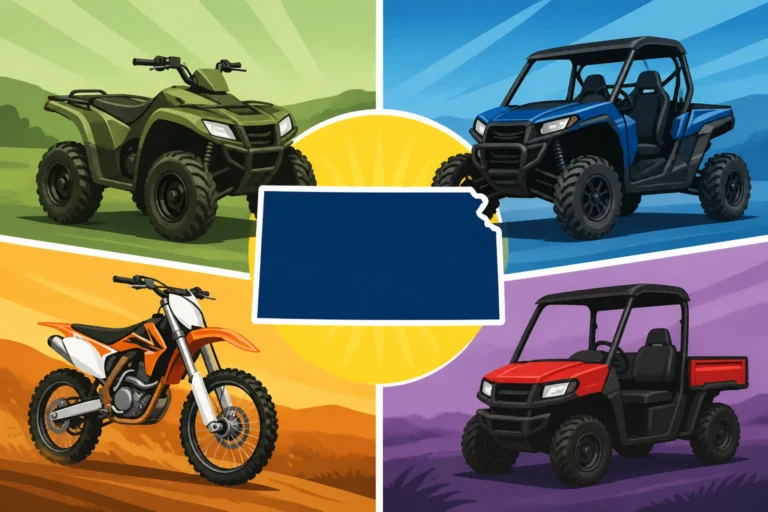
Kansas law can be a bit of a labyrinth, especially when it comes to defining off-road machines. One of the foundational pieces of this puzzle, particularly for ATVs and side-by-sides, is the specific statutory language about "four or more nonhighway tires." This isn't just about the number of wheels your machine has; it's a key component in classifying it as a "nonhighway vehicle," which then sets the stage for how it's treated under the law.
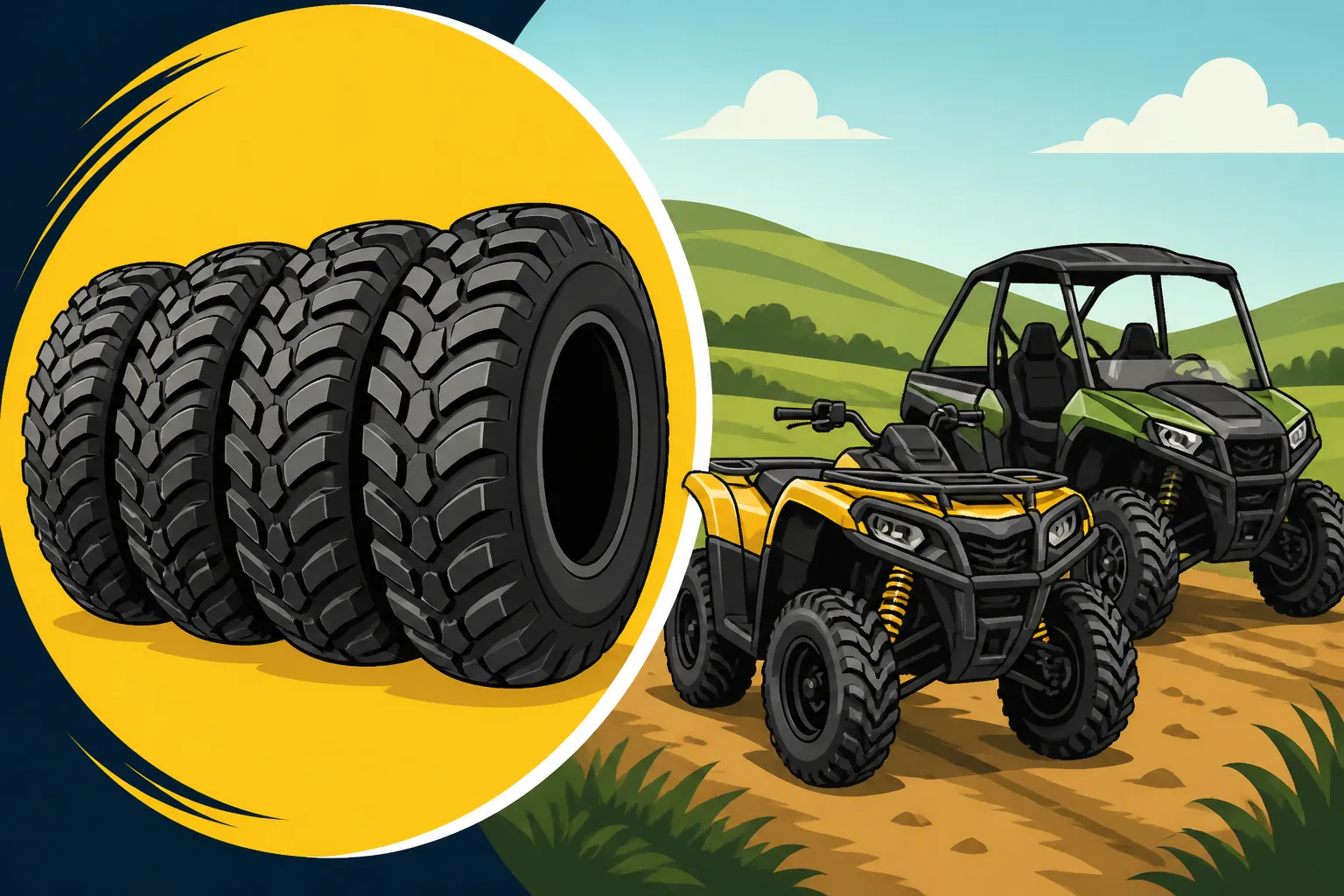
When the law talks about a "nonhighway vehicle," it's essentially drawing a clear line in the sand between machines designed for off-road use and those intended for public roads. The "four or more nonhighway tires" clause is a significant part of that distinction. "Nonhighway tires" themselves are typically characterized by their aggressive tread patterns, often designed for maximum traction on dirt, mud, sand, or rocks, rather than the smooth, long-wearing characteristics of tires built for asphalt. They're usually low-pressure tires, meant to spread the machine's weight over a larger surface area, enhancing grip and flotation in diverse off-road conditions. They simply aren't engineered for sustained high-speed use on paved roads, and using them there can lead to premature wear or even dangerous handling characteristics. This means your typical ATV or side-by-side, with its knobby, robust tires, fits squarely into this part of the definition. You'll often find that the manufacturer's original certificate of origin (MCO) for these machines will implicitly or explicitly point to this off-road design. This definition is crucial because it’s one of the first steps in determining if your machine gets [Kansas Titles ATVs as Nonhighway Vehicles] and how it's handled at the county treasurer's office.
Why Tire Count and Type Matter for Titling
Understanding the "four or more nonhighway tires" definition isn't just an academic exercise; it has very real, practical implications for titling your machine in Kansas. This classification is a primary factor in whether your ATV or UTV receives a "nonhighway title." Unlike highway vehicles, which receive a standard motor vehicle title that paves the way for registration and license plates, a nonhighway title clearly signals that the machine is not intended or legal for general road use.
When you purchase an ATV or side-by-side, particularly from a dealer, the manufacturer's certificate of origin (MCO) will usually define it in a way that aligns with Kansas's nonhighway vehicle definition, including the tire characteristics. If you're buying from a private seller, you'll want to ensure that any existing title is indeed a nonhighway title. This distinction is critical because it explains why [Kansas Has No OHV Registration] requirements for these machines in the same way it does for cars or motorcycles. The state simply doesn't issue annual tags or registration stickers for nonhighway vehicles, because their primary use is off the public road system. The titling process itself is handled by your local [Kansas County Treasurers Handle Titles], not a state agency, underscoring the local, off-road nature of these machines. When you head to the treasurer's office to get your title, the clerk will be looking for confirmation that your machine fits this nonhighway classification, often relying on the MCO or previous title to make that determination. This foundational understanding is key to grasping [Kansas's Nonhighway Title Explained] and avoiding confusion down the line.
Distinguishing From Other Off-Road Machines and the Gray Areas
While "four or more nonhighway tires" is a defining characteristic for many ATVs and side-by-sides, it’s important to understand that Kansas law has several distinct classifications for unconventional vehicles. Just because a machine has four or more tires doesn't automatically mean it falls into the same nonhighway vehicle category as your typical quad. Other factors, like the vehicle's intended purpose, maximum speed, steering mechanism, and seating arrangement, also play significant roles in its legal classification.
For instance, consider golf carts. They certainly have four or more tires, but their design, typical top speed, and intended use for golf courses or slow-speed community travel often place them in a different legal class, sometimes requiring a specific type of city-issued permit for limited street use. The same goes for micro utility trucks, which, while having four or more tires and being used off-highway, often have features like an enclosed cab or different steering mechanisms that set them apart. [What the Law Counts as a Golf Cart] or [What Counts as a Micro Utility Truck] are separate questions entirely, even if they share some characteristics with nonhighway vehicles. The "nonhighway tires" aspect specifically focuses on the robust, aggressive tires common on ATVs and UTVs, designed for rough terrain. What if you decide to put smoother, more street-friendly tires on your side-by-side? While you might change the physical tires, the legal definition of your machine is still largely based on its original manufacturer's intent and design. It would still be classified as a nonhighway vehicle under Kansas law because its fundamental construction — chassis, suspension, engine, and typical use-case — aligns with that definition. This means that merely changing the tires doesn't automatically make a nonhighway vehicle street-legal. For clarity, especially in private sales, using a well-structured bill of sale, perhaps a template from a resource like LawDepot, can help ensure all parties understand the machine's classification. The purpose of these classifications is to ensure that vehicles are used safely and appropriately on Kansas roads, or off them.
Practical Implications for Kansas ATV/UTV Owners
Understanding the "four or more nonhighway tires" definition is more than just knowing a legal phrase; it's about equipping yourself with the knowledge to navigate ownership responsibly in Kansas. This specific characteristic sets the foundation for how you interact with the state's titling system, how you buy or sell a machine, and crucially, where you can legally ride it.
When you're in the market for an ATV or UTV, especially from a private seller, this definition helps you confirm you're getting a true nonhighway vehicle. Always inspect the machine to see if it indeed has the characteristic off-road tires. If the seller presents paperwork, ensure it's a nonhighway title. If the machine is new, the MCO should clearly define it as such. When you're the one selling, accurately representing your machine as a nonhighway vehicle with four or more nonhighway tires is essential for a smooth transaction. You might even use a customizable document platform like LawDepot to create a clear bill of sale that specifies the vehicle type, protecting both buyer and seller. Remember, once you purchase an ATV or UTV, Kansas law gives you [Kansas Gives You 60 Days to Apply] for the title from the date of purchase. Failing to meet this [Sixty Days From the Assignment Date] deadline can lead to penalties, adding unnecessary stress and cost to your ownership experience. This initial titling process is also when you’ll pay [Kansas Sales Tax Collected at Titling], so understanding the machine’s classification helps ensure you’re prepared for all the steps involved. Without this key understanding, you might incorrectly assume your machine needs annual registration or try to ride it in places where it's not permitted, leading to potential fines or issues.
Here’s a quick overview of how the "four or more nonhighway tires" characteristic helps define your machine:
| Characteristic | Typical ATV/UTV (Nonhighway Vehicle) | Golf Cart (Other Unconventional Vehicle) | Micro Utility Truck (Other Unconventional Vehicle) |
|---|---|---|---|
| Number of Tires | Four or more | Four or more | Four or more |
| Tire Type | Aggressive, knobby nonhighway tires | Smoother, low-speed tires | Varies, often highway-capable or industrial |
| Steering Mechanism | Handlebars (ATV), steering wheel (UTV) | Steering wheel | Steering wheel |
| Primary Intended Use | Off-road recreation/work | Golf courses, slow-speed community | Worksite, industrial, limited road use |
| Top Speed | Often 30+ mph | Typically under 25 mph | Varies, often 25-45 mph |
| Default Road Legality | No | No (unless by local ordinance) | No (unless by local ordinance) |
| Kansas Title Type | Nonhighway Title | Standard Title (if registered) | Standard Title (if registered) |
| Kansas Registration/Tags | No | Yes (if city-authorized street use) | Yes (if city-authorized street use) |
Disclaimer
This article is for general informational purposes only and does not constitute professional advice. Laws, prices and regulations vary by location and change over time. Consult a qualified professional for guidance on your specific situation.