Kansas Titles ATVs as Nonhighway Vehicles
Many folks in Kansas get confused when they hear their beloved ATV isn't just an ATV in the eyes of the law, but a "nonhighway vehicle." It can feel like an unnecessary bureaucratic hurdle, especially when all you want to do is hit the trails or get some work done on the farm. This guide will walk you through exactly what this designation means and how to seamlessly title your ATV in Kansas, taking the mystery out of the process so you can get back to riding.
Understanding the "Nonhighway Vehicle" Designation
The term "nonhighway vehicle" can sound a bit intimidating, almost like the state is trying to tell you your trusty ATV isn't a real vehicle. But in Kansas, it’s simply a legal classification that makes a lot of sense once you understand the reasoning behind it. It's not meant to hinder you, but rather to properly classify machines that aren't designed for typical road use.
What "Nonhighway Vehicle" Actually Means in Kansas Law
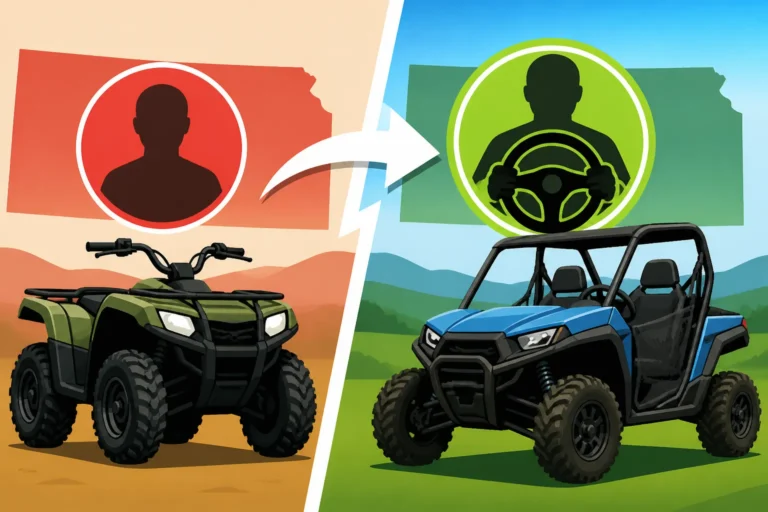
In Kansas, an all-terrain vehicle (ATV) is legally defined as a nonhighway vehicle. This definition essentially means that your ATV is not manufactured or intended for use on public roads, streets, or highways. Think about it – ATVs are built for rugged terrain, dirt, mud, and uneven surfaces, not smooth asphalt at highway speeds. The knobby tires, lack of turn signals, and often smaller engines just aren't suited for safely navigating traffic alongside cars and trucks.
This distinction is crucial because it sets ATVs apart from vehicles like cars, trucks, and motorcycles, which are designed and regulated for public road use. The state isn't trying to complicate things; it's acknowledging the fundamental design and purpose of these machines. It might feel like a strange label, especially if you're used to just calling it a quad, but "nonhighway vehicle" is the legal classification that governs its ownership and use in the state. Kansas Titles ATVs as Nonhighway Vehicles is precisely how the state handles these machines.
Why Kansas Titles ATVs This Way
The primary reason Kansas titles ATVs as nonhighway vehicles is to differentiate them from road-going vehicles for safety, taxation, and regulatory purposes. If ATVs were titled like cars, they would inherently come with the expectation of being street-legal, which they are generally not. This classification helps prevent confusion and promotes safety by clearly indicating that these machines belong off the pavement.
Beyond safety, this designation also streamlines the titling process by removing the need for aspects like annual registration stickers or specific road-worthiness inspections that cars require. It focuses solely on proving ownership, which is essential for preventing theft, facilitating sales, and providing a legal record. It acknowledges that your ATV might be a powerful tool for work on the farm or a thrilling ride on the trails, without forcing it into a regulatory box it doesn't fit.
The Difference Between Titling and Registering
This is a point of frequent confusion for many new ATV owners in Kansas, and it's completely understandable why. We're used to buying a car, titling it, and then registering it to get license plates. With ATVs, it's different. In Kansas, you title your ATV, but you do not register it in the traditional sense for road use. [Kansas Has No OHV Registration] means there's no annual tag or sticker to renew for your ATV to ride off-road.
A title is simply proof of ownership. It’s a legal document that says, "This machine belongs to me." Registration, on the other hand, is generally what grants a vehicle permission to operate on public roads and highways, typically requiring annual fees and a visible tag. Since ATVs are nonhighway vehicles, they aren't meant for public roads, and therefore, they don't require annual registration or a tag from the state. You'll get your title certificate, but you won't be putting a license plate on your quad, and [Why a Kansas Nonhighway Title Never Comes With a Tag] is all about this core distinction. It’s just how the system works for these specific types of machines.
The Titling Process: Your Step-by-Step Guide
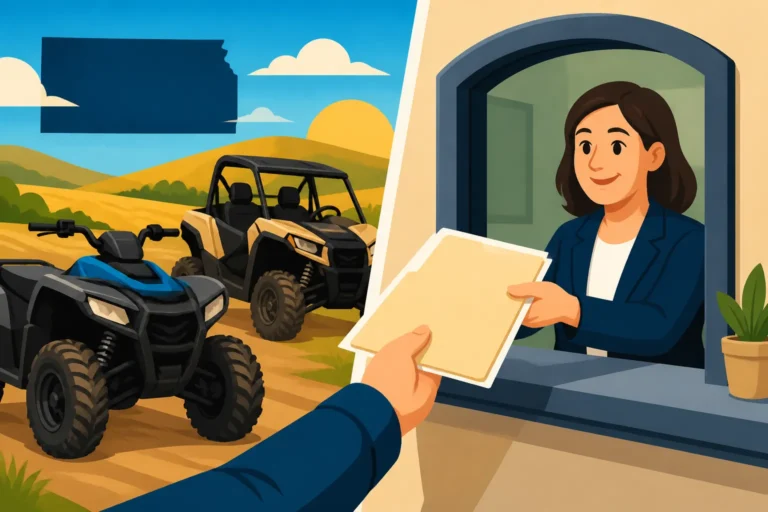
So, you've got your ATV, whether it's brand new or new-to-you, and now you need to make it legally yours in Kansas. Don't worry, it's not as daunting as it might seem. The key is to be prepared and understand the steps involved. This process typically takes place at your local county treasurer's office, and a little forethought can save you a lot of time and frustration.
Gathering Your Paperwork
The first and most critical step is to gather all the necessary documentation before you even think about heading to the county office. Nothing is more frustrating than waiting in line, getting to the counter, and realizing you're missing a crucial piece of paper. You'll need proof of ownership, proof of purchase, and identification. For a new ATV, you'll need the Manufacturer's Certificate of Origin (MCO). For a used ATV, you'll need the previous owner's properly assigned title. In both cases, a detailed bill of sale is essential.
If you've bought your ATV from a dealer, they often help you with this paperwork or provide everything you need in a neat packet. If you've purchased it from a private seller, it's entirely up to you to ensure you have everything. This is where a robust bill of sale comes into play. If, for some reason, the previous owner can't locate the title, you might need to explore options for a nonhighway affidavit, and having access to legal forms from services like LawDepot can be incredibly helpful to make sure you have all your bases covered before your visit. [Kansas Title Paperwork Explained] offers a deeper dive into what documents you’ll need.
Where to Go and What to Expect
Once your paperwork is in order, your next stop is your local county treasurer's office. [Kansas County Treasurers Handle Titles] for all vehicles, including ATVs. This is not a state office; it's a local function, so make sure you're heading to the office in the county where you reside or where the ATV will primarily be kept.
When you arrive, you’ll typically take a number or get in line, just like you would for any other vehicle title transaction. Expect to present all your documents, fill out a Kansas Title and Registration Application (Form TR-212a), and pay the required fees. The clerk will review everything, verify the VIN, and if all is in order, they’ll process your application. You'll usually receive a temporary receipt on the spot, and your official title certificate will be mailed to you later. It’s often best to go during off-peak hours if possible, and always bring a pen! Remember, you're not getting a plate, just the title itself.
The Fees Involved
Let's talk about the costs associated with titling your ATV in Kansas. The actual title fee itself is quite modest, typically a set amount. [Kansas Charges $10 for a Title], which is a pretty standard fee for this service. However, this isn't the only cost you'll incur.
The big one that often catches people off guard is sales tax. Kansas sales tax will be collected at the time of titling, unless you can prove you already paid it to a Kansas dealer. This applies to both new and used machines, and it’s calculated on the purchase price you state on your bill of sale. [Kansas Sales Tax Collected at Titling] is a crucial detail to budget for, as it can be a significant amount depending on the price of your ATV. Be prepared for state and any applicable local sales tax rates. In some cases, there might be a small processing fee as well, but the title fee and sales tax are the main financial components of the titling process.
Essential Documents for Titling Your ATV
The foundation of a smooth titling experience lies in having the correct and complete documentation. Without it, you could be facing multiple trips back and forth, delaying your ability to legally own and ride your ATV. Taking the time to gather and review these documents beforehand is truly an investment in your peace of mind.
Manufacturer's Certificate of Origin (MCO) or Previous Title
When you purchase a brand-new ATV from a dealership, the most important document you'll receive is the Manufacturer's Certificate of Origin, or MCO. This is essentially the birth certificate for your ATV, showing its make, model, VIN, and the initial transfer from the manufacturer to the dealer. The dealer will typically endorse this MCO over to you as part of the sale. Make sure their endorsement is clear and complete.
If you're buying a used ATV, you'll need the previous owner's existing Kansas title. Just like a car title, this document needs to be properly signed over (assigned) to you by the seller. Look for sections on the title specifically for "assignment" or "transfer of ownership" on the back. Ensure the seller's signature, your name, the sale date, and the purchase price are all accurately filled out. Any errors or omissions here can cause significant delays at the county treasurer's office. Without this properly endorsed MCO or title, you won't be able to establish a clear chain of ownership, which is absolutely vital.
Bill of Sale and Proof of Purchase
Even with a proper MCO or previous title, a clear and comprehensive bill of sale is an indispensable document, especially for private sales. This document serves as your undeniable proof of purchase and helps establish the sales price for sales tax calculations. It should include the full names and addresses of both the buyer and seller, the date of sale, the full purchase price, and a detailed description of the ATV, including its make, model, year, and crucially, its Vehicle Identification Number (VIN).
A handwritten bill of sale is perfectly acceptable, as long as it contains all the necessary information and is signed by both parties. [Using a Handwritten Bill of Sale to Title a Quad] is a common practice, but taking the time to write it clearly and completely can save you a world of trouble. If you're unsure about what a good bill of sale should look like, or if you want a more formal document, resources like LawDepot can provide customizable bill of sale templates that ensure all required legal details are included, making your transaction ironclad. This protects both you and the seller.
Identification and Proof of Address
Finally, you’ll need to prove who you are and where you live. This is standard procedure for any vehicle titling transaction. You'll need to present a valid government-issued photo identification, most commonly your Kansas driver's license or state ID card. The name on your ID should match the name you're using on the title application.
In addition to identification, the county treasurer's office will require proof of your current Kansas address. This is typically straightforward if your driver's license has your current address on it. However, if you've recently moved or your ID doesn't reflect your current residency, you might need to bring additional documentation. This could include a utility bill, a bank statement, or official mail that clearly shows your name and current physical address. [Kansas Title and Proof of Address] clarifies these requirements. This ensures that the title is issued to the correct individual at the correct mailing address in the right county.
Navigating the County Treasurer's Office
Stepping into the county treasurer's office to title your ATV can sometimes feel like a trip into a bureaucratic maze, especially if you're not used to the process. But with the right mindset and preparation, it can be a relatively smooth experience. Knowing what to expect, especially regarding deadlines and potential hiccups, can make all the difference.
The 60-Day Deadline
One of the most critical pieces of information you need to remember when titling your ATV in Kansas is the 60-day deadline. You have 60 days from the date of purchase (or the date the title was assigned to you by the seller) to apply for your new title. [Kansas Gives You 60 Days to Apply], and this isn't a suggestion; it's a firm legal requirement. This period starts from the date of assignment on the title or the date on your bill of sale, often referred to as [Sixty Days From the Assignment Date].
Missing this deadline can lead to penalties, which no one wants. [Kansas Title Late Filing Penalties] can add unexpected costs to your overall purchase, so it's really in your best interest to prioritize this step. Set a reminder on your phone, mark it on your calendar, or even schedule your visit to the treasurer's office as soon as you can after acquiring your ATV. It’s easy to get caught up in the excitement of a new machine, but letting the paperwork slide can come with a financial sting.
Common Questions and Challenges
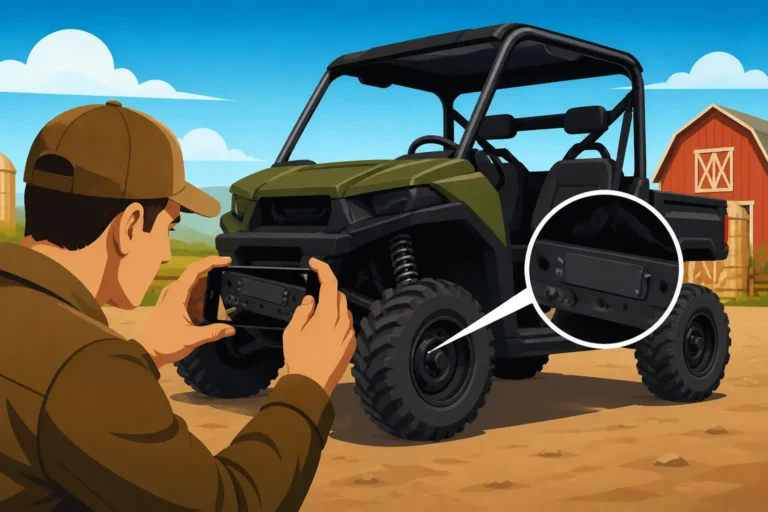
When you're at the county treasurer's office, you might encounter a few common questions or challenges. Clerks are trained to look for specific details and might ask for clarification if something is unclear. For instance, they'll always verify the VIN on your paperwork against the one on your machine – sometimes they might even ask you to show them a picture of it on the ATV if it's not easily accessible. [Kansas Title Questions Treasurers Hear] often revolve around the purchase price, how the sales tax was paid (or not yet paid), and the completeness of the bill of sale.
One frequent challenge arises when information is missing or incorrect on the title or bill of sale. If the seller didn't sign correctly, or a date is missing, you might be sent away to correct it. This is why it’s so important to scrutinize all documents at the point of sale. If you're purchasing from a private seller, you can offer to meet them at the treasurer's office to complete the transfer right then and there, which can prevent many potential headaches. Don't be afraid to ask questions beforehand; a quick call to your local county treasurer's office can clarify specific local requirements. [Questions Worth Asking a Treasurer's Office] can save you a lot of time.
After You Submit Your Application
Once you've successfully navigated the paperwork and paid your fees, the hardest part is over! The clerk will typically give you a temporary receipt or a copy of your application as proof that you've submitted your title request. This temporary document serves as your interim ownership record until the official title arrives.
The physical nonhighway title certificate won't be issued on the spot. Instead, it will be processed and then mailed to the address you provided on your application. The [Kansas Title Processing Time] can vary, but generally, you can expect to receive your title in the mail within a few weeks. It's usually not an instant turnaround, so don't fret if it doesn't show up in a few days. If it seems to be taking an unusually long time, you can always contact your county treasurer's office to inquire about its status, using your temporary receipt or application number as reference.
What a Nonhighway Title Doesn't Mean for Your ATV
It's easy to assume that once your ATV is titled, it's essentially "legal" for all purposes, much like a car. However, with a nonhighway title in Kansas, there are some very important distinctions and limitations you need to understand. This title validates your ownership, but it doesn't open the doors to every type of riding.
Not Street Legal
This is perhaps the most crucial point to grasp about a Kansas nonhighway title: it absolutely does not make your ATV street legal. Many new owners, especially those coming from states with different regulations, mistakenly believe that having a title means they can hop on public roads. This is a dangerous misconception and can lead to serious legal trouble and safety risks. [Having a Title Does Not Make an ATV Street Legal] is a fundamental truth in Kansas ATV law.
ATVs are inherently designed for off-road use, and riding them on public streets and highways puts you, other drivers, and pedestrians at significant risk. They lack the necessary safety equipment (like DOT-approved tires, extensive lighting, and mirrors) and structural design to operate safely in traffic. While there are very specific, limited exceptions for agricultural purposes or certain local city ordinances, these are rare and narrowly defined. The title proves you own it, but it doesn't give you permission to ride it on the pavement.
No Annual Registration or Tag
One of the benefits (or sometimes confusing aspects) of a nonhighway title is that it means your ATV won't receive annual registration or a physical license plate. Unlike cars, trucks, or even some motorcycles, ATVs in Kansas are exempt from this process. [Kansas Has No Annual Tag Fee] because they aren't considered road-going vehicles.
This means you won't have to worry about renewal dates, annual inspection requirements, or finding a place to mount a tag on your quad. While this simplifies things in some ways, it also reinforces the point about non-street legality. There's no state-issued tag to signify road permission because that permission generally doesn't exist for ATVs on public ways in Kansas. It's a clear indicator that the state views these machines as primarily for off-highway use.
Limited Road Use Exceptions
While the general rule is "no public roads," Kansas law does allow for a few very specific and limited exceptions for nonhighway vehicles, though these are typically tied to purpose, not the title itself. The most common exception is for agricultural purposes. Farmers, for instance, may be able to operate an ATV on a public road for short distances to cross or move between fields, provided they meet certain criteria. [Kansas's Agricultural Exception for Road Use] is highly specific and should not be broadly interpreted as permission to cruise down rural roads.
Beyond agricultural use, some individual cities in Kansas have passed local ordinances that do allow UTVs (and sometimes ATVs) to be operated on certain city streets, often with specific equipment, insurance, and local registration requirements. However, these are city-by-city decisions, not statewide rules, and they are typically for side-by-sides, not traditional ATVs. [Kansas UTV Street Legal Rules by City] will require you to check with your specific municipality. A nonhighway title does not automatically grant you these permissions; you must adhere to the specific conditions of any applicable exception or local ordinance. Always confirm the rules before you ride on any public thoroughfare.
Special Situations: Buying, Selling, and Inheriting
Life isn't always a straightforward new-from-the-dealer purchase. Sometimes you buy from a friend, sometimes you inherit a machine, and sometimes the paperwork is just plain missing. These situations require a bit more attention to detail to ensure your ATV is properly titled in your name in Kansas.
Titling an ATV After a Private Sale
Buying an ATV from a private seller is a common way to get into the sport or acquire a workhorse for the farm. The titling process is largely the same as buying from a dealer, but the responsibility for ensuring all paperwork is correct falls entirely on you and the seller. The seller must provide you with their properly endorsed Kansas nonhighway title. They need to sign off on the title in the designated "assignment of title" section, filling in your name, the date of sale, and the purchase price.
Alongside the title, a comprehensive bill of sale is crucial. This document protects both you and the seller by clearly outlining the terms of the transaction. It should include the ATV's VIN, make, model, year, the purchase price, and the full names, addresses, and signatures of both parties. While a simple written note can suffice, using a more structured bill of sale template, perhaps from a service like LawDepot, can ensure all necessary details are captured. [Kansas Titles After a Private Sale] happen every day, but doing it right ensures a smooth transition of ownership and avoids headaches down the line.
Dealing with Missing Paperwork
What happens if you buy an ATV from a private seller, and they simply don't have the title? This is a frustrating but not uncommon scenario, especially with older machines that might have changed hands multiple times on a farm. In Kansas, you may be able to use a nonhighway affidavit, specifically the Kansas Division of Vehicles form TR-13, "Affidavit to a Fact." [Kansas Nonhighway Affidavits] are designed for situations where a title is lost, destroyed, or never issued, but you can still prove ownership.
To use the TR-13 affidavit, you'll need to fill it out thoroughly, providing details about how and when you acquired the machine, why the title is missing, and the VIN. You'll likely need to have it notarized. You'll also need supporting documentation, such as a detailed bill of sale, or even sworn statements from previous owners if available. [Using a TR-13 Affidavit When There Is No Title] is a process that requires patience and diligence. The county treasurer's office will review your affidavit and supporting evidence to determine if a new title can be issued. Having a robust bill of sale and any other purchase receipts will greatly strengthen your case.
Titling an Inherited or Gifted ATV
If you've inherited an ATV after the passing of a loved one, or if someone has generously gifted you a machine, the titling process has a few specific nuances. For inherited machines, you'll typically need to provide a copy of the death certificate, and depending on the value of the estate, you might also need documentation from probate court, such as letters of administration or an affidavit of heirship. This proves your legal right to the property. [Kansas Titles for an Inherited Machine] require these extra steps to ensure proper legal transfer.
For gifted ATVs, you'll still need a bill of sale, even if no money changed hands. The bill of sale should clearly state "gift" or "$0" as the purchase price. While a gift means you don't pay sales tax on the transaction, the county treasurer will still require this documentation to establish the transfer of ownership. [Kansas Tax on a Gifted Machine] is generally exempt from sales tax, but you still need to prove it was a gift, not a hidden sale. In both inherited and gifted scenarios, having clear, documented proof of how the ATV came into your possession is key to a smooth titling process.
Common Pitfalls and How to Avoid Them
Even with all the right information, it's easy to stumble into common traps when dealing with ATV titles in Kansas. Many of these pitfalls stem from simply not knowing the specifics of nonhighway vehicle laws. Being aware of these potential issues upfront can save you a lot of headache, stress, and even money.
Overlooking the 60-Day Window
This is one of the biggest and most common mistakes people make. The thrill of a new ATV often pushes bureaucratic tasks to the back burner. "I'll get to it next weekend," you might think. But those weekends turn into weeks, and before you know it, that 60-day window has slammed shut. As mentioned earlier, [Kansas Title Late Filing Penalties] are real and they will be applied if you miss the deadline. These penalties typically start accumulating from day 61.
To avoid this entirely, make a plan for your titling visit immediately after purchasing your ATV. Put a reminder on your calendar with an alert a week or two before the deadline. If possible, consider visiting the county treasurer's office within the first week or two of ownership. The faster you get it done, the less you have to worry about, and you can enjoy your machine knowing all your paperwork is in order. Don't let a simple lapse in timing turn into an avoidable expense.
Incomplete or Incorrect Paperwork
Another major source of frustration at the county treasurer's office is incomplete or incorrect paperwork. This can manifest in many ways: a missing signature on the title, the wrong VIN on the bill of sale, an incorrect purchase date, or simply not having all the required documents. When a clerk spots an error or a missing piece, they have no choice but to reject your application, sending you back to gather more information or correct a mistake.
This can be incredibly irritating, especially if you've already waited in line. The best way to avoid this is meticulous preparation. Before you leave your house, lay out every single document you plan to bring. Double-check every name, date, VIN, and signature. Compare the VIN on your bill of sale and title to the actual VIN stamped on your ATV. If you're using a template for a bill of sale, ensure it's comprehensive; using a service like LawDepot for forms can help ensure all the necessary legal fields are present and correctly formatted. When in doubt, call your local county treasurer's office ahead of time to confirm their specific requirements. [Questions Worth Asking a Treasurer's Office] are never a waste of time.
Assuming Road Legality
This pitfall isn't just about avoiding a fine; it's about safety. Many people incorrectly assume that because their ATV has a title, it's now legal to drive on any road, especially quiet rural routes. This assumption is dangerous and incorrect. As we've discussed, a Kansas nonhighway title does not grant you permission to ride on public roads. Trying to do so can result in significant fines, potential impoundment of your ATV, and most importantly, serious accidents or injuries.
The temptation to take the "shortcut" down a paved road or cruise through a small town on your ATV can be strong, but the risks far outweigh any convenience. Local law enforcement takes these laws seriously, and they are quick to issue citations for illegal road use. Educate yourself and any other riders about the strict limitations on public road use for ATVs in Kansas. Always err on the side of caution, and assume that public roads are off-limits unless you are absolutely certain a very specific, limited exception applies and you meet all its requirements.
Beyond the Title: Other Considerations for Kansas Riders
Getting your ATV properly titled as a nonhighway vehicle is a monumental first step, but it's just one part of being a responsible and prepared rider in Kansas. There are other practical considerations that will enhance your riding experience, protect your investment, and ensure you're always operating within the bounds of the law.
Insurance for Your Nonhighway Vehicle
Even though Kansas doesn't require state-level registration or a tag for your nonhighway ATV, that doesn't mean you should skip insurance. In fact, comprehensive ATV insurance is a smart decision for almost every rider. Accidents happen, theft is a real concern, and liability can be substantial if you're involved in an incident that causes damage or injury to others.
Many insurance companies offer policies specifically tailored for off-road vehicles. These can include coverage for collision, comprehensive (theft, fire, vandalism), and crucial liability coverage. While the state doesn't mandate it, some local city ordinances that allow limited UTV street use do require proof of insurance. [Kansas Insurance Driven by City Rules] will be a factor for you if you live in such an area. Even if you're only riding on private land, having insurance protects your investment and provides peace of mind. [Kansas ATV Insurance Costs] can vary, but the protection they offer is often well worth the premium.
Where You Can Ride Your Titled ATV
With your ATV titled, the next logical question is, "Where can I actually ride this thing?" Since public roads are generally off-limits, you'll need to know your options for legal and fun riding. The vast majority of ATV riding in Kansas occurs on private land. If you own land, you can ride on it. If you have permission from a landowner, you can ride on their property. Always, always get explicit permission before riding on private property that isn't yours.
Kansas also offers a few designated public riding areas. The U.S. Army Corps of Engineers manages some properties with ORV areas, such as Tuttle Creek and School Creek. Additionally, there are private off-road parks, like Kansas Rocks Recreation Park or Syracuse Sand Dunes Park, which provide dedicated trails and facilities for riders. These parks often charge a day-use or annual fee. [Kansas ATV Trails: Where You Can Actually Ride] gives you a deeper dive into the available options. Make sure you understand the rules and regulations of any riding area before you visit.
Understanding "Work-Site Utility Vehicles" (WSUVs)
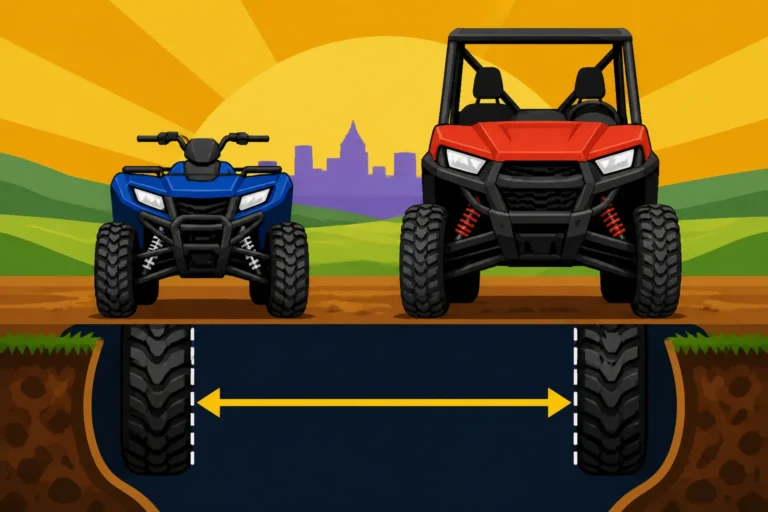
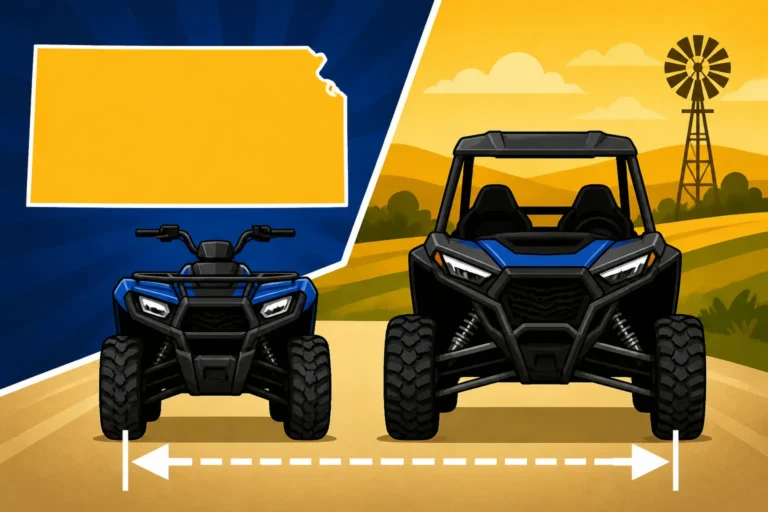
While this guide has focused primarily on ATVs as "nonhighway vehicles," it's worth briefly touching on a related class in Kansas law: Work-Site Utility Vehicles, or WSUVs. Kansas has a specific classification for these types of machines, which are typically side-by-sides (UTVs) that meet certain width, weight, and seating criteria. [What Makes a Side-by-Side a Work-Site Utility Vehicle] is a distinct legal definition.
WSUVs are still nonhighway vehicles, but they have a slightly different set of rules, particularly regarding potential (though still very limited) road use in certain situations. They are designed for specific work-related tasks and often have characteristics like steering wheels and bench seating. If your side-by-side fits the WSUV definition, its titling process will be similar to an ATV, but you might find different considerations regarding its use. It’s important to know which class your machine falls into, as it directly impacts your responsibilities and permitted uses in Kansas.
| Feature | Nonhighway ATV Title (Standard) | Road Legal Vehicle Title (Car/Truck) |
|---|---|---|
| Purpose | Proof of ownership | Proof of ownership |
| Primary Use | Off-road, private land, trails | Public roads, streets, highways |
| State Tag/Plate | No | Yes, annual registration |
| Annual Fees | None (after initial title) | Yes (registration renewal) |
| Street Legal? | Generally No | Yes |
| Safety Equip. | Minimal required for sale | Extensive (lights, mirrors, horn) |
| Sales Tax | Collected at titling | Collected at titling |
| Insurance | Recommended, sometimes local req. | Mandatory for road operation |
Disclaimer
This article is for general informational purposes only and does not constitute professional advice. Laws, prices and regulations vary by location and change over time. Consult a qualified professional for guidance on your specific situation.