Kansas WSUV Weight Over 800 Pounds
Navigating the specific legal definitions for off-road vehicles in Kansas can feel like trying to solve a complex puzzle, especially when you're trying to figure out if your side-by-side qualifies for a Work-Site Utility Vehicle (WSUV) title. Many owners are left scratching their heads over the precise weight requirements, unsure if their machine meets the criteria. This guide will meticulously break down the "over 800 pounds" weight stipulation for WSUVs in Kansas, helping you understand this critical aspect of titling your machine and ensuring you're compliant with state law.
Understanding the Kansas WSUV Classification
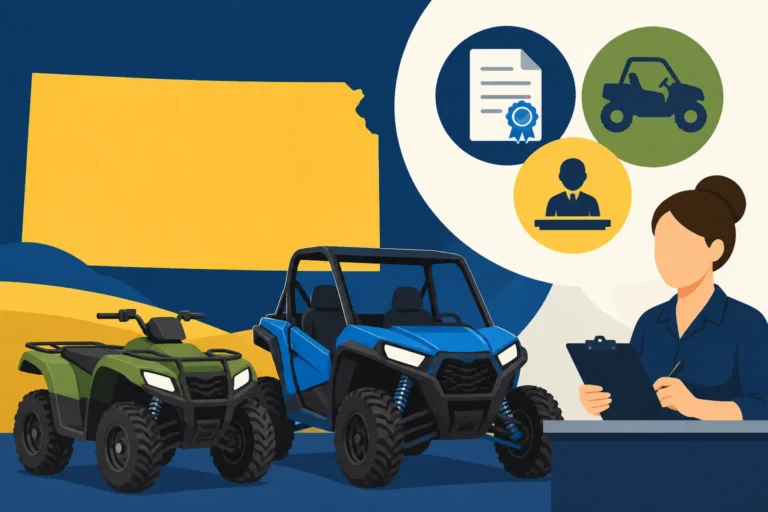
Kansas law has some very specific categories for off-road machines, and one that often causes confusion is the Work-Site Utility Vehicle, or WSUV. It's not just another term for a side-by-side; it’s a distinct classification with its own set of rules, particularly when it comes to titling and potential limited road use. Many people assume all UTVs are treated the same, but the WSUV designation carves out a niche that can be incredibly useful for those who operate these machines for work purposes. Getting this classification right from the start can save you a lot of headaches down the road, especially if you plan to use your machine on designated public roads.
What Defines a Work-Site Utility Vehicle Beyond Weight
The "over 800 pounds" rule is a crucial piece of the WSUV puzzle, but it's not the only one. To truly understand what makes a side-by-side a Work-Site Utility Vehicle, you need to look at a few other key characteristics that define it under Kansas statutes. These include specific width limitations and seating arrangements. For example, a WSUV must also be no more than 48 inches in width, a dimension that often catches owners by surprise as many modern side-by-sides exceed this. It also needs bench or bucket seating designed to hold occupants side-by-side, which is where the "side-by-side" term really takes root in the legal definition.
Beyond these physical dimensions, the intent of the vehicle's design plays a role. A WSUV is fundamentally designed for work applications, whether that's hauling tools on a construction site, moving feed on a farm, or maintaining property. This work-oriented design often differentiates it from purely recreational sport UTVs, even if they share some similar features. Understanding these combined factors is essential for anyone trying to navigate [What Makes a Side-by-Side a Work-Site Utility Vehicle] and properly title their machine.
The Importance of Classification for Titling
Accurate classification is absolutely paramount when it comes to titling your off-road machine in Kansas. If your side-by-side meets all the criteria for a WSUV – including the over 800 pounds unladen weight, the 48-inch width, and the seating configuration – it will be titled as such by the county treasurer's office. This isn't just a bureaucratic formality; it dictates what kind of title you receive and what paperwork you'll need. Incorrectly classifying your machine could lead to delays, rejection of your title application, or even issues with law enforcement if you attempt to use it on public roads under the wrong pretenses.
Furthermore, the WSUV classification often opens up possibilities for limited road use that other nonhighway vehicles, like standard ATVs, typically don't have. While not street-legal everywhere, certain cities and counties in Kansas have ordinances that permit WSUVs to operate on specific roads. Without the correct WSUV title, you won't be able to take advantage of these local exceptions, even if your machine physically meets the requirements. That's why taking the time to understand [Kansas Work-Site Utility Vehicles Explained] and ensuring your application is precise is a critical first step.
Delving into the "Over 800 Pounds" Rule
The specific weight requirement for a Work-Site Utility Vehicle in Kansas often trips up owners who are trying to title their machines. The law states that a WSUV must have an "unladen weight over 800 pounds." This isn't just a random number; it's a critical threshold that helps distinguish these utility-focused machines from smaller, lighter recreational quads or even some highly modified golf carts. Understanding what "unladen weight" truly means and how it applies to your specific machine is vital before you even consider heading to the county treasurer's office.
Unladen Weight Versus Gross Vehicle Weight
When the law specifies "unladen weight," it's referring to the weight of the vehicle itself, as manufactured, without any cargo, passengers, or added accessories like winches, roof racks, or toolboxes that you might have bolted on after purchase. Think of it as the machine's curb weight. This is a crucial distinction because many side-by-side owners will load up their machines with all sorts of aftermarket add-ons, or they might think about the weight of the machine with a full tank of gas and a driver. However, for titling purposes as a WSUV, the state is strictly looking at the weight of the vehicle as it came from the factory, empty of any payload.
On the other hand, "gross vehicle weight" would include the weight of the vehicle plus its maximum permissible load of passengers, cargo, and any additional equipment. This figure is important for safe operation and capacity limits but is not what Kansas considers for the WSUV weight classification. If your side-by-side's unladen weight hovers right around the 800-pound mark, it's worth double-checking the manufacturer's official specifications, as even a few pounds can make a difference in its classification. This distinction is part of the broader definition detailed under [48 Inches and 800 Pounds].
Practical Implications for Side-by-Side Owners
For a side-by-side owner, the "over 800 pounds" rule has direct practical implications when it comes to obtaining a title. If your machine's unladen weight falls under 800 pounds, even if it meets the width and seating criteria, it simply will not qualify as a WSUV in Kansas. It would likely be classified as a standard ATV or another type of nonhighway vehicle, which comes with different titling procedures and road use restrictions. This means you might not be able to obtain the specific title needed for limited road use in communities that allow WSUVs.
Imagine you've bought a lighter, more compact side-by-side, perhaps for light yard work or recreational trail riding. You might assume it's a WSUV because it looks like one, but if its unladen weight is 750 pounds, it simply doesn't fit the legal definition. This can be frustrating if you had plans to ride it to the local hardware store or across town for a job site, only to find out you can't get the appropriate title for such use. Always verify the manufacturer's specifications for unladen weight before making any assumptions about its classification.
Why the Weight Requirement Matters for Road Use
The weight requirement for WSUVs isn't just an arbitrary number; it's a foundational element that underpins the entire legal framework for how these machines are treated in Kansas. When the state defines a WSUV as having an unladen weight of "over 800 pounds," it's part of a broader attempt to categorize vehicles based on their design, potential uses, and the inherent risks they might pose on public roads. This distinction is critical because it directly influences whether your machine can legally access public thoroughfares, even in a limited capacity.
WSUV Road Rules and the Weight Connection
The "over 800 pounds" stipulation for WSUVs, combined with the 48-inch width limit and other characteristics, is part of what allows certain Kansas cities and counties to create specific ordinances for limited road use. Generally, standard ATVs are heavily restricted from public roads across the state, with very few exceptions. However, WSUVs, due to their more robust construction, specific design for utility work, and often greater stability (implied by their weight and typical wheelbase), are sometimes given more leeway.
For example, a city might pass an ordinance that permits properly titled WSUVs to operate on city streets with speed limits of 35 mph or less, provided they have the necessary safety equipment like headlights, tail lights, and turn signals. This permission is directly tied to the WSUV classification, which includes that critical weight threshold. If your machine doesn't meet the over 800 pounds requirement, it simply won't qualify for these local road use exceptions, regardless of how safe or equipped it might seem. This creates a clear boundary that distinguishes machines suitable for certain road conditions from those that are not.
Avoiding Penalties for Misclassification
The consequences of misclassifying your machine, or simply not meeting the WSUV weight requirement, can range from mild inconvenience to significant legal penalties. If you attempt to use a side-by-side on public roads under the assumption that it's a WSUV, but it fails to meet the weight (or any other) criteria, you could be cited for operating an unregistered or unauthorized vehicle on a public road. These citations can come with fines, court costs, and potentially even impoundment of your machine, depending on the circumstances and the local jurisdiction.
Beyond road use, an incorrectly classified machine can create headaches during a private sale. If you're selling a side-by-side that you believed was a WSUV, and the buyer later discovers it doesn't meet the legal definition, it could lead to disputes. To avoid these issues, it's always best to be meticulous about verifying your machine's specifications against the legal definition. Utilizing resources like LawDepot for drafting a detailed bill of sale can also help clarify the vehicle's characteristics and any agreements between buyer and seller, providing an extra layer of protection. This due diligence ensures you comply with Kansas law and maintain smooth transactions, protecting both yourself and potential buyers.
Steps to Verify Your Machine's Weight for Titling
Verifying your machine's weight might sound straightforward, but it’s a step where many owners make assumptions that can lead to titling errors. Given that Kansas law specifically requires the "unladen weight over 800 pounds" for a WSUV classification, accurately determining this figure for your specific side-by-side is non-negotiable. Don't rely on guesswork or what a friend's similar machine weighs; manufacturers can make subtle changes year to year, and even trim levels within the same model can vary significantly.
Locating Manufacturer Specifications
The absolute best place to find your machine's official unladen weight is through the manufacturer's specifications. This information is typically available in the owner's manual, on the manufacturer's official website, or sometimes on a VIN plate or sticker located on the machine itself. Look specifically for terms like "dry weight," "curb weight," or "unladen weight." These figures represent the weight of the vehicle without fluids (like fuel or oil) or with fluids but no cargo or passengers, which aligns with the "unladen" definition.
If you have a newer model, accessing this information online is usually quite easy. Simply search for your specific make, model, and year, followed by "specifications" or "dry weight." For older or less common machines, you might need to consult an archived owner's manual or reach out to a dealer who specializes in that brand. It's crucial to get the exact figure for your machine, as even small variations can affect whether it crosses that 800-pound threshold. This step is fundamental to correctly [Choosing the Right Class on a Form] when you go to title your machine.
When to Seek Professional Weighing
While manufacturer specifications are generally reliable, there are certain situations where professional weighing might be a good idea, or even necessary. If you've heavily modified your side-by-side with significant aftermarket additions – like a heavy-duty winch, a full cab enclosure, track systems, or large storage boxes – the manufacturer's unladen weight might no longer accurately reflect the machine's actual base weight. While the law technically looks at original unladen weight, having a current, verified weight can be helpful for your own records and peace of mind.
Another scenario is if you have an older machine where the manufacturer's data is elusive, or if you've purchased a used machine with no clear documentation. In these cases, taking your side-by-side to a certified weigh station (like a truck stop with scales or a public scale at a landfill) can provide an accurate measurement. Make sure to remove all cargo and passengers before weighing to get as close as possible to the "unladen" figure. While this isn't strictly required for titling if you have official specs, it can be a valuable step for unique situations or for personal verification, especially if you are concerned your machine is very close to the 800-pound mark.
Common Misconceptions and Troubleshooting
The world of off-road vehicle titling in Kansas is ripe with misconceptions, and the WSUV weight requirement is no exception. Owners often compare their machines to others in different classifications or get confused about how specific modifications impact the legal definition. Dispelling these myths and understanding troubleshooting steps can prevent frustration and ensure a smoother titling process at the county treasurer's office.
Comparing WSUV Weight to Other Off-Road Classes
One common misconception is assuming that if a machine looks heavy or sturdy, it automatically qualifies as a WSUV. However, Kansas law has distinct definitions for ATVs, WSUVs, micro utility trucks, and golf carts, and their weight requirements are not interchangeable. For instance, a traditional ATV, while robust, is defined primarily by its straddle seating and handlebar steering, and doesn't have a specific unladen weight requirement for its basic nonhighway title. [How Kansas Law Defines a Nonhighway Vehicle] goes into greater detail about these distinctions.
A side-by-side that doesn't meet the "over 800 pounds" unladen weight for a WSUV might still be titled as a nonhighway vehicle, but it won't receive the WSUV designation. This is a critical difference for potential limited road use. Similarly, micro utility trucks and golf carts have their own separate classifications with different weight, width, and speed considerations. Just because your machine is heavier than a typical golf cart doesn't mean it's a WSUV; it must meet all the WSUV criteria, including the weight. Understanding these differences prevents confusion and ensures you're applying for the correct title class.
What to Do if Your Machine Doesn't Meet the WSUV Weight
If you've checked your manufacturer's specifications and confirmed that your side-by-side's unladen weight is 800 pounds or less, it simply cannot be titled as a WSUV in Kansas. This can be disappointing if you had specific plans for it, but it's important to accept this reality rather than trying to force a misclassification. Your machine will still likely qualify for a [Kansas Titles ATVs as Nonhighway Vehicles] title, which is the standard nonhighway vehicle title issued for ATVs and other similar off-road machines.
The process for obtaining a standard nonhighway vehicle title is largely similar: you'll still need your manufacturer's statement of origin (MCO) or previous title, a bill of sale, and proof of identification. The key difference is that it won't carry the WSUV designation. This means that any local ordinances that permit WSUVs on public roads will not apply to your machine. If limited road use is a crucial factor for you, and your current machine doesn't meet the WSUV criteria, you might need to consider a different model that does, or explore other options for transport to your work sites or riding areas.
Preparing Your Paperwork for the County Treasurer
Once you've meticulously verified your side-by-side's unladen weight and confirmed it meets the "over 800 pounds" requirement (along with other WSUV criteria), the next logical step is to gather all the necessary documentation for your visit to the county treasurer's office. This preparation is crucial for a smooth and efficient titling process. Showing up unprepared with missing documents can lead to multiple trips and unnecessary delays, which is frustrating for everyone involved.
Essential Documents Beyond Weight Verification
While proving your machine's weight is important for classification, it's just one piece of the paperwork puzzle. When you head to the [Kansas County Treasurers Handle Titles] office, you'll need several other critical documents to successfully title your WSUV. These typically include:
- Manufacturer's Statement of Origin (MSO) or Previous Title: This is the original ownership document for a new machine or the properly assigned title from the previous owner if you bought it used. Without this, you cannot prove ownership.
- Bill of Sale: A detailed bill of sale, especially for private party purchases, is crucial. It should include the purchase price, date, buyer and seller information, and the machine's VIN. For this, tools like LawDepot can be incredibly helpful for generating a professional and legally sound document that covers all the necessary bases.
- Proof of Identity and Residency: You'll need a valid driver's license or state ID, and proof of your Kansas residency, such as a utility bill or lease agreement, to show you are titling the machine in the correct county.
- Proof of Insurance (if applicable): While not universally required for a nonhighway title, if you intend to pursue city-specific road use permits for your WSUV, proof of insurance will almost certainly be a requirement from the city office.
- Payment for Fees: Be prepared to pay the titling fee (which is minimal in Kansas) and any applicable sales tax, which is typically collected at the time of titling.
Having all these documents organized and readily accessible will significantly speed up your transaction. For more information on what to bring, refer to [What to Bring to the Treasurer's Office to Title].
Navigating the Titling Process
The actual titling process for a WSUV in Kansas follows a similar path to other vehicle titling, primarily handled by your local county treasurer's office. After gathering your documents, you'll visit the treasurer's office in the county where you reside or where the machine will be primarily kept. They will review your MSO or previous title, bill of sale, and identification. This is when the classification of your machine as a WSUV will be officially recorded.
You'll complete a title application form, often referred to as a TR-212a or similar. It's on this form that you'll select the WSUV classification, relying on the weight and other characteristics you've verified. The treasurer's staff are there to assist with questions, but coming prepared with all your information, including the confirmed unladen weight, will make their job – and yours – much easier. Remember that [Kansas Gives You 60 Days to Apply] for a title from the date of purchase, so don't delay! Missing this deadline can result in late fees, adding unnecessary cost and stress to the process. If you have any specific questions about the process, it's always a good idea to contact your county treasurer's office directly. They are the experts on [Kansas Title Questions Treasurers Hear].
| Feature | ATV (Standard Nonhighway) | WSUV (Work-Site Utility Vehicle) |
|---|---|---|
| Unladen Weight | No specific minimum/maximum for classification | Over 800 pounds |
| Maximum Width | Generally no specific legal maximum for classification | 48 inches or less |
| Seating | Straddle seating (single or tandem rider) | Bench or bucket seating, side-by-side |
| Steering | Handlebar steering | Steering wheel |
| Designed Use | Recreational off-road use, utility tasks | Primarily utility/work applications on work sites |
| Limited Road Use | Generally prohibited on public roads, few exceptions | Limited road use possible in specific jurisdictions |
| Titling Process | [Titling an ATV in Kansas From Out of State] | [Titling a Side-by-Side in Kansas] |
| Required Equipment | Varies by use case | May require specific safety equipment for road use |
Disclaimer
This article is for general informational purposes only and does not constitute professional advice. Laws, prices and regulations vary by location and change over time. Consult a qualified professional for guidance on your specific situation.