Kansas Rules for Riding With a Dog
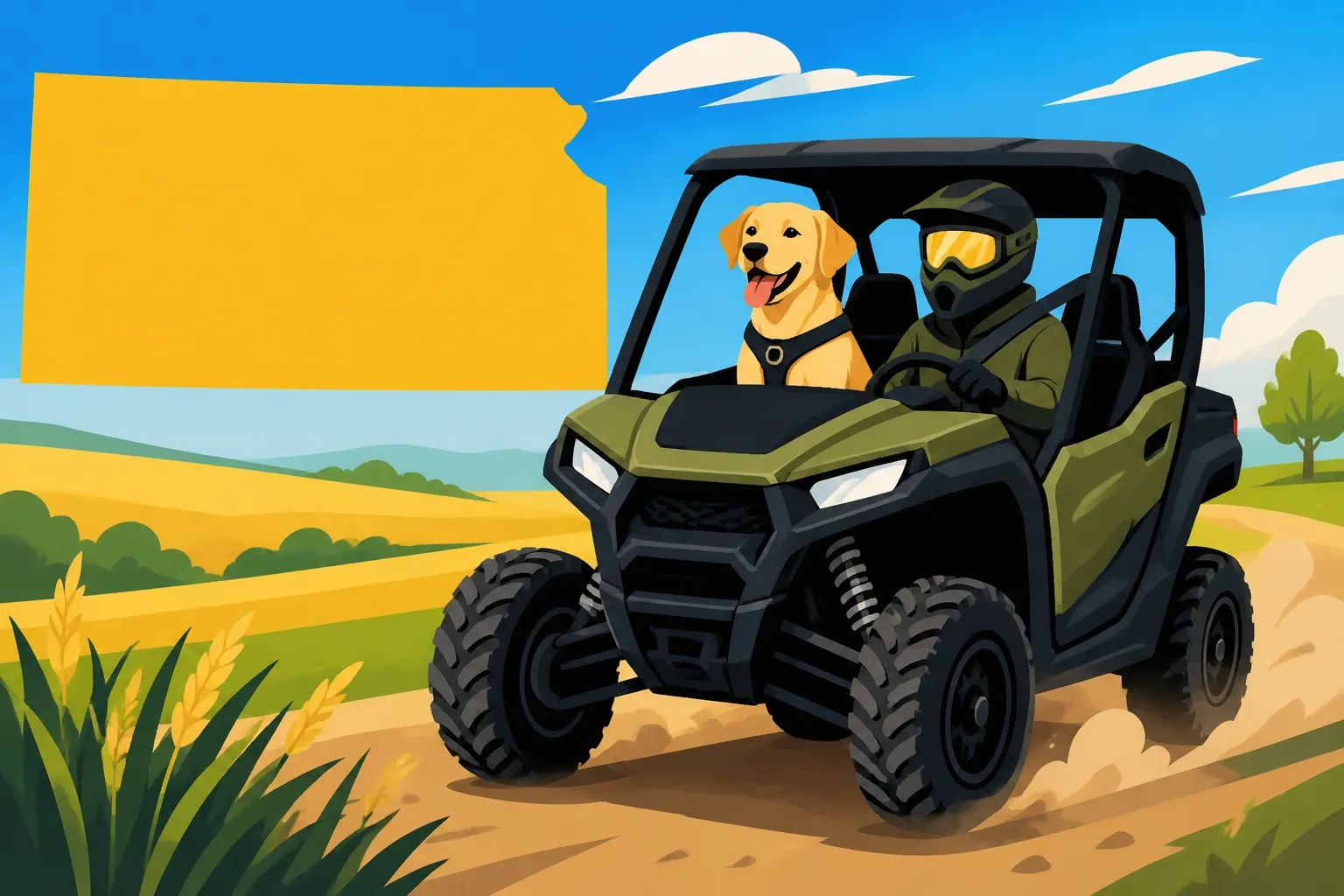
There's nothing quite like hitting the Kansas trails or cruising across a wide-open pasture in your ATV or UTV, especially when you have your best furry friend riding shotgun or catching the wind in the cargo bed. Many of us consider our dogs part of the family, and the idea of leaving them behind when we head out for an adventure just doesn't sit right. But bringing a dog along on an off-road machine isn't as simple as just letting them hop in; there are crucial safety considerations and often unspoken rules you need to know to ensure a fun, safe, and legal outing for both of you. This guide will walk you through everything you need to consider to make your canine companion a happy and secure co-pilot on your next Kansas off-road journey.
Understanding Kansas Law and Your Furry Co-Pilot
When you're thinking about taking your dog along for a ride on your ATV or UTV, one of the first questions that pops into mind is usually, "Is this even legal?" It's a valid concern, and navigating the nuances of state and local regulations can sometimes feel like a maze. While Kansas is generally quite open to outdoor activities, the specific intersection of pet welfare and off-road vehicle operation isn't always explicitly detailed in statutes.
Does Kansas Law Address Pets on ATVs or UTVs?
Here's the thing: you won't typically find a specific Kansas statute that explicitly prohibits or permits carrying a dog on an ATV or UTV. The state's laws concerning off-road vehicles tend to focus more on the machine's operation, registration, road use, and general safety for human occupants. Things like helmet laws for minors, requirements for nonhighway vehicle titles, or rules about riding on public roads are clearly outlined. However, when it comes to Fido riding along, the laws are largely silent on specific restraints or passenger protocols for animals.
This absence of explicit legislation doesn't, however, grant you a free pass to do whatever you want. Instead, it places the full responsibility for your dog's safety and the safety of others squarely on your shoulders as the owner and operator. If an accident were to occur, or if your dog caused a distraction leading to an incident, general animal welfare laws regarding cruelty or negligence could potentially come into play. Moreover, an unsecured dog could be deemed a hazard by law enforcement, even if no specific "dog on UTV" law exists. It's about exercising common sense and ensuring your actions don't endanger your pet or anyone else.
Think of it this way: while there isn't a law saying you can't put a watermelon in your lap while driving, it's pretty clear that it could become a dangerous projectile or a significant distraction. The same principle applies to your beloved pet. You need to consider their well-being and how their presence impacts the safe operation of your machine. For instance, if you're riding across a [Kansas Rules for Riding a Pasture] that's fenced and contained, your concerns might differ slightly from navigating a more open, unpredictable environment.
The Importance of Local Ordinances and Landowner Rules
While statewide Kansas law might be relatively quiet on the subject of pets on ATVs or UTVs, it's absolutely crucial to remember that local rules and private property regulations can and often do fill that void. You can't just assume that because the state doesn't have a specific rule, you're in the clear everywhere. Many counties, cities, and especially designated riding areas have their own specific ordinances or rules that you must abide by.
For example, if you're riding your UTV on a county road where local ordinances permit it – check out our guide on [Kansas Rules for Riding a County Road] for more details – there might be an accompanying leash law or a rule about animals being secured within a vehicle. Similarly, if you plan to visit a private off-road park like Kansas Rocks or Syracuse Sand Dunes, they will undoubtedly have their own comprehensive set of rules regarding pets, which may include specific requirements for leashes, waste disposal, and even limitations on where pets are allowed to ride or be present. Our article on [Kansas Private Park Waivers and Rules] delves into the kind of agreements you might need to sign, and these often include clauses about pet behavior.
Beyond public and private riding areas, if you're riding on someone else's private land, such as a friend's farm or a leased hunting property, the landowner's word is law. Always, and we mean always, secure [Getting Written Permission From a Landowner Before You Ride] if you're on land that isn't yours, and specifically discuss whether bringing your dog along is acceptable. They might have concerns about their livestock, wildlife, or even their own pets. Ignoring these local or private rules isn't just rude; it could lead to fines, being asked to leave, or even legal trouble under [Kansas Trespass Law for Riders]. Always do your homework before you head out, especially when your dog is tagging along.
Safety First: Protecting Your Dog on the Trails
Once you've navigated the legal landscape, the paramount concern shifts to your dog's safety. Off-road riding, by its very nature, involves bumps, sudden stops, dust, and varying terrains. What might be an exhilarating ride for you can quickly become dangerous or terrifying for an unsecured or unprotected dog. Our goal is to make sure your canine companion is comfortable, secure, and protected from the elements and the rigors of the trail.
Securing Your Dog: Carriers, Harnesses, and Restraints
The image of a dog freely running in the back of a truck or even standing on the seat of a UTV might seem charming, but it's incredibly risky on the trail. A sudden turn, a quick brake, a bump, or even a minor collision can send an unsecured dog flying, leading to severe injury or worse. Your dog needs to be just as secure as any human passenger, if not more so, given their inability to brace themselves effectively.
For smaller dogs, a sturdy, well-ventilated carrier or crate is often the safest option. This can be secured in the cargo bed of a UTV or, for very small breeds, possibly in a designated passenger footwell if it doesn't impede driver controls. Ensure the carrier itself is strapped down so it can't slide or tip. For medium to large dogs in a UTV cab, a crash-tested safety harness designed for vehicles, paired with a seatbelt attachment, is ideal. These harnesses distribute impact forces across their chest, protecting their neck, and prevent them from becoming a projectile or being thrown around. Avoid using a regular walking harness, as these aren't designed for crash protection. If your UTV has a cargo bed, consider a robust, secure enclosure or a high-quality cargo net designed to keep your dog safely contained within the bed. Some excellent aftermarket solutions exist for UTVs, and companies like SuperATV offer a range of cargo boxes, bed extenders, and nets that can be adapted to create a safe space for your dog. Remember, the goal is to keep them safely inside the vehicle, regardless of what the trail throws at you.
Protecting Paws, Eyes, and Ears
The trail environment is rough on us, and it can be even rougher on our pets, whose bodies aren't designed for high-speed travel or constant exposure to dust and noise. Thinking ahead about their physical protection can prevent painful injuries and make the ride much more enjoyable for them.
Paws: Think about the surfaces your dog will encounter. Hot metal floors of a UTV in the summer sun can burn paw pads quickly. Rough gravel, sharp rocks, thorns, and burrs can cause cuts and abrasions. Investing in a good set of dog booties can provide invaluable protection. Look for durable, well-fitting boots that stay on and offer good traction. Gradually introduce your dog to wearing them at home before hitting the trails.
Eyes: Dust is an inevitable part of off-road riding in Kansas. Whether you're on a dirt trail or a gravel county road, kicked-up debris can irritate or injure your dog's eyes. Branches and twigs can also pose a risk. Dog goggles, often playfully called "Doggles," are a real and effective solution. They come in various sizes and styles and offer protection from dust, wind, and impact. Again, introduce them slowly and positively, rewarding your dog for tolerating them.
Ears: The constant drone of an engine, the roar of the wind, and sudden loud noises can be distressing and even damaging to a dog's sensitive hearing, especially over long rides. While ear protection for dogs isn't as common as for humans, options like noise-reducing ear muffs or wraps designed for canines are available. Consider these if your dog is particularly sensitive to noise or if you plan on extended trips with high engine noise. Starting with short, gentle rides can help your dog acclimate to these new sensations.
Hydration, Breaks, and Weather Considerations
Just like humans, dogs need adequate hydration, especially when active or exposed to the elements. They can dehydrate much faster than we do, and heatstroke is a serious risk. Always pack plenty of fresh water—more than you think you'll need—and a portable water bowl. Offer water frequently, even if your dog doesn't seem to ask for it.
Frequent breaks are non-negotiable. Dogs need to stretch their legs, relieve themselves, and simply get a breather from the motion and noise of the ride. Plan your route to include safe, shaded spots where you can pull over for a 10-15 minute stop every hour or two. This is also a good time to recheck their restraints and general well-being.
Weather conditions in Kansas can change rapidly and are a major factor. If you're heading out in the summer, especially midday, be acutely aware of the risk of heatstroke. Signs include excessive panting, drooling, lethargy, red gums, and vomiting. Avoid riding during the hottest parts of the day, ensure your dog has access to shade in the UTV (a roof helps!), and consider cooling vests or damp towels if temperatures are soaring. Our guide on [Packing for a Hot Dry Day] has excellent tips for extreme heat. Conversely, in colder months, short-haired breeds or older dogs might need a dog coat or sweater to stay warm, especially with wind chill. Make sure they are protected from rain, as getting wet in cold weather can lead to hypothermia; consider packing [Rain Gear for a Thunderstorm That Blows In Fast]. Lastly, remember [Sun Protection on Open Ground] isn't just for humans; prolonged sun exposure can lead to sunburn on light-skinned dogs, especially on their noses and ears.
Preparing Your Machine and Your Dog for the Ride
Taking your dog on an off-road adventure requires a bit of preparation, both for your machine and for your canine companion. It’s not just about strapping them in; it’s about creating an environment where they can be comfortable and safe, and ensuring they are mentally ready for the experience.
Modifying Your ATV/UTV for Canine Comfort
Let's be realistic: an ATV is generally not a suitable machine for carrying a dog, beyond perhaps a very tiny, calm dog secured in a purpose-built, highly stable front or rear rack basket for extremely short, slow trips. The inherent instability of an ATV, the exposed nature of the ride, and the lack of a proper passenger compartment make it a risky proposition for even the most well-behaved dog. For the sake of your dog's safety and your peace of mind, a UTV (Utility Terrain Vehicle or side-by-side) is almost always the preferred choice when bringing a dog along.
UTVs offer enclosed cabs, cargo beds, and often more stable, smoother rides, making them much more accommodating for canine passengers. If you plan to carry your dog frequently, consider some simple modifications:
- Cargo Bed Liner/Mat: A rubber mat or durable liner in the cargo bed provides better traction and insulation from heat or cold.
- Shade: If your UTV doesn't have a full roof, consider adding one or a bikini top to provide shade from the relentless Kansas sun.
- Securing Points: Ensure you have ample and strong tie-down points in the cargo area or cab to securely fasten carriers, crates, or dog safety harnesses.
- Cargo Boxes/Enclosures: For dogs that will ride in the bed, a sturdy, well-ventilated cargo box or an aftermarket bed enclosure can provide a safe, contained space. Companies like SuperATV offer various bed storage solutions, cargo nets, and even headache racks that can be part of a custom dog-friendly setup. Just make sure there's plenty of airflow to prevent overheating. Our article on [Kansas Rules for Passengers on a UTV] discusses general passenger safety, and many of those principles extend to our four-legged friends. You might even consider how [Kansas Rules for Towing a Trailer] could free up space in your UTV if you need to carry a lot of gear and your dog.
| Method | Best For | Pros | Cons |
|---|---|---|---|
| Dog Crate/Carrier | Small to Medium Dogs | Highly secure, familiar den for dog, contained | Takes up significant space, can be bulky |
| Safety Harness & Seatbelt | Medium to Large Dogs (in cab) | Keeps dog secured in seat, crash-tested | Requires dog to be calm, may not prevent all movement |
| Cargo Net/Enclosure | Large Dogs (in cargo bed) | Keeps dog contained in bed, good airflow | Requires dog to stay calm, less protection from impact |
Training Your Dog for Off-Road Adventures
You wouldn't just throw a human passenger into a UTV without some instruction, and the same goes for your dog. Proper training and gradual introduction are key to a positive experience. Not every dog is suited for off-road riding; some may simply be too anxious or excitable, and forcing the issue will only create stress for both of you.
Start slow. Let your dog explore the stationary ATV or UTV with the engine off. Reward them for calm curiosity. Then, introduce the sound of the engine. Start it up for short periods, let them get used to the noise from a distance, then closer. Once they're comfortable with the noise, begin with very short, slow rides around the yard or a smooth field. Keep these initial rides brief and positive, with lots of praise and treats for calm behavior.
Practice commands like "load up," "stay," and "settle." Your dog needs to understand that once they are in their designated spot, they need to remain there until you give the all-clear. Desensitize them to the vibrations, bumps, and turns of the machine. The more familiar they are with these sensations, the less likely they are to panic or become anxious. Always bring familiar comfort items, like their favorite blanket or toy, to help them feel more secure in their new environment. If, after several attempts, your dog consistently shows signs of severe distress, it might be a sign that off-road riding isn't for them, and that's okay. Their comfort and well-being should always come first.
Common Scenarios and Best Practices for Riding with Your Dog
Even with a secured dog and a prepared machine, the actual act of riding requires ongoing awareness and adherence to best practices. Different types of riding areas present unique challenges and requirements, and knowing how to respond in an emergency is critical for both your safety and your dog's.
Riding on Public Lands vs. Private Property
Where you ride significantly impacts the rules and etiquette around bringing your dog. Kansas offers various riding opportunities, each with its own set of guidelines.
Public Lands: If you're on public land managed by the Corps of Engineers (like Tuttle Creek or School Creek ORV areas) or other state agencies, be absolutely certain to check their specific pet policies. These often include strict leash laws, requirements for waste removal, and sometimes restrictions on where pets can go. Some areas might explicitly prohibit pets on riding trails or only allow them in designated camping or picnic areas. Ignoring these rules can lead to fines or being asked to leave. It's not uncommon for these rules to extend to designated roadways or specific recreation areas, as detailed in guides like [Kansas KDWP Land Rules for Machines].
Private Riding Parks: Private parks, like Kansas Rocks Recreation Park or Syracuse Sand Dunes, have their own detailed rules. While some are very dog-friendly, they will almost always require dogs to be leashed at all times when outside your vehicle, and often have policies on waste disposal and behavior. Always check their website or call ahead for their current pet policies before you load up. Many of these parks are designed for extreme riding, and an unsupervised dog can easily get injured or cause a disturbance.
Private Property: When riding on private land—be it a farm, ranch, or leased hunting ground—the landowner's rules are paramount. Always secure [Getting Written Permission From a Landowner Before You Ride] and clarify their stance on dogs. They might have livestock, other pets, or sensitive wildlife they wish to protect from disturbance. Even if they allow your dog, always keep them under control to prevent them from chasing cattle, disturbing game animals, or wandering off into areas where they could get lost or injured, such as near machinery or along a busy road. Even if you're riding on an oil lease road or a [Kansas Rules for Riding a Wind Farm Road], you're likely on private property where permission is key.
In all scenarios, be a responsible pet owner. Clean up after your dog, keep them under control, and ensure they are not a nuisance or a danger to other people, animals, or the environment.
What to Do in Case of an Emergency
Even with the best preparations, accidents and unforeseen circumstances can happen. Being prepared for an emergency involving your dog is just as important as being prepared for one involving yourself.
Canine First Aid Kit: This is a non-negotiable item. Your regular human first aid kit won't cover everything. A dog-specific kit should include items like:
- Vet wrap and gauze for wounds
- Antiseptic wipes or spray (e.g., chlorhexidine)
- Paw balm for cracked pads or minor abrasions
- Tick remover tool
- Tweezers for splinters or thorns
- Blunt-nosed scissors
- Dog-safe pain relief (consult your vet before using any human medication)
- Muzzle (even the sweetest dog can bite if in pain)
- Emergency contact information for your vet and a local emergency vet
- A recent photo of your dog and proof of vaccination/rabies tag.
Our general guide on [What to Pack for First Aid on a Long Ride] has some crossover, but remember the unique needs of your dog.
Injury Response: If your dog gets injured, remain calm. Secure them as best you can, and if necessary, use a muzzle to prevent bites if they are in pain. Assess the injury, administer basic first aid, and determine if you can safely transport them out for veterinary care. Know the fastest route to the nearest vet or emergency animal hospital.
Getting Lost: Ensure your dog always wears a collar with current ID tags, including your phone number. A microchip is also highly recommended. If your dog gets lost, immediately retrace your steps. If on public land, contact local park rangers, animal control, or the sheriff's office. Provide a clear description and a recent photo. For more serious incidents, like a collision, our article on [Kansas Accident Reporting for an ATV Crash] outlines procedures that might indirectly involve your pet's well-being. Knowing your dog's temperament, physical limits, and how they respond under stress will be your best guide in any emergency situation.
Disclaimer
This article is for general informational purposes only and does not constitute professional advice. Laws, prices and regulations vary by location and change over time. Consult a qualified professional for guidance on your specific situation.