Kansas Rules for Riding a Wind Farm Road
Riding your ATV or UTV can be one of the most freeing experiences, especially when you’re out in the vast, open spaces of Kansas. However, when those wide-open spaces include wind farms, it can feel like you're navigating a legal minefield. Many riders find themselves wondering if those enticing gravel roads winding between towering turbines are fair game for a scenic ride or if they're strictly off-limits, leading to a lot of frustration and confusion about where it's truly okay to ride. This guide is here to clear up the mystery, helping you understand the rules for legally and safely enjoying wind farm roads in the Sunflower State.
Understanding Wind Farm Roads in Kansas: Public vs. Private Access
Wind farms are a common sight across the Kansas landscape, and with them come miles of gravel and dirt roads that look absolutely perfect for off-road machine adventures. But the legal status of these roads isn't always as clear as the blue Kansas sky, and it's this ambiguity that often trips up even the most seasoned riders.
The Nature of Wind Farm Roads: Who Owns Them?
When you see a wind farm, it's easy to assume the roads are just another part of the public infrastructure, especially if they connect to county roads. However, this is rarely the case. Most wind farm roads are privately built and maintained by the wind energy companies themselves, or by the landowners who have leased their property for the turbine installations. These roads are designed for the construction, maintenance, and operation of the wind turbines, not for general public recreation. The land beneath the turbines and the access roads is typically under a long-term lease agreement between the wind energy company and the private landowner. This means that while you might be looking at what appears to be a well-maintained road, it's fundamentally private property. Understanding this distinction is the first and most crucial step in determining your riding rights.
Navigating the "No Trespassing" Signs: Why Permission is Key
Because these roads are predominantly on private land, they are subject to private property laws, just like a farmer's field or a rancher's pasture. You'll often see "No Trespassing" signs posted at entrances or along the perimeter of wind farm properties. Ignoring these signs, or the implicit private nature of the land, can lead to serious consequences. Riding on these roads without explicit permission from both the landowner and the wind farm operator is considered trespassing. The repercussions can range from being asked to leave, to receiving a citation, or even having your machine impounded. It’s not just about avoiding trouble; it’s about respecting property rights. Always assume a wind farm road is private unless you have definitive information otherwise, and even then, verify its public status before you ride. If you plan to ride on private land, remember that [Getting Written Permission From a Landowner Before You Ride] is always the best practice.
The Difference Between Access and Legality for ATVs/UTVs
Let's say you've managed to get permission to ride on a specific wind farm road. That's a huge step, but it's important to understand that gaining access doesn't automatically make your ATV or UTV "street legal" in the traditional sense, or exempt it from other Kansas laws. Kansas law generally classifies ATVs and UTVs as non-highway vehicles, with strict rules about where they can be operated. While a private wind farm road might feel like an off-road paradise, if it connects to or crosses a public road, your machine's operation on that public segment is still subject to state and local ordinances. For instance, if you cross a county road to get from one section of a wind farm to another, you still need to adhere to [Kansas Rules for Crossing a Highway] or other applicable regulations. Just having permission to be on the wind farm's private roads doesn't grant you carte blanche to use any adjacent public roads without following the specific rules that apply to your machine type.
Specific Kansas Laws and Permissions for Wind Farm Road Use
Navigating the legalities of riding your ATV or UTV on wind farm roads in Kansas means diving into a few key areas: understanding the general prohibitions on public roads, knowing how to secure proper permission, and being aware of the practical and safety considerations that come with these unique environments.
The Broad Kansas Ban on Off-Road Vehicles on Public Roads
It’s crucial for every ATV and UTV owner in Kansas to understand that, by default, off-road machines are generally prohibited from operating on public roads and highways. This isn't just a suggestion; it's codified in state law. The legislature established a clear baseline: [Kansas Bans ATVs on Federal Highways] and [Kansas Bans ATVs on Interstates], and broadly, they are restricted from other public roads too. While some specific exceptions exist, such as for agricultural purposes or in cities that have passed explicit ordinances allowing UTVs on certain streets, wind farm roads usually don't fall neatly into these categories. The ban is designed to maintain road safety and manage traffic flow, recognizing that ATVs and UTVs are not built to the same safety standards as street-legal vehicles. So, even if a wind farm road feels remote and unmonitored, if it is technically a public access road, the default state-wide ban still applies to your machine. Always check the specific classification of the road and any local ordinances before you ride.
The Importance of Express Permission from Landowners and Wind Farm Operators
Given that most wind farm roads are on private land, your number one priority for riding legally is to secure explicit permission. This isn't something to take lightly or assume. You need clear, undeniable consent from not just one, but potentially two parties: the landowner and the wind farm operating company.
- Landowner Permission: Many wind farms are built on land leased from multiple private landowners. If you know who owns the specific parcel of land you wish to traverse, start by contacting them. They might be amenable, especially if you have an existing relationship or if the land is part of their larger agricultural operations where they already use ATVs.
- Wind Farm Operator Permission: Even if a landowner gives you the green light, the wind farm company often has their own rules and liability concerns regarding vehicle traffic on their access roads. They may have strict safety protocols or restrictions on who can be on site. You'll likely need to contact the specific wind farm's administrative office to inquire about their policies.
The best practice is always to obtain written permission. This documentation should specify the dates you are permitted to ride, the exact areas you can access, the type of machine you'll be operating, and any specific conditions or safety rules you must follow. A verbal "sure, go ahead" might feel sufficient, but it leaves you vulnerable if questions arise later from law enforcement or company personnel. A clear, signed document protects everyone involved.
Equipment and Safety Considerations on Wind Farm Roads
Riding on wind farm roads presents a unique set of safety considerations beyond typical off-road riding. These are active industrial sites, often with large, heavy machinery, and specific environmental factors.
- Industrial Traffic: Expect to encounter large trucks, maintenance vehicles, and heavy equipment. These vehicles are often slow-moving but can appear suddenly over crests or around turns. They operate on their own schedules and may not always be looking out for recreational riders.
- Visibility: Dust can be a major issue, especially in dry Kansas conditions. Visibility for both you and other vehicles can be severely reduced. Consider adding bright flags to your machine, especially if you have a UTV, and make sure your headlights and taillights are functioning, even during the day. After sunset, [Kansas Lighting Requirements on a Machine] become even more critical. Many riders find accessories like a high-quality windshield or rearview mirrors, readily available from retailers like SuperATV, invaluable for improving visibility and rider comfort in dusty, open environments.
- Road Conditions: While often well-maintained, these roads can still have loose gravel, potholes, or sudden changes in elevation. Some areas might be under construction or temporary closure.
- Weather: Wind farms are inherently windy, which can affect vehicle stability, throw dust around, and make for a less comfortable ride. Be prepared for rapid weather changes typical of Kansas.
- Communication: Having a way to communicate, like a cell phone, is vital, though service can be spotty in remote areas. Let someone know your route and estimated return time.
Taking these safety measures seriously isn't just about compliance; it's about ensuring you and anyone with you return home safely after an enjoyable ride.
Practical Steps for Riding a Wind Farm Road Safely and Legally
Venturing out onto a wind farm road requires more than just a full tank of gas and a sense of adventure. It involves careful planning, clear communication, and a commitment to safety and legality. Here's a step-by-step approach to make sure your ride is enjoyable and free of unexpected trouble.
Researching Ownership and Contacting the Right Parties
The first hurdle is figuring out who to ask for permission. Wind farms are often massive, sprawling across multiple parcels of land owned by different individuals and managed by a single energy company.
- Identify the Wind Farm: Start by identifying the specific wind farm you're interested in. A quick online search, often through the Kansas Corporation Commission or local county planning departments, can usually tell you which company operates it.
- Contact the Operator: Once you know the operating company, look for their public relations or operations contact information. Explain your interest in riding your ATV or UTV on their access roads and inquire about their policies for recreational use by the public or landowners. They might have a specific permit process or outright prohibit it.
- Identify Landowners (If Necessary): If the wind farm company defers to the individual landowners, or if you already know the landowner, reach out to them. County tax assessor records are public information and can help identify property owners. Be polite, explain your intentions, and be prepared for them to say no.
- Seek Written Permission: As emphasized earlier, always get permission in writing. This document should clearly state who is granting permission, to whom, for what purpose (ATV/UTV riding), on which specific roads/areas, and during what timeframe. It should also outline any conditions or restrictions. This is your essential "get out of jail free" card if questions arise from security or law enforcement.
Preparing Your ATV or UTV for Wind Farm Environments
Beyond legal permission, your machine needs to be ready for the unique conditions of wind farm roads. These aren't always groomed trails; they can be rugged, dusty, and sometimes host heavy equipment traffic.
- Maintenance Check: Before heading out, perform a thorough pre-ride inspection. Check tire pressure and condition (sharp gravel can be brutal), brake function, fluid levels, and ensure all lights are working. You'll want to be absolutely sure your machine is in top shape.
- Visibility Enhancements: Wind farm roads can be long, straight, and dusty. Enhancing your visibility is crucial. Consider installing a whip flag, especially if you're in a UTV that might sit lower than industrial trucks. Upgrading to brighter LED headlights or adding auxiliary lights can also be a smart move, particularly if you anticipate riding near dawn or dusk. Many riders find that a full-size windshield and side mirrors, like those offered by SuperATV, significantly improve safety and comfort by reducing dust intrusion and expanding your field of vision.
- Emergency Gear: Carry a basic tool kit, tire repair kit, first-aid kit, and enough water. A portable air compressor can be a lifesaver if you need to air down for rougher sections or fix a slow leak. Given the remote nature of some wind farms, reliable navigation (GPS or a detailed map) and a way to communicate are also important.
- Dust Control: The sheer amount of dust on wind farm roads can be intense. Protecting your machine's air filter is critical. Consider pre-filters or more robust filtration systems to prevent premature engine wear. Also, ensure your personal riding gear, including eye protection, is ready for dusty conditions.
Understanding Liability and Insurance Implications
This is a frequently overlooked but vitally important aspect of riding on wind farm roads. Even with permission, accidents can happen, and you need to understand who is responsible.
- Personal Liability: If you cause damage to wind farm property (e.g., hitting a sign, damaging a road, or impacting a turbine component) or injure someone, you are personally liable. Your homeowner's insurance might offer some very limited coverage for off-road vehicle use, but it's often insufficient.
- ATV/UTV Insurance: While [Do You Need ATV Insurance in Kansas?] depends on specific city ordinances, it is highly recommended when riding on private lands like wind farms. A comprehensive off-road vehicle insurance policy can cover bodily injury, property damage, and damage to your own machine. Make sure your policy specifically covers recreational use on private property.
- Waivers: The wind farm company or landowner may require you to sign a liability waiver before granting permission to ride. Read these carefully. They are designed to protect the property owners from claims in case of injury or damage to your machine.
- Know Your Coverage: Before you even think about riding, talk to your insurance agent. Explain exactly where and how you plan to ride, and ensure your policy provides adequate coverage for those specific scenarios. Don't assume; verify.
Taking these practical steps ensures that your experience on Kansas wind farm roads is not only thrilling but also responsible, safe, and fully compliant with all legal requirements.
Avoiding Common Pitfalls and Misunderstandings
When it comes to riding ATVs and UTVs on wind farm roads in Kansas, there are several common misconceptions and easy mistakes that riders often make. Being aware of these can save you a lot of grief, expense, and potential legal trouble.
The Myth of "Implied Permission"
One of the biggest pitfalls riders fall into is the belief in "implied permission." This usually goes something like, "The gate was open, so I assumed it was okay," or "I've seen other people riding here, so it must be allowed." This couldn't be further from the truth. In Kansas, and across most states, there is no such thing as implied permission when it comes to private property. An open gate might mean a crew is working, a landowner forgot to close it, or simply that it's not meant to keep people out because explicit "No Trespassing" signs are posted elsewhere.
Think of it this way: just because a store's door is unlocked after hours doesn't mean you're invited to shop. Always operate under the assumption that you do not have permission to be on private land, including wind farm roads, until you have received explicit, preferably written, consent from the appropriate parties. Relying on implied permission is a direct path to a trespassing citation and could result in fines, court costs, or even having your machine impounded.
Respecting the Operations and Wildlife
Even with proper permission, your presence on a wind farm road should be respectful of the active industrial operations and the natural environment. These are working sites, not dedicated recreational parks.
- Stay on Designated Roads: Do not venture off the established gravel roads into fields or areas where turbines are located. Going off-road can damage equipment, disturb planted crops, or create new access routes that the property owners don't want. It also increases your risk of encountering unmarked hazards.
- Yield to Industrial Traffic: Always give way to wind farm operational vehicles. These large trucks and specialized equipment are performing essential work, and your recreational ride should never impede their progress or compromise their safety. Be especially vigilant for blind spots around large vehicles.
- Minimize Disturbance: Wind farms are often located in rural areas that are home to a variety of wildlife. Keep noise to a minimum, avoid littering, and be mindful of your impact on the environment. Be aware of nesting seasons or local hunting activities that might make certain areas more sensitive.
- Observe Operational Hours: If you've been granted permission, inquire about any specific hours you're allowed to ride. Most wind farms have active crews during daylight hours, and riding after dark might be prohibited for safety and security reasons.
What a Deputy Can Ask
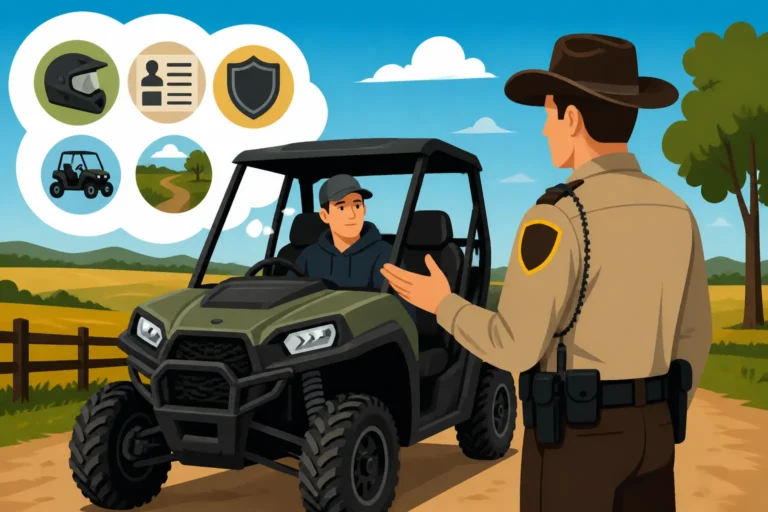
If you find yourself on a wind farm road and a county sheriff's deputy approaches you, knowing your rights and responsibilities can make a big difference. Remember, law enforcement officers are there to enforce property laws and ensure public safety.
- Proof of Permission: The first thing a deputy will likely ask is why you are on the property and if you have permission. This is where your written consent becomes invaluable. Having a physical copy or an easily accessible digital copy (like a photo on your phone) can quickly clear up any misunderstanding. Without it, you could be facing a trespassing charge. [What a County Sheriff Can Ask a Rider to Show] often includes questions about your machine's ownership, your identification, and, critically, your right to be on private property.
- Identification: Always be prepared to provide your driver's license or other valid identification.
- Machine Documentation: Be ready to show proof of ownership for your ATV or UTV, such as your title or registration, if requested.
- Cooperation: Remain polite and cooperative. Arguing or being uncooperative will only escalate the situation. Explain that you have permission and provide the necessary documentation.
By understanding these common pitfalls and preparing properly, you can enjoy the unique experience of riding responsibly on Kansas wind farm roads, knowing you’ve done your due diligence and respected the rules of the land.
| Aspect of Wind Farm Road Riding | Key Consideration | Actionable Advice |
|---|---|---|
| Road Ownership | Mostly Private | Do not assume public access; always verify. |
| Permission | Explicit & Written | Obtain consent from both landowner and wind farm operator. |
| Legal Status | Not Street Legal | Even with permission, machine is generally not street-legal on public roads. |
| Safety | Industrial Site | Expect large vehicles, dust, and potential hazards; enhance visibility. |
| Machine Prep | Robust & Visible | Perform maintenance checks, add flags, upgrade lights/mirrors (e.g., from SuperATV). |
| Insurance | Essential | Secure comprehensive ATV/UTV insurance covering private land use. |
| Trespassing | Serious Offense | Never rely on "implied permission"; always carry written proof. |
| Environmental Impact | Minimize Disturbance | Stay on marked roads, respect wildlife, clean up after yourself. |
| Law Enforcement | Be Prepared | Carry ID, machine documentation, and written permission; be cooperative. |
Disclaimer
This article is for general informational purposes only and does not constitute professional advice. Laws, prices and regulations vary by location and change over time. Consult a qualified professional for guidance on your specific situation.