Kansas Rules for Riding a Levee
Many Kansas ATV and UTV enthusiasts look at a long, inviting levee winding through the landscape and wonder if it's a legal place to ride. The allure of an open, elevated path can be strong, but navigating the legalities of riding off-road machines on levees in Kansas is fraught with potential pitfalls and serious consequences. This guide aims to demystify the rules, clarify the common misconceptions, and help you understand when – and if – levee riding is permissible, ensuring you stay safe and within the bounds of the law.
Understanding Levees and Their Critical Role in Kansas
Before we can even talk about riding on a levee, it’s crucial to understand what a levee actually is and why it exists. In Kansas, a levee is typically an embankment, often earthen, built parallel to a river, stream, or other body of water. Its primary purpose is flood control. Levees protect homes, agricultural land, infrastructure like roads and bridges, and sometimes even entire towns from overflowing waterways. They are engineered structures, carefully designed and maintained to withstand significant hydrological pressures.
Who Owns and Manages Kansas Levees?
This is where things can get a bit complicated and is often the source of confusion for off-road riders. Levees in Kansas can be owned and managed by a variety of entities. Many are maintained by federal agencies like the U.S. Army Corps of Engineers, while others fall under the jurisdiction of local levee districts, drainage districts, or even private landowners. Regardless of who officially "owns" the land the levee sits on, the structure itself is often considered public infrastructure or has public easements associated with it, even if a private farm field borders it. This means that access isn't as simple as just getting permission from the adjacent farmer. Always assume that a levee is not simply a dirt path for casual recreation. The responsibility for its integrity is paramount.
Distinguishing Levees from Other Dirt Paths and Farm Roads
It's easy to look at a raised dirt path and assume it's just another rural trail. However, levees are distinct from typical farm roads, section lines, or private driveways. Farm roads are built for agricultural access, section lines are often dedicated easements for utilities and access, and private driveways are clearly on private property. Levees, by contrast, are specifically constructed for flood protection. They often have very specific design parameters, including compaction, slope, and vegetation, all of which can be compromised by unauthorized vehicle traffic. While a gravel road might shrug off your UTV tires, a carefully graded and vegetated levee might not. Riding on a levee without permission could lead to erosion, rutting, or even structural damage, which could have catastrophic consequences in a flood event. This is a far cry from simply riding on [Kansas Rules for Riding Farm Ground] or [Kansas Rules for Riding a Pasture].
The General Rule: Levees are Typically Off-Limits for Recreation
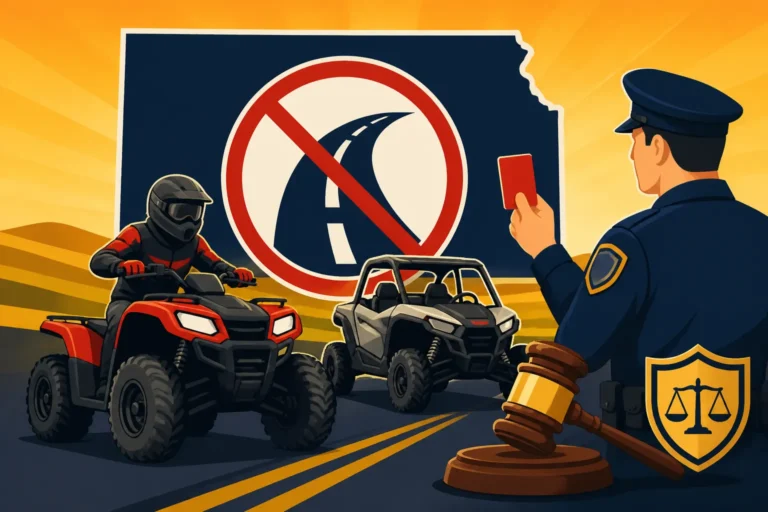
Let’s get straight to the point: as a general rule, riding your ATV or UTV on a levee in Kansas for recreational purposes is highly likely to be illegal. These structures are not designed for public recreation, and unauthorized access is almost universally prohibited. The vast majority of levees in Kansas are considered restricted access, regardless of whether there are "No Trespassing" signs posted every ten feet.
Why Levees are Protected Against Unauthorized Vehicle Traffic
The primary reason for strict access rules is the critical function of flood control. Any activity that could compromise the structural integrity of a levee is forbidden. This includes:
- Erosion: Vehicle tires, especially those designed for off-road traction, can accelerate erosion, particularly on slopes or in wet conditions.
- Compaction: Repeated vehicle passes can compact the soil in ways not intended by the engineering, potentially affecting drainage or stability.
- Rutting: Deep ruts can collect water, softening the levee material and creating weak points.
- Vegetation Damage: The grasses and other plants growing on levees are often vital for stabilizing the soil and preventing erosion. Recreational riding can destroy this protective layer.
Think of a levee like a dam, just smaller and more linear. You wouldn't drive your side-by-side over a dam for fun, would you? The potential for damage and the risk to public safety are simply too high. Authorities like the U.S. Army Corps of Engineers or local levee boards take these protections very seriously, and violations can lead to significant penalties.
Enforcement and Potential Penalties for Trespassing
Unauthorized riding on a levee typically falls under trespassing laws, but it can also involve charges related to property damage or interfering with public infrastructure. Local law enforcement, including county sheriffs and even federal agents (if on Corps of Engineers property), have the authority to issue citations or make arrests. What a county sheriff can ask a rider to show is important, and you'll want to have your wits about you. Penalties can range from hefty fines to impoundment of your machine, and in severe cases involving significant damage, even criminal charges. These are not minor traffic tickets; these are serious legal matters that can follow you.
Consider this: if a levee is damaged by your riding, and that damage contributes to a flood later on, the legal and financial ramifications could be staggering. While your [Kansas ATV Title Cost] might be low, the cost of an illegal ride could be sky-high. Even if you have insurance, many policies exclude damages from illegal activities.
Exploring the Exceptions: When Levee Riding Might Be Allowed
While the general rule is "no riding," there are extremely specific circumstances where ATV or UTV use on a levee might be permissible. These are not "loopholes" but rather official authorizations for specific, necessary purposes. You should never assume an exception applies unless you have explicit, documented permission.
Private Landowner Permission: It's Not Always Enough
If a levee runs through or alongside private property, such as a farm, the adjacent landowner might have some rights to access the levee for maintenance or agricultural purposes. However, their permission to you to ride recreationally is often insufficient. Even if a levee crosses private land, it's very common for easements or agreements to exist that grant control over the levee itself to a public entity like a levee district or the Corps of Engineers. This means that even with the landowner's blessing, you could still be trespassing on property managed by another authority.
Always verify. If a landowner tells you it's okay, ask them who owns or maintains the levee. Then, if you're serious about riding there, contact that managing authority directly and get written permission. This is much more complex than simply [Getting Written Permission From a Landowner Before You Ride] for their fields. Without that, you risk getting cited, even if the farmer waved you on. You don't want to explain to a deputy that "the farmer said it was okay" only to find out the farmer doesn't have the authority to grant that permission.
Official Use and Work Permits: The Most Common Legal Scenario
The most common situation where ATVs and UTVs are legally on levees is for official use. This includes:
- Levee Maintenance: Workers from levee districts, drainage districts, or the Army Corps of Engineers use these machines to inspect, repair, and maintain the structures. This might involve mowing vegetation, hauling materials, or monitoring water levels.
- Emergency Response: During flood events or other emergencies, various agencies may use off-road vehicles for access, rescue, or assessment.
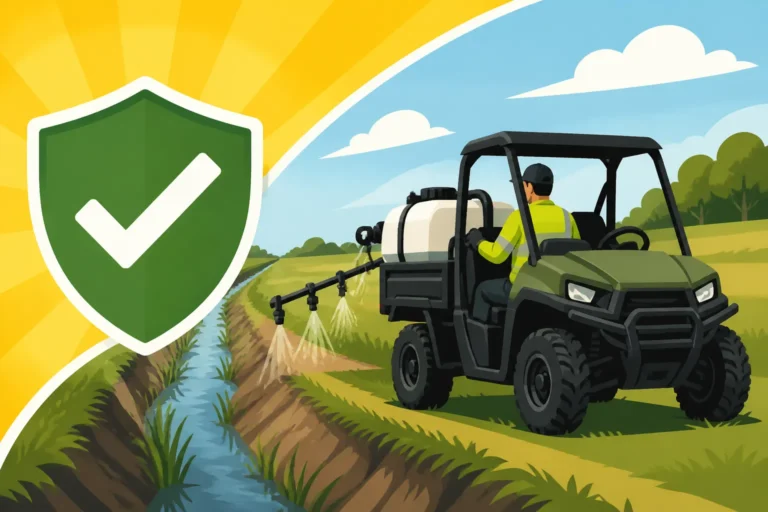
- Agricultural Access: In some very limited instances, especially on smaller, privately maintained levees or those with specific agricultural easements, farmers might use ATVs or UTVs for quick access to fields for tasks like checking fences, irrigating, or spraying noxious weeds. This would typically be part of their routine farm operations, falling under a specific agricultural exception, much like [Kansas Rules for Farm Machines on Highways].
These are highly regulated and authorized activities. These machines are often specialized, like a heavy-duty UTV from SuperATV equipped for utility work, or fitted with tracks for difficult terrain, and the operators are performing specific duties directly related to the levee's function. This is a far cry from a casual joyride.
Specific Agreements or Managed Recreation Areas (Rare for Levees)
While exceedingly rare for levees, some specific, designated recreational areas might incorporate levee-like structures into their trail systems. However, these are typically purpose-built trails designed to withstand vehicle traffic and are clearly marked. A natural, flood-control levee is almost never going to be part of a public OHV park. If you ever encounter a situation where a levee is advertised as part of a riding area, scrutinize it carefully and confirm its legality with the park management and local authorities. Do not rely on casual observation or hearsay.
Navigating the Risks: Legal, Environmental, and Safety Concerns
If you're considering riding on a levee, the potential downsides significantly outweigh any perceived benefits. Understanding these risks is crucial for making responsible decisions. The stakes are much higher than simply choosing between [Kansas Trails That Allow Side-by-Sides] and those that don't.
Legal Penalties: Beyond a Simple Fine
As discussed, the legal repercussions for unauthorized levee riding can be severe. Beyond trespassing fines, you could face:
- Property Damage Charges: If your machine causes ruts, erosion, or other damage, you could be held liable for the cost of repairs. Levee repairs can be extremely expensive, especially if they involve specialized earthmoving equipment.
- Civil Lawsuits: The entity managing the levee (e.g., a levee district) could sue you in civil court for damages, cleanup costs, or even for potential future flood damages if your actions are deemed to have contributed to a breach or weakening of the levee.
- Machine Impoundment: Law enforcement can impound your ATV or UTV, leading to impound fees, storage costs, and the hassle of retrieving it, which could involve court appearances.
These aren't just minor inconveniences; they can represent a significant financial and legal burden. It’s far better to ride in designated areas like [Tuttle Creek ORV Area in Kansas] or [Syracuse Sand Dunes Park in Kansas] where rules are clear.
Environmental and Structural Damage Concerns
Your machine, even a small one, can have a surprisingly large impact on a levee.
- Erosion: Tires tear up vegetation, exposing the soil to wind and water, leading to gullying and weakening.
- Weed Proliferation: Machines can track invasive weed seeds from one area to another, introducing species that can degrade the levee's natural defenses and make maintenance more difficult.
- Wildlife Disturbance: Levees and their surrounding areas often provide habitat for local wildlife. Unauthorized riding can disturb these ecosystems.
- Structural Integrity: This is the big one. Any activity that compromises the compaction, slope, or drainage of a levee can directly increase the risk of failure during a flood. A seemingly innocent joyride could contribute to property damage or even loss of life during an extreme weather event.
Safety Hazards and Personal Liability
Riding on a levee isn't just legally risky; it can be physically dangerous. Levees are not maintained for recreational traffic, meaning you might encounter hidden obstacles, unstable surfaces, or steep drop-offs. If you have an accident on a levee, especially if you were there illegally:
- Limited Access for Emergency Services: Getting an ambulance or rescue crew to an injured rider on an isolated levee can be challenging and time-consuming.
- Increased Liability: If you're injured while trespassing, your own insurance might not cover medical costs. Furthermore, if your actions cause harm to others or damage property, you could be held solely responsible. [Kansas Accident Reporting for an ATV Crash] applies regardless of where you are, but the legal implications change if you're on unauthorized ground.
Always remember that safety should be your number one priority. Ensure your machine is in good repair, perhaps with durable parts from a company like SuperATV that can handle tough use, but always apply that to legal riding. Check your [Kansas ATV Age Requirements] and ensure all riders are properly trained and equipped.
Summary of Levee Riding Scenarios in Kansas
To help clarify, here’s a quick overview of what’s generally allowed and what’s almost certainly prohibited when it comes to riding your off-road machine on a levee in Kansas:
| Scenario | Legality in Kansas (General) | Key Considerations |
|---|---|---|
| Recreational riding on any levee | Illegal | Almost universally prohibited. Falls under trespassing. |
| Riding on private land levee with landowner permission | Likely Illegal | Landowner permission is often not enough. Levees usually have public easements or are managed by specific districts. Requires documented permission from the managing authority of the levee. |
| Riding for official levee maintenance or emergency work | Legal | Authorized by federal, state, or local levee/drainage districts. Operators are performing specific duties. |
| Riding for agricultural access on certain farm levees | Potentially Legal | Limited to specific, often smaller, privately maintained levees where the farmer has established an agricultural easement or direct ownership/management rights. Must be for genuine agricultural purposes, not recreation. Still best to confirm. |
| Riding in a designated OHV park that includes a levee | Legal (if designated) | Extremely rare. If it exists, the levee would be purpose-built or modified for recreational traffic and clearly marked within an official park. Confirm with park management. |
When in doubt, don't risk it. There are many other fantastic and legal places to ride your ATV or UTV in Kansas. Always check local ordinances and land management rules before you venture out, especially when dealing with critical infrastructure like a levee.
Disclaimer
This article is for general informational purposes only and does not constitute professional advice. Laws, prices and regulations vary by location and change over time. Consult a qualified professional for guidance on your specific situation.