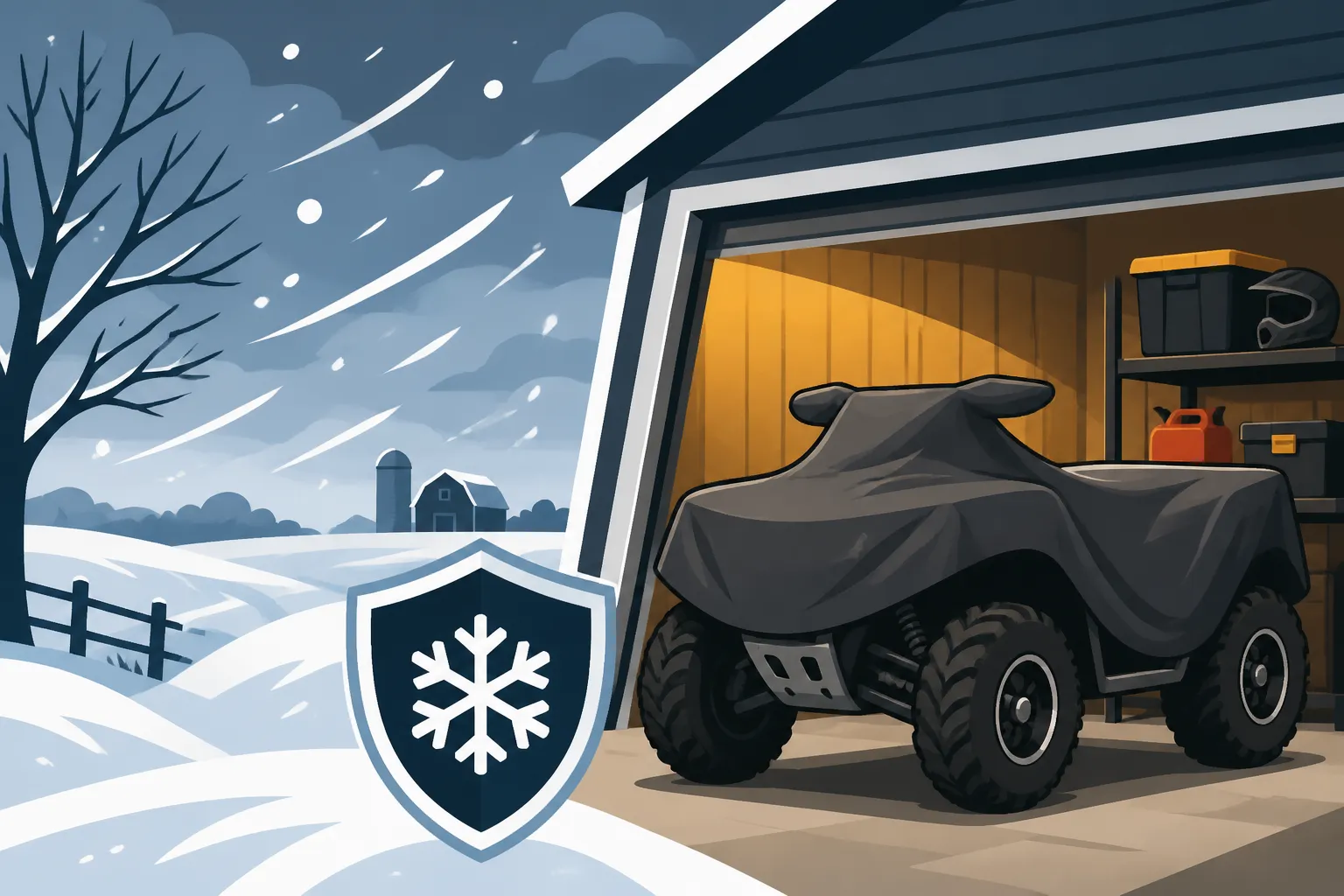
Storing a Quad Through a Kansas Winter
Oh, the crisp air of a Kansas autumn quickly gives way to the biting winds and icy embrace of winter. As much as we love carving up trails or getting work done with our ATVs and UTVs through spring, summer, and fall, the thought of putting them away for the colder months can feel like a chore. It's not just about parking it and forgetting it; improper winter storage in Kansas can lead to a whole host of headaches, from dead batteries to gummed-up carburetors, making that first spring ride a frustrating, costly endeavor instead of a joyful one. This guide will walk you through exactly how to prepare your quad or side-by-side to withstand a Kansas winter, ensuring it's ready to roar when the warmer weather returns.
Why Proper Winter Storage Matters in Kansas
When you live in Kansas, you know our winters can be a real mixed bag. One week it's 50 degrees and sunny, the next you're buried under a foot of snow with temperatures plummeting below zero. This unpredictable climate makes proper winter storage for your ATV or UTV not just a good idea, but an absolute necessity. It's about more than just keeping it out of sight; it's about safeguarding your investment and preventing a lot of potential headaches come spring.
Protecting Your Investment from the Elements
Kansas winters throw everything at your machine: freezing temperatures, ice, heavy snow, and strong, drying winds. These aren't just minor inconveniences; they can actively degrade your ATV or UTV if it's not properly prepared. Think about the fuel system: untreated gasoline can go stale, forming varnish and corrosion in the tank, fuel lines, and carburetor or injectors. This gunk can clog vital components, leading to poor performance, difficult starts, or even costly repairs when you try to fire it up next season. Then there's the battery, which hates cold weather. Freezing temperatures drastically reduce its cranking power and can permanently damage its internal structure if it's left discharged.
Beyond the internal workings, the external components also take a beating. Moisture from melted snow and ice can creep into electrical connections, leading to corrosion and short circuits. Rubber and plastic parts, like tires, hoses, and fender flares, can become brittle and crack in extreme cold or from constant freeze-thaw cycles. Even the frame and exposed metal can rust if dirt and moisture are left to sit on them for months. A little bit of effort now, following the advice for [Kansas Machines Stored Over Winter], can save you a lot of time, money, and frustration down the road by extending the lifespan of your machine and keeping it reliable for years to come.
Avoiding Common Winter Storage Pitfalls
It's easy to make assumptions about winter storage, especially if you're new to owning an off-road machine in Kansas. One of the most common mistakes is simply parking your quad in a shed or garage and walking away, assuming it will be fine. Many owners neglect to stabilize the fuel, only to find their machine won't start in the spring because the gas has turned to sludge. Others leave the battery connected, discovering it's completely dead and ruined after months of sitting in the cold.
Another frequent oversight is ignoring tire pressure. Tires can lose air pressure over time, and if a machine sits for months with underinflated tires, it can develop flat spots that compromise ride quality and tire longevity. Skipping a thorough cleaning before storage is another pitfall. Dirt, mud, and grime from your last ride can hold moisture against metal surfaces, promoting rust and corrosion during the damp winter months. These seemingly small omissions can lead to significant problems that require extensive maintenance or part replacement, turning what should be an easy spring startup into an expensive repair project.
Essential Steps for Winterizing Your Kansas Quad
Properly winterizing your ATV or UTV is like putting it to sleep for the season, but in a way that ensures it wakes up refreshed and ready to go. This isn't just about covering it up; it involves specific steps to protect the engine, fuel system, and battery from the harsh realities of a Kansas winter.
Fuel System Preparation: A Critical Step
The fuel system is often the first place problems arise after winter storage, especially with today's ethanol-blended fuels. Ethanol attracts moisture, and over time, it can separate from the gasoline, causing corrosion and leaving behind gummy deposits. This is why using a fuel stabilizer is absolutely non-negotiable for a Kansas winter. Before you park your machine for good, add a high-quality fuel stabilizer to your gas tank. Make sure to follow the product's instructions for the correct amount.
After adding the stabilizer, you need to run the engine for 10-15 minutes. This circulates the treated fuel throughout the entire system – the tank, fuel lines, fuel pump, and carburetor or fuel injectors – ensuring every component is protected. Once the stabilizer has had time to work its way through, top off your fuel tank completely with fresh, stabilized fuel. A full tank minimizes the amount of air inside, which reduces condensation and moisture buildup that can lead to rust in the tank. For older machines with carburetors, you might also consider draining the carburetor float bowl to prevent any remaining fuel from gumming up the jets, though a good stabilizer often makes this unnecessary for modern machines.
Battery Care for Cold Weather Starts
Your ATV's battery is particularly vulnerable to cold weather. Below-freezing temperatures can drastically reduce a battery's capacity and can even cause a discharged battery to freeze and crack, rendering it useless. To prevent this, the best practice is to remove the battery from your machine altogether. Once removed, clean the terminals, and store the battery in a cool, dry place indoors, away from concrete floors if possible (though modern batteries are less susceptible to discharge from concrete than older models).
The key to keeping your battery healthy over the winter is to maintain its charge. Connect it to a trickle charger or battery tender specifically designed for powersports batteries. These devices provide a low, continuous charge that keeps the battery topped off without overcharging it, preventing sulfation and ensuring it maintains its full capacity. Come spring, your battery will be fully charged and ready to crank your engine without hesitation.
Fluid Checks and Changes
Before putting your machine into hibernation, take the opportunity to perform some essential fluid maintenance. Changing the engine oil and filter before storage is highly recommended. Used oil can contain acids and contaminants from combustion that, if left sitting for months, can cause corrosion within the engine. Fresh oil provides maximum protection for internal components.
It's also crucial to check your coolant (antifreeze) levels, especially in Kansas. Ensure your machine has the proper mix of antifreeze and water, as this prevents the cooling system from freezing and cracking in sub-zero temperatures. If your machine's coolant is old or hasn't been serviced in a while, consider flushing and refilling it according to your owner's manual. Don't forget to inspect brake fluid and differential fluids if your machine is due for a full service, addressing these now means one less thing to worry about when spring riding calls.
Protecting Your ATV's Physical Components
While the internal workings are crucial, don't overlook the physical aspects of your ATV or UTV. Protecting its tires, suspension, and exterior from the rigors of winter storage in Kansas will help maintain its appearance, performance, and overall value.
Tire Pressure and Suspension Care
Your tires, though robust, can suffer from prolonged inactivity, especially if not properly prepared. Before storage, inflate your tires to the manufacturer's recommended pressure, or even a few pounds higher. This helps prevent flat spots from developing where the tire meets the ground, which can happen if the machine sits in one place for months with insufficient pressure. Flat spots can lead to an uncomfortable, bumpy ride until the tire warms up and rounds out again, or in severe cases, permanent damage.
If you have the means, consider elevating your machine off the ground using stands. This takes all the weight off the tires and suspension components, relieving stress and further preventing flat spots. Whether or not you lift it, it's a good idea to lubricate all grease points on the suspension. A fresh layer of grease will protect against rust and corrosion, keeping your suspension working smoothly for the next riding season.
Cleaning, Covering, and Securing Your Machine
One of the simplest yet most effective steps in winterizing is a thorough cleaning. Dirt, mud, dust, and grime can trap moisture and corrosive agents against your machine's surfaces. Give your ATV or UTV a good wash, removing all traces of the trail, and then dry it completely. Pay special attention to hidden nooks and crannies where mud tends to cling. After cleaning, apply a protectant spray to plastic components to prevent fading and cracking, and use a rust inhibitor or wax on metal surfaces to guard against corrosion.
Once clean and dry, cover your machine with a breathable, durable cover. A breathable cover is important to prevent moisture from getting trapped underneath, which could lead to mold or rust. If you're storing it outdoors, choose a waterproof cover specifically designed for ATVs or UTVs. The best place for winter storage in Kansas is typically a garage or shed, offering protection from snow, ice, and high winds. If these aren't options, consider a rented self-storage unit for enhanced protection. Always make sure your storage location is secure to protect against theft, especially if you've invested in a valuable machine. This careful protection helps preserve your investment, much like understanding [Kansas Sales Tax Collected at Titling] helps you budget for it upfront.
Documentation and Maintenance Planning
Beyond the hands-on tasks of winterizing, there are administrative and planning steps that can make your life easier and ensure you're always prepared, whether it's for a spring ride or an unexpected need for documentation.
Keeping Your Papers in Order
Winter downtime is an excellent opportunity to get your documentation in order. Create a simple checklist for your winterization process and keep it with your machine's maintenance records. This ensures you don't miss any critical steps year after year. More broadly, it's wise to have all your ATV or UTV's paperwork easily accessible, even if it's just sitting in storage. This includes your proof of ownership, such as the title or [Kansas Nonhighway Title Explained], any registration documents (though [Kansas Has No OHV Registration] for most ATVs), and insurance information.
Having these documents organized can be invaluable. For example, if you ever need to sell your machine, having a clear, well-maintained bill of sale or ownership transfer document ready is key. Sometimes, people use services like LawDepot to create professional-looking bills of sale or other legal documents for personal transactions, ensuring clarity and proof for both parties. This habit of good record-keeping extends to maintenance logs; jotting down when you last changed the oil, replaced the air filter, or winterized the machine helps you track its history and plan future services.
Planning for Spring and Beyond
As you're putting your machine away for the winter, it's natural to start thinking about the warmer months ahead. Use this time to plan your spring un-winterization process. This will involve removing the cover, checking tire pressures, reinstalling the charged battery, checking all fluid levels again, and taking a quick visual inspection of the machine before that first ride. For older machines, you might even consider going through the process for [Replacing a Lost Kansas Nonhighway Title] if you realize your paperwork is missing during this organizational phase.
Winter also provides a perfect opportunity for dreaming and planning. Maybe you've been wanting to explore [Tuttle Creek ORV Area in Kansas] or hit the sand at [Syracuse Sand Dunes Park in Kansas]. You can research new riding gear, identify any accessories or upgrades you'd like to make, or even schedule any more intensive maintenance tasks with a mechanic. Using the off-season for these preparations ensures that when the snow melts and the trails beckon, your ATV or UTV – and you – will be completely ready for adventure without any last-minute scrambling.
Kansas ATV/UTV Winterization Checklist
Here's a quick checklist to help you make sure you've covered all the bases when storing your machine for a Kansas winter.
| Category | Task | Details |
|---|---|---|
| Fuel System | Add fuel stabilizer | Add according to product instructions, then run engine for 10-15 minutes. |
| Top off fuel tank | Fill completely with fresh, stabilized fuel to minimize condensation. | |
| Battery | Remove battery | Clean terminals, store indoors. |
| Connect to trickle charger | Use a powersports-specific battery tender to maintain charge. | |
| Fluids | Change oil and oil filter | Fresh oil protects internal engine components from corrosion. |
| Check coolant/antifreeze levels | Ensure proper mixture to prevent freezing and cracking. | |
| Inspect other fluids | Check brake and differential fluids if a service is due. | |
| Tires & Suspension | Inflate tires | Inflate to recommended pressure (or slightly higher) to prevent flat spots. |
| Elevate machine (optional) | Use stands to take weight off tires and suspension. | |
| Lubricate suspension | Grease all pivot points to protect against rust. | |
| Cleaning & Storage | Wash machine thoroughly | Remove all dirt, mud, and grime; dry completely. |
| Apply protectants | Use plastic/vinyl protectant and wax/rust inhibitor on metal parts. | |
| Cover machine | Use a breathable, durable cover, preferably stored in a garage or shed. | |
| Documentation | Organize papers | Keep title, insurance, and maintenance records accessible. Consider LawDepot for creating any necessary legal documents like bills of sale. |
| Create a winterization checklist | For consistent yearly preparation. |
Disclaimer
This article is for general informational purposes only and does not constitute professional advice. Laws, prices and regulations vary by location and change over time. Consult a qualified professional for guidance on your specific situation.