48 Inches Measured How
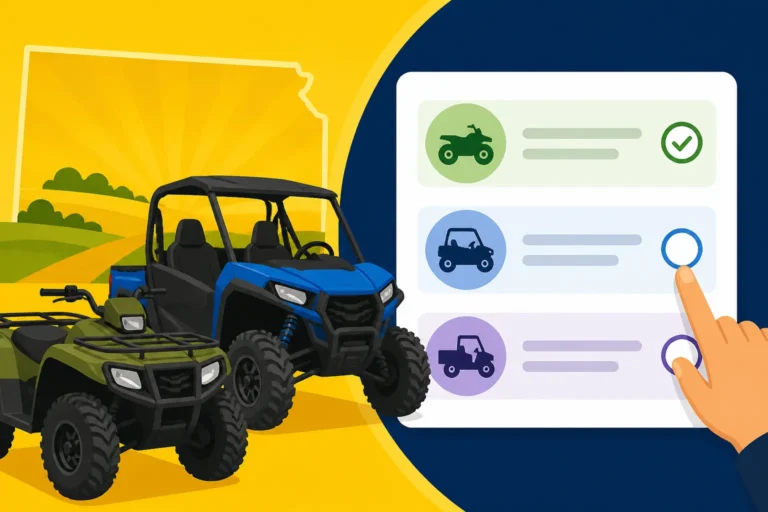
It’s incredibly frustrating when you’re trying to understand the rules for your off-road machine in Kansas, only to encounter vague legal definitions that leave you scratching your head. One of the most common points of confusion for side-by-side owners revolves around the "48 inches" rule for Work-Site Utility Vehicles (WSUVs), specifically how that crucial measurement is actually taken. This guide is here to clear up that mystery, detailing exactly how the 48-inch width is measured and why it makes all the difference for your machine's legal status.
Understanding the Kansas Work-Site Utility Vehicle (WSUV) Classification
Kansas law has some pretty specific categories for off-road vehicles, and the Work-Site Utility Vehicle (WSUV) is one that often provides a bit more flexibility for owners, particularly when it comes to limited road use. But to qualify as a WSUV, your machine has to fit a very particular mold, and width is a massive part of that equation.
Why the 48-Inch Rule Matters
The 48-inch width limit isn't just an arbitrary number; it's a critical component of how Kansas defines a WSUV. If your side-by-side meets this width requirement, along with a few other specifications, it opens up certain possibilities for titling and limited road use that wider machines simply don't have. Think of it as a gatekeeper: pass the width test, and you're one step closer to potentially using your machine for specific tasks on certain roads.
Without this specific classification, many side-by-sides would fall under the broader definition of an all-terrain vehicle (ATV) or simply be categorized as an "unconventional vehicle" with stricter limitations. The WSUV class was created to acknowledge the practical need for these machines on farms, construction sites, and other work environments, often requiring them to move between properties on public roads. Understanding [What Makes a Side-by-Side a Work-Site Utility Vehicle] is paramount here, as the width is intrinsically linked to its intended function and legal use. For a deeper dive into all the nuances, you can check out [Kansas Work-Site Utility Vehicles Explained]. It’s easy to get tangled up in the distinctions between different vehicle types, especially when one specific measurement has such a profound impact on how you can legally use your machine.
The Full WSUV Definition Beyond Width
While the 48-inch width is a major player, it's essential to remember it's just one piece of a larger puzzle that defines a WSUV in Kansas. To truly qualify, your machine must also:
- Weigh over 800 pounds unladen: This means the vehicle's weight without any cargo, passengers, or accessories that aren't permanently affixed. This requirement helps distinguish larger, more robust utility machines from lighter, recreational vehicles. You can find more details on this in [Kansas WSUV Weight Over 800 Pounds].
- Have a steering wheel: This might seem obvious for a side-by-side, but it's a key differentiator from handlebar-steered ATVs.
- Have a bench or bucket seating designed for side-by-side seating: This emphasizes the multi-person utility aspect, contrasting with ATVs that typically have straddle seating. More on this can be found in [Kansas WSUV Seating Requirements].
- Be designed by the manufacturer for off-highway use: The original intent of the vehicle's design is critical.
- Have four or more nonhighway tires: This confirms its off-road capability and differentiates it from standard highway vehicles.
So, while we're focusing on the "48 inches measured how" today, always keep in mind that all these criteria must be met for your machine to be titled and treated as a WSUV. Missing just one, like the steering wheel or the weight requirement, means it simply doesn't fit the WSUV mold, regardless of its width.
The Nitty-Gritty: How to Measure That 48 Inches
Now for the main event: how do you actually measure your machine to ensure it falls within that critical 48-inch window? This is where many owners get anxious, wondering if a fender flare or a wider tire will push them over the limit.
Official Guidance and Common Interpretations
Kansas law, like many state statutes, can sometimes be a bit general when it comes to hyper-specific practical measurements. It typically refers to the "widest point" of the vehicle, but it doesn't always explicitly list every component to include or exclude. In practice, this means that county treasurer's offices and law enforcement often rely on a common-sense interpretation that includes all permanently affixed parts of the vehicle that contribute to its overall width.
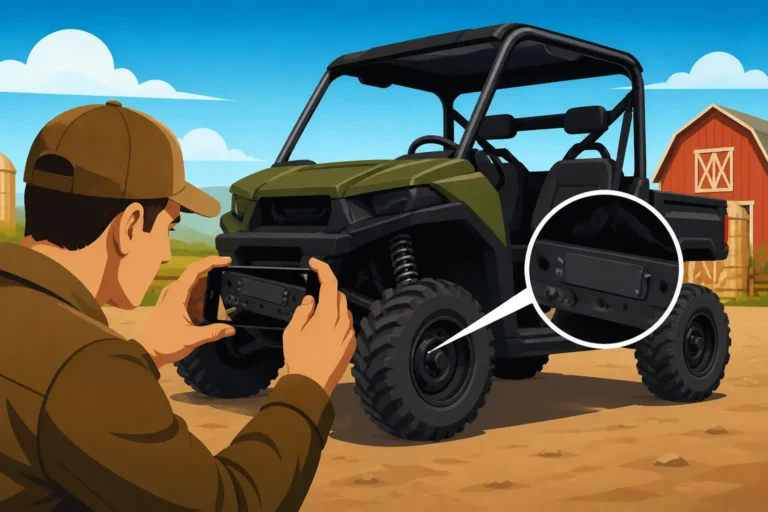
It's not just about the tires, though they are usually the widest point. If your machine has aftermarket fender flares, aggressive wheel offsets, or even permanently mounted accessories that protrude beyond the main body or wheels, these generally need to be included in the measurement. The goal is to determine the absolute widest point of the vehicle that would interact with, say, a narrow trail opening or a lane marker. While a county clerk at the titling desk isn't likely to grab a tape measure unless your vehicle looks obviously too wide, they are trained to review documentation that accurately describes your machine. When preparing any documentation, such as a bill of sale or affidavit, consider using resources like LawDepot to ensure your forms accurately reflect the vehicle's specifications, which can sometimes prevent confusion down the line if an official needs to cross-reference details.
Components to Include (and Exclude)
When you're trying to figure out if your machine is truly 48 inches or less, here's a breakdown of what typically gets included in that crucial measurement:
- Tires and Wheels: Absolutely! These are almost always the widest part of your vehicle. Any bulging of the tire sidewall beyond the wheel rim should also be considered.
- Fender Flares: If your side-by-side has plastic or metal fender flares, especially aftermarket ones that extend outward to cover wider tires, these are definitely part of the overall width.
- Wheel Spacers/Offsets: If you've added spacers or installed wheels with a negative offset that pushes the tires further out, that increased width must be included.
- Permanently Mounted Accessories: This can be tricky. Things like rigid side mirrors that are bolted on, brush guards, or custom rock sliders that protrude significantly beyond the frame or tires usually count. If it's a permanent fixture of the vehicle's footprint, it's generally included.
What might be excluded?
- Temporary Attachments: Items like removable cargo racks, strapped-on coolers, or flexible flagpoles that can easily be removed or bent out of the way are usually not counted.
- Flexible Components: Whip antennas or flexible mirrors that can be folded in or are designed to give way if they strike something might not be strictly included, but it's always best to consider the rigid parts.
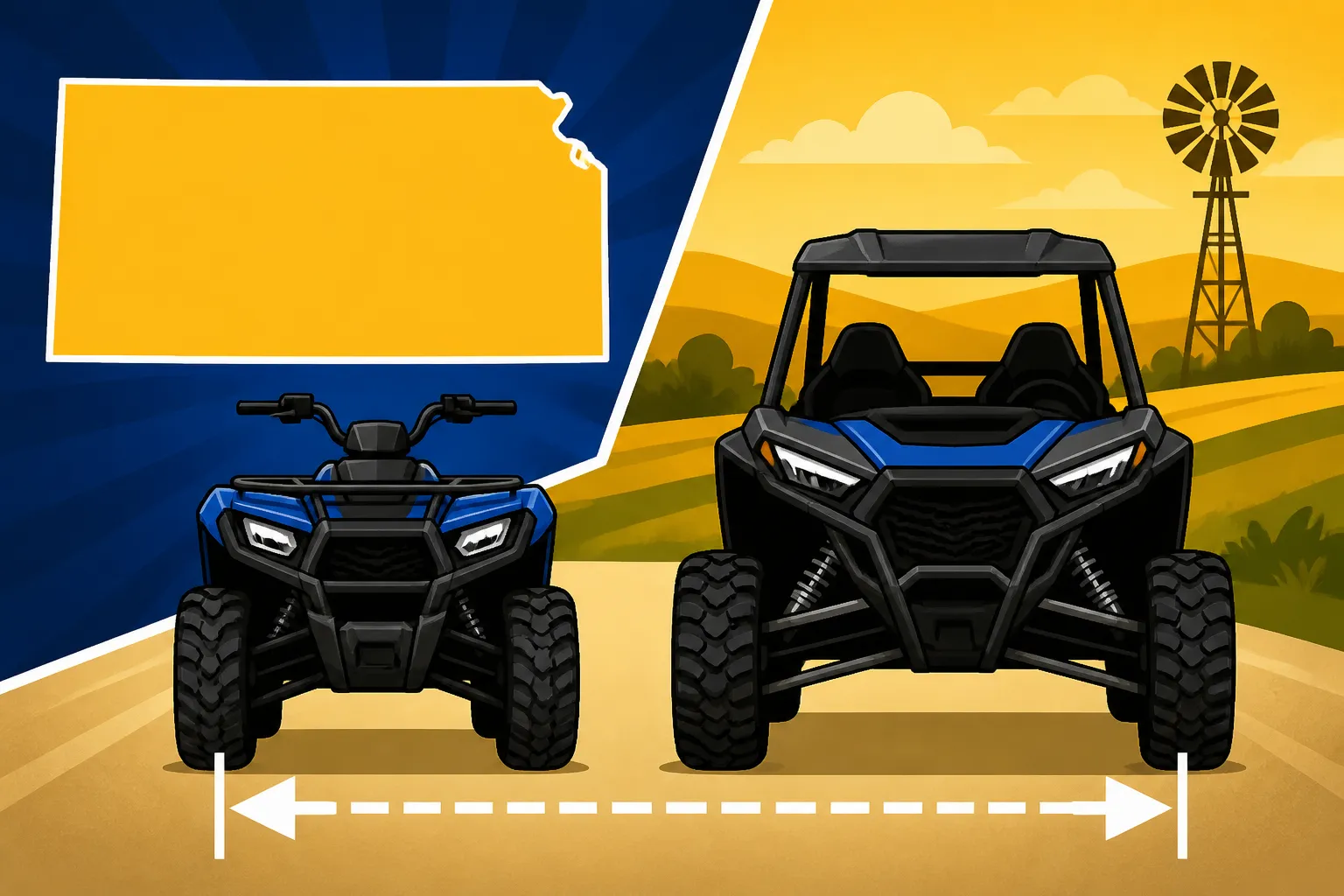
The key takeaway here is to measure the absolute widest point from one side of the machine to the other, ensuring you capture anything that would hit a solid object if you were driving through a tight space.
Practical Measurement Tips for Owners
Taking an accurate measurement is easier than you might think, but it does require a little attention to detail. Here’s how to do it right:
- Park on a Level Surface: Ensure your machine is on flat, level ground. Any tilt could skew your measurement.
- Inflate Tires to Proper Pressure: Under-inflated tires can sag and potentially make your machine appear narrower than it truly is when properly inflated. Ensure your tires are at the manufacturer's recommended PSI.
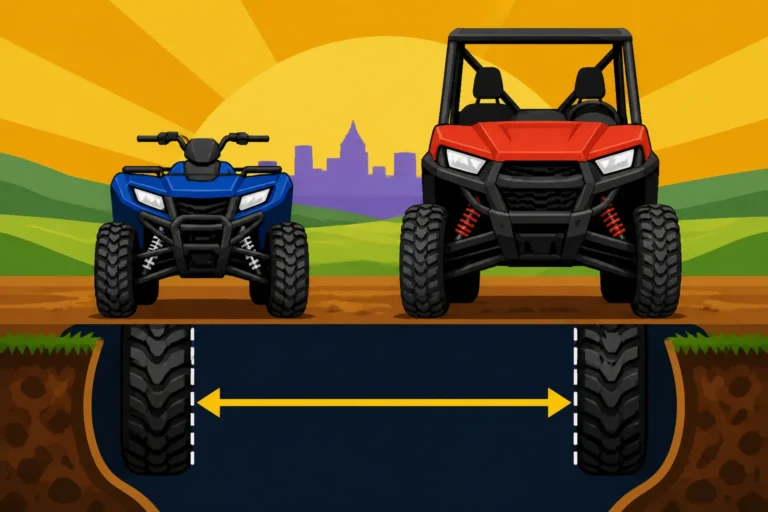
- Use a Straight Edge: The best way to measure is to use two long, straight pieces of wood or metal (like a 2×4 or a level) placed vertically against the widest points on each side of the machine. Make sure these are truly plumb (straight up and down).
- Measure the Distance: Use a long tape measure or, even better, a laser measuring tool, to measure the distance between the two straight edges. Take your time and get a precise reading.
- Check Multiple Points: Don't just measure at tire height. Check if any part of the fender flares or other components higher up are wider than the tires.
- Consider Tire Bulge: Remember that the actual contact patch of your tires often bulges slightly beyond the rim. You'll want to measure to the outermost edge of the tire, including this bulge.
- Get a Second Opinion: If you're really close to that 48-inch line, have a friend double-check your measurements. Two sets of eyes are always better than one.
By following these tips, you can confidently determine whether your machine meets the 48-inch width requirement for a Kansas WSUV. It's a small step that can prevent big headaches down the road.
Consequences of Mismeasurement and Misclassification
Getting the width measurement wrong, or misunderstanding how your machine is classified, can lead to some inconvenient and potentially costly consequences. No one wants to deal with legal trouble just for trying to enjoy their off-road vehicle or use it for legitimate work.
Road Use Implications
Kansas law has a very clear stance on where various off-road vehicles can and cannot be operated. If your machine is actually wider than 48 inches but you've mistakenly assumed it qualifies as a WSUV and are using it on roads where WSUVs are permitted, you could be in for a rude awakening. A law enforcement officer could pull you over and issue a citation for operating an illegal vehicle on a public road. These penalties aren't just a slap on the wrist; they can involve significant fines and court costs.
Imagine you're driving your side-by-side on a county road, confident that your "WSUV" is perfectly legal, only to have a deputy pull you over. If a quick measurement reveals your machine is, say, 50 inches wide, you've now violated the statute. This isn't just about the initial stop; it can also affect your insurance coverage in the event of an accident. If your policy is based on the assumption that your vehicle is a legally classified WSUV, and it turns out it's not, your claim could be denied. Understanding [Kansas Work-Site Utility Vehicle Road Rules] is critical, and it all hinges on correct classification. For more on the consequences of riding where you shouldn't, take a look at [Kansas Penalties for Illegal Road Riding].
Titling Challenges at the County Treasurer's Office
The county treasurer's office is where the rubber meets the road (or, in this case, where the off-road machine gets its title). When you go to title your side-by-side and claim it as a WSUV, the clerk will review your paperwork, including the Manufacturer's Certificate of Origin (MCO) or previous title, which usually lists the vehicle's specifications. While they might not pull out a tape measure for every machine, if the documentation or the vehicle itself (if they see it on a trailer) clearly indicates a width exceeding 48 inches, they have every right to question the WSUV classification.
This can lead to delays in titling, requiring you to clarify or reclassify your vehicle. In some cases, if the machine clearly doesn't meet the WSUV criteria, they might deny that specific classification, meaning you'd have to title it as a general nonhighway vehicle or perhaps even explore other options. This creates extra trips to the office and more paperwork, which is never fun. It’s always best to be prepared and ensure your machine genuinely meets the criteria before you head to the counter. For insights into the titling process, consider reading [Kansas County Treasurers Handle Titles] and [Kansas Title Paperwork Explained] to understand what information and forms are generally needed.
What to Do If Your Machine Is Over 48 Inches
So, you've measured your machine, and it's clear: it's wider than 48 inches. Don't panic! This doesn't mean your side-by-side is worthless or can't be legally owned or operated in Kansas. It simply means it won't qualify as a Work-Site Utility Vehicle, and you'll need to understand its true classification and the rules that come with it.
Alternative Classifications and Restrictions
If your machine doesn't meet the WSUV criteria, it will likely fall into another category under Kansas law, most commonly as an All-Terrain Vehicle (ATV) or potentially, in rare cases, a Micro Utility Truck or even a Golf Cart, depending on its specific features.
- All-Terrain Vehicle (ATV): Many side-by-sides, especially wider recreational models, are legally classified as ATVs if they don't meet the WSUV criteria. ATVs have their own set of rules regarding where they can be ridden. Generally, ATVs are restricted from most public roads, though there are exceptions for agricultural purposes, crossing highways, and riding on private land. You can delve into [How Kansas Law Defines a Nonhighway Vehicle] or specifically [An ATV Defined in Chapter 8] to understand these distinctions better. It's crucial to know that while your ATV will still receive a nonhighway title, it won't have the same road-use privileges as a WSUV.
- Other Categories: If your machine is very small and low-speed, it might fit the definition of a golf cart or a micro utility truck, each with its own specific dimensions and road-use rules, but these are less common for typical side-by-sides that are too wide for WSUV classification.
The key is to accurately identify your machine's correct classification and then strictly adhere to the rules and restrictions associated with that category. Just because it doesn't fit one box doesn't mean it doesn't fit another.
Consulting with Professionals
When in doubt, the best course of action is always to seek clarification from the experts.
- Your County Treasurer's Office: This should be your first stop. The clerks at your local county treasurer's office are the ones who handle titling applications every day. They can provide the most accurate and up-to-date information on how they interpret the WSUV width requirement and what classification your specific machine would likely receive. They deal with these questions constantly and can often give you practical advice tailored to your area. It's much better to make a phone call and ask questions before you're standing at the counter with paperwork. You can find more about the questions they typically hear in [Kansas Title Questions Treasurers Hear].
- Legal Counsel: For complex situations, or if you're dealing with a unique machine or a significant investment, consulting with an attorney specializing in vehicle or property law can be beneficial. They can interpret the statutes and advise you on the best path forward. For general legal form needs, like drafting a comprehensive bill of sale that clearly describes your vehicle and its features for a private sale, tools like LawDepot can be useful. A well-drafted document can ensure that the buyer and seller agree on the vehicle's specifications, which can be helpful if there are questions about classification later. [Using a Handwritten Bill of Sale to Title a Quad] is a good resource for understanding sale documentation.
Taking the proactive step to get expert advice can save you from potential fines, legal troubles, and the headaches of reclassifying your machine after the fact. It ensures you're riding legally and responsibly within the Sunflower State.
| WSUV Requirement | Description | Measurement Considerations |
|---|---|---|
| Width | Not more than 48 inches wide. | Measure to the absolute widest point, including tires, wheels, and permanent flares. |
| Weight | More than 800 pounds, unladen. | Verify manufacturer's specifications or weigh the vehicle without cargo/passengers. |
| Seating | Bench or bucket seating designed for side-by-side seating. | Must accommodate multiple riders side-by-side, not straddle-style like an ATV. |
| Steering | Equipped with a steering wheel. | Excludes machines with handlebars. |
| Tires | Four or more nonhighway tires. | Designed for off-road traction, not highway use. |
| Manufacturer Design | Designed by the manufacturer primarily for off-highway use. | Original intent as an off-road utility vehicle, not a converted golf cart. |
Disclaimer
This article is for general informational purposes only and does not constitute professional advice. Laws, prices and regulations vary by location and change over time. Consult a qualified professional for guidance on your specific situation.