Kansas Title for a Second Machine
So, you’ve already got an ATV or UTV in Kansas, and you know the ropes when it comes to riding and perhaps even some of the quirks of our state’s nonhighway vehicle laws. But now, you’re looking to add another machine to your fleet – maybe a side-by-side for family outings, a sport quad for yourself, or a youth ATV for a younger rider. It's easy to assume the process for getting a title for your second machine will be exactly the same, but there are often nuances and specific considerations that can trip up even experienced owners. This guide will walk you through everything you need to know about titling a second, third, or even fourth off-road machine in Kansas, ensuring you stay compliant and avoid common pitfalls.
Understanding Kansas's Titling Requirements for Nonhighway Vehicles
First things first, let's establish that Kansas treats most ATVs and UTVs as "nonhighway vehicles." This classification is crucial because it dictates the titling process and explains why you'll get a title but never a road-legal license plate for most of these machines. When you bought your first quad or side-by-side, you likely encountered this distinction. For your second machine, the fundamental definition and requirements haven't changed.
Every single ATV, UTV, dirt bike, or other nonhighway vehicle that you own and operate in Kansas requires its own unique title. There isn't a "master" title or a blanket registration for multiple machines under one owner. Each machine, regardless of how many you already possess, is a distinct entity in the eyes of the Kansas Department of Revenue and your local county treasurer's office. Think of it like buying another car – each car needs its own title, even if you already have several in your driveway. This is detailed further in [Kansas's Nonhighway Title Explained].
Why is this important for a second machine? It prevents you from making assumptions based on your first titling experience, particularly if you bought the first one under unique circumstances, like a farm exemption or from a specific type of dealer. While the core process is largely similar, the paperwork and sales tax calculations will be specific to this new machine. You'll still be dealing with [Kansas Titles ATVs as Nonhighway Vehicles] rather than standard vehicle titles. This means no annual tag fees, but the initial titling fee and sales tax still apply to each individual purchase.
The Titling Process for Your Additional Machine – What Stays the Same, What Changes?
The good news is that if you've titled a machine in Kansas before, much of the foundational process will feel familiar. You'll still be interacting with your local [Kansas County Treasurers Handle Titles] office, and the basic documents required will largely mirror your first experience. However, it’s worth reviewing to ensure you have everything in order for this new purchase.
When you acquire your second machine, whether it's brand new from a dealer or used from a private seller, you will need proof of ownership. For a new machine, this will be the Manufacturer's Certificate of Origin (MCO). For a used machine, it's typically the previous owner's signed-over Kansas title, or an out-of-state title if you're bringing it in from elsewhere. If you're buying from a private seller, a detailed bill of sale is absolutely essential, even if it's a simple handwritten one. Many owners find using a standardized template from a service like LawDepot can make this process smoother, ensuring all necessary information (like VIN, buyer/seller details, and purchase price) is included. This helps prevent issues when you get to the treasurer's office.
You'll have 60 days from the date of purchase or assignment to apply for your new title. Missing this deadline can result in late filing penalties, which accumulate monthly. Each machine's clock starts ticking independently. When you visit the treasurer's office, you'll need the following for each machine:
- Properly Assigned Title or MCO: The original document, not a copy.
- Proof of Identification: Your valid driver's license or state ID.
- Proof of Purchase Price: A bill of sale or dealer invoice. This is crucial for calculating sales tax. Remember, [Kansas Sales Tax Collected at Titling] applies to each machine you purchase, unless it's a gift or inheritance with the correct documentation.
- Completed Title Application Form (Form TR-212): You'll fill out a new one for each machine.
- Payment for Title Fee and Sales Tax: The standard $10 titling fee per machine, plus the applicable state and local sales tax based on the purchase price.
Here's a quick rundown of the common requirements for each machine:
| Requirement | New Machine (Dealer Purchase) | Used Machine (Private Sale) |
|---|---|---|
| Proof of Ownership | Manufacturer's Certificate of Origin (MCO) | Previous Owner's Signed-Over Title |
| Bill of Sale | Dealer Invoice | Required (even handwritten) |
| Title Application | Form TR-212 (New for each machine) | Form TR-212 (New for each machine) |
| ID | Valid Driver's License/State ID | Valid Driver's License/State ID |
| Sales Tax | Collected at Treasurer's Office | Collected at Treasurer's Office |
| Title Fee | $10 per machine | $10 per machine |
Even if you're a seasoned pro, gathering all the [Kansas Title Paperwork Explained] for each individual machine is paramount. Double-check everything before you leave for the treasurer's office to avoid a frustrating second trip.
Common Scenarios and Considerations for Multiple Machines
Adding another machine to your stable opens up a few specific scenarios that are worth understanding. The source of your new machine, its type, and how you acquire it can all influence the titling process, even if it's not your first rodeo.
Buying from a Dealer vs. a Private Seller (Again)
You might have bought your first machine from a dealer and found the process fairly straightforward, as they often handle much of the initial paperwork. For your second machine, whether you go through a dealer again or opt for a private sale, the essential difference remains the same. A dealer will usually provide you with the MCO and a detailed invoice, making the treasurer's visit simpler. However, if you choose to buy from a private party for your second machine, you'll be responsible for ensuring you get the properly assigned title from the seller. If the seller can't provide a valid Kansas title, you might face significant hurdles, especially if you're not familiar with the [Kansas Nonhighway Affidavits] or other alternative proofs of ownership required in such cases. Creating a comprehensive bill of sale using a resource like LawDepot can be invaluable here, protecting both buyer and seller. This also applies when navigating [Kansas Titles After a Private Sale].
Different Types of Machines
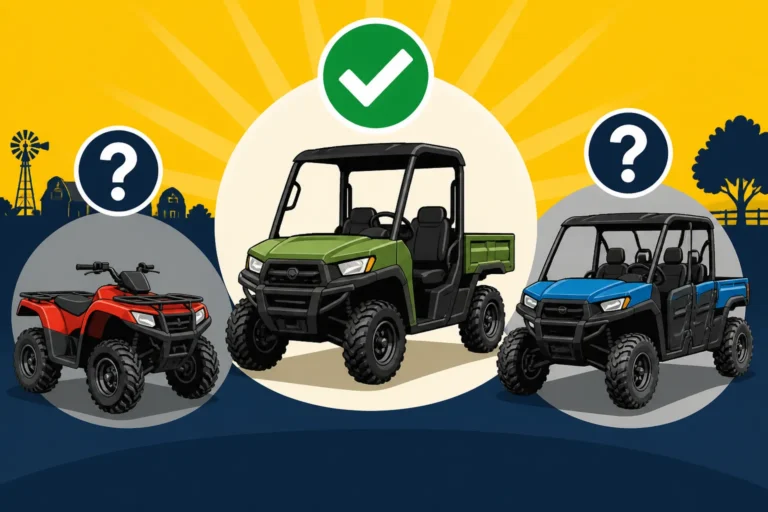
Perhaps your first machine was a workhorse utility ATV, and now you're looking at something different, like a high-performance side-by-side or a youth quad. While the "nonhighway vehicle" umbrella covers many of these, there can be subtle differences in how they're categorized or how specific details need to be listed on the title application.
- Side-by-Sides (SxS/UTV): These are generally titled as nonhighway vehicles unless they fall into the specific "Work-Site Utility Vehicle" (WSUV) category, which has distinct titling requirements. If your new side-by-side meets the criteria for a WSUV (e.g., width, weight, seating), you'll follow those specific rules. Otherwise, it's a standard nonhighway vehicle. You can read more about [Kansas Title for a Side-by-Side] to understand the nuances.
- Youth Quads/ATVs: These machines also require titles. The process for a [Kansas Title for a Youth Quad] is essentially the same as for an adult ATV, but it's important to remember that the registered owner would typically be the adult purchasing the machine.
- Dirt Bikes: Many dirt bikes are also titled as nonhighway vehicles in Kansas, following the same general process.
The key takeaway here is that you can't assume a dirt bike title will be identical to your ATV title, beyond the core "nonhighway" classification. Always pay close attention to the specific machine type on the MCO or previous title.
Inherited or Gifted Machines
It's not uncommon to acquire a second machine through inheritance or as a gift, especially within families. Just like your first machine, even if no money changes hands, a new title is required to transfer ownership. For inherited machines, you'll need additional probate documents or affidavits of heirship. For gifted machines, you'll still need a bill of sale (even if it shows $0 as the purchase price) and the properly assigned previous title. The $10 title fee will still apply, but you'll likely be exempt from sales tax if documented correctly.
Keeping meticulous records for each machine is absolutely vital. Imagine having three ATVs and needing to prove ownership or track maintenance for each. A clear system can save you a lot of headaches down the road.
Staying Organized: Managing Multiple Machine Titles and Paperwork
When you own multiple ATVs and UTVs, keeping track of all the associated paperwork can quickly become overwhelming. Each machine represents a distinct asset with its own title, proof of purchase, and potentially its own insurance policy or maintenance log. Establishing a robust organizational system from the outset will save you countless headaches.
Many owners find it helpful to create a dedicated file (physical or digital) for each machine. Inside each file, you should keep:
- The Original Title: This is the most critical document. Losing it can create a real hassle down the line, requiring you to apply for a duplicate.
- Bill of Sale or Purchase Invoice: Essential for proving the purchase price and date, which can be important for future sales or insurance claims.
- Insurance Documents: If you carry insurance for your off-road machines (highly recommended, even if not state-mandated), keep the policy details here.
- Maintenance Records: A log of oil changes, tire rotations, repairs, and service dates can add significant value if you ever decide to sell a machine.
- Photos of the VIN: A quick photo of the Vehicle Identification Number (VIN) on your phone, and a printed copy in the file, can be invaluable if you ever need to report a machine stolen or retrieve its history.
If you ever find yourself in the unfortunate situation of needing to replace a lost title for one of your machines, the process is straightforward but requires time and a trip to the county treasurer's office. You'll need to fill out a duplicate title application (Form TR-720) and pay a fee. It's a minor inconvenience, but one that highlights the importance of keeping your original titles in a secure place, separate from the machines themselves. For more details, you can refer to [Replacing a Lost Kansas Nonhighway Title].
Moreover, owning multiple machines means you have multiple opportunities for [Title Mistakes Kansas Owners Make Most Often]. Forgetting to apply for a title within the 60-day window for a new purchase, misplacing a bill of sale, or failing to get the seller's signature on the correct line of a title can all cause delays and frustration. Consider using reliable, standardized forms, such as those available through LawDepot, for any private sales, transfers, or affidavits to ensure all legal requirements are met. This standardization can significantly reduce the chances of an error, especially when dealing with several different machines and transactions over time.
Having a clear system not only helps with legal compliance but also makes day-to-day management simpler. When you want to take a specific machine out for a ride, you'll know exactly where its documentation is. When it's time for maintenance, you can quickly check its service history. Owning multiple machines is a fantastic way to enjoy the Kansas outdoors, but staying organized is key to making it a smooth and enjoyable experience for years to come.
Disclaimer
This article is for general informational purposes only and does not constitute professional advice. Laws, prices and regulations vary by location and change over time. Consult a qualified professional for guidance on your specific situation.