Where an Electric UTV Fits in Kansas’s Classes
Trying to figure out where your new electric UTV fits into Kansas's legal framework can feel like navigating a maze blindfolded. With the rise of electric off-road machines, many owners worry that these newer, quieter vehicles might fall into some special, complicated category. But don't fret! This comprehensive guide will break down exactly how electric UTVs are classified in the Sunflower State, clearing up the confusion so you can title and enjoy your machine with confidence.
The Evolving Landscape of Electric UTVs in Kansas
The world of off-road vehicles is constantly advancing, and electric utility vehicles (UTVs) are a perfect example of this innovation. As more manufacturers offer electric options, it's natural for owners to wonder if these modern machines are treated differently under Kansas law than their gas-powered counterparts. The good news is, for the most part, the legal classifications are surprisingly straightforward, focusing more on the vehicle's design and intended use than its power source.
Why Electric Machines Are Different (and Confusing)
When you think about an off-road vehicle, especially one designed for utility, a noisy gasoline engine often comes to mind. Electric UTVs, with their silent operation, instant torque, and zero emissions, represent a significant shift. This difference in propulsion often leads people to assume there must be a completely separate set of rules or classifications for them. "Is it an electric car? Is it a golf cart? Does it need a special permit?" These are common, understandable questions.
However, Kansas vehicle law, like that in many other states, tends to classify off-road vehicles based on their physical characteristics and primary function, not necessarily the type of fuel or power system they use. While electric vehicles certainly have their unique advantages and considerations for maintenance and charging, the state's legal definitions for titling and operation usually remain consistent across power types for the core off-road classes. The confusion often stems from the novelty of the technology rather than a fundamental legal distinction.
Kansas Law's Four Core Off-Road Classes
Before we dive into electric specifics, it's essential to understand the four primary classes of off-road vehicles that Kansas law recognizes. These classifications are critical because they dictate how your machine is titled and, more importantly, where and how you can legally operate it. Whether your machine runs on gas or electricity, it will fall into one of these categories.
First, there's the All-Terrain Vehicle (ATV), typically designed for a single rider with a straddle seat and handlebars. Then you have the Recreational Utility Vehicle (RUV), more commonly known as a side-by-side or UTV, featuring side-by-side seating, a steering wheel, and foot pedals. Kansas also has a specific class for Work-Site Utility Vehicles (WSUVs), which are essentially side-by-sides but must meet strict dimensions and weight requirements for specific road use. Finally, there's the Micro Utility Truck, which is a low-speed vehicle with an enclosed cab and a cargo bed. Each of these categories has distinct legal implications, and you'll find that electric UTVs slot quite neatly into them. For a deeper understanding of these categories, you can refer to [Four Off-Road Classes Kansas Law Treats Differently].
How Kansas Defines a Nonhighway Vehicle
The term "nonhighway vehicle" is central to understanding how off-road machines, including electric UTVs, are treated in Kansas. It's the umbrella term that most of these vehicles fall under, and it sets them apart from typical cars and trucks that are designed for public road use. This distinction is crucial for titling and registration.
The 'Nonhighway Vehicle' Umbrella
When you purchase an electric UTV, whether it's for ranch work, recreation, or simply cruising around your property, Kansas law generally considers it a "nonhighway vehicle." This classification means it's not intended for operation on public roads and highways. Instead, these machines are primarily designed for off-road environments like fields, trails, or private property. It might seem like a small detail, but it has significant implications for you as an owner.
For example, one of the biggest benefits of this classification is that [Kansas Has No OHV Registration]. Unlike cars or trucks, you won't be paying annual tag fees or needing to renew a registration sticker for your electric UTV. While you still need to title the machine, the absence of ongoing registration is a welcome relief for many owners. This also means that even though it's electric, the state isn't asking for an "electric vehicle registration" on top of everything else; it simply falls under the existing nonhighway vehicle rules. You can learn more about this in [Kansas Titles ATVs as Nonhighway Vehicles].
The Importance of Manufacturer's Designation
When it comes to figuring out which class your electric UTV belongs to, Kansas law largely defers to the manufacturer's original design and intent. This is a critical point that often gets overlooked. It's not about the color of your machine, or even its top speed, but rather how it was built and marketed by the company that made it. The Manufacturer's Certificate of Origin (MCO) is your golden ticket here.
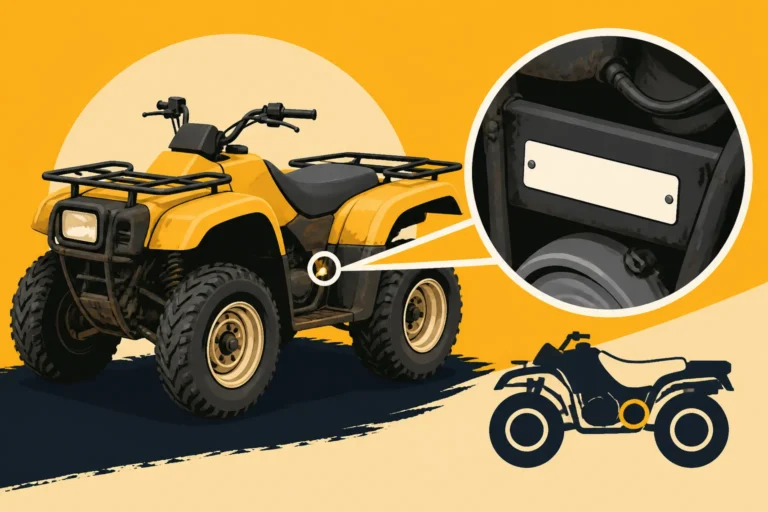
The MCO is a document that comes with a new machine, much like a birth certificate for a vehicle. It clearly states the vehicle type, model, and often its intended use. Kansas county treasurers rely heavily on this document to determine the correct classification. For instance, if an electric machine is built with a steering wheel, side-by-side seating, and a cargo bed, the MCO will typically designate it as a recreational utility vehicle (side-by-side). The fact that it's electric doesn't change this fundamental designation. The law focuses on physical attributes like having "four or more nonhighway tires" or the type of seating, as explained in [Why the Manufacturer Decides Your Title Class]. When you head to the treasurer's office to title your new electric UTV, bringing your MCO is absolutely essential, as detailed in [Taking an MCO to the County Treasurer's Window].
Diving Into the Specific Classes for Electric UTVs
Now that we understand the overarching "nonhighway vehicle" designation and the importance of the manufacturer's intent, let's explore how electric UTVs fit into the specific classes Kansas law defines. You'll see that their electric propulsion system typically doesn't alter their classification; rather, they simply become an electric version of an existing vehicle type.
Electric UTVs as Recreational Utility Vehicles (Side-by-Sides)
This is by far the most common classification for electric UTVs you'll find on the market today. If your electric machine has a steering wheel, foot pedals, and side-by-side seating (like a bench seat or two bucket seats), it's almost certainly going to be classified as a Recreational Utility Vehicle (RUV), or what most of us just call a side-by-side. Think of popular electric models from manufacturers that offer both gas and electric versions of their utility and recreational vehicles.
The key features that Kansas law looks for in an RUV, such as a steering wheel rather than handlebars, and bench or bucket seating designed for multiple passengers side-by-side, are inherent in many electric UTV designs. The motor's power source is secondary to these foundational design elements. So, whether you have a robust electric UTV with a long-range battery meant for exploring vast properties or a slightly smaller one for navigating hunting trails, if it meets these design criteria, it's an RUV. The rules for titling and any potential local road use will follow this classification, just as they would for a gas-powered side-by-side. The presence of a [Why a Steering Wheel Changes Your Title Class] is often the easiest tell.
Electric UTVs as Work-Site Utility Vehicles (WSUVs)
While many electric UTVs fit into the RUV category, some heavy-duty or purpose-built electric machines might qualify as a Work-Site Utility Vehicle (WSUV). This classification is a bit more specific and comes with particular requirements and some unique, albeit limited, road-use exceptions. If your electric UTV is designed for serious hauling, towing, or commercial applications, it's worth checking if it meets the WSUV criteria.
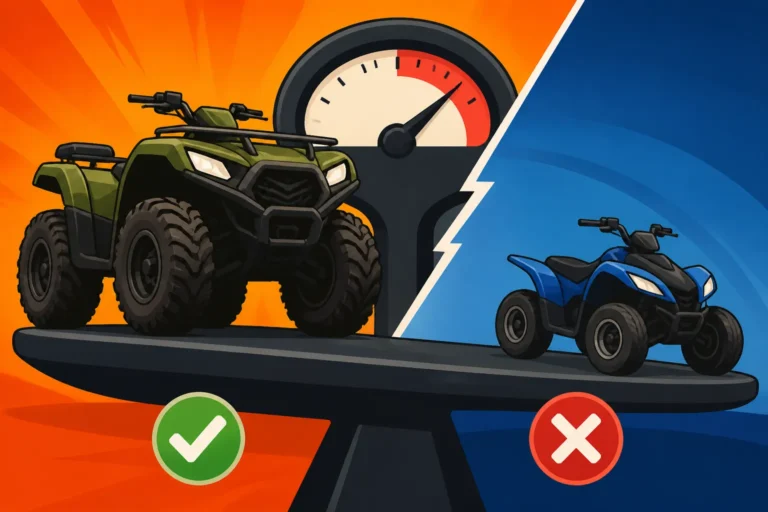
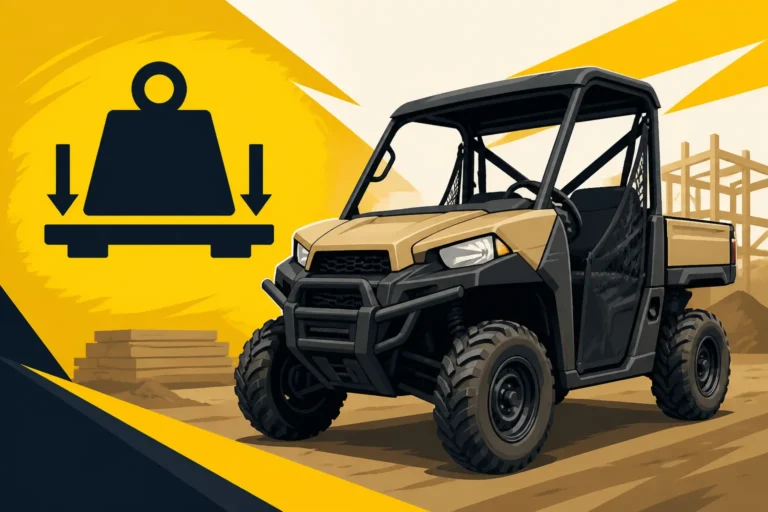
To qualify as a WSUV in Kansas, your electric machine must be no more than 48 inches wide, weigh over 800 pounds unladen (that's without passengers or cargo), have four or more nonhighway tires, and, like an RUV, feature a steering wheel and side-by-side seating. You can read more about these specific requirements in [What Makes a Side-by-Side a Work-Site Utility Vehicle] and [48 Inches and 800 Pounds]. Many manufacturers are now producing rugged electric UTVs that can meet these specifications, offering powerful, quiet alternatives for construction, agricultural, or industrial sites. If your electric UTV fits this mold, it will be titled as a WSUV, which then allows for some very specific, limited road use under [Kansas Work-Site Utility Vehicle Road Rules] that wouldn't apply to a standard RUV.
Electric UTVs as Micro Utility Trucks or Golf Carts
While less common for what most people consider a "UTV," it's worth briefly touching on how electric machines could potentially fit into the Micro Utility Truck or Golf Cart classes. However, it's important to set realistic expectations: most true electric UTVs won't qualify for these classifications, and trying to force them into these categories can lead to legal issues.
A Micro Utility Truck is a very specific type of vehicle in Kansas, defined by having an enclosed cab, a cargo bed, and typically weighing less than 2,000 pounds. These are often designed for specific municipal or campus uses and, unlike most UTVs, are generally considered street-legal at low speeds with proper equipment. It's rare for an electric UTV built for off-road recreation or heavy utility to also meet the enclosed cab and other strict requirements of a Micro Utility Truck. Similarly, a Golf Cart is strictly defined as a motor vehicle designed and manufactured for operation on a golf course, with a top speed usually under 20 mph. While many electric UTVs might look similar to some larger golf carts, their design, power, and intended use usually push them far beyond the golf cart definition. Trying to title an electric UTV as a golf cart would likely be rejected at the treasurer's office if it doesn't meet the core definition, which you can find more about in [What the Law Counts as a Golf Cart] and [What Counts as a Micro Utility Truck].
Titling Your Electric UTV in Kansas
One of the great things about Kansas's off-road vehicle laws is their consistency when it comes to titling. Once you understand that your electric UTV fits into one of the established nonhighway vehicle classes, the actual process for getting a title for it is virtually identical to that for a gas-powered machine. There are no special "electric vehicle title" forms or procedures you need to worry about.
The Titling Process Remains Consistent
The journey to officially owning your electric UTV in Kansas begins at your local county treasurer's office. This is the same process that every owner of an ATV or side-by-side goes through. You'll need to gather a few key documents to ensure a smooth visit. First and foremost, you'll need the Manufacturer's Certificate of Origin (MCO), which we discussed earlier, if your UTV is new. If you bought it used from a private seller, you'll need a properly executed bill of sale and the previous owner's signed-off title. [Kansas Title Paperwork Explained] provides a comprehensive list of what you'll need.
Once you have your documents, you'll fill out an application for a nonhighway title. It's crucial to do this promptly, as Kansas law gives you [Kansas Gives You 60 Days to Apply] from the date of purchase (or the date of assignment on the MCO) to get your title application submitted. Don't wait until the last minute, as late fees can apply. The friendly staff at your [Kansas County Treasurers Handle Titles] office are there to guide you through the process, making sure your electric UTV gets its rightful place in the state's records. If you're involved in a private sale, and need a bill of sale, resources like LawDepot offer templates that can ensure your documentation is legally sound.
Costs and Fees You Can Expect
Budgeting for your electric UTV isn't just about the purchase price; it also includes the necessary costs for titling. Fortunately, these fees in Kansas are quite reasonable and, again, are no different for an electric machine than for a gas-powered one. This predictable cost structure makes it easier to plan your finances.
The state of Kansas charges a flat fee for a nonhighway title. This single, straightforward fee covers the administrative cost of processing your title application and recording your ownership. You can find the exact amount, which is typically quite modest, in [Kansas Charges $10 for a Title]. Beyond the title fee, you will also be required to pay Kansas sales tax when you title your electric UTV, unless it was purchased from a dealer who collected it at the time of sale. The sales tax is collected at the treasurer's office based on the purchase price or the machine's appraised value, as detailed in [Kansas Sales Tax Collected at Titling]. Remember, a big advantage for nonhighway vehicles like your electric UTV is that [Kansas Has No Annual Tag Fee], which helps keep your ongoing ownership costs down year after year.
Road Use Considerations for Electric UTVs
Even though your electric UTV is sleek, quiet, and capable, its power source does not magically grant it permission to cruise down public roads. Kansas law is very clear on where nonhighway vehicles can and cannot operate. Understanding these rules is vital to avoid potential fines or legal trouble, regardless of whether your UTV is electric or gasoline-powered.
The Default Ban on Public Roads
It's a common misconception that if a vehicle is "utility" or "slow-moving," it must be allowed on some public roads. However, the default position of Kansas law is that nonhighway vehicles, which include most electric UTVs, are generally prohibited from operating on public roads, streets, and highways. This is a statewide ban, clearly outlined in statutes like [Kansas Bans ATVs Inside City Limits by Default]. This means that even if your electric UTV feels perfectly safe and capable of handling a short stretch of pavement, it's typically illegal to do so unless a specific exception applies.
There are, however, very limited exceptions. For example, farmers operating their machines for agricultural purposes might be allowed on certain roads for short distances, as discussed in [Kansas Agricultural Trips on a 65 mph Road]. Additionally, crossing a state highway at an intersection is generally permissible, even for nonhighway vehicles, as clarified in [Crossing a State Highway is Always Legal]. Beyond these narrow exceptions, do not assume your electric UTV is permitted on any public right-of-way without explicit authorization.
Local Ordinances and City Tags
While the state of Kansas generally bans nonhighway vehicles from public roads, cities and counties have the power to create their own ordinances that allow limited street use within their jurisdictions. This is where the landscape can get a bit complicated, but it also offers opportunities for electric UTV owners. If you live in a town or plan to operate your machine on city streets, you absolutely must check the local ordinances.
Many cities across Kansas have chosen to "opt-in" and allow UTVs, including electric models, on certain city streets. [Kansas Cities That Opt In by Ordinance] is a great place to start looking. These local ordinances often come with specific requirements: you might need to obtain a special "city tag" or permit, pay an annual fee, carry proof of insurance, and even have your electric UTV undergo a safety inspection by local law enforcement. For example, places like Louisburg or Andover have specific rules for UTVs. The good news is that these local rules typically apply equally to both gas and electric UTVs, focusing on the vehicle type and safety equipment rather than the power source. You'll likely need to show proof of insurance, as mentioned in [Kansas City Insurance Requirements], and pay for a city tag, as detailed in [Kansas City Tag Fees for a UTV]. Before a tag is issued, a [Police Inspect a UTV Before a City Tag Issues] is often a requirement. Sometimes, cities might require specific forms or declarations, and resources like LawDepot can be useful for finding appropriate legal templates if you need to create any custom documentation for local permits.
Why the Power Source Rarely Matters for Classification
It bears repeating: the single most important takeaway for electric UTV owners in Kansas is that the vehicle's power source generally has little to no bearing on its legal classification. While electric technology is exciting and growing in popularity, the state's vehicle laws are designed to be largely agnostic when it comes to fuel type for off-road machines.
Focus on Physical Characteristics, Not Fuel
Kansas law, when defining off-road vehicle classes, is primarily concerned with objective, physical characteristics. Does it have handlebars or a steering wheel? Does it have a straddle seat or side-by-side seating? What's its width, weight, and tire configuration? These are the questions that determine whether your machine is an ATV, an RUV, a WSUV, or another class. The fact that an electric motor provides the propulsion instead of an internal combustion engine is, from a legal classification standpoint, simply a detail of its engineering, not a reason for a separate category.
This legislative approach makes a lot of sense, as it provides stability and clarity regardless of how vehicle technology evolves. An electric UTV still performs the same functions, has similar dimensions, and operates in similar environments as its gas-powered cousins. Therefore, it fits naturally into the existing classifications without requiring an entirely new set of definitions or regulations. The quiet operation or environmental benefits of an electric motor, while appreciated by owners, are not factors that Kansas uses to slot a vehicle into a distinct legal class for titling purposes.
Future-Proofing for Electric Machines
The current stability of Kansas's off-road vehicle laws, where electric machines are integrated into existing classifications, bodes well for the future. While technology continues to advance rapidly, the foundational legal definitions used for titling off-road vehicles tend to be broad enough to encompass new power sources without needing constant legislative updates. This "future-proofing" approach means that you're unlikely to wake up one day and find your electric UTV suddenly in a new, more restrictive category solely because it's battery-powered.
That said, always remain vigilant about local ordinances. City and county rules for road use are often more dynamic than state titling laws and can change more frequently. A city that allows UTVs on streets today might amend its ordinance tomorrow, perhaps adding new equipment requirements or altering speed limits. Your best bet is to periodically check with your local city hall or county clerk's office for any updates to ordinances, especially if you rely on public road access. For staying organized with your vehicle documentation or if you ever need to prepare any legal forms related to vehicle ownership or sales, even for any future regulatory changes, consider using platforms like LawDepot for up-to-date templates and resources.
Conclusion: Your Electric UTV Fits Right In
The bottom line for electric UTV owners in Kansas is this: your innovative, quiet, and powerful machine is not an anomaly in the eyes of the law. It simply fits into the existing, well-defined categories for nonhighway vehicles, primarily as a Recreational Utility Vehicle (side-by-side) or, in some cases, a Work-Site Utility Vehicle. The titling process, costs, and general road-use rules are consistent with those for gas-powered machines. By understanding these classifications, utilizing the Manufacturer's Certificate of Origin, and staying informed about any local ordinances, you can confidently own and operate your electric UTV throughout the Sunflower State.
| Class | Key Defining Features | Typical Electric UTV Fit | Road Use Considerations |
|---|---|---|---|
| All-Terrain Vehicle (ATV) | Straddle seat, handlebars, 3-6 wheels, < 50" wide | Not typically (rarely straddle seat) | Generally banned, limited agricultural exceptions & crossings |
| Recreational Utility Vehicle (RUV) / Side-by-Side | Side-by-side seating, steering wheel, foot pedals, cargo bed | Yes, many electric UTVs fit here | Generally banned, limited agricultural exceptions & crossings; city ordinances possible |
| Work-Site Utility Vehicle (WSUV) | Side-by-side seating, steering wheel, foot pedals, cargo bed, > 800 lbs, < 48" wide | Yes, some heavy-duty electric UTVs | Limited road use for work purposes, some city ordinances |
| Micro Utility Truck | Enclosed cab, cargo bed, under 2000 lbs | Less common, usually street-legal models | Specific equipment rules, often street-legal by default |
| Golf Cart | Designed for golf course, < 20 mph | Less common for "UTV," very limited road use | Highly restricted to specific areas, local ordinances |
Disclaimer
This article is for general informational purposes only and does not constitute professional advice. Laws, prices and regulations vary by location and change over time. Consult a qualified professional for guidance on your specific situation.