Kansas Micro Utility Truck Road Rules
It’s a scenario many Kansas owners face: you've invested in a nimble micro utility truck, a machine that’s perfect for getting around your property, farm, or even a large commercial site. But then you start wondering, can this versatile vehicle legally navigate the roads in Kansas? The rules surrounding micro utility trucks on public roads can feel like a tangled mess of state statutes and local ordinances, leaving many feeling frustrated and unsure. This guide is here to untangle that knot, providing a comprehensive look at the specific road rules that apply to micro utility trucks in the Sunflower State, so you can ride with confidence and stay on the right side of the law.
Understanding What Kansas Considers a Micro Utility Truck
Before we dive into the specifics of road rules, it’s absolutely critical to understand what Kansas law actually defines as a "micro utility truck." This isn't just bureaucratic jargon; it's the foundation upon which all other regulations are built. Misclassifying your vehicle can lead to unexpected fines, legal issues, or even having your machine impounded. Many owners mistakenly assume their golf cart or UTV falls into this category, but the legal distinctions are very precise in Kansas.
The Legal Definition: Weight, Width, and Seating
Kansas statutes define a micro utility truck with some very specific criteria. It's not just about how it looks or what you call it. For a vehicle to be legally considered a micro utility truck, it generally has to meet certain physical characteristics that set it apart from other types of off-road vehicles. This usually includes provisions related to its unladen weight, its overall width, and its seating arrangement. Think about how the manufacturer designed it – was it explicitly made for light-duty work, often with a cargo bed and a relatively small footprint? The weight limits are usually on the lighter side, differentiating it from heavier commercial trucks, while the width often allows it to navigate tighter spaces than a standard pickup. The seating is also typically side-by-side, much like a small car, but with a chassis clearly built for utility rather than high-speed travel. These aren't arbitrary numbers; they're set to ensure that if these vehicles do venture onto public roads, they fit into a specific safety and traffic flow niche.
Distinguishing Micro Utility Trucks from Other Off-Road Vehicles
The lines between different types of off-road vehicles can blur easily, but Kansas law is keen on drawing them sharply, especially when it comes to road use. A micro utility truck is not a golf cart, even if it looks somewhat similar. Golf carts typically have much lower speed capabilities and are designed primarily for golf courses or very short, low-speed trips in specific communities. It's also distinct from an all-terrain vehicle (ATV) or a side-by-side utility terrain vehicle (UTV). ATVs are designed for single riders, straddle-style seating, and aggressive off-road performance. UTVs, while often having side-by-side seating and utility beds, tend to be larger, more powerful, and have different construction standards. The key differentiator for a micro utility truck often lies in its intended design for light hauling and work, often with a fully enclosed cab or the provision for one, and specific dimensions that align with a "mini truck" concept rather than a recreational off-roader. You might even look at some of the aftermarket parts available from places like SuperATV and notice they market items specifically for UTVs, which might not be compatible or even legal for a micro utility truck on the road, highlighting the need to know your vehicle's specific classification.
Why the Classification Matters for Road Use
Why does all this legal hair-splitting matter? Because the classification dictates everything about where and how you can operate your vehicle on public roads. If your machine is classified as a micro utility truck, it will have a specific set of rules, often different from those governing golf carts or UTVs. For instance, the regulations on speed, required safety equipment, and even where you can title it might differ significantly based on this initial classification. Attempting to operate a golf cart under micro utility truck rules, or vice-versa, can result in citations, fines, and potential legal complications. The state wants to ensure that any vehicle venturing onto its roadways is safe, properly equipped, and operated by someone who understands the specific laws that apply to their machine. Getting this right from the start saves a lot of headaches down the road, literally.
General Road Rules for Micro Utility Trucks in Kansas
Unlike some states where off-road vehicles have broad access to public roads, Kansas tends to be more restrictive by default. For micro utility trucks, understanding these general statewide prohibitions and limited exceptions is the first step toward legal operation. It's tempting to think that because it looks like a small truck, it can go anywhere a regular truck can, but that's simply not the case in Kansas.
The Default Ban on State and Federal Highways
Let's be absolutely clear: Kansas state law generally prohibits the operation of micro utility trucks on state and federal highways. This includes major arteries like I-70, US-50, or even state-numbered routes that crisscross the countryside. These roads are designed for high-speed, heavy traffic, and a micro utility truck, by its very definition, is not built to safely integrate into that environment. Imagine trying to keep up with semi-trucks and passenger vehicles traveling at 65+ MPH in a vehicle that tops out much lower and lacks the same protective features. It's a recipe for disaster and is strictly forbidden for safety reasons. This ban is a statewide rule, so it applies regardless of any local city or county ordinances you might encounter elsewhere. You should never assume that because a county road leads to a state highway, you can just hop on it for a quick merge. Always plan your routes to avoid these major roadways entirely. [Kansas Micro Utility Truck Road Rules] are strict on this point.
Permitted Crossing of Highways
While continuous travel on state and federal highways is a no-go, Kansas law typically allows for brief, direct crossings. This is a crucial distinction. Picture this: you're working on a farm, and your land is split by a state highway. You need to move your micro utility truck from one field to another directly across the road. In most cases, this type of direct crossing, performed safely and perpendicularly to the flow of traffic, is permissible. However, it's not a free pass to drive down the highway for any distance. The crossing must be at an intersection or another designated point, and you must yield to all traffic, using extreme caution. It's about minimizing the time spent on the higher-speed road and not disrupting the flow of traffic. Think of it as crossing a busy street on foot – you do it quickly and with great awareness, not leisurely walking down the median.
Restrictions on County Roads and Section Lines
This is where the rules can start to get a little more nuanced, and often, more confusing for owners. By default, even county roads and section lines (the unpaved roads often found on mile lines in rural areas) are not automatically open to micro utility trucks for general recreational use. While these vehicles are often invaluable for agricultural work, for instance, hauling feed across a pasture that borders a county road, or checking fences along a section line, using them as primary transportation on these roads usually requires specific authorization.
The challenge is that counties themselves often don't have ordinances specifically addressing micro utility trucks in the same way cities might. This leaves a gray area where local law enforcement often refers back to the state's broader prohibition on "off-highway vehicles" unless specifically excluded or authorized. However, there are significant agricultural exceptions. A farmer using a micro utility truck strictly for farm-related tasks on a county road adjacent to their property, especially when crossing from one field to another or moving equipment for specific farm operations, often falls under an agricultural exemption. But taking that same micro utility truck into town for groceries, even if it's all on county roads, typically would not. It’s vital to understand the difference between using your machine for its intended utility purpose on agricultural land and attempting to use it as a substitute for a street-legal vehicle for general errands. Always check with your local county sheriff's office if you have questions about specific county road use, as their interpretation of the agricultural exception can sometimes vary.
City Ordinances: The Key to Street Legality
If you're dreaming of driving your micro utility truck on city streets in Kansas, you need to understand that state law generally bans them by default. This means that for your micro utility truck to be street legal within a city's limits, that specific city must pass its own ordinance allowing it. This isn't a suggestion; it's a legal necessity. Without a local ordinance, your micro utility truck is as illegal on city streets as an ATV.
How a City Opts In to Allow Micro Utility Trucks
The process for a city to allow micro utility trucks on its streets is quite specific. It involves the local city council or governing body actively reviewing, drafting, and passing an ordinance. This isn't something that happens overnight or by informal agreement. These ordinances typically outline a range of conditions that must be met for a micro utility truck to be legally operated on public roads within city limits. They consider factors like speed limits, times of day, specific road types (e.g., usually not on major arterial roads within the city), and the required safety equipment. Before passing such an ordinance, city officials often hold public hearings to gather input from residents and law enforcement, weighing the benefits (like convenience for residents or businesses) against potential safety concerns. It's a deliberate legislative process that requires a formal vote, meaning you can often find the exact text of these ordinances on the city's official website or by contacting the city clerk. [How a City Council Opens Its Streets to UTVs] (though the title says UTVs, the process for micro utility trucks is analogous).
Common Requirements for City-Issued Tags and Permits
Once a city has an ordinance in place, they usually establish a permit or tag system. This isn't just a formality; it's how the city ensures that every micro utility truck operating on its streets meets all the local requirements. These requirements often mirror what you'd expect for any street-legal vehicle, but scaled down for the micro utility truck's capabilities. You'll likely need to:
- Apply for a permit: This usually involves filling out an application at City Hall or the police department.
- Provide proof of ownership: A title or manufacturer's certificate of origin (MCO) is typically required.
- Show proof of insurance: Many cities mandate at least liability insurance. [Kansas City Insurance Requirements] can vary, but expect to show an active policy.
- Present your driver's license: Only licensed drivers are generally allowed to operate these vehicles on city streets.
- Undergo a safety inspection: A city official, often a police officer, will check your micro utility truck to ensure it has all the required safety equipment, such as working lights, brakes, and mirrors.
- Pay a fee: There's almost always an annual fee for these city-issued tags or permits, which helps cover the administrative costs of the program.
The city's ordinance will specify the exact placement of the tag or sticker, often on the rear or a visible side of the vehicle, so it can be easily identified by law enforcement. It’s crucial to complete this entire process before you ever take your micro utility truck onto a city street, otherwise, you risk being ticketed for illegal operation.
Examples of Kansas Cities with Micro Utility Truck Ordinances
While I cannot provide an exhaustive, real-time list of every single Kansas city with a micro utility truck ordinance, I can tell you that a growing number of smaller towns and rural communities are exploring and implementing these rules. These cities often recognize the practical benefits of micro utility trucks for their residents, whether for short trips to the store, community events, or simply getting around without needing a larger vehicle. Communities like Louisburg, Scott City, De Soto, and Andover, which have seen interest in allowing other types of utility vehicles on their streets, are examples of places that might consider or already have similar provisions for micro utility trucks.
However, the key takeaway is that you must verify the specific ordinance for your city or the city you plan to ride in. Don't rely on word-of-mouth or assume that because a neighboring town allows them, yours does too. The rules can vary wildly from one city limit to the next. What's perfectly legal in Louisburg might lead to a citation just a few miles away. Always contact the city clerk's office or the local police department to get the most accurate and up-to-date information for your specific location. [Kansas Cities That Opt In by Ordinance] for UTVs are good examples of cities that might also have, or be considering, micro utility truck ordinances.
Equipment and Safety Requirements for Road Use
Even if your city has passed an ordinance allowing micro utility trucks on its streets, simply having the permit isn't enough. Your vehicle must be equipped with specific safety features to ensure it's safe for public roads and compliant with local regulations. These requirements are in place to protect you, your passengers, and other drivers sharing the road. It's not just about what the law says; it's about common sense safety when you're mixing with traffic.
Essential Lighting for Day and Night Operation
Lighting is paramount for visibility, especially if you plan to operate your micro utility truck outside of daylight hours. City ordinances will typically require a full suite of functional lighting, much like a standard car, but adapted for the vehicle's design. This commonly includes:
- Headlights: Bright enough to illuminate the road ahead and make you visible to oncoming traffic. These typically need to be DOT-approved.
- Taillights: Clearly visible from the rear, often including brake lights that illuminate when the pedal is pressed.
- Turn Signals: Both front and rear, to indicate your intentions to other drivers. These are often a mandatory upgrade for micro utility trucks not originally equipped for road use.
- Reflectors: Additional reflective materials on the sides and rear can further enhance visibility, particularly at dusk or dawn.
- Horn: A functional horn is essential for alerting pedestrians or other drivers to your presence.
Some owners turn to aftermarket solutions like those offered by SuperATV for their UTVs, which often include universal light kits, mirrors, and turn signal kits. While these products are designed for utility vehicles, you'll need to ensure any such additions meet the specific lumens and mounting requirements outlined in your city's ordinance for micro utility trucks. Remember, just because it fits, doesn't mean it’s legally compliant for road use in your specific city. [Kansas Lighting Rules After Sunset] are a good general guide, but city ordinances for micro utility trucks may have even more specific details.
Braking, Steering, and Other Safety Features
Beyond lighting, a micro utility truck designated for street use must have a robust set of safety features to handle varying road conditions and interactions with other vehicles. These include:
- Adequate Braking System: The brakes must be in good working order, capable of bringing the vehicle to a safe and controlled stop within a reasonable distance. This typically means four-wheel brakes, not just rear-wheel.
- Functional Steering System: The steering must be responsive and not exhibit excessive play, allowing the driver precise control.
- Rearview Mirrors: At least one, but often two, rearview mirrors (one on each side) are required to give the driver a clear view of traffic behind them.
- Windshield: A fixed, safety glass windshield is often a requirement, providing protection from debris and elements. Some ordinances may specify laminated safety glass.
- Seat Belts: If the vehicle has factory-installed seating, seat belts are almost always required to be present and functional for all occupants.
- Tires: Tires must be in good condition, with adequate tread depth, and rated for road use (though often at lower speeds than regular car tires). Agricultural or off-road only tires may not be acceptable for city street use.
These features ensure that even though it's a "micro" truck, it can still operate safely in an urban or suburban environment. A quick check of your vehicle's current condition against the city's specific ordinance will tell you what upgrades or maintenance might be necessary before it passes inspection. [Kansas Micro Utility Truck Equipment Rules] is an essential read for details.
Importance of a Slow-Moving Vehicle Emblem
For micro utility trucks, especially those with lower top speeds, a slow-moving vehicle (SMV) emblem is often a mandatory safety feature when operating on public roads. This bright orange, triangular sign is crucial for alerting other drivers, particularly on roads with higher speed limits or where visibility might be reduced. Its purpose is to indicate that the vehicle ahead is traveling at 25 mph or less, giving faster-moving traffic ample warning to slow down and pass safely.
The SMV emblem must be mounted on the rear of the micro utility truck, visible and unobstructed, at a specific height defined by regulations. This isn't just a suggestion; it's a critical piece of safety equipment that can prevent rear-end collisions. Even if your micro utility truck can go faster than 25 mph, if the ordinance designates it as a slow-moving vehicle, or if you will frequently be operating at those lower speeds, the emblem is a must. Failing to display a required SMV emblem can result in a citation and compromises your safety on the road. [Kansas Slow-Moving Emblem Rules] will provide the specifics on proper placement and type.
Driver Qualifications and Passenger Rules
Just like any other vehicle on the road, operating a micro utility truck on public streets in Kansas comes with specific requirements for the driver and rules regarding who can be a passenger. These are in place to ensure that anyone behind the wheel is competent and that all occupants are safe. It's not enough to simply have the right vehicle; you also need the right qualifications.
Driver's License Requirements for Micro Utility Trucks
One of the most consistent rules across nearly all city ordinances allowing micro utility trucks on public streets is the requirement for a valid driver's license. You cannot operate a micro utility truck on a city street in Kansas without a current, legal driver's license. This means a standard Class C driver's license, the same one you'd use to drive your car or pickup truck. Learner's permits or restricted licenses might not be sufficient; you need to check the specific wording of your local ordinance.
This requirement makes perfect sense from a safety perspective. A licensed driver has demonstrated a basic understanding of traffic laws, road signs, and safe driving practices. They understand how to interact with other vehicles, navigate intersections, and respond to various road conditions. Handing the keys to an unlicensed driver, even for a "small" vehicle like a micro utility truck, is an unnecessary risk and a clear violation of the law. If you don't have a valid driver's license, or if yours is suspended, you cannot legally operate a micro utility truck on any city street in Kansas that has authorized their use.
Age Restrictions and Supervision Guidelines
Beyond requiring a valid driver's license, some city ordinances may also impose age restrictions, particularly for younger drivers, even if they possess a valid license. While state law for general vehicle operation typically aligns with a standard driver's license age, specific local ordinances might have higher age floors for micro utility trucks, perhaps due to their unique handling characteristics or perceived safety profile.
For example, a city might specify that while a 16-year-old with a full driver's license can operate a car, they might need to be 18 to operate a micro utility truck on city streets. This is less common but certainly within the purview of local control. Additionally, if the ordinance pertains to a specific type of youth-oriented recreational vehicle that might be mistaken for a micro utility truck, then supervision guidelines for parents or guardians might come into play, especially when off private property. Always consult the exact text of the city's ordinance to confirm any age-specific limitations or requirements for supervision, particularly if a younger family member plans to use the machine.
Passenger Seating and Safety Considerations
The rules regarding passengers in a micro utility truck on city streets are usually quite straightforward: passengers are only allowed in designated seating areas that are securely attached and designed by the manufacturer for carrying passengers. This means no riding in the cargo bed, no perching on fenders, and no overloading the vehicle beyond its manufacturer-specified seating capacity.
If your micro utility truck is designed with a bench seat for two, then only two occupants (driver included) should be riding. If it has individual bucket seats, then each seat accommodates one passenger. Furthermore, if seat belts are installed in these designated seating areas, they must be worn by all occupants. This isn't just a recommendation; it's a legal requirement designed to prevent occupants from being ejected in the event of a sudden stop or collision. Overloading the vehicle or allowing passengers to ride in unsafe locations not only violates the ordinance but also significantly increases the risk of serious injury. Before you invite anyone to ride along on a city street, make sure your micro utility truck can safely and legally accommodate them.
Insurance and Other Financial Considerations
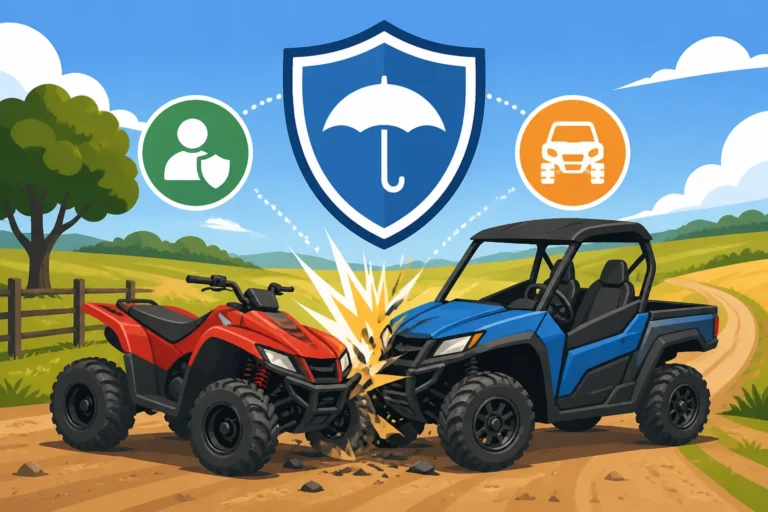
Driving any vehicle on public roads comes with financial responsibilities, and micro utility trucks are no exception, especially when operating under a city ordinance. While Kansas does not have a statewide mandate for ATV or UTV insurance, city ordinances for street-legal micro utility trucks often fill this gap, making insurance a critical component of legal operation.
When Insurance is Required by City Ordinances
As mentioned, there isn't a blanket state law in Kansas demanding insurance for all off-road vehicles. However, when a city decides to allow micro utility trucks on its streets, nearly every single one of those ordinances will include a mandatory insurance requirement. This is because the city is taking on a certain level of risk by allowing these vehicles to mix with regular traffic, and they want to ensure that if an accident occurs, there's a mechanism in place to cover damages and injuries.
Typically, cities will require a minimum level of liability insurance. This type of insurance covers damages and injuries you might cause to other people or their property if you are at fault in an accident. It protects innocent third parties. The specific dollar amounts for liability coverage (e.g., $25,000 for bodily injury per person, $50,000 per accident, and $25,000 for property damage) will be explicitly stated in the city's ordinance. You'll need to provide proof of this insurance (e.g., an insurance card or declaration page) when you apply for your city permit and usually carry it with you while operating the vehicle. [Kansas City Insurance Requirements] are non-negotiable for street-legal vehicles.
Understanding Liability and Comprehensive Coverage
While a city ordinance will likely only mandate liability insurance, it's wise to consider other types of coverage for your micro utility truck, especially if it's a significant investment.
- Liability Coverage: As explained, this is usually the minimum required and covers damages to others. It does not cover damage to your own micro utility truck or your own injuries.
- Collision Coverage: This covers damage to your micro utility truck if it collides with another vehicle or object, regardless of who is at fault. If you've invested thousands in your machine, this is often a smart addition.
- Comprehensive Coverage: This protects your micro utility truck from damages not caused by a collision, such as theft, vandalism, fire, natural disasters, or hitting an animal. Given that these machines are often stored in sheds or barns, away from secure garages, theft can be a real concern.
- Uninsured/Underinsured Motorist (UM/UIM) Coverage: This protects you if you're involved in an accident with another driver who either has no insurance or insufficient insurance to cover your damages.
Shopping for insurance for a micro utility truck can sometimes be tricky because not all providers offer specific policies for these vehicles, or they might try to lump them under an ATV/UTV policy. Be very clear with your insurance agent about the vehicle's classification and its intended use on city streets, as defined by a specific ordinance. Many mainstream providers can offer quotes for off-road vehicle insurance, including the added liability for street use.
Potential Costs for City Permits and Tags
Operating a street-legal micro utility truck in a Kansas city also comes with direct financial costs beyond insurance. City permits and tags are rarely free. These fees are usually annual and contribute to the administrative costs of the program, including processing applications, conducting inspections, and maintaining records.
The cost can vary significantly from city to city. Some towns might charge a nominal fee, perhaps $25-50 annually, while others, particularly those with more robust programs or where these vehicles are more common, might charge $100 or more for the initial permit and a slightly lower renewal fee. You might also encounter a separate fee for the initial inspection. When budgeting for a micro utility truck, especially if you plan to use it on city streets, factor in these recurring annual costs along with your insurance premiums, fuel, and maintenance. It's part of the overall cost of ownership and operation for a legally compliant machine.
Common Misconceptions and Penalties
Operating a micro utility truck on Kansas roads is riddled with potential pitfalls if you're not fully informed. Many owners unknowingly make assumptions that lead them into trouble. It's crucial to clear up these misunderstandings and understand the consequences of non-compliance. A little knowledge here can save you a lot of grief and money down the road.
The Difference Between a "Golf Cart" and a "Micro Utility Truck" in Practice
This is perhaps one of the most common and dangerous misconceptions. Many people use the terms "golf cart," "UTV," and "micro utility truck" interchangeably, but legally, they are distinct, and their road rules are vastly different.
- Golf Carts: Generally slower, designed for golf courses, and often have very limited road-use permissions, usually restricted to low-speed roads (25 mph or less) within specific communities, and often only during daylight hours. They usually lack many standard safety features found on road vehicles. [Kansas Golf Cart Road Rules] are distinct and often less permissive.
- Micro Utility Trucks: As we've discussed, these have specific dimensions, weights, and are built for utility. While they might have a lower top speed than a car, they typically have more robust safety features and are usually subject to stricter equipment and driver requirements when allowed on streets.
- UTVs (Utility Terrain Vehicles): Generally larger, more powerful, and primarily designed for off-road recreation and heavy-duty work. While some cities might have ordinances for street-legal UTVs, their requirements are often different and sometimes more stringent than for micro utility trucks due to their size and power.
Trying to pass off your golf cart as a micro utility truck, or vice versa, to circumvent regulations will not work. Law enforcement officers are trained to recognize these distinctions, and they will enforce the law based on your vehicle's actual legal classification, not on what you call it. The equipment requirements, speed limits, and even the process for getting a city permit will likely differ for each category.
Penalties for Illegal Road Use
The penalties for operating a micro utility truck illegally on Kansas public roads can range from a warning to significant fines, vehicle impoundment, and even criminal charges, depending on the severity and context of the offense. These aren't just minor inconveniences; they can have real financial and legal repercussions.
- Traffic Citations and Fines: Operating a micro utility truck on a prohibited roadway (like a state highway) or without a required city permit can result in a traffic ticket, often with fines comparable to other moving violations. These fines can quickly add up, especially if you're cited multiple times.
- Vehicle Impoundment: In more serious cases, or for repeat offenses, law enforcement has the authority to impound your micro utility truck. Getting it back will involve impound fees, storage fees, and potentially other administrative costs, in addition to any fines. This can be an extremely expensive and frustrating process.
- Insurance Ramifications: An illegal operation could void your insurance coverage for an accident. If you're involved in a collision while operating illegally, your insurance company might deny your claim, leaving you personally responsible for all damages and injuries.
- Legal Consequences: Depending on the circumstances (e.g., reckless operation, causing an accident, or driving under the influence), illegal road use could lead to more serious legal charges, impacting your driving record or even resulting in jail time.
It's simply not worth the risk. Understanding and adhering to the [Kansas Penalties for Illegal Road Riding] is crucial for all off-road vehicle owners, including those with micro utility trucks.
Resources for Verifying Local Ordinances
Given the hyper-local nature of micro utility truck road rules in Kansas, knowing where to find accurate information is essential. Do not rely on hearsay or what "everyone else" is doing.
- City Clerk's Office: This is your primary resource. The city clerk is responsible for maintaining all official city ordinances. They can provide you with a copy of the specific ordinance (if one exists) or direct you to where it's published online.
- Local Police Department or Sheriff's Office: While they primarily enforce the law, they can also often inform you about local regulations for micro utility trucks and any permit processes. Some cities even handle the permit applications directly through their police department.
- City Website: Many cities have their municipal codes and ordinances published online. Look for sections related to "vehicles," "traffic," or "motorized vehicles."
- Local Government Websites: For county-specific questions (e.g., on county roads outside city limits), your county government website or county sheriff's office would be the best point of contact.
When you contact these offices, be specific. State that you own a "micro utility truck" and are inquiring about its legal operation on "city streets" or "county roads" within their jurisdiction. Ask for specific code sections or ordinances so you can read them for yourself. Taking the time to do this due diligence before you ride will save you from potential legal headaches and fines.
Navigating the Permit Process for City-Approved Road Use
So, you've done your research, confirmed your micro utility truck is eligible, and found a city ordinance that permits its use on specific roads. Fantastic! Now comes the practical step of getting your permit. While the exact steps can vary slightly from one Kansas city to another, there's a general process you can expect to follow. Being prepared makes the experience much smoother and increases your chances of a quick approval.
Gathering Necessary Documentation
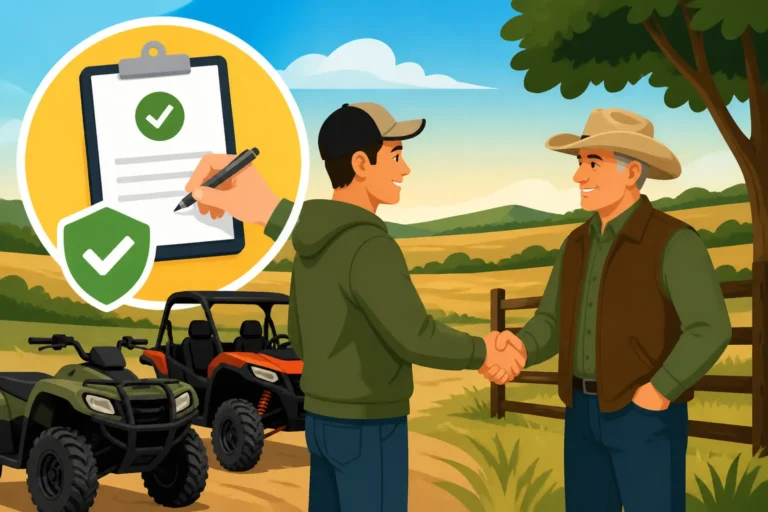
The permit application process will require you to present several key documents to prove ownership, insurance, and your eligibility to drive. Think of it like registering a car, but scaled down for a city-specific permit. Before you even walk through the doors of City Hall or the police department, make sure you have all of these items in order:
- Proof of Ownership: This is typically your vehicle's title or, for a brand-new machine, the Manufacturer's Certificate of Origin (MCO). If you bought it used from a private seller, ensure you have a properly signed-over title or a detailed bill of sale if a title isn't required by the state for this type of vehicle (though micro utility trucks typically are titled). This proves you are the legal owner. [Kansas Title Paperwork Explained] can help you understand what constitutes valid proof of ownership in Kansas.
- Proof of Insurance: As discussed, the city ordinance will mandate a minimum level of liability insurance. You'll need to show your current insurance card or a declaration page from your policy that clearly lists your micro utility truck and the required coverage amounts.
- Valid Driver's License: Have your current, unexpired Kansas driver's license ready. This confirms you are legally allowed to operate a motor vehicle.
- Completed Application Form: Most cities will have a specific application form for micro utility truck permits. You can often download this from the city's website or pick one up in person. Fill it out completely and accurately before your appointment.
- Proof of Address: Sometimes, they'll ask for something like a utility bill or state ID to confirm you reside within the city limits, if the ordinance restricts permits to residents only.
Having everything organized in a folder will demonstrate your preparedness and expedite the process for the city staff assisting you.
The Inspection Process
A crucial step in most city permit processes for micro utility trucks is a safety inspection. This isn't just a quick glance; it's a verification that your vehicle meets all the safety equipment requirements outlined in the city's ordinance. The inspection is usually conducted by a city official, often a police officer or a designated city employee.
During the inspection, they will meticulously check for:
- Functioning Headlights, Taillights, and Brake Lights: They'll make sure they illuminate brightly and are properly aimed.
- Operational Turn Signals: Both front and rear indicators must work correctly.
- Working Horn: A quick honk will confirm it's functional.
- Rearview Mirrors: They'll check for the presence and proper mounting of mirrors, usually at least one, but often two (one on each side).
- Braking System: While they might not put it on a lift, they'll test the brakes for effectiveness and smooth operation.
- Tires: They'll look for adequate tread depth and ensure the tires are suitable for road use.
- Seat Belts: If equipped, they must be present and fully functional.
- Slow-Moving Vehicle Emblem: If required by the ordinance, they'll verify its presence and proper mounting on the rear.
- Windshield: They'll confirm a proper windshield is installed, often specifying safety glass.
If your micro utility truck fails any part of the inspection, you'll likely be given a list of deficiencies and a timeframe to correct them. Once the repairs or additions are made (perhaps with parts from a reputable supplier like SuperATV if you're upgrading lighting or safety features, always double-checking local compliance!), you'll typically need to reschedule another inspection. Don't skip this step; it's designed to keep you and others safe on the road.
Maintaining Compliance and Renewals
Getting your initial permit is a great achievement, but the responsibility doesn't end there. You must continuously maintain compliance with the city's ordinance and renew your permit as required.
- Ongoing Compliance: This means ensuring all your safety equipment remains functional throughout the year. If a headlight burns out, replace it promptly. If a mirror breaks, fix it. Your insurance must remain active and current. Any changes to your vehicle that might affect its compliance should be checked against the ordinance.
- Annual Renewal: Almost all city permits for micro utility trucks are annual. You'll receive a renewal notice, usually a few weeks or months before your permit expires. Don't let it lapse! The renewal process is typically simpler than the initial application, often requiring updated proof of insurance and payment of the annual fee, but may include a re-inspection. Late renewals can incur penalties or require you to go through the full application process again.
- Updates to Ordinances: City ordinances can change. Stay informed by periodically checking the city's website or signing up for local government updates, if available. What was legal last year might have a slight modification this year.
By proactively managing your permit and keeping your micro utility truck in top, compliant condition, you ensure you can continue to enjoy the convenience of legal street access without any unexpected complications.
Disclaimer
This article is for general informational purposes only and does not constitute professional advice. Laws, prices and regulations vary by location and change over time. Consult a qualified professional for guidance on your specific situation.