A Dry Campsite at the Dunes Costs $15
Arriving at Syracuse Sand Dunes with a loaded trailer only to discover that your campsite type, reservation details, or machine requirements do not match the plan is a frustrating way to start a weekend. This guide explains what to check before booking a dry campsite, how to plan for a stay near the dunes, and what to confirm directly with the park before you leave home.
What to know about dry camping at Syracuse Sand Dunes
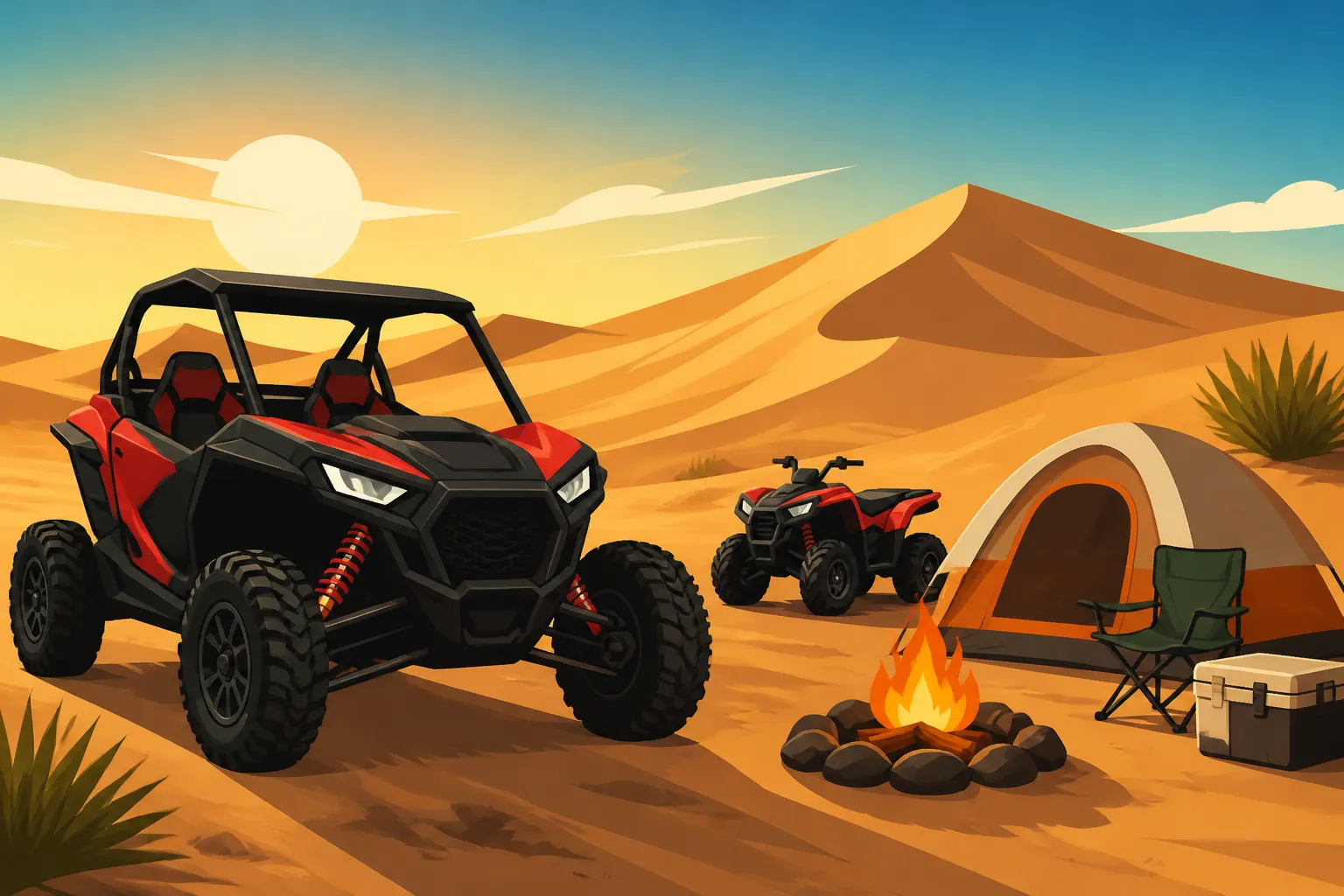
A dry campsite is a simpler setup
A dry campsite is for camping without individual utility hookups at the site. That may suit you if you are sleeping in a tent, using a self-contained camper, or comfortable managing your own water and power. It can also be a practical choice when your priority is getting out to ride rather than spending the weekend plugged in.
The tradeoff is that you need to plan around the facilities the park makes available to campers. Before booking, ask what the campsite includes, where shared amenities are located, and whether water is available nearby. Do not assume a dry site means the same thing at every park. The phrase describes the hookup situation, but it does not tell you everything about parking, shade, ground conditions, or access to restrooms.
If your group needs electrical service, compare the dry-site option with the available hookup campsites before you reserve. A tent camper and a family relying on a powered refrigerator may have very different ideas of a comfortable weekend. The park’s Syracuse Sand Dunes’ Camping Rates information is a good place to start, but confirm the current options and charges with the park before making plans.
Confirm what the camping charge covers
A campsite charge and a riding charge may be handled separately. Before you book, ask whether your reservation covers only the campsite, whether machine access is included, and whether each off-road vehicle needs its own admission or other payment. These details can affect the real cost of the weekend more than the campsite rate alone.
Also ask how the park counts the reservation. Is the site charged by the night, the campsite, or another unit? How many people and vehicles may be associated with one site? Is a reservation deposit required, and what happens if weather changes your plans? Those are ordinary questions, not nitpicking. They help avoid the awkward moment when your group arrives with more people or machines than the booking allows.
For a dry-versus-hookup comparison, think about the whole setup rather than just the site label:
| Planning question | Dry campsite | Campsite with hookups |
|---|---|---|
| Individual utility connections | Generally not provided at the site; confirm details | May provide some utility connections; confirm which ones |
| Best fit | Tent campers or self-contained setups | Campers that rely on site utilities |
| Water and power planning | Bring or arrange what you need | Check the specific hookup and facility details |
| Main pre-booking question | What shared amenities can campers use? | Which utilities are included at this site? |
| Riding access and fees | Confirm separately with the park | Confirm separately with the park |
The table is a planning aid, not a guarantee of what a particular campsite includes. If you are comparing options for a group, Fourteen Hookup Sites at a Dune Park can help you think through availability, while the park itself should confirm the current number of sites and booking details.
How to prepare for a campsite near the dunes
Plan water, power, and meals before you arrive
A dry campsite is easier to enjoy when you decide in advance how you will handle basics. Estimate how much drinking water your group will need, especially if you expect to ride for long stretches or spend time outdoors in hot, exposed conditions. Bring more than the bare minimum if you have children, are traveling with dogs, or expect to cook at camp. Check whether the park has water available for campers and whether it is suitable for drinking.
Power deserves the same attention. Charge phones, GPS units, helmet communication devices, and camera batteries before leaving. If your plan depends on a refrigerator, medical device, or other electrical equipment, make sure your campsite setup can support it. A portable power source may help, but it needs to be sized for the equipment you intend to run. Test it at home instead of learning at the campsite that it cannot handle a full night of use.
Keep meals straightforward. Pack food that will tolerate travel and warm weather, and bring a cooler plan that does not depend on power unless you have confirmed access to it. It is much easier to enjoy camp when dinner is not an improvised search for ice, water, and a working outlet.
Pack for sand, wind, and changing conditions
Sand gets into places you may not expect: footwear, tent zippers, cooler seals, and machine storage compartments. Bring a brush, a small hand broom, and bags for dusty gear. A groundsheet can make a tent easier to keep clean, while a separate container for muddy or sandy riding equipment keeps the sleeping area more comfortable.
Wind can make an otherwise pleasant campsite feel exposed, particularly when you are setting up a tent or handling loose gear. Use stakes and tie-downs suited to the conditions, secure lightweight items before leaving camp, and avoid leaving awnings extended if you are not confident they are properly anchored. Check the forecast as your trip approaches and again before you tow.
Protect your machine from sand and dust before the ride, and give it a sensible cleanup afterward. A quick rinse or careful wash can help keep grit from building up, but follow the machine manufacturer’s guidance around air intakes, bearings, electrical connections, and pressure washing. For more preparation ideas, see Washing Sand Out of a Machine and Kansas Riding in Summer Heat.
Booking and setting up your stay
Reserve early and confirm the details
A campsite that looks available when you first browse can be gone by the time your group coordinates work schedules, trailers, and riding plans. If you have a particular weekend in mind, contact the park early and ask how reservations are handled. Confirm the arrival and departure process, cancellation rules, site assignment, and whether you need to provide vehicle or machine information when booking.
When you reserve, save the confirmation somewhere you can reach without cell service. Keep the park’s contact information, directions, and any arrival instructions with your trip documents. If you are bringing multiple machines or more than one vehicle, make sure the reservation reflects the actual group rather than an estimate made before everyone committed.
The practical checklist in Reserving a Campsite Before a Dunes Weekend is a useful reminder to sort out the campsite before the trailer is already on the highway. If you have questions about quiet hours, campfires, pets, or generators, ask before arrival rather than relying on assumptions based on another park.
Make arrival day easier
Try to arrive with enough daylight to find your site, unload safely, and organize your riding gear. Set the tow vehicle and trailer where they will not block other campers, then check the site for uneven ground, loose debris, and the best place to pitch a tent or park a camper. Keep food secured and arrange a clear path between sleeping areas, the vehicle, and any shared facilities.
If you are riding after setting up, do not assume your campsite reservation automatically settles every trail-access question. Ask the park what riders need to do before entering the riding area, including any check-in process, machine rules, or required safety equipment. Read posted signs and follow instructions from park staff.
For a calmer first evening, divide tasks among the group. One person can set up camp while another checks in or organizes food. If everyone is tired from towing, it may be better to finish unloading, eat, and save the ride for the next morning. A simple arrival routine can prevent misplaced keys, loose gear, and a rushed setup in fading light.
Plan your riding as well as your campsite
Check the park’s rules and riding conditions
A campsite is only one part of a dune trip. Before loading up, check the park’s rules for machine access, riding hours, required equipment, passenger limits, and any age restrictions. Requirements can differ between private riding areas, so do not assume a rule you followed somewhere else applies at Syracuse Sand Dunes.
Sand riding can also feel very different from riding clay or packed dirt. Keep your speed appropriate to visibility and traffic, leave room between machines, and avoid abrupt maneuvers if you are unfamiliar with the terrain. If a rider in your group is new to dunes, start cautiously and make sure they understand how the machine responds before heading into more challenging areas. Riding Sand Instead of Clay offers a useful way to think about the differences.
Navigation is another part of preparation, especially when your phone signal is unreliable or your group is unfamiliar with the area. You can use onX Offroad to review maps and organize a route before leaving, but do not treat an app as a substitute for posted park directions or staff instructions. Download or save the information you need while you have reliable service, and carry a backup plan for finding your way back to camp.
Make a practical plan for the drive
Syracuse is in southwest Kansas, so the final stretch may involve long rural roads and fewer convenient stops than you would find near a larger city. Check your fuel, tires, trailer lights, hitch connection, and tie-downs before leaving. If you are towing a wide side-by-side or a heavily loaded camper, allow extra time for crosswinds and slower travel.
Route planning can help you avoid last-minute detours, but verify road conditions and your destination details before departure. onX Offroad can be useful for reviewing mapped access and saving information for later, while a conventional road map or offline navigation option provides a sensible backup. Do not follow a mapped line onto private property or a closed road; legal access and posted signs matter more than the route shown on a screen.
Before you go, check Kansas Trail Conditions Before You Tow and Hauling a Trailer Across Western Kansas in the Wind. Keep the park’s directions handy, and plan a fuel and food stop that does not leave your arrival dependent on finding an open business late in the day.
A final pre-trip checklist
Before heading to Syracuse Sand Dunes, confirm the campsite type, the current charge, reservation rules, and what facilities campers may use. Ask whether riding access or machine fees are separate from the campsite booking. Then prepare water, power, food, weather-appropriate gear, and a plan for keeping sand out of your sleeping area.
Use onX Offroad or another navigation tool to prepare, but follow the park’s rules and directions once you arrive. A little confirmation before departure can spare you the most common camping frustrations: booking the wrong site, arriving without the supplies a dry setup requires, or discovering that the riding and camping arrangements are not the same thing.
Disclaimer
This article is for general informational purposes only and does not constitute professional advice. Laws, prices and regulations vary by location and change over time. Consult a qualified professional for guidance on your specific situation.