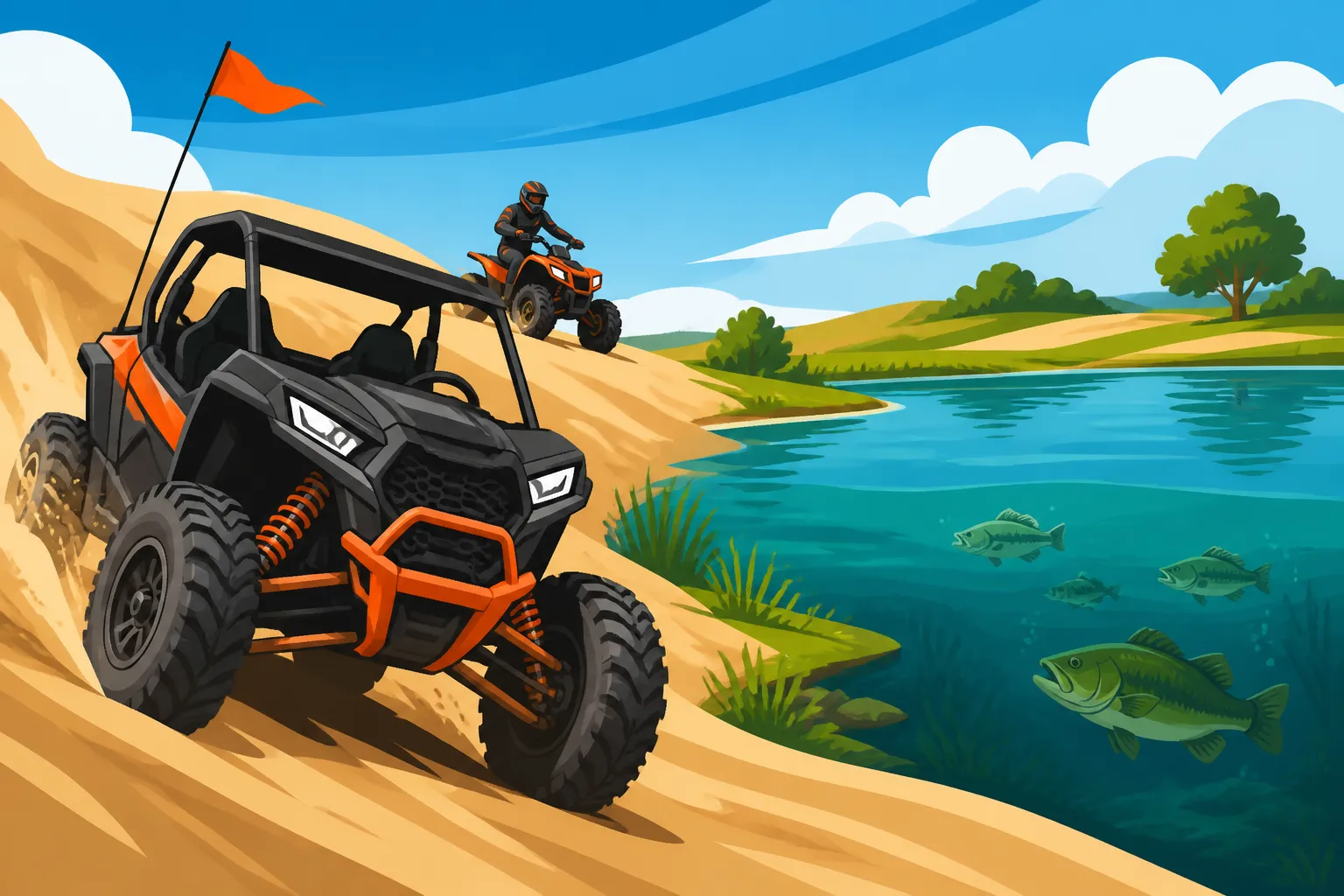
Syracuse Sand Dunes Has a 40-Acre Stocked Pond
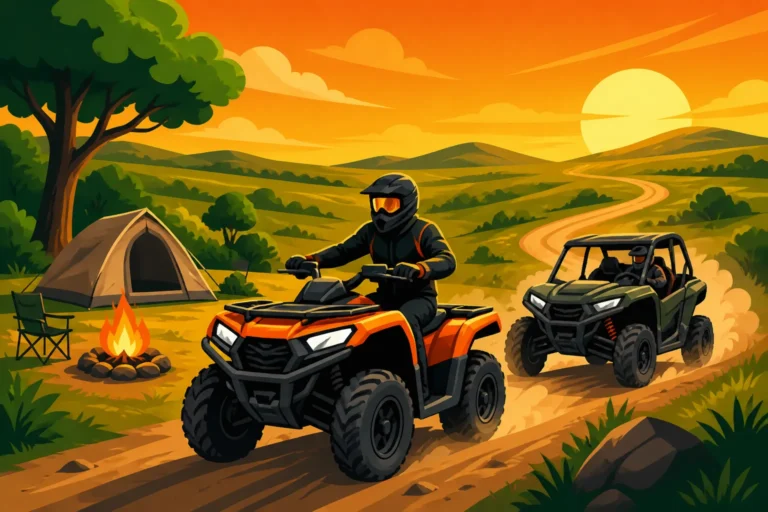
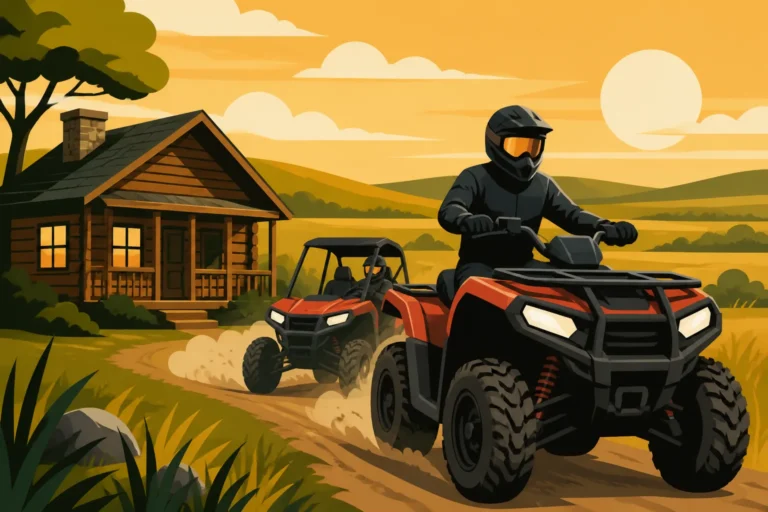
A riding day at Syracuse Sand Dunes can feel like two outings in one: time on the sand, then a quieter break beside the park’s 40-acre stocked pond. The tricky part is knowing what the pond setting does—and does not—mean for fishing, access, and day planning. This guide helps you build a practical visit around both the riding area and the water.
Planning a Visit to Syracuse Sand Dunes
Think of the pond as part of a wider outing
A stocked pond can add a welcome change of pace to a day of off-road riding, especially when your group includes people who would rather relax by the water than spend every hour on a machine. At Syracuse Sand Dunes, the pond is a notable feature, but it is only one part of a visit that may also involve trail time, unloading, breaks, and sorting out where everyone in your group wants to spend the afternoon.
It helps to plan the day as a combination of activities rather than assuming every visitor will follow the same schedule. One rider might want to get an early start on the sand, while a child or less-experienced rider may appreciate a slower first loop. Someone who is not riding might prefer to spend time near the pond, provided the park’s rules allow the access and activities your group has in mind.
Before loading the trailer, confirm directly with the park what pond access is allowed and whether fishing is permitted. “Stocked pond” describes the pond, but it does not by itself tell you whether visitors may fish, what methods are allowed, whether there are restrictions, or which areas are open. For background on the riding area itself, see [Syracuse Sand Dunes Park in Kansas] and [Syracuse Sand Dunes' 1,300 Acres in Kansas].
Check current park rules before you set out
A pond-side plan can depend on details that are easy to overlook when you are focused on the riding. Ask whether anglers need to stay in designated areas, whether fishing gear can be brought through the riding area, and whether there are rules about bait, keeping fish, or fishing during particular hours. If your group plans to bring a dog, ask about pet rules near the pond as well as in the rest of the park.
It is also worth confirming where you can park or sit while other members of your group ride. A convenient spot on a map is not necessarily an approved place to leave a vehicle, set up chairs, or gather equipment. If you are bringing a cooler, fishing tackle, or extra supplies, find out whether you can safely leave them at your campsite or vehicle rather than carrying them around the riding area.
Park conditions and operating rules can change, so verify the practical details close to your visit. The park’s own information is the place to check for entry procedures, pond access, camping arrangements, and any temporary closures. For a broader look at preparations, [Kansas Syracuse Dunes Park Rules] and [Kansas Trail Conditions Before You Tow] are useful companion topics.
Building a Day Around Riding and the Pond
Give the ride and the water their own time
Trying to squeeze every activity into a single block of time can make a relaxing outing feel rushed. A more comfortable approach is to choose a main riding period and a separate pond-side break. For example, your group might unload, inspect the machines, and ride while everyone is fresh, then pause for lunch and spend time by the pond during the warmest or least convenient part of the day.
That kind of schedule is especially useful when riders have different experience levels. A new rider may be ready for a break sooner than someone who rides often, while a younger passenger may need regular stops for water, shade, and a chance to stretch. A pond break gives the group a natural meeting point, but plan for it only if the park confirms that the area is open and suitable for visitors to gather.
A flexible schedule is better than a rigid one. Sand conditions, weather, equipment issues, or a crowded staging area can all change how long it takes to get going. Decide in advance where your group will regroup if members split between riding and relaxing. If there is no reliable cell service where you are, agree on a clear meeting place and time rather than assuming a text message will reach everyone.
Pack for both sand and a waterside break
The gear that makes a day of riding more comfortable is not always the gear you want beside a pond. Keep riding equipment organized separately from towels, snacks, fishing supplies, and a change of clothes. That way, someone who wants to take a break does not have to dig through dusty helmets and gloves to find a water bottle or a clean shirt.
Bring enough drinking water for the whole group, and make it easy to reach without unpacking the trailer. Kansas weather can make a long day outdoors tiring even when the sky looks mild at first. Sun protection, a basic first-aid kit, and a plan for keeping food cool are useful whether your group is riding, sitting by the pond, or moving back and forth between the two.
If fishing is allowed and your group intends to fish, carry only the equipment you need and store hooks, lines, and other small items securely while riding. Keep fishing gear away from hot machine parts, moving belts, and places where it could shift during transport. For ideas on supplies for a full day outside, see [What to Pack for First Aid on a Long Ride] and [Packing for a Hot Dry Day].
| Part of the outing | What to plan | Why it matters |
|---|---|---|
| Riding | Machine checks, protective gear, water, and a meeting point | Helps riders start prepared and regroup if the group separates |
| Pond break | Confirm access and permitted activities before arrival | A stocked pond does not automatically establish fishing or access rules |
| Food and rest | Pack shade, snacks, and drinking water | Makes it easier to take a useful break instead of pushing through fatigue |
| Equipment storage | Keep riding gear and pond supplies organized separately | Reduces clutter and helps prevent tackle or small items from getting lost |
| End of the day | Leave time to clean and secure machines before towing | Sand and loose gear can make loading more difficult if rushed |
Fishing and Pond-Side Etiquette
Confirm what “stocked” means for visitors
A stocked pond can sound like an open invitation to cast a line, but the word alone does not tell you who can fish or under what conditions. The pond may be subject to park-specific rules, access limitations, or other requirements. Do not assume that a fishing license is the only requirement, or that rules for public waters automatically apply to a privately operated riding park.
Ask specific questions before you go: Is fishing open to park visitors? Is there a designated shoreline or access point? Are there limits on equipment, bait, or keeping fish? Can someone fish while another person rides? Are there times when the pond area closes or is reserved? Getting clear answers can prevent an awkward conversation at the gate—or a wasted drive with tackle you cannot use.
If the park allows fishing, follow its directions even if the shoreline looks quiet or unoccupied. A clear patch of bank may be reserved, unsafe to approach, or outside the area visitors may use. Stay on permitted paths, keep lines and hooks controlled, and avoid casting near people, pets, or machines. For more general planning around this particular riding destination, [Kansas Dune Riding in Hamilton County] offers useful context.
Share the shoreline thoughtfully
Pond areas can draw people who are taking a break, fishing, watching children, or simply enjoying a quieter part of the visit. Treat the water’s edge as a shared space. Keep voices at a reasonable level, give other visitors room, and avoid leaving tackle, food wrappers, or drink containers behind. A small amount of consideration makes it easier for the area to work for both riders and people who came mainly to relax.
Pay close attention to children near the water. Riding parks can be busy and noisy, and it is easy for a child to wander while adults are focused on machines, gear, or conversation. Set a clear boundary with kids before arriving at the pond, keep them within sight, and do not treat a pond break as a substitute for active supervision. If a child is fishing, an adult should stay close enough to help with hooks and lines.
Also keep riding and pond-side activity separate unless the park explicitly directs otherwise. Do not drive a machine onto a bank, across an unmarked area, or close to people just because the route seems convenient. Stick to designated riding areas and paths, and make sure anyone returning from the pond knows where machines may be operated. [Kansas Trail Etiquette Locals Expect] covers the kind of shared-space habits that help make a visit smoother.
Riding Safely at the Dunes
Prepare for sand before you unload
Sand can make a familiar machine behave differently from how it feels on packed ground. Steering, traction, and momentum all matter, so riders should start at a pace that matches their experience rather than trying to keep up with the fastest person in the group. If someone is new to sand, choose an appropriate route and let them get comfortable before tackling more demanding sections.
Before riding, inspect tires, controls, brakes, and protective equipment. Check that helmets fit properly and that passengers are riding only in seats designed for them. Secure loose cargo and make sure the machine is in good working order. A problem that seems minor in the driveway can become more frustrating when the machine is hot, dusty, or difficult to move in loose terrain.
Use the park’s posted directions and stay on authorized routes. Do not assume that open ground is available for riding just because it looks passable. Local conditions and park boundaries matter, and a route that appears harmless may lead into an area that is closed or unsuitable. If you are planning around a specific machine, [Kansas Trails That Allow Side-by-Sides] and [Kansas Trails for Kids] can help you think through whether the destination suits your group.
Keep navigation and group communication simple
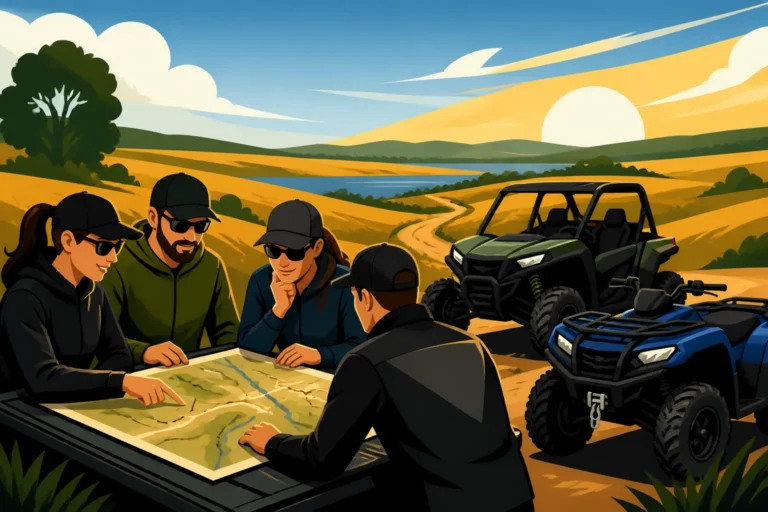
Before riding, make sure everyone knows the route plan, the regrouping point, and what to do if a rider falls behind. If some people plan to spend time at the pond, agree on a return time and location before the riding group leaves. A plan that is understood by everyone is more reliable than assuming each person will stay in touch by phone.
A mapping tool such as onX Offroad can help you review routes and mark useful waypoints before you arrive. If you use it, check the map in advance and save the information you expect to need rather than relying on a strong data connection at the riding area. Still, treat an app as a planning aid, not permission to ride wherever a line appears on a screen. Follow posted park rules and directions first.
For groups with several machines, keep the riding pace comfortable enough that nobody feels pressured to take a risk. Establish a lead rider and a sweep rider if that works for your group, and agree that the group will stop at planned points. onX Offroad may help with route awareness, but a clear verbal plan remains important, especially when riders have different phones, battery levels, or comfort using navigation apps.
Making the Trip Easier From Arrival to Departure
Sort out unloading and supplies before the busy part of the day
A smoother visit often starts with a little organization at home. Secure machines on the trailer, separate riding gear from pond supplies, and place frequently needed items where you can reach them without unloading everything. If your group is bringing fishing equipment, keep sharp or small items contained so they do not end up scattered among helmets, gloves, and tools.
When you arrive, avoid letting several tasks compete for attention at once. First, follow the park’s check-in process and identify where machines may be unloaded and staged. Then confirm where your group is allowed to ride and where non-riders may spend time. Only after that should you split up to explore or set up for a longer break. This prevents one person from assuming that a spot is open while another person is still trying to confirm the rules.
Leave room in the plan for the less exciting parts of the outing: adjusting gear, checking tire pressure, taking a break, and loading back onto the trailer. If you are camping, ask about where vehicles and machines should be kept and how to move between your campsite and riding areas. [Kansas OHV Camping With Trail Access] and [Kansas Riding Areas With Trailer Parking] can help with broader trip planning.
Plan for weather, changing conditions, and the drive home
Weather can affect both the ride and the pond-side part of the day. Heat and sun can wear people down even when they are not riding, while wind can make a long stretch outdoors less comfortable. Check the forecast before leaving, pack layers when conditions may shift, and be ready to shorten the ride or take a longer break if anyone becomes tired or overheated.
Sand also follows you home. Bring a brush, rags, or other simple cleanup supplies so you can remove loose grit before it spreads into the cab or trailer. Secure helmets and small equipment before driving, and double-check that tie-downs are tight after loading. A final walk-around can catch a loose strap, forgotten tackle box, or unlatched compartment before you get back on the road.
If your group uses onX Offroad, you can use it to help organize route notes or mark a rendezvous point before departure. Pair that with practical, offline-friendly arrangements: tell everyone where to meet, keep a paper note of important instructions if useful, and make sure at least one person knows the park’s address and the route back to the highway. The goal is not to over-plan every minute; it is to avoid relying on one phone or one person to keep the entire outing on track.
Disclaimer
This article is for general informational purposes only and does not constitute professional advice. Laws, prices and regulations vary by location and change over time. Consult a qualified professional for guidance on your specific situation.