Getting a UTV Back After a City Impounds It
It's incredibly frustrating, not to mention a huge headache, when your UTV gets impounded by a city here in Kansas. One minute you're out enjoying a ride, or maybe just using your machine for some work around town, and the next it's gone, hauled away by authorities. This guide is here to walk you through the often confusing and costly process of how to get your UTV back after a city impounds it, covering everything from understanding why it happened to the steps you need to take for its release.
Why Kansas Cities Impound UTVs in the First Place
Let's face it, getting your UTV impounded feels like a major overreaction for what often seems like a minor infraction. But from a city's perspective, they're enforcing local ordinances designed to maintain public safety and order. Understanding the root causes of impoundment is the first step toward preventing it, and certainly toward getting your machine back.
Understanding Local Ordinances and State Law
Here in Kansas, the default stance on operating ATVs and UTVs on public roads – especially within city limits – is generally restrictive. Many folks don't realize that [Kansas Bans ATVs Inside City Limits by Default], unless that city has specifically passed an ordinance to allow it. This isn't just some suggestion; it's a [Kansas statute that starts with a ban] that cities can and do enforce.
When a city decides to allow UTVs on its streets, it's usually through a detailed local ordinance. This ordinance will spell out exactly where, when, and under what conditions UTVs can be operated. Common requirements in cities that have opted in, such as Louisburg, Scott City, De Soto, or Andover, include things like a city-issued tag, specific insurance coverage, equipment like turn signals, headlights, tail lights, and mirrors, and often restrictions on the types of streets you can use. If you're caught riding in a city without such an ordinance, or you're violating a key part of an existing one – say, riding on a highway when the ordinance only allows residential streets, or you don't have the required city tag – your UTV can be impounded. It’s not just a ticket; they can actually take your machine.
Common Reasons for Impoundment Beyond Simple Road Use
While unauthorized road use is a big one, it's not the only reason a Kansas city might impound your UTV. Sometimes, impoundment stems from more serious violations or dangerous behavior, reflecting a city's commitment to safety beyond just traffic flow.
For instance, operating your UTV under the influence of alcohol or drugs (OUI/DUI) is a surefire way to lose your machine, even if you’re riding legally on an approved road. Reckless operation, such as doing donuts in a park, speeding excessively on city streets, or driving in a manner that endangers pedestrians or other drivers, can also lead to impoundment. Noise complaints, especially late at night in residential areas, can escalate if ignored, with repeat offenders facing impoundment as a consequence. Furthermore, riding on private property without permission – essentially trespassing – can result in your UTV being seized, particularly if the landowner requests it. Even if you're out enjoying some aftermarket upgrades from a company like SuperATV, if you're using them irresponsibly or illegally, the consequences can be severe. These impoundments are usually tied to a specific criminal or serious traffic offense, meaning you'll have more than just impound fees to deal with.
The Immediate Aftermath: What Happens When Your UTV Is Impounded
The shock of seeing your UTV hooked up to a tow truck or realizing it's gone from where you left it can be jarring. Once the initial surprise wears off, a clear-headed approach to the process is essential. Knowing what to expect immediately after an impoundment can save you a lot of stress and time.
The Notice and Initial Steps
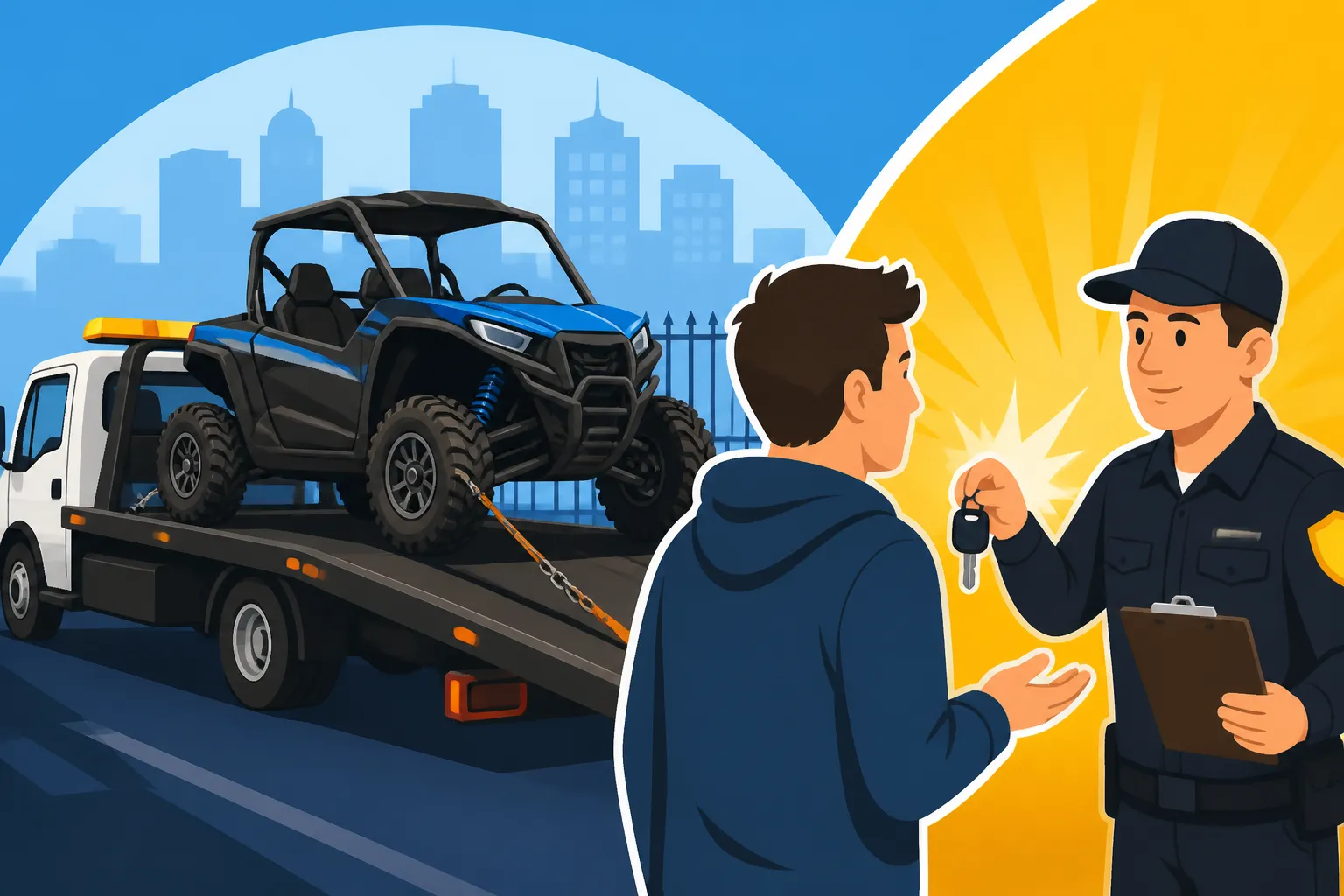
Usually, if your UTV is impounded, you'll be given some form of notice, either on the spot by the officer or through official mail. This notice should tell you where your UTV has been taken. It could be stored at a city-owned impound lot, or more commonly, at a private towing company’s facility under contract with the city. This is crucial information, as you'll need to know where to go to retrieve it.
Upon learning of the impoundment, your very first step should be to find out which department initiated the tow – typically the police department. Call their non-emergency line and ask about the procedure for retrieving an impounded vehicle. They will confirm the location of your UTV and may inform you of any immediate fines or steps required before release. They'll also likely tell you about the escalating costs; towing fees are just the beginning, as daily storage fees quickly start to accrue. Every day your UTV sits there, the bill gets a little higher. It’s a bitter pill to swallow, especially when you consider you might have just spent good money on accessories like those heavy-duty SuperATV axles.
Navigating the City Hall Bureaucracy
Getting your UTV back isn't usually as simple as just showing up at the tow yard with your wallet. There’s a bureaucratic hurdle to clear first, usually involving city hall or the municipal court. You'll likely need to secure a release form or authorization from the city before the impound lot will hand over your machine.
This process often involves visiting the police department, city clerk’s office, or even the municipal court, depending on the reason for the impoundment. If you received a citation for a violation, you may need to appear in court, pay a fine, or prove compliance with the specific ordinance you violated. For example, if your UTV was impounded because you didn't have a required city tag, they might expect you to have applied for and received that tag, or at least started the process, before they authorize release. Be prepared for a bit of a run-around; patience and politeness go a long way when dealing with different city departments. Keep detailed records of who you speak with, what they tell you, and any payments you make, because you might need to reference this information.
The Road to Recovery: Getting Your UTV Released
Once you've navigated the initial shock and the city's paperwork, the real work of getting your UTV back begins. This phase is all about gathering the right documents, making the necessary payments, and ensuring you don’t hit any last-minute snags at the impound lot.
Essential Documentation and Payments Required
Before you even think about heading to the impound lot, you absolutely must have all your ducks in a row. The impound lot and the city won't release your UTV without definitive proof that it belongs to you and that you're authorized to take it. Here's what you'll typically need:
- Proof of Ownership: This is non-negotiable. Bring your official title for the UTV. If you recently purchased it, a signed [Kansas bill of sale] might suffice if you haven't had a chance to [Kansas Titles After a Private Sale] yet, but the title is always best. Make sure your name is clearly on it. If the UTV is titled to a business or someone else, you'll need official documentation or a notarized letter authorizing you to retrieve it.
- Valid Identification: Your current, unexpired driver’s license or state-issued ID is a must. They need to confirm you are who you say you are and that you’re legally able to drive.
- Proof of Insurance: If the city ordinance required insurance for your UTV on public roads, you’ll likely need to show proof that you now have it. This might mean getting a new policy or updating an existing one. Remember, [Kansas Insurance Comes From City Ordinances], so whether you need it depends on where you were riding.
- Release Authorization: This is the form or document from the police department or city court that officially authorizes the impound lot to release your UTV to you. Without this, the lot won't even talk to you about your machine.
- Payment for Fines and Fees: You will need to pay any municipal fines related to the impoundment before you get the release form. Then, at the impound lot, you'll pay the towing and daily storage fees. These can add up quickly. For instance, if you were cited for an ordinance violation, you'd pay that fine to the city. Then, the tow company will have their own charges for the hook-up and each day your UTV has been sitting on their lot. Make sure you understand all the [Kansas City Tag Fees for a UTV] and associated costs if that was part of the issue.
It's a good idea to call both the city department handling the release and the impound lot before you go, just to confirm their accepted payment methods (cash, card, money order) and the exact total amount due. This prevents a wasted trip.
The Release Process at the Impound Lot
Once you have all your documents and payment receipts in hand, head to the impound lot. This is the final step, but it’s still important to be thorough.
Present your identification, release authorization, and proof of ownership. Pay the outstanding towing and storage fees. Once they've processed everything, they'll direct you to your UTV. Before you sign anything or drive off, take a moment to carefully inspect your machine. Check for any damage that might have occurred during towing or while it was in storage. Look for missing items, especially if you had aftermarket parts like a SuperATV winch or light bar. Take photos if you notice anything amiss. If you find significant damage that wasn't there before, report it immediately to the impound lot staff and the city department that authorized the tow. It's much harder to claim damage once you've driven your UTV away from their property. Once you're satisfied, you can sign the release and finally drive your UTV home.
Avoiding Future Impoundments and Legal Troubles
Getting your UTV back after an impoundment is a relief, but the experience is undoubtedly costly and stressful. The best way to prevent a repeat performance is to be incredibly proactive and informed about UTV laws and responsible ownership practices in Kansas.
Knowing Your Local UTV Ordinances Inside and Out
The number one defense against future impoundments is knowledge. You absolutely must know the specific rules for UTV operation in any city you plan to ride in, or even just drive through. Don't assume that because your neighbor rides his UTV on the streets of his town, you can do the same in yours. The laws vary widely, and that's why we have specific resources like [Kansas UTV Street Legal Rules by City].
Here’s how to be smart:
- Check City Websites: Most cities that allow UTVs on their streets will have their ordinances posted on their official government websites. Look for sections related to "unconventional vehicles," "utility vehicles," or "off-highway vehicles."
- Contact City Clerks: If you can't find the information online, call the city clerk's office. They are the keepers of local laws and can direct you to the exact ordinance or even mail you a copy.
- Understand Specifics: Pay close attention to details like:
- Permitted Streets: Are UTVs allowed on all city streets, or only those below a certain speed limit? Are state highways running through the city limits off-limits?
- Hours of Operation: Can you ride day or night, or only during daylight hours? [Kansas Sunset to Sunrise Lighting Rules] are critical for night riding.
- Equipment Requirements: Does the ordinance mandate specific headlights, taillights, turn signals, brake lights, a horn, a windshield, or a rearview mirror? Many cities adopt [Kansas Motorcycle Lighting Standards].
- City Tags and Fees: Many cities require a special annual tag or permit to ride on their streets. Louisburg, for example, has specific [Louisburg's UTV Tag Fees in Kansas].
- Insurance: Is proof of liability insurance required for city street use? [Louisburg's Insurance Requirement in Kansas] is a good example of a city that does.
- Driver's License and Age: Who can legally operate the UTV on city streets?
Ignorance of the law is never an excuse, and it certainly won't get your impounded UTV back any cheaper. Taking the time to do your homework now will save you countless headaches and expenses later.
Proactive Measures for Responsible UTV Ownership
Beyond knowing the ordinances, adopting a few responsible habits can significantly reduce your risk of impoundment. Think of it as investing in peace of mind, not just avoiding fines.
- Always Carry Necessary Documents: Even if your city doesn't explicitly require it, keep copies of your UTV's title, proof of insurance, and your driver's license in a waterproof bag on your machine. This can expedite any roadside stop and prevent unnecessary confusion.
- Ride Legally and Safely: This might seem obvious, but stick to the rules. Don't speed, don't ride recklessly, and absolutely never operate your UTV under the influence. Be courteous to other drivers and pedestrians. Remember, [Kansas DUI Law and Off-Road Machines] applies to your UTV just as much as your car.
- Maintain Your UTV: Ensure all your equipment, especially lights, brakes, and mirrors, are in good working order. If you've added aftermarket parts, like a lift kit or larger tires from SuperATV, make sure they still comply with any local width or height restrictions that might apply if you're riding on public roads.
- Consider Insurance Even if Not Required: While many Kansas cities don't mandate insurance for UTVs, it's a smart idea to carry liability and comprehensive coverage. This protects you financially in case of an accident, theft, or damage, regardless of whether you're riding on a city street or private land. Think of it as peace of mind, covering potential incidents that could easily cost you thousands out of pocket, as explored in [Do You Need ATV Insurance in Kansas?].
- Know Your Routes: Plan your trips. If you're using your UTV to get to a specific destination, know the legal routes and avoid prohibited streets.
- Be Prepared for Questions: If stopped by law enforcement, be polite, cooperative, and ready to provide your documents and answer questions about your UTV and its operation.
By combining thorough knowledge of local ordinances with responsible riding practices, you can significantly reduce your chances of ever having to navigate the difficult process of [Getting a UTV Back After a City Impounds It]. Stay informed, stay safe, and enjoy your Kansas UTV responsibly!
Impoundment Costs vs. Compliance Costs: A Comparison
To illustrate just how much more expensive impoundment can be than simply complying with local laws, let's look at a hypothetical scenario in a Kansas city with an ordinance allowing UTVs.
| Cost Type | Description | Typical Impoundment Cost (Estimated) | Typical Compliance Cost (Estimated Annual) |
|---|---|---|---|
| Initial Fine/Citation | For violating city ordinance (e.g., no city tag, riding where prohibited) | $150 – $500 | $0 (if compliant) |
| Towing Fee | Flat fee for towing the UTV to impound lot | $100 – $300 | $0 |
| Daily Storage Fee | Cost for each day UTV is stored at lot (accrues quickly!) | $30 – $75 per day | $0 |
| City Tag/Permit | Annual fee for legal city street operation | $0 (if paid with fine) | $50 – $150 (e.g., [Louisburg's UTV Tag Fees in Kansas]) |
| Insurance | Proof of liability if required by ordinance | $0 (if obtained) | $200 – $600 (annual, [Kansas Insurance Comes From City Ordinances]) |
| Equipment Upgrades | Required lights, mirrors, horn, etc. | $0 (if already done) | $100 – $500 (one-time if needed, e.g., SuperATV accessories) |
| Lost Time/Stress | Time off work, trips to city hall, etc. | Priceless | Priceless (avoided!) |
| Total (1 Week Impound) | Sum of costs for a typical week-long impoundment | $560 – $1,325+ | $350 – $1,250 |
As you can see, the costs of a single impoundment can quickly skyrocket, easily surpassing the annual cost of staying compliant. This table highlights that prevention truly is the best medicine when it comes to UTV ownership in Kansas.
Disclaimer
This article is for general informational purposes only and does not constitute professional advice. Laws, prices and regulations vary by location and change over time. Consult a qualified professional for guidance on your specific situation.