Police Inspection Hours on Two Afternoons
You’ve bought your side-by-side or ATV, eager to use it for errands, cruising around town, or just getting to your favorite fishing spot. But then reality hits: Kansas law generally doesn’t permit these machines on public roads. The good news is, many cities have started to pass ordinances allowing UTVs on their streets. The tricky part? Getting that official city tag often means navigating a police inspection, and those inspection hours can be surprisingly limited and frustratingly specific. This guide will walk you through the ins and outs of police inspection requirements for street-legal UTVs in Kansas cities, focusing on the common hurdle of limited inspection schedules and how to successfully prepare for them.
The Reality of Street-Legal UTVs in Kansas Cities
Let's be real, the dream of cruising your side-by-side down a city street is appealing. The convenience, the fresh air, the ease of getting to a local store or friend's house – it all sounds fantastic. However, Kansas state law, specifically Chapter 8, generally classifies ATVs and UTVs as off-road machines, meaning they're not intended for public roadways. This often leaves owners feeling confused and disappointed, especially when they see others riding around town.
The silver lining, and what makes the dream a possibility, is that cities have the authority to create their own ordinances to allow "unconventional vehicles," like UTVs, on their streets. This is why you see some towns embracing UTVs with open arms, while others remain strictly off-limits. It's a patchwork quilt of rules across the Sunflower State, making it crucial to understand the specifics of your local municipality. While some larger cities might still be holding out, many smaller communities are recognizing the utility and appeal of these machines for their residents.
When a city does decide to open its streets to UTVs, they usually do so with a set of rules designed to ensure public safety. These rules often include requirements for equipment, driver licensing, and, yes, a mandatory police inspection. It's not just about paying a fee and getting a sticker; it’s about proving your machine is safe for shared roadways. And this is where the specific challenge of "Police Inspection Hours on Two Afternoons" often comes into play. You might be ready to ride, but if the city only offers inspections during a narrow window, it can feel like a huge roadblock. Knowing that this isn't just you, but a common experience, can sometimes make the planning a little less daunting. You can explore more about these varying rules in [Kansas UTV Street Legal Rules by City].
Understanding City Inspection Requirements
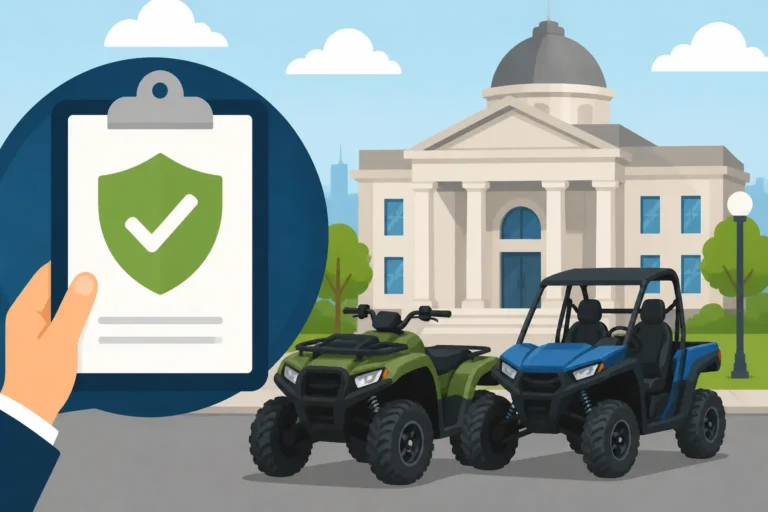
So, your city has an ordinance, and you're ready to make your UTV street-legal. The next step is usually the police inspection. It’s not just a formality; it's a critical part of the process designed to ensure everyone's safety on public roads.
Why Inspections are Necessary
From the city's perspective, these inspections are all about safety. When you take an off-road machine onto a paved street with cars, trucks, and pedestrians, it needs to meet certain basic standards. Think about it: a UTV designed for trails might not have the same braking power, lighting, or signaling as a passenger car. The inspection is a way for local law enforcement to verify that your UTV has the necessary equipment to safely operate alongside other traffic. It's a proactive measure to prevent accidents and ensure that any UTV sharing the road is visible, controllable, and predictable. Without these checks, it would be a free-for-all, and that's not safe for anyone.
Moreover, these inspections ensure compliance with the specific local ordinance. Each city can set its own parameters—some might be stricter on speed limits, others on specific accessories. The police inspection confirms that your machine aligns with what the city council has determined is acceptable for their streets. It's a crucial step in the overall process of getting your city tag.
What Police Look For
When you bring your UTV in for inspection, the officer will typically go through a checklist of items. These are generally standard safety features that any road-going vehicle needs, adapted for UTVs. You can expect them to check things like:
- Lights: Headlights (high and low beam), taillights, brake lights, and turn signals (front and rear). These need to be bright and functional. For aftermarket lighting, ensure they meet brightness and color standards.
- Brakes: Both foot brake and parking brake must be in good working order. The officer will check for proper stopping power and that brake lights illuminate when applied.
- Tires: Must be in good condition, no excessive wear, and suitable for road use (though not necessarily DOT-approved in all ordinances, it's a good idea to check).
- Horn: A functioning horn is essential for signaling intentions and alerting others.
- Mirrors: Typically, at least one rearview mirror is required, often two (side mirrors). These provide crucial visibility of traffic behind and to the sides.
- Seatbelts/Restraints: All passenger seating positions must have functional seatbelts, securely anchored.
- Windshield: Some ordinances may require a windshield to protect occupants from road debris.
- Speed Governor/Limit: Many cities impose a maximum speed limit (e.g., 25 mph or 45 mph) for UTVs on their streets. The officer may look for evidence that your machine adheres to this limit or has a governor in place if required.
- Reflectors: Additional reflectors may be required for enhanced visibility, especially after dark.
- Muffler/Exhaust: To ensure noise levels are within acceptable limits.
It’s important to note that what's acceptable in one city might not be in another. Some cities are quite specific, even down to the type of light lenses or the height of a flag. For example, some cities require a slow-moving vehicle emblem. You can find more general information about what deputies might look for in [Kansas Equipment Checks by Deputies] and specifically about lighting in [Kansas Lighting Requirements on a Machine]. Many owners find that aftermarket accessories from companies like SuperATV can be incredibly helpful in meeting these stringent requirements, offering everything from turn signal kits to DOT-approved windshields.
Here's a quick overview of common inspection items:
| Inspection Item | Purpose | Officer Check |
|---|---|---|
| Headlights | Visibility, high/low beam functionality | Turn on, check aim, verify both beams |
| Taillights/Brake Lights | Rear visibility, signaling stops | Turn on, press brake pedal |
| Turn Signals | Signaling turns, lane changes | Activate left/right, front/rear |
| Horn | Alerting others, safety signaling | Press horn button |
| Rearview Mirror(s) | Visibility of traffic behind | Check presence, condition, proper mounting |
| Brakes (Foot/Parking) | Stopping power, secure parking | Test stopping ability, engage parking brake |
| Tires | Road suitability, safe tread depth | Visual inspection for wear, damage |
| Seatbelts | Occupant restraint, safety | Check presence at all seats, functionality, anchor |
| Windshield | Driver protection (if required by ordinance) | Visual inspection for cracks, obstructions |
| Speed Governor | Adherence to city speed limits (if required) | May ask questions, or verify if visible |
| Muffler | Noise reduction, environmental compliance | Visual inspection, listen for excessive noise |
| Reflectors | Increased visibility, especially at night | Check for presence, cleanliness, proper placement |
The Frustration of Limited Hours
Now, let's tackle the core issue: "Police Inspection Hours on Two Afternoons." This isn't just a hypothetical scenario; it's a very real headache many UTV owners face. Imagine you’ve spent weeks researching your city’s ordinance, bought the necessary parts, installed them, and now you’re finally ready for the inspection. You call the city office, full of anticipation, only to be told that inspections are only held on, say, Tuesday afternoons from 1 PM to 4 PM and Thursday afternoons from 2 PM to 5 PM.
For many working individuals, these limited windows are incredibly inconvenient, often requiring them to take time off work or rearrange their schedules. It feels like an unnecessary hurdle when you're just trying to comply with the rules. The reason for these limited hours often comes down to resource allocation within local police departments. Patrol officers are busy with daily duties, emergency calls, and community policing. Designating specific, limited times for UTV inspections allows the department to allocate an officer to this task without disrupting essential services too much. They might only have one or two officers trained or available for these specific vehicle inspections.
While it’s understandable from a staffing perspective, it doesn't make it any less frustrating for the UTV owner who just wants to get their tag and enjoy their machine. This reality means planning becomes paramount. You can't just show up; you have to plan ahead, confirm the exact times, and make sure your UTV is absolutely ready to go when that window opens. Missing it means another week or more of waiting, which can feel like an eternity when you're eager to ride.
Navigating the Inspection Process: A Case Study Approach
To make this less abstract, let’s consider a common scenario in a Kansas town that embraces UTVs, like Louisburg. While specific details may vary, many cities with UTV ordinances operate in a similar fashion when it comes to inspections.
Planning for Specific City Schedules
Imagine you live in a town like Louisburg, which has an active ordinance allowing UTVs on city streets. After doing your research, you learn that their specific process involves a police inspection before a city tag is issued. You call the city clerk's office, and they inform you that UTV inspections are conducted by a specific officer, only on Tuesday and Thursday afternoons. Let's say, for example, Tuesdays from 1:00 PM to 4:00 PM and Thursdays from 2:00 PM to 5:00 PM, by appointment. This instantly tells you that flexibility is key, and you'll need to schedule your life around these limited windows.
This means you can't just finish your modifications on a Saturday morning and expect to get it inspected that same day. You'll need to call ahead, probably a week or more in advance, to book your slot. When you make that call, don't just ask for the time; ask about the precise location, if there's a specific officer to ask for, and what documents you need to bring. Sometimes, the inspections might happen at the police station, other times at the city hall, or even a designated public works yard. Knowing these details upfront will save you a lot of hassle. You might also ask if there’s a waiting list or if they take walk-ins if appointments cancel. Being prepared for these specifics is half the battle.
What to Bring to the Inspection
When your appointment day arrives, you’ll want to be over-prepared. Typically, you’ll need:
- Proof of Ownership: This usually means your vehicle title. For a new machine, this might be the Manufacturer's Certificate of Origin (MCO). If you bought it used, make sure the title is properly transferred into your name. Remember, your [Kansas Titles After a Private Sale] process needs to be complete.
- Proof of Insurance: Many cities require liability insurance for street-legal UTVs. Bring your current insurance card or policy declaration. More on this can be found in [Proof of Insurance at a City Hall].
- Driver's License: You’ll need a valid driver's license to operate the UTV, even during the inspection. A restricted license might not cut it; check the city's specific requirements.
- Registration/Application Form: The city likely has its own application form for the UTV tag. Fill it out completely before you arrive.
- Payment for Fees: Be prepared to pay any city tag fees, often due at the time of application or upon passing the inspection. Cities like Louisburg will have a specific fee structure, and it's best to confirm payment methods beforehand.
Having all your paperwork in order is crucial. An officer can't complete the process if they're missing essential documentation, and that could mean a failed inspection or having to reschedule.
What Happens During the Inspection
During the actual inspection, the officer will likely have a checklist (similar to the table we discussed earlier) and will methodically go through each item. They'll ask you to demonstrate the functionality of your lights, horn, turn signals, and brakes. They'll visually inspect your tires, mirrors, and seatbelts. They might even check the vehicle identification number (VIN) against your title to ensure it matches.
An officer might also ask you questions about how you intend to use the UTV on city streets, or if you understand the local speed limits and other restrictions. This is their chance to educate you on the local ordinance, and it's your chance to ask any clarifying questions you might have. For example, in Louisburg, the ordinance specifies that the UTV plate must be mounted on the left rear panel, a detail an officer would verify during the inspection. This level of detail shows why these inspections are so important. It’s not just about having the equipment, but ensuring it meets the local standards for visibility and proper display.
The inspection itself might only take 15-30 minutes, but it's thorough. If your UTV passes, the officer will typically sign off on your application, which you then take to the city clerk’s office to pay the fees and receive your city tag. If it doesn't pass, the officer will usually explain exactly what needs to be fixed before you can reschedule for another inspection.
Tips for a Successful Inspection (and Avoiding Headaches)
Passing your UTV inspection on the first try is the goal. Nobody wants to deal with rescheduling and fixing unexpected issues. With a little preparation, you can significantly increase your chances of success.
Pre-Inspection Checklist
Before you even think about calling for an appointment, conduct your own thorough pre-inspection. This is where you can catch and fix most problems.
- Read the Ordinance Carefully: This cannot be stressed enough. Get a copy of your city’s UTV ordinance from the city clerk or their website. Read it line by line. What are the specific equipment requirements? Are there width, weight, or speed restrictions? Does it require a windshield, specific types of tires, or a slow-moving vehicle emblem? Ignorance of the law is not an excuse, and ordinances vary widely. This is the ultimate source of truth for your specific city, and you can generally find these details under [Kansas Ordinance Lookups Before You Ride].
- Test All Lights and Signals: Turn on your ignition and check everything: headlights (high and low beam), taillights, brake lights, and turn signals. Have someone stand behind or in front of your UTV to confirm all lights illuminate correctly and are not dim or flickering.
- Check Your Brakes: Test both your foot brake and parking brake. Ensure the foot brake stops the machine effectively and that the brake lights come on when you press the pedal. The parking brake should hold the UTV securely.
- Verify Your Horn: Give it a honk. Is it loud enough to be heard?
- Inspect Mirrors: Ensure they are securely mounted, clean, and provide a clear view to the rear and sides.
- Seatbelts and Restraints: For every seating position, ensure the seatbelts are functional, retract properly, and latch securely.
- Tire Condition: Check for adequate tread depth, proper inflation, and any visible damage or bulges.
- Cleanliness: While not an inspection item, a clean UTV shows respect and attention to detail. It makes a good first impression on the officer.
- Battery Check: Ensure your battery is fully charged. You don’t want to arrive and have your UTV struggle to start or power its lights during the inspection.
- Documentation: Gather all your required documents (title, insurance, driver's license, application form) in a neat folder. This makes a positive impression and streamlines the process.
Many owners opt for aftermarket kits from reputable brands like SuperATV to ensure their UTV meets all the street-legal requirements, especially for components like turn signal kits, horns, and mirrors. Investing in these ensures you’re not scrambling at the last minute.
Common Reasons for Failing an Inspection
Even with preparation, some UTVs fail their initial inspection. Here are some common pitfalls:
- Non-functional Lights: A burnt-out bulb, a loose wire, or a faulty switch can lead to an immediate failure. It’s often the simplest things that get overlooked.
- Missing or Incorrect Equipment: Forgetting to install a horn, not having the required number of mirrors, or lacking turn signals when the ordinance demands them. Some cities are very particular about reflector placement or the visibility of the license plate.
- Unsafe Brakes: Worn brake pads, low brake fluid, or an ineffective parking brake are serious safety hazards and definite reasons for failure.
- Non-Compliant Speed: If the city ordinance mandates a maximum speed and your UTV can exceed it without a governor, you might fail. Some officers may even test this, if permitted by their department.
- Incorrect Documentation: An incomplete application, a title not yet in your name, or expired insurance can halt the process before the UTV even gets a look.
- Vehicle Condition: While an officer won't inspect for aesthetic flaws, major issues like a cracked frame, unsecured components, or excessive fluid leaks could be grounds for failure if they impact safety.
It's better to address these issues beforehand rather than hoping they go unnoticed. The officers conducting these inspections are trained to spot these discrepancies, and they are doing their job to ensure public safety.
What Happens If You Fail
If your UTV doesn’t pass the inspection, don't despair. The officer will typically provide you with a written list of the deficiencies. You'll then need to make the necessary repairs or additions and reschedule another inspection. This usually means going back to the end of the line for those limited inspection slots, which reinforces why thorough preparation is so important.
Sometimes, a minor adjustment might be allowed on the spot, but for significant issues, a full re-inspection will be required. Be sure to ask the officer for clarification on exactly what needs to be done and if there’s a grace period or reduced fee for a re-inspection. Understanding [Kansas City Insurance Requirements] and how they tie into the process will also prevent issues, as valid proof of insurance is almost universally required.
Disclaimer
This article is for general informational purposes only and does not constitute professional advice. Laws, prices and regulations vary by location and change over time. Consult a qualified professional for guidance on your specific situation.