Kansas Rules for Riding a Grain Elevator Road
Riding your ATV or UTV in Kansas can be a fantastic way to enjoy the vast open spaces, but figuring out where you can legally and safely ride can be a real headache. One particular area that causes a lot of confusion for off-road enthusiasts is the grain elevator road. These aren't your typical public roads, nor are they always clearly marked private property, leaving many riders scratching their heads about what's allowed. This guide aims to clear up that confusion, offering practical advice and insight into the nuances of Kansas law as it pertains to these often-overlooked rural routes.
Understanding the Unique Nature of Kansas Grain Elevator Roads
Grain elevator roads, much like their names suggest, are the access points and internal pathways around grain elevators and other agricultural processing facilities. In Kansas, where agriculture is king, these facilities are everywhere, from small-town co-ops to massive, multi-bin operations on the outskirts of bigger cities. The roads leading to and around them serve a very specific, industrial purpose: moving grain, equipment, and personnel. This functional difference means they aren't treated the same way as a county road or even a private farm lane, creating a unique set of circumstances for ATV and UTV riders.
Who Owns These Roads? Public, Private, or Something In Between?
This is where the biggest gray area often lies. The ownership of grain elevator roads isn't always clear-cut. Many, if not most, grain elevators are privately owned by agricultural co-operatives or corporate entities. In these cases, the roads leading to and around the elevator are considered private property, even if they appear to be public access points. Sometimes, a grain elevator might sit right next to a public road, with its own access road branching off. That branch-off road is almost certainly private.
However, there can be exceptions. Some older elevators, particularly in very small towns, might have access roads that have historically been used by the general public, leading to an assumption of public access. Or, a small section of road leading to an elevator might technically be a short spur of a municipal or county road. The key takeaway here is that you absolutely cannot assume a grain elevator road is public just because it looks like one or isn't explicitly gated. The default assumption should always be private, requiring permission. Just as you wouldn't ride on someone's ranch without permission, the same courtesy—and legal requirement—applies here. Think about it in terms of [Kansas Trespass Law for Riders]; it's always safer to err on the side of caution.
Why Are Grain Elevator Roads Different from Other Rural Roads?
Grain elevator roads are distinct due to their purpose and the inherent hazards they present. Unlike a quiet country lane or a section line road, these areas are active industrial sites. They are designed for heavy vehicle traffic, specifically large semi-trucks, tractors with trailers, and other heavy equipment. These vehicles are constantly moving, loading, and unloading, often operating with limited visibility due to dust, large blind spots, and the sheer size of the machinery.
Furthermore, these roads are not maintained for recreational use. They might have uneven surfaces, loose gravel, deep ruts, or areas where grain spills, making them hazardous for smaller, less stable vehicles like ATVs and UTVs. The environment is bustling and utilitarian, not scenic or recreational. The constant movement of massive vehicles and the industrial nature of the surroundings are far different from riding on [Kansas Rules for Riding Farm Ground] or even a pasture. Respecting the operational nature of these areas is paramount for both your safety and the continued operation of these vital agricultural hubs.
Navigating Kansas ATV & UTV Laws on Private vs. Public Land
Kansas law clearly distinguishes between riding on private property and public roads, and this distinction is crucial when considering grain elevator roads. Generally, ATVs and UTVs are primarily designed for off-road use and face significant restrictions on public roads. However, private property offers more flexibility, provided you have the owner's permission. Understanding which category a grain elevator road falls into is the first step to staying legal and safe.
The Absolute Necessity of Permission on Private Property
When it comes to any private land in Kansas, including most grain elevator properties, the golden rule is permission, permission, permission. Without explicit permission from the property owner or their authorized representative, you are trespassing, plain and simple. This isn't just a matter of courtesy; it's a legal requirement that can lead to fines, your machine being impounded, or even more serious legal trouble. Many grain elevators have security cameras, and employees are constantly present and vigilant.
Trying to ride on private land without asking is a common mistake many riders make, especially when signs aren't obvious. Just because there isn't a "No Trespassing" sign every fifty feet doesn't mean it's open season. The property owner might not want recreational vehicles intermingling with their heavy equipment, especially for safety and liability reasons. Always seek out a manager or supervisor and politely ask if it's okay to ride on their property. Be prepared for a "no," as many businesses understandably restrict access for safety and insurance purposes. This proactive step helps avoid any misunderstandings or legal issues, unlike trying to push boundaries in areas where [Kansas Bans ATVs Inside City Limits by Default].
Grain Elevator Roads and Public Road Restrictions
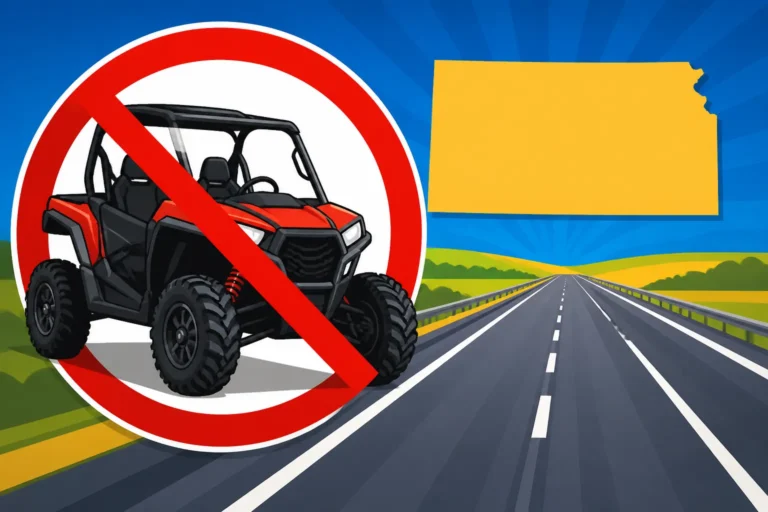
If, by some rare chance, a portion of a grain elevator road is indeed a public road (a short spur, for example), then all of Kansas's strict public road rules for ATVs and UTVs immediately apply. And let me tell you, those rules are pretty restrictive! Most ATVs are not street legal in Kansas, and UTVs only have limited exceptions, often requiring specific equipment, city ordinances, or falling under the "work-site utility vehicle" category.
For example, an ATV is almost universally prohibited on public roads, except for very limited agricultural purposes, and even then, usually only to cross a road at a 90-degree angle. UTVs might be allowed on certain county roads if a specific local ordinance permits it and the vehicle meets certain criteria (like having proper lighting, mirrors, and sometimes a specific city tag). Even then, riding hours and speed limits often apply. Trying to ride a public section of a grain elevator road with an ATV would likely put you in violation of [Kansas ATV Road Rules Under 8-15,100]. If you're on a UTV, you'd need to ensure your machine meets all the legal requirements for a street-legal UTV in that specific jurisdiction. This is rarely the case for vehicles used solely for off-road recreation.
Specific Considerations for Riding Near Grain Elevators
Even with permission, riding an ATV or UTV near a grain elevator comes with a host of unique risks and operational considerations that riders must be acutely aware of. This isn't just about legality; it's about common sense, safety, and respect for a working industrial environment.
Safety Hazards: Heavy Equipment, Blind Spots, and Dust
The primary concern around any grain elevator is safety. These are bustling areas with large, powerful machinery. Semitrucks, loaders, forklifts, and other heavy equipment are in constant motion, often reversing, turning, and operating in tight spaces. These vehicles have enormous blind spots, and their operators are focused on their work, not necessarily looking out for small recreational vehicles. The sheer difference in size between your ATV or UTV and a loaded grain truck means you'll always lose in a collision.
Dust is another major factor. Grain elevators, especially during harvest season, are incredibly dusty environments. This dust significantly reduces visibility for everyone, including you and the equipment operators. It can also get into your machine's air filter and engine, causing damage. Moreover, there might be open augers, conveyor belts, or other moving parts that pose entanglement or crushing hazards. Always assume you are invisible to larger vehicles and keep a safe, respectful distance from all operations. This isn't like cruising through [Kansas Rules for Riding a Pasture] where you might just encounter some cattle.
Liability and Insurance Implications
Riding on private property, even with permission, carries significant liability risks. If you or a passenger are injured, or if you cause damage to property (your machine or the elevator's), who is responsible? Most grain elevators will require you to sign a liability waiver if they grant you permission to ride, absolving them of responsibility. If they don't, and something happens, you could still be on the hook for damages or medical costs.
It's crucial to understand your own insurance coverage. Does your ATV or UTV insurance cover you on private industrial property? Many standard policies might have limitations. If your machine is financed, your lender will typically require comprehensive coverage, but that primarily protects the machine itself. Personal injury liability is a different beast entirely. Always check with your insurance provider to understand your coverage limitations, especially if you plan to venture onto any industrial property. This is a far cry from the basic liability that might be mandated by [Kansas Insurance Comes From City Ordinances] for road-legal UTVs. A robust machine with quality protection, perhaps enhanced by a SuperATV skid plate or roll cage, is a wise investment, but it doesn't replace liability coverage.
Environmental and Operational Impact
Beyond safety, there are environmental and operational considerations. Your ATV or UTV can kick up additional dust, which can affect air quality for workers and potentially contaminate grain. The noise from your machine, while perhaps not an issue in open fields, can be disruptive in a concentrated work area. There might also be concerns about fuel spills or other contaminants from your machine affecting the grain or the surrounding environment.
Operational flow is critical for grain elevators. Any recreational activity that interferes with the movement of trucks, the loading/unloading process, or access to equipment can cause significant delays and financial losses. Even if you have permission, it's usually for a very specific, limited purpose, not for general recreation. Always be aware of the flow of traffic and operations, and never impede them.
Practical Steps for Responsible Riding and Avoiding Issues
Navigating grain elevator roads safely and legally comes down to a few key principles: always ask, always be aware, and always prioritize safety. These guidelines will help you avoid legal troubles and ensure you don't become a hazard in a busy agricultural environment.
Always Seek Explicit Permission
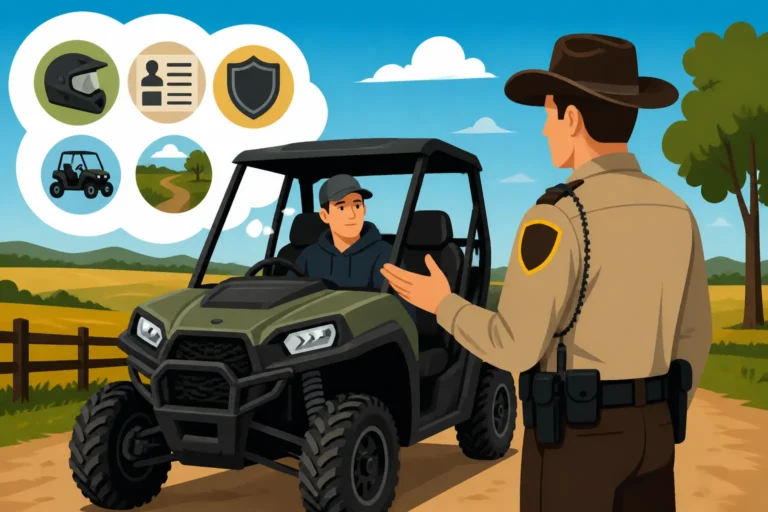
Let's reiterate: never assume. The very first step before even thinking about driving your ATV or UTV onto a grain elevator property is to find the owner or manager and explicitly ask for permission. Be polite, explain your intentions clearly, and be prepared for a refusal. If they say no, respect their decision and move on. If they grant permission, ask about specific areas where you are allowed to ride, any time restrictions, and if there are specific safety protocols you need to follow.
It's a good idea to get permission in writing, if possible, even a simple text message or email confirming your conversation. This can save a lot of headaches if a different employee or law enforcement officer questions your presence later. Remember, obtaining this permission is an act of good faith and shows respect for private property, aligning with best practices for [Kansas Landowner Permission Rules].
Prioritize Visibility and Awareness
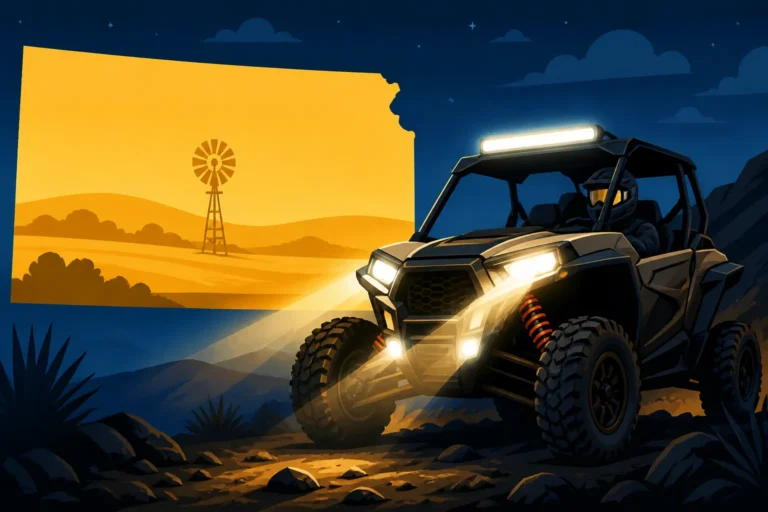
If you do get permission, your number one priority is visibility and awareness. Grain elevators are not playgrounds. Ensure your machine is highly visible; bright colors, flags, and proper lighting are essential. Even during the day, consider running your headlights and taillights. Many riders upgrade their machines with enhanced lighting, and companies like SuperATV offer excellent LED light bars and pods that can significantly improve your visibility, even in dusty conditions.
Always wear appropriate safety gear, including a helmet, eye protection, and sturdy clothing. Scan your surroundings constantly for heavy equipment, other vehicles, and personnel. Slow down, especially when approaching blind corners or intersections. If you see a large truck or piece of equipment moving, stop and wait for it to pass safely. Never try to "beat" a truck or squeeze through a tight spot.
Here’s a quick table summarizing the do's and don'ts for riding near Kansas grain elevators:
| Action | Do | Don't |
|---|---|---|
| Permission | Always ask owner/manager explicitly | Assume public access or implicit permission |
| Visibility | Use bright colors, flags, full lighting | Ride without lights or in dark/dusty conditions |
| Awareness | Constantly scan for heavy equipment, personnel | Operate without full attention; assume others see you |
| Speed | Maintain a very slow, cautious speed | Ride at recreational speeds or try to "get through quickly" |
| Respect | Follow all instructions, yield to all operations | Impede operations, create dust, or cause disruptions |
| Safety Gear | Wear helmet, eye protection, sturdy clothing | Ride without proper protective gear |
| Machine Maintenance | Ensure machine is well-maintained, spark arrestor present | Ride a loud, poorly maintained machine that could cause issues |
Be Mindful of Operational Hours and Conditions
Grain elevators operate on their own schedules, often with extended hours during peak seasons like harvest. Riding a recreational vehicle during these times, even with permission, can be especially hazardous and disruptive. Try to arrange your visit during off-peak hours, if possible, or when operations are minimal.
Also, be aware of environmental conditions. Wet weather can turn grain elevator roads into muddy, slippery messes, increasing risks. Dry, windy days mean even more dust. If conditions are particularly bad, it might be best to postpone your ride, even if you have permission. Think about how [Kansas Wind and Long Riding Days] affects visibility and control; multiply that by the industrial environment of a grain elevator. The goal is to be a responsible rider who enhances safety, not detracts from it.
Kansas offers many fantastic places to ride your ATV or UTV, but grain elevator roads present a unique challenge. By understanding the nature of these properties, respecting the law, and prioritizing safety, you can avoid common pitfalls and contribute to a positive relationship between the off-road community and Kansas's vital agricultural industry.
Disclaimer
This article is for general informational purposes only and does not constitute professional advice. Laws, prices and regulations vary by location and change over time. Consult a qualified professional for guidance on your specific situation.