Kansas UTV Street Legal Rules by City
Navigating the rules for riding your UTV on city streets in Kansas can feel like trying to solve a Rubik's Cube blindfolded, especially when one town says yes and the next one says no. It’s a common frustration for riders across the Sunflower State, leaving many wondering if their machine can ever legally cruise down Main Street. This comprehensive guide will untangle the complex web of state laws and local ordinances, explaining exactly how your UTV might become street legal in certain Kansas cities.
The Blanket Ban: Why Kansas State Law Says "No" to UTVs on Roads by Default
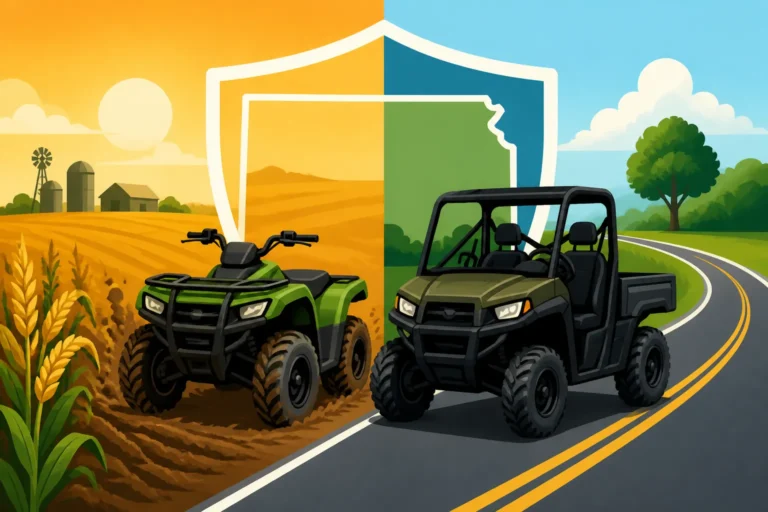
Let's be clear from the get-go: Kansas state law generally prohibits the use of ATVs and UTVs on public roads, including city streets and highways. This isn't just a suggestion; it's a foundational statute that every rider needs to understand. Many folks get confused, thinking that if they just add a few lights or a horn, they're good to go. Unfortunately, it's rarely that simple. The state legislature, in its wisdom, didn't create a broad "street legal" category for these machines, unlike how it treats traditional cars and trucks.
Understanding the Foundational "No"
The core issue lies in how Kansas law defines different types of vehicles and where they're allowed to operate. UTVs, by their very design and original intent, are classified primarily as off-highway vehicles. This classification means they aren't manufactured to meet the same safety and equipment standards as vehicles designed for public road use. This is why you typically won't find a state-issued license plate or traditional registration for a UTV; instead, if it gets titled at all, it's usually under a category like a nonhighway vehicle, which explicitly prevents it from being driven on most public roads. The confusion is completely understandable because you see side-by-sides everywhere these days, performing countless tasks from hauling feed on the farm to running errands around a small town. But without specific legal provisions, that convenience stops at the edge of the public pavement.
This default prohibition is a major source of headaches for UTV owners, especially those living in rural areas or small towns where a UTV could be incredibly practical for short trips. You might have purchased your UTV thinking it would be perfect for quick runs to the hardware store or to visit a neighbor, only to discover that the state has thrown a wrench in your plans. It's not about the machine's capability, but its legal designation.
The Exceptions to the State Rule
While the state law primarily bans UTVs from roads, there are a few very narrow exceptions that allow limited road use, but these are crucial to distinguish from being truly "street legal." These exceptions don't grant a UTV the same status as a car; rather, they provide specific allowances for certain activities under strict conditions.
One significant exception pertains to agricultural use. Farmers and ranchers often rely heavily on UTVs for work, and Kansas law acknowledges this. A UTV can be operated on a public highway for agricultural purposes, such as moving between fields or to market, provided it adheres to specific rules, often including having a slow-moving vehicle emblem and appropriate lighting. However, this isn't a free pass to drive your UTV to the grocery store just because you also happen to own a farm. The trip must be directly related to an agricultural purpose. It's a "work trip" exception, not a "leisure cruise."
Another common scenario where UTVs might briefly touch a public road is when crossing a highway. This is generally allowed to access private property or continue an off-road journey. But again, this is a quick crossing, not a prolonged drive down the highway. For specific rules, you'd want to look into [Kansas Rules for Crossing a Highway].
It's vital for riders to understand that these state-level exceptions are specific and limited. They do not magically make your UTV street legal for general use. They are conditional allowances for specific tasks. If you're pulled over outside of these defined exceptions, even if you’re just a block from home, you could face penalties. This is why the power to make UTVs truly street legal, for everyday use, falls to the local municipalities.
When Cities Step Up: How Local Ordinances Create Street-Legal Opportunities
Given the state's restrictive stance, the pathway to legally riding your UTV on city streets in Kansas almost entirely hinges on local city ordinances. Many cities, recognizing the utility and popularity of UTVs among their residents, have taken it upon themselves to create local laws allowing their use on certain streets. This localized approach means that what's perfectly legal in one Kansas town might get you a ticket in another.
The Ordinance Process: How a City Opts In
When Kansas state law says UTVs are generally banned from public roads, it also includes language that allows local governing bodies—like city councils—to pass their own ordinances to permit such use. This legislative ability is the cornerstone of UTV street legality in the state. A city council will typically hold public meetings, discuss local needs, safety concerns, and resident input before drafting and voting on an ordinance. This process ensures that the rules are tailored to the specific community, considering factors like road types, traffic volume, and local enforcement capabilities.
For residents, understanding this process is key to advocating for or understanding the rules in their own town. If you live in a city that doesn't currently allow UTVs on streets, getting involved in local government, attending council meetings, or contacting your city representatives can be a starting point. It’s how communities like Louisburg, De Soto, and others got their ordinances passed. You can often find information about these processes and the resulting ordinances on the city's official website or by contacting the city clerk's office. This is also where you might learn about [Kansas Cities That Opt In by Ordinance].
Common Requirements for City-Approved UTVs
Once a city passes an ordinance allowing UTVs on its streets, it almost always comes with a list of specific requirements your machine must meet and rules you must follow. These requirements are put in place to ensure safety for both UTV operators and other motorists, effectively bringing the UTV closer to the standards of other road-going vehicles, at least for local use.
Typical equipment requirements often include:
- Headlights and Taillights: These are usually mandatory, often requiring operation from sunset to sunrise, similar to other vehicles. Make sure they're visible and properly functioning. [Kansas Lighting Rules After Sunset] delves into this more.
- Brake Lights: Essential for signaling when you're slowing down or stopping.
- Turn Signals: Required for indicating your intentions when turning or changing lanes.
- Mirrors: At least one rearview mirror, and often side mirrors, to provide visibility of traffic behind and beside you.
- Horn: A working horn to alert others when necessary.
- Windshield: Some ordinances may require a windshield to protect the operator and passengers from debris.
- Seatbelts: If your UTV has factory-installed seatbelts, they are almost always required to be worn.
- Tires: Road-appropriate tires, not just aggressive off-road treads.
Beyond equipment, cities also impose operational rules. This often includes speed limits (e.g., UTVs may be restricted to streets with posted speed limits of 35 mph or less), prohibitions on driving on state highways within city limits, and restrictions on nighttime operation unless fully lit. Many riders turn to aftermarket kits to get their machines street-ready with essential components like mirrors, horns, and turn signals. Brands like SuperATV offer a wide range of these accessories, making it easier for owners to comply with local rules.
The "City Tag" and What It Means
A common feature of city UTV ordinances in Kansas is the requirement for a "city tag" or local permit. This isn't a state vehicle registration or license plate that makes your UTV legal to drive on any public road in Kansas; rather, it's a specific permit issued by the city itself, granting you permission to operate on its designated streets.
Think of it like a local fishing license – it only works in that specific pond, not every body of water in the state. The city tag usually involves an application process, a fee (which helps cover administrative costs and potentially local road maintenance), and often an inspection to ensure your UTV meets all the equipment requirements. Once issued, this tag must typically be displayed prominently on your UTV.
This city-specific tag is why it’s critical to understand [Kansas City Tag Fees for a UTV] and the specific requirements of your city. Just because you have a Louisburg city tag doesn't mean you can legally drive your UTV on the streets of De Soto without getting their specific permit first. It also highlights why [Kansas Has No OHV Registration] at the state level, pushing the burden of control and permitting to local municipalities. It’s a localized solution to a statewide problem, offering flexibility but also creating a patchwork of rules that riders must painstakingly navigate.
Navigating Specific Kansas Cities: What to Expect
The variability in UTV street legal rules from one Kansas city to another can be bewildering. What’s allowed in a small rural town might be strictly prohibited in a larger suburban community. It's a classic example of "know your local laws," and it puts the onus squarely on the UTV owner to do their homework.
Case Studies: Louisburg, De Soto, Scott City, and Andover
Several Kansas cities have embraced UTVs, crafting ordinances that permit their use on local streets. Each city's approach, however, has its own nuances, reflecting local priorities and demographics. Let's look at a few examples:
- Louisburg: This Miami County city is often cited as a pioneer in allowing UTVs. [Louisburg's UTV Tag Fees in Kansas] are known, and the city typically requires a permit, proof of insurance, a valid driver's license, and specific equipment like headlights, taillights, brake lights, turn signals, mirrors, and a horn. Speed limits are usually imposed, often restricting UTVs to streets with lower posted speeds. Louisburg's ordinance has been a model for other communities looking to allow UTVs.
- De Soto: Located in Johnson County, De Soto also has an ordinance allowing UTVs. While similar to Louisburg in many respects, the specifics regarding equipment, approved street designations, and application processes can differ. Riders in De Soto need to familiarize themselves with [De Soto's Ordinance in Kansas] to ensure compliance.
- Scott City: Out in western Kansas, Scott City has likewise adopted rules for UTVs. In these more rural-centric communities, the acceptance of UTVs on streets often stems from their practical use in daily life, but still, safety and specific equipment remain paramount. You can typically find detailed requirements within [Scott City's Ordinance in Kansas].
- Andover: This Sedgwick County city, like others, provides a framework for UTV use. While the core idea of allowing UTVs on city streets is consistent, the devil is often in the details: permitted hours of operation, specific routes, or even unique local fees. Andover residents need to check [Andover's Ordinance in Kansas] for all the current requirements.
These examples illustrate that while the concept of local street legality is the same, the application varies widely. It’s not a one-size-fits-all situation. The best approach is to consider each city's rules as unique.
Researching Your Local City's Rules
For any UTV owner contemplating street use, the most critical step is thoroughly researching the specific ordinances in your city or any city where you plan to ride. Here’s a practical guide to doing just that:
- Check the City's Official Website: Many cities post their municipal code or city ordinances online. Look for sections related to "vehicles," "traffic," "off-road vehicles," or "utility vehicles." The search function on the site can be your best friend.
- Contact the City Clerk's Office: This is often the most reliable source. The city clerk's office is responsible for maintaining all city records, including ordinances. They can direct you to the exact text of any UTV-related law or provide a summary. Be prepared to ask specific questions about equipment, permits, fees, insurance, and designated streets.
- Inquire at the Local Police Department or Sheriff's Office: While their primary role is enforcement, local law enforcement agencies are usually well-versed in the ordinances they enforce. They can confirm whether UTVs are allowed and outline the key requirements. This is also a good place to ask about [Kansas Penalties for Illegal Road Riding].
- Visit City Hall: If available, a physical visit can sometimes be more productive for getting clear answers and even picking up application forms for city tags or permits.
- Talk to Other Local Riders: While not an official source, local UTV clubs or experienced riders in your community can offer practical insights and share their experiences navigating the local rules. Always double-check their information with official city sources, but it can be a good starting point.
Remember, ignorance of the law is no excuse. It's solely your responsibility to ensure your UTV and your riding practices comply with all local ordinances.
Essential Equipment and Rider Responsibilities
Once you've confirmed your city allows UTVs on its streets, the next step is ensuring your machine meets all the necessary equipment standards and that you, as the operator, fulfill your responsibilities. This typically involves outfitting your UTV with specific accessories and carrying the correct documentation.
Gearing Up for City Streets
City ordinances often list a comprehensive set of equipment required to make your UTV street-legal within city limits. These aren't just suggestions; they are mandatory safety features designed to make your UTV visible and controllable in a mixed-traffic environment.
Here’s a breakdown of commonly required items:
- DOT-Approved Headlights and Taillights: Your UTV likely has lights from the factory, but city ordinances often specify that they must be DOT (Department of Transportation) compliant and fully functional, similar to those on a car. This means they must illuminate the road sufficiently and be clearly visible from specified distances.
- Brake Lights: These are non-negotiable for signaling stops and must activate when the brakes are applied.
- Turn Signals: Front and rear turn signals are essential for indicating your intentions, just like on any street-legal vehicle. Many UTVs don't come with these from the factory, so this is a common aftermarket addition.
- Horn: A working horn is a fundamental safety device for alerting pedestrians or other drivers.
- Mirrors: At least one rearview mirror is almost always required, and often two side mirrors (one on each side) for a full field of vision.
- Windshield: While not universally required, many ordinances specify a windshield to protect the driver and passengers from road debris. Aftermarket windshields, some of which are made by brands like SuperATV, are readily available.
- Seatbelts: If your UTV is equipped with seatbelts from the manufacturer, all occupants must typically wear them while the vehicle is in motion.
- Tires: Your knobby off-road tires might be great for the trails, but some cities may require tires more suitable for pavement, often meaning DOT-approved tires.
- Slow-Moving Vehicle Emblem: While UTVs are capable of higher speeds, some ordinances, especially in rural areas, might still require this emblem if the UTV is restricted to lower speeds.
Investing in quality street-legal accessories, perhaps from a reputable brand like SuperATV, is a smart move to ensure compliance and enhance safety. These accessories are designed to seamlessly integrate with your UTV and meet legal specifications. Always ensure any modifications are installed correctly and function as intended before hitting city streets.
Driver's License, Insurance, and Age Requirements
Beyond the machine itself, the operator also has responsibilities, generally aligning with standard road vehicle laws.
- Valid Driver's License: Almost universally, operating a UTV on city streets requires a valid, current driver's license. This means a standard Class C driver's license, not just a permit or an off-road safety certificate. [Do You Need a License for an ATV in Kansas?] provides more context on this for general off-road use.
- Proof of Insurance: While Kansas does not require state-level ATV/UTV insurance for off-road use, cities that permit street use nearly always mandate liability insurance. This protects you and others in case of an accident. You'll need to carry proof of this insurance, much like you would for your car. Learn more about [Kansas Insurance Comes From City Ordinances].
- Age Requirements: City ordinances often specify a minimum age for operating a UTV on streets, which typically aligns with the legal driving age for cars (16 years old with a license). Some ordinances might have additional rules for younger passengers.
Failing to meet any of these requirements can result in fines, your UTV being impounded, or other legal consequences. Always carry your driver's license, proof of insurance, and any city-issued UTV permit whenever you're operating your machine on city streets. Being prepared helps you avoid unnecessary trouble and ensures a smoother experience with law enforcement, should you ever be stopped.
Table: Common City UTV Street Legal Requirements
To help visualize the typical requirements, here’s a table summarizing what you can generally expect to see in Kansas city ordinances that permit UTV street use:
| Requirement Category | Typical Details | Notes |
|---|---|---|
| Equipment | DOT-approved headlights, taillights, brake lights, turn signals, mirrors (at least one rearview, often two side mirrors), horn, windshield, seatbelts (if factory-equipped). | Many UTVs require aftermarket kits for these items. Ensure they are properly installed and functioning. Some ordinances specify lighting must be visible from a certain distance. |
| Operator | Valid state-issued driver's license, minimum age (typically 16+), no driving under the influence. | A standard Class C driver's license is almost always required. No special "off-road" license. |
| Documentation | Proof of liability insurance, city-issued permit/tag, valid driver's license. | Keep physical or digital copies readily accessible on your person or in the UTV. |
| Operational Rules | Restricted to streets with posted speed limits (e.g., 35 mph or less), no driving on state highways, specific hours of operation (e.g., sunrise to sunset unless fully equipped for night). | Some cities may have designated UTV routes or prohibit use in certain zones (e.g., downtown areas). |
| Permitting | City-specific application, annual fee, vehicle inspection (often by local law enforcement or designated official). | The permit is specific to that city and is not transferable to other cities or for state highway use. Display of the tag is mandatory. |
Disclaimer
This article is for general informational purposes only and does not constitute professional advice. Laws, prices and regulations vary by location and change over time. Consult a qualified professional for guidance on your specific situation.