Carrying Proof of Insurance on a Tagged UTV
Navigating the ins and outs of UTV ownership in Kansas can feel like a winding gravel road – you think you know the way, but then a new turn or unexpected sign pops up. One of the biggest points of confusion, especially when you decide to make your UTV street-legal in one of Kansas's many cities, is whether you need to carry proof of insurance. Many riders are caught off guard, thinking the state's general rules cover everything, only to find out local ordinances change the game. This comprehensive guide aims to clarify exactly what you need to know and carry when your UTV sports a city tag in Kansas.
Understanding Kansas's Approach to UTV Insurance
It's easy to get mixed signals when it comes to UTV insurance in Kansas. On one hand, the state has a pretty hands-off approach to off-road vehicles. On the other, local municipalities have the power to introduce entirely different sets of rules, especially when you bring your machine onto their streets.
State-Level Stance on Off-Road Insurance
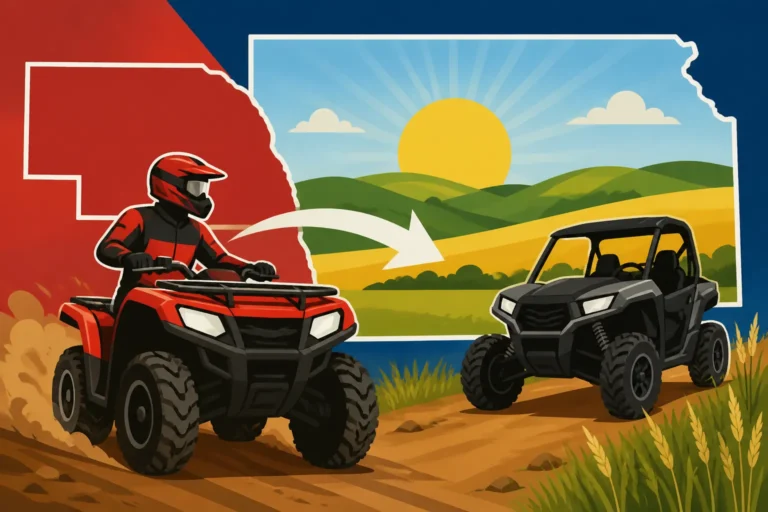
Let's be clear from the get-go: if your UTV is used exclusively for off-road recreation, cruising through your private property, or working on the farm, Kansas law generally doesn't mandate liability insurance. This often comes as a pleasant surprise to new owners, especially those moving from states with stricter requirements. You won't find a statewide OHV registration system here, meaning there's no annual tag fee tied to an insurance requirement like you might see with a typical road vehicle. [Kansas Has No OHV Registration]
However, just because it's not legally required doesn't mean it's not a smart idea. Many seasoned riders still opt for comprehensive insurance coverage, and for good reason. Accidents happen, even on private land, and without insurance, you're on the hook for any damages to your machine, medical bills for injuries, or even liability if someone else gets hurt while you're riding. Think about it: a tree jumps out in front of you, or your buddy takes an unexpected tumble. That's when that "non-required" insurance suddenly feels like a lifeline. It’s all about protecting your investment and your peace of mind, regardless of the law.
The Local Ordinance Impact on Insurance
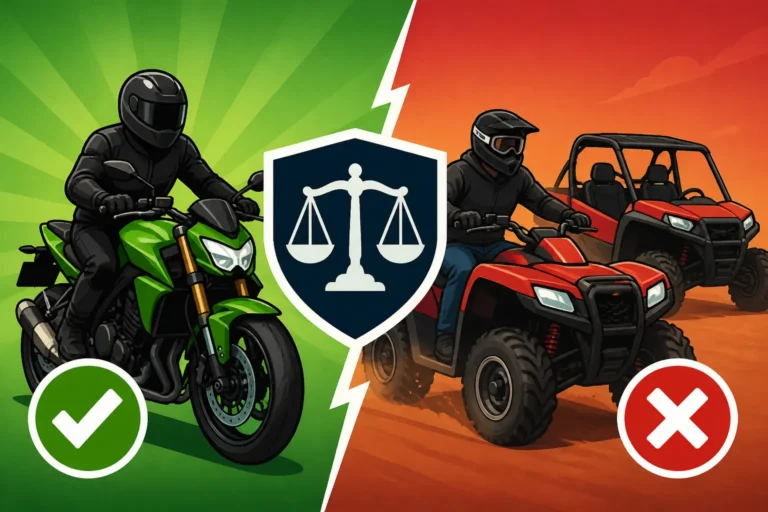
Here's where things get interesting, and frankly, a bit more complicated. While the state takes a relaxed stance, many Kansas cities have recognized the growing popularity of UTVs and have decided to allow them on municipal streets – but with some very important strings attached. When a city passes an ordinance to make UTVs street legal within its limits, an insurance requirement is almost always part of the deal. [Kansas Cities That Authorize ATV Street Use]
Why the change? Because once your UTV leaves private land and starts sharing the road with cars, trucks, and pedestrians, it becomes part of the public transportation network. Cities have a responsibility to ensure public safety and mitigate potential liabilities. Requiring liability insurance is their way of protecting everyone involved in the event of an accident. It ensures that if your UTV causes damage or injury on a public street, there's a financial safety net in place, similar to how car insurance works. So, while you might not need insurance to tear up the trails on the weekend, you absolutely will need it to cruise down Main Street if your local city has opted into allowing tagged UTVs.
The Shift with a City Tag: Why Insurance Becomes Essential
Getting a city tag for your UTV is a big step, transforming it from a purely recreational or utility machine into a road-sharing vehicle. This transition brings with it new responsibilities, especially concerning insurance.
From Off-Road to On-Road Responsibility
When your UTV is purely an off-road machine, the risks are often seen as contained within the private property or designated riding areas where you operate it. But the moment you apply for and receive a city tag, your UTV is now authorized to travel on public streets, sharing space with all sorts of other vehicles and people. This isn't just a minor administrative change; it’s a fundamental shift in how your machine is viewed legally and practically. [Kansas UTV Street Legal Rules by City]
Cities typically define specific rules for these "street legal" UTVs, often requiring them to meet certain equipment standards like headlights, taillights, turn signals, and mirrors. And, crucially, they almost universally mandate liability insurance. This isn't arbitrary; it's because the potential for a serious incident increases significantly when you're navigating traffic, crosswalks, and busy intersections. If your UTV collides with a car, a cyclist, or even causes damage to city property, the financial fallout can be substantial. The insurance requirement ensures that those costs don't fall solely on the individuals involved or the city's taxpayers. It’s about being a responsible road user, plain and simple.
The City Tag and Your Insurance Policy
Once you've decided to get a city tag, the very next call you should make is to your insurance provider. You can't just assume your existing off-road policy (if you even have one) will automatically cover your UTV for street use. Most standard off-road policies are designed for recreational use on private property or trails and specifically exclude coverage for operation on public roads.
When you inform your insurer that you'll be obtaining a city tag and operating your UTV on public streets, they will likely need to adjust your policy significantly. This could mean switching to a different type of UTV policy, adding specific endorsements for street legality, or increasing your liability coverage limits to meet municipal requirements. For example, [Louisburg's Insurance Requirement in Kansas] outlines specific coverage minimums you'd need to meet for their city tag. They'll want to know the specific city ordinances you're adhering to, as these often dictate the minimum liability coverage you'll need. Don't be surprised if your premiums increase, as the risk profile for a street-legal UTV is inherently higher than for one used solely off-road. It's vital to be upfront and transparent with your insurance agent to ensure you have adequate and legally compliant coverage. Failing to do so could leave you completely uninsured in the event of a street accident, despite having a city tag.
What Counts as Proof of Insurance in Kansas
So, you've got your city tag, your UTV is equipped, and your insurance policy is updated. Fantastic! But what exactly do you need to show if a law enforcement officer pulls you over while you're cruising through town?
Acceptable Forms of Documentation
When it comes to proving you have active insurance for your tagged UTV, the good news is that Kansas cities generally accept the same types of documentation as they would for any other motor vehicle. The most common and widely accepted form is your physical insurance ID card. This small card typically fits in your wallet and contains all the crucial information: your insurance company's name, your policy number, the effective dates of your coverage, and a description of the insured vehicle (your UTV!). Make sure the vehicle description on the card clearly matches your UTV's make, model, and VIN.
Another acceptable form is a copy of your insurance declaration page. This is the more detailed document you receive when you first purchase or renew your policy, outlining all your coverages, deductibles, and policy specifics. While a bit bulkier to carry, it provides undeniable proof of coverage. In today's digital age, many insurance companies also offer digital proof of insurance through their mobile apps or as a PDF on your smartphone. While this is increasingly accepted, it's always wise to have a backup, which we'll discuss shortly. The key is that whichever form you choose, it must be current, clearly legible, and specifically link to the UTV you are operating.
Key Information an Officer Looks For
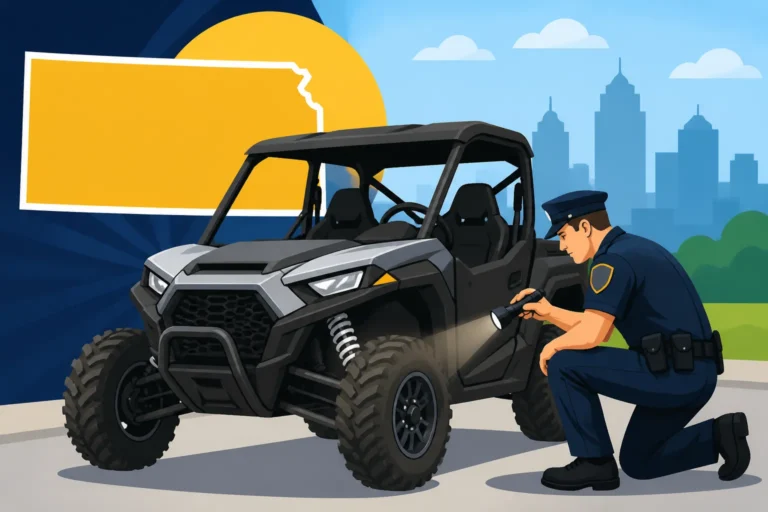
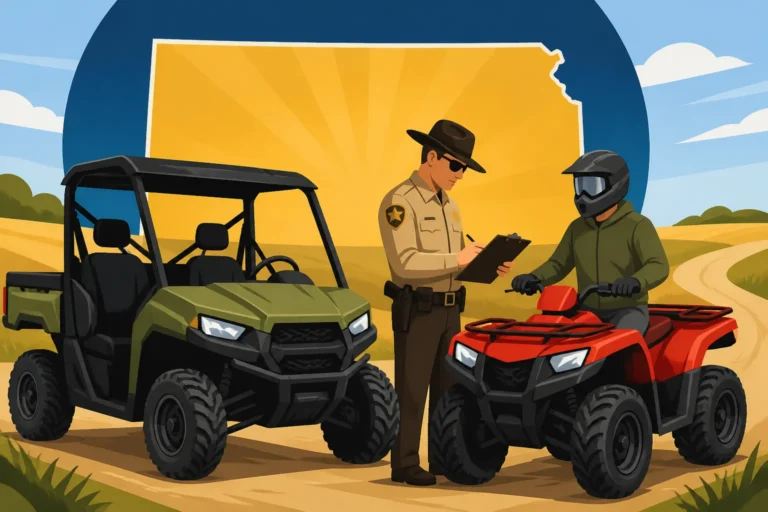
When a deputy or police officer stops you and asks for proof of insurance, they're typically looking to verify a few key pieces of information. First and foremost, they want to see that your policy is active and hasn't expired. The effective dates on your ID card or declaration page are critical for this. Next, they'll confirm that the insurance actually covers the vehicle you're driving – meaning your UTV's VIN or description should be clearly listed on the document. Finally, they'll check to ensure you meet the minimum liability coverage required by the city ordinance. This is especially important as [Kansas Insurance Comes From City Ordinances], meaning the exact requirements can vary slightly from one municipality to the next.
While digital proof is convenient, consider a few practical scenarios. What if you're riding in an area with spotty cell service? What if your phone battery dies? What if the screen is cracked or obscured by mud? For these reasons, many riders still prefer to carry a physical copy, perhaps laminated or stored in a waterproof bag. It eliminates reliance on technology and ensures you can always provide the necessary documentation. Officers understand the challenges of off-road riding, but they still need to see valid proof. Being prepared can save you a lot of hassle.
Consequences of Not Carrying Proof or Being Uninsured
Riding your tagged UTV on city streets without the proper insurance, or at least the proof of it, can turn a fun outing into a significant headache. The consequences range from minor citations to severe financial burdens if an accident occurs.
Penalties for Lacking Proof
Let's start with the most common scenario: you're insured, but you simply forgot your insurance card or your phone is dead. Even if you have active coverage, not being able to immediately produce proof to a law enforcement officer can result in a citation. These penalties, while usually not as severe as being completely uninsured, can still sting. You might face a fine, and in some cases, you could even be required to appear in municipal court to present your valid proof of insurance. While the court might dismiss the charge upon seeing valid proof, you could still be on the hook for court costs or an administrative fee. [Kansas Ticket Costs for Road Riding]
It's a frustrating situation because you've done the right thing by getting insurance, but a momentary lapse in carrying the documentation can still cost you time and money. This is why being meticulous about where and how you carry your proof is so important. A little bit of preparation can save you from a preventable citation and the hassle of dealing with the court system. Remember, the officer's job is to enforce the local ordinance, and if you can't show them what they need, they have to act accordingly.
The Dangers of Being Uninsured on City Streets
Now, let's talk about the much more serious situation: operating your tagged UTV on city streets without any insurance coverage. This is a gamble that rarely pays off. If you're involved in an accident and you don't have liability insurance, you are personally responsible for all damages and injuries. This could include:
- Property Damage: The cost to repair or replace another vehicle, a street sign, a fence, or even someone's mailbox. These costs can quickly add up to thousands of dollars.
- Medical Bills: If anyone is injured in the accident, including passengers in your UTV, pedestrians, or occupants of another vehicle, you could be liable for their medical expenses, which can be astronomical.
- Legal Fees: Even if you weren't entirely at fault, you could face lawsuits. Hiring attorneys to defend yourself will add another substantial layer of expense.
- Fines and Penalties: Beyond civil liability, the city will almost certainly impose significant fines for operating an uninsured vehicle on public streets. Your city tag could be revoked, and in some cases, your UTV could even be impounded.
The city's requirement for insurance when issuing a tag is not just about bureaucracy; it's a fundamental aspect of public safety and financial responsibility. Neglecting this requirement puts you at immense financial risk, far outweighing the cost of a premium. Being uninsured on city streets can ruin your finances and significantly complicate your life.
Practical Tips for Carrying and Storing Your Proof
You've got the insurance, you understand the stakes – now let's make sure you’re always prepared. Carrying your proof of insurance safely and accessibly is a small but crucial step in responsible UTV ownership.
Physical vs. Digital: Best Practices
In our modern world, the line between physical and digital documents is often blurred, and proof of insurance is no exception. While most jurisdictions, including Kansas cities, now accept digital proof on your smartphone, relying solely on it can be risky. Imagine you’re out for a long ride, having a blast, and suddenly your phone battery dies, or you drop it in a puddle, rendering the screen unreadable. Or maybe you find yourself in a remote area where cell service is non-existent, preventing you from accessing your insurer's app.
For these reasons, the best practice is to carry both a physical and digital copy. Print out your insurance ID card and perhaps a condensed version of your declaration page. To protect it from the elements, laminate it or slip it into a durable, waterproof pouch. This physical copy can then be stored in a secure, yet easily accessible, location on your UTV. Many UTV owners find that a glove box, a console organizer, or a small storage bag mounted to the roll cage – like many robust options from SuperATV – works perfectly. This ensures your documents are protected from dust, dirt, and moisture, and always available, regardless of your phone's status. For your digital copy, save it directly to your phone's storage (not just in an app that requires data) and maybe even email it to yourself so it's easily retrievable from any device with internet access.
What to Do If Stopped by Law Enforcement
Getting pulled over can be a bit nerve-wracking, no matter what you're driving. When it happens on your UTV, especially on a city street, remaining calm and cooperative is key. Here's a quick rundown of what to do:
- Pull Over Safely: As soon as you notice the lights or siren, find a safe spot to pull your UTV completely off the road.
- Remain in Your Machine (Unless Directed Otherwise): Keep your hands visible, preferably on the steering wheel or handlebars. Avoid sudden movements.
- State Your Intentions Clearly: When the officer approaches, let them know you’re reaching for your documents. For example, "Officer, my license and insurance card are in the glove box, and I'm going to reach for them now." This prevents any misunderstandings.
- Present Documents: Hand over your valid driver's license (yes, you need one for a tagged UTV on city roads – [Do You Need a License for an ATV in Kansas?]), and your proof of insurance. If the city issues a specific UTV permit or registration, you'll want to present that too. [Kansas City Tag Fees for a UTV]
- Answer Questions Respectfully: Be polite and answer any questions truthfully. If you don't know an answer, it's okay to say so.
- Don't Argue: If you believe you've been unfairly stopped or ticketed, the roadside is not the place to debate it. Accept the citation and address it through the proper channels later.
Having your documents readily available and being prepared for this interaction will not only make the experience smoother for you but also for the officer. It demonstrates that you are a responsible UTV operator who understands the rules of the road. While this guide primarily focuses on city roads, similar principles apply to [Carrying Papers on a Ranch Road] for landowner permission or other private land documentation.
Beyond the Basics: Other Important Documents to Carry
While proof of insurance is paramount for a tagged UTV on city streets, it’s not the only document you might want to have handy. A little extra preparation can make your rides safer, more convenient, and help you navigate unexpected situations.
Registration and Operator's License
First and foremost, when operating a tagged UTV on a Kansas city street, you absolutely must possess a valid driver's license. This isn't optional; it's a fundamental requirement for operating any motor vehicle on public roads. Even if your state-issued license is restricted, it still needs to be valid. You'll also want to carry any city-specific registration or permit that was issued when you obtained your city tag. While Kansas doesn't have a statewide ATV/UTV registration, many cities that allow UTVs on their streets will issue their own form of local registration or permit that acts like a license plate or sticker for your machine. This proves your UTV has met their specific criteria for road use. [Kansas City Tag Fees for a UTV]
It's also worth noting that your official [Kansas Nonhighway Title Explained] isn't typically something you'd carry on the machine itself. That's a formal ownership document, usually stored in a safe place at home, like a car title. The city tag and your insurance card are what law enforcement will typically want to see on the road. Keep these documents together in your waterproof pouch for easy access.
Machine-Specific Information and Emergency Contacts
Beyond legal requirements, consider carrying a few other pieces of information that can be incredibly helpful. A digital copy of your UTV's owner's manual on your phone can be a lifesaver for quick troubleshooting or understanding dashboard warning lights while you're out. Knowing how to check your oil or the correct tire pressure on the fly can prevent a small issue from becoming a big one.
Another smart addition is an emergency contact card. This simple card, perhaps laminated and stored with your insurance proof, should include the names and phone numbers of people to contact in case of an emergency, any relevant medical conditions you have, and allergies to medications. In a rural setting, or if you're riding solo, this information can be critical for first responders. Finally, while not a document, carrying a basic first-aid kit and a small tool kit with essential items for common roadside repairs can turn a frustrating breakdown into a minor inconvenience. SuperATV, for example, offers various storage bags and compartments that can securely house these kinds of emergency supplies, keeping them protected and accessible whenever you need them. Being prepared for more than just a traffic stop ensures a more enjoyable and safer riding experience overall.
Table: Key Differences in UTV Documentation for Kansas Riders
To help clarify the differences in documentation depending on how you use your UTV in Kansas, here's a quick comparison:
| Feature/Requirement | UTV Used Exclusively Off-Road (No City Tag) | UTV Used On City Streets (With City Tag) |
|---|---|---|
| Proof of Insurance | Not legally required by the State of Kansas. | REQUIRED by local city ordinance. Must be carried. |
| Driver's License | Not required by the State of Kansas for off-road use. | REQUIRED by local city ordinance. Must be valid. |
| Annual State Tag/Reg. | Not applicable; Kansas has no OHV registration. | City-issued permit/sticker often required. Not a state tag. |
| Title | Kansas nonhighway title required for ownership transfer. Not carried. | Kansas nonhighway title required for ownership transfer. Not carried. |
| What to Carry | Landowner permission, personal ID, emergency contacts (optional). | Valid Driver's License, Proof of Insurance, City Tag/Permit. |
| Primary Authority | State laws for land use (trespass), personal injury law. | Local city ordinances for road use, state traffic laws. |
| Common Penalties | Trespassing, property damage liability. | Fines for no insurance, no license, equipment violations. |
This article is for general informational purposes only and does not constitute professional advice. Laws, prices and regulations vary by location and change over time. Consult a qualified professional for guidance on your specific situation.