Why a Steering Wheel Changes Your Title Class
It's a common story in Kansas: you buy what you think is just a big, souped-up ATV, maybe a side-by-side or a utility vehicle, only to find out it's titled completely differently. This isn't just a bureaucratic quirk; it's often rooted in a single, seemingly minor design choice: whether your machine has handlebars or a steering wheel. That distinction can radically change how your off-road machine is classified under Kansas law, impacting everything from its official title to where you might (or might not) be able to drive it. This guide will unravel the mystery, showing you why a steering wheel changes your title class and what that means for you as a Kansas owner.
Understanding Kansas's Nonhighway Vehicle Classifications
Kansas has a specific way of looking at off-road machines, and it’s not always as straightforward as "it goes off-road, so it's an ATV." The state has developed categories to differentiate these vehicles based on their design and intended purpose, which directly influences their title class. Getting this right from the start can save you a lot of headaches down the road, especially if you ever plan to sell your machine or wonder about its legal use.
The ATV: Handlebars and Saddle Seating
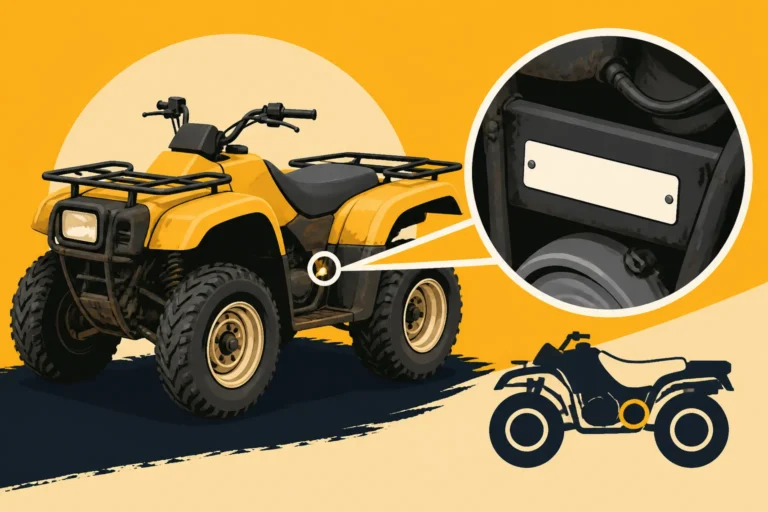
When most of us think of an ATV, we picture a machine with handlebars that you straddle like a motorcycle, sitting on a saddle-style seat. Under Kansas law, this is precisely what defines an All-Terrain Vehicle. These machines are designed for recreational or utility use off paved roads. Because of their design, ATVs generally fall into a specific category when it comes to official paperwork.
For instance, [Kansas Titles ATVs as Nonhighway Vehicles], meaning they receive a specific type of title that identifies them as not intended for regular highway use. You'll find that for these machines, [Kansas Has No OHV Registration] in the traditional sense, which can sometimes lead to confusion. People assume no registration means no title, but that's not the case. The nonhighway title is your proof of ownership, a critical document, even without an annual tag. This system acknowledges their off-road nature while still ensuring proper ownership records are maintained.
Side-by-Sides: Where the Confusion Begins
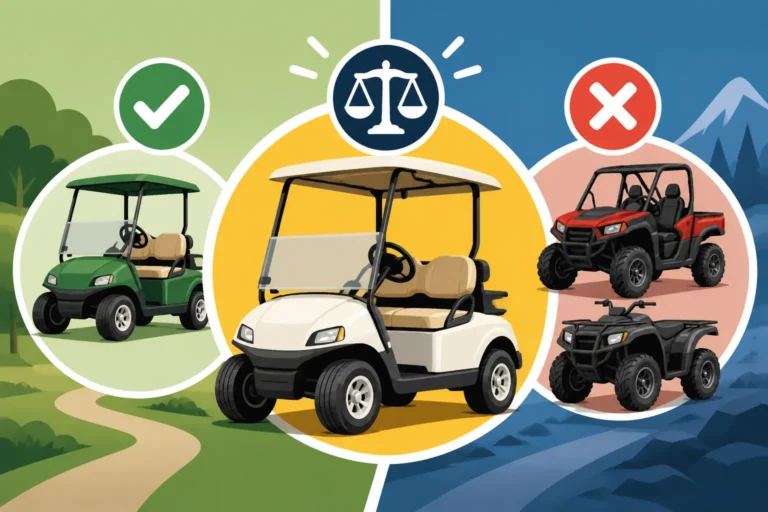
Now, this is where things get a bit more complex for many Kansas riders. You might have a "side-by-side" that looks a lot like an ATV but is visibly larger, often has a roof, and seats two or more people next to each other. When it comes to titling these machines, Kansas law sees them through a different lens than a traditional ATV. This is because many side-by-sides, depending on their specific characteristics, can fall into categories like Work-Site Utility Vehicles (WSUVs), Micro Utility Trucks (MUTs), or even sometimes be classified more broadly, like golf carts.
The challenge for owners is that the term "side-by-side" isn't a legal classification in itself; it's a common-use term that encompasses several legal categories. So, while you might call your machine a side-by-side, the county treasurer's office will need to determine its specific legal classification to issue the correct title. This often involves looking at a few key design elements, but as we'll dive into, one of the most prominent differentiators is the steering mechanism. If you're looking into [Titling a Side-by-Side in Kansas], understanding these nuances from the start will make the process much smoother.
The Critical Role of the Steering Wheel in Machine Definition
It might sound like a minor detail, but the type of steering mechanism on your off-road machine is a major legal differentiator in Kansas. It's often the first clue the Department of Revenue uses to categorize a vehicle, leading directly to its title class. This isn't just about semantics; it's about the fundamental design and intended function of the vehicle as understood by state law.
Steering Wheel vs. Handlebars: The Core Distinction
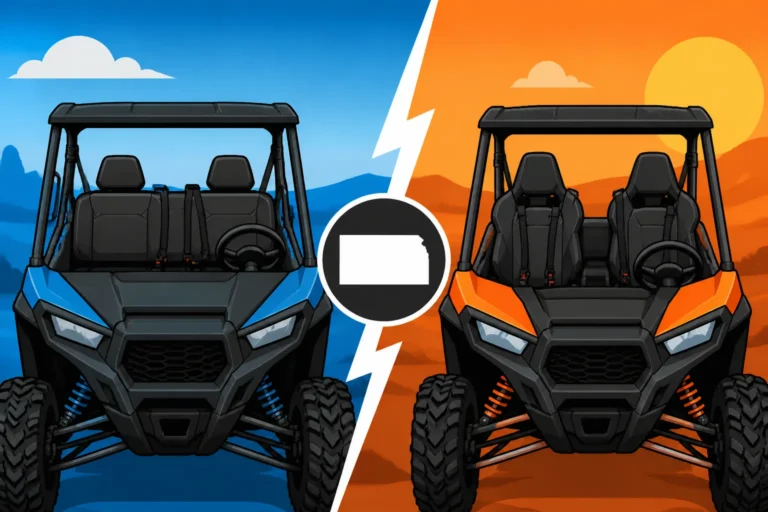
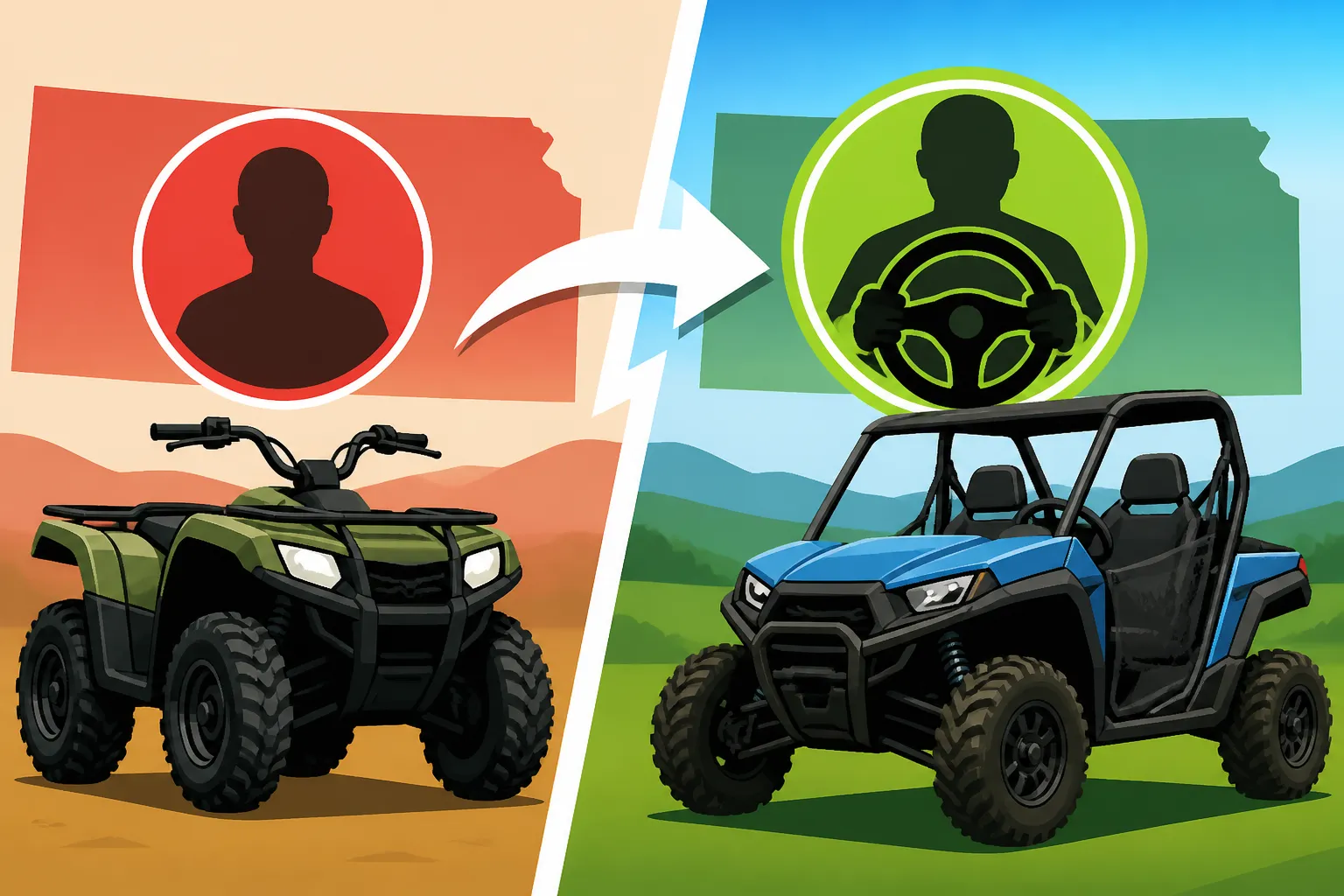
At its most basic, Kansas law draws a clear line: if your machine has handlebars that you grasp and manipulate, and you sit on a saddle seat, it's very likely going to be classified as an ATV. This design is indicative of a vehicle meant for active rider control, often shifting weight to maneuver. [Why an ATV Is Exempt From Registration Entirely] is linked to this classification.
However, if your machine features a steering wheel, like what you'd find in a car or truck, and has non-straddle seating—meaning you sit in the vehicle, not on it, usually on a bench or bucket seat—then Kansas law immediately shifts its perspective. This design points toward a different type of utility or recreational vehicle, moving it out of the ATV category and into classifications like a Work-Site Utility Vehicle, Micro Utility Truck, or even a Golf Cart. The presence of that steering wheel signals a different operational approach and, consequently, different legal treatment. This is why Why a Steering Wheel Changes Your Title Class is such a crucial concept for Kansas owners to grasp.
Work-Site Utility Vehicles and Micro Utility Trucks
Let's talk about the Work-Site Utility Vehicle, or WSUV, class. These machines are a perfect example of how a steering wheel defines a category. Under Kansas law, a WSUV is generally defined as having:
- A steering wheel (not handlebars).
- Non-straddle seating, often side-by-side bucket seats or a bench seat.
- Four or more nonhighway tires.
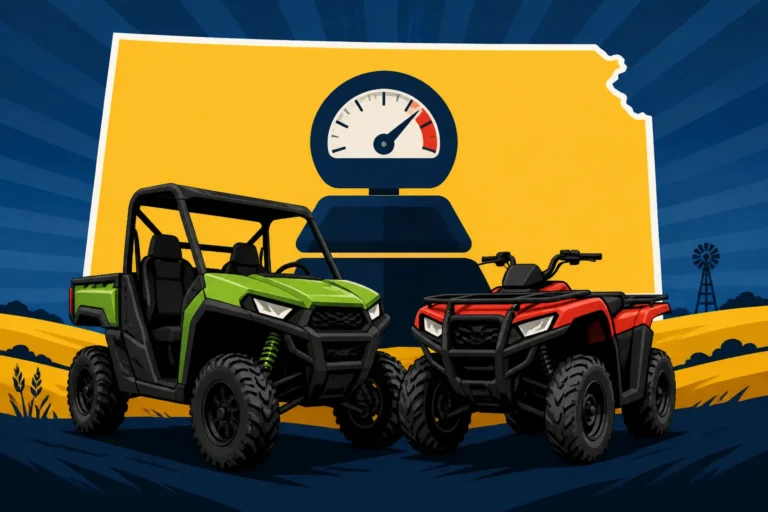
- A maximum width of [Kansas WSUV Width of 48 Inches] (often measured from the widest point of the vehicle, not just the tires).
- An unladen weight of more than [Kansas WSUV Weight Over 800 Pounds].
You see how the steering wheel is right at the top of that list? It's a fundamental characteristic. These machines are designed for off-road work, often on construction sites, farms, or large properties. They get a nonhighway title, similar to an ATV, but their WSUV classification can open doors for specific local ordinances that allow limited road use within certain cities, something generally not afforded to ATVs. If you're trying to figure out [Kansas WSUV Title Requirements], knowing these details about steering and seating is paramount.
Micro Utility Trucks (MUTs) are another related category. While sometimes grouped with WSUVs, MUTs tend to be more truck-like, often with an enclosed cab, a distinct cargo bed, and a generally heavier-duty build. They also feature a steering wheel and non-straddle seating. Like WSUVs, their primary design with a steering wheel dictates they are not ATVs. The differences between these categories are subtle but important for title accuracy and potential road use. For instance, [What Counts as a Micro Utility Truck] will have its own set of specific equipment rules if a city allows them on public roads.
Golf Carts: The Other Steering Wheel Machine
Finally, let's not forget golf carts. Yes, they too have a steering wheel and non-straddle bench seating, making them distinct from ATVs from a legal standpoint. While clearly not designed for aggressive off-road work or sport, they are considered nonhighway vehicles under Kansas law due to their limited speed and primary purpose.
The key is that their design, including that steering wheel, places them in a specific category separate from ATVs. This allows for entirely different sets of rules regarding their use, especially concerning public roads in municipalities that have passed specific ordinances. For anyone confused about [What the Law Counts as a Golf Cart], that steering wheel is a pretty good indicator you're not dealing with an ATV.
Beyond the Steering Wheel: Other Factors Influencing Title Class
While the steering wheel is a major player in determining your machine's title class in Kansas, it's not the only factor. The state looks at a combination of design elements to make a definitive classification, ensuring that the vehicle's true nature and intended use are accurately reflected in its paperwork.
Seating Type and Machine Dimensions
Beyond the steering mechanism, the type of seating is another critical distinguishing feature. As we touched on, ATVs are characterized by "saddle" or "straddle" seating, where the rider sits astride the machine. In contrast, Work-Site Utility Vehicles, Micro Utility Trucks, and golf carts feature "non-straddle" seating—think bench seats or bucket seats where you sit in the machine, often side-by-side with a passenger. This seating arrangement implies a different kind of stability and control compared to a machine designed for individual, dynamic rider input.
Furthermore, specific dimensions come into play, particularly for Work-Site Utility Vehicles. The "48 inches wide and over 800 pounds" rule for WSUVs [48 Inches and 800 Pounds] is crucial. If your side-by-side has a steering wheel and non-straddle seating but doesn't meet these specific width and weight requirements, it might not fall neatly into the WSUV category and could be classified differently. These combined physical characteristics paint a full picture for the titling office.
Manufacturer's Intent and Design
Another significant factor is the original design and intent of the manufacturer. When you purchase a new off-road machine, it comes with a Manufacturer's Certificate of Origin (MCO). This document is incredibly important because it explicitly states the vehicle's classification as determined by the manufacturer—whether it's an ATV, a WSUV, an MUT, or a golf cart.
The county treasurer's office relies heavily on this MCO. It's essentially the vehicle's birth certificate, detailing its make, model, VIN, and most importantly, its factory-designated type. While you might have a personal term for your machine, the legal classification starts with what the manufacturer intended and documented. This is why [Why the Manufacturer Decides Your Title Class] holds so much weight at the titling window.
Implications for Titling and Road Use
The sum of these factors—steering, seating, dimensions, and manufacturer's intent—determines your machine's official title class. For an ATV, you'll receive a nonhighway vehicle title, which means it’s for off-road use, and [Why a Kansas Nonhighway Title Never Comes With a Tag] is because it's not registered for roads.
For vehicles with a steering wheel and non-straddle seating (WSUVs, MUTs, golf carts), they also receive a nonhighway title. However, the specific classification can open up different possibilities for road use, albeit highly restricted. Some Kansas cities have local ordinances that allow tagged WSUVs, MUTs, or golf carts on certain city streets under strict conditions, such as speed limits, lighting requirements, and insurance. This is a privilege rarely, if ever, extended to ATVs. It's vital to remember that [Having a Title Does Not Make an ATV Street Legal] for general public road use; specific city ordinances are required for these other machine types.
| Vehicle Type | Steering Mechanism | Seating Type | Width/Weight Criteria | Primary Use | Kansas Title Class | Road Use Potential (Local Ordinances) |
|---|---|---|---|---|---|---|
| ATV | Handlebars | Saddle (straddle) | None specified | Recreation, farm work | Nonhighway Vehicle | Very limited/rarely allowed |
| WSUV | Steering Wheel | Bench/Bucket (non-straddle) | >800 lbs unladen, <48 inches | Work, recreation | Nonhighway Vehicle | Possible in cities with ordinances |
| Micro Utility Truck | Steering Wheel | Bench/Bucket (non-straddle) | Varies by specific design | Work, utility | Nonhighway Vehicle | Possible in cities with ordinances |
| Golf Cart | Steering Wheel | Bench (non-straddle) | None specified | Golf courses, short trips | Nonhighway Vehicle | Possible in cities with ordinances |
Navigating the Titling Process for Your Machine
So, you've got your machine, you understand why its steering wheel (or lack thereof) matters for its classification. Now, what do you actually need to do to get it officially titled in Kansas? The process, while handled at the county level, requires you to be prepared with the right information and documents.
Gathering Your Paperwork
The first step, no matter what type of off-road machine you have, is to collect all the necessary documentation. This paperwork acts as proof of ownership and helps the county treasurer determine the correct classification for your vehicle.
For a brand-new machine, the most crucial document will be the Manufacturer's Certificate of Origin (MCO). This is a notarized document from the manufacturer that confirms the vehicle's specifications, including its VIN and its official classification. Think of it as the machine's birth certificate.
If you're buying a used machine, you'll need a properly filled-out bill of sale. This document should include the date of sale, the purchase price, the names and addresses of both buyer and seller, and a clear description of the machine, including its VIN. A robust bill of sale, perhaps one you can customize easily from a legal document provider like LawDepot, can make a huge difference in clarity and completeness. Even if it's a simple handwritten document, make sure it contains all the critical information, as you will need it when [Kansas Titles After a Private Sale]. Without one, titling can become significantly more complicated. Beyond that, you'll need your valid driver's license or state ID and proof of your Kansas address. Understanding [Kansas Title Paperwork Explained] is key to a smooth process.
Visiting Your County Treasurer's Office
In Kansas, all vehicle titling, including for nonhighway machines, takes place at your local county treasurer's office, not a state-level agency. This means you'll head to the treasurer's office in the county where you reside or where the machine will be primarily kept. It's a common misconception that you go to a DMV, but in Kansas, it’s the treasurer. This is why it's stressed to [Title an ATV at the County Treasurer, Not the State].
When you go, be prepared for a bit of a wait, especially during peak hours. Bring all your documents in order, and have any questions ready. Remember, you generally have a specific timeframe to get this done. Kansas law typically gives you [Kansas Gives You 60 Days to Apply] for a title after purchase. Missing this deadline can result in [Kansas Title Late Filing Penalties], which can add unnecessary cost to your titling fee. Knowing your specific county office and their hours is always a good idea; a quick search for "[Kansas County Treasurer Offices]" will help you find the right location.
Clarifying Your Machine's Class with the Treasurer
At the counter, the clerk will review your documents, starting with the MCO or bill of sale. This is where your understanding of why a steering wheel changes your title class comes into play. If you have a side-by-side with a steering wheel, the clerk will use the information on the MCO (or derived from the physical inspection if it's an older machine) to determine if it fits the criteria for a Work-Site Utility Vehicle, Micro Utility Truck, or even a Golf Cart, rather than an ATV.
Be ready to clearly state the vehicle type, confirm its features (steering wheel, bench seats, width, weight), and answer any questions they might have about its design or intended use. Sometimes, if the classification isn't immediately clear from the paperwork, the clerk might ask you for more details. Having your sales documents, perhaps organized using a printable form from a service like LawDepot, can provide the detailed information they need. The staff at your treasurer's office is there to help, and they often hear many questions, especially about off-road vehicles. Familiarizing yourself with [Kansas Title Questions Treasurers Hear] can give you an edge in understanding what information to provide. They'll use the specific legal definitions to issue your nonhighway title correctly, ensuring your machine is properly documented in the state system.
Disclaimer
This article is for general informational purposes only and does not constitute professional advice. Laws, prices and regulations vary by location and change over time. Consult a qualified professional for guidance on your specific situation.