Kansas Title Transfer After a Sale
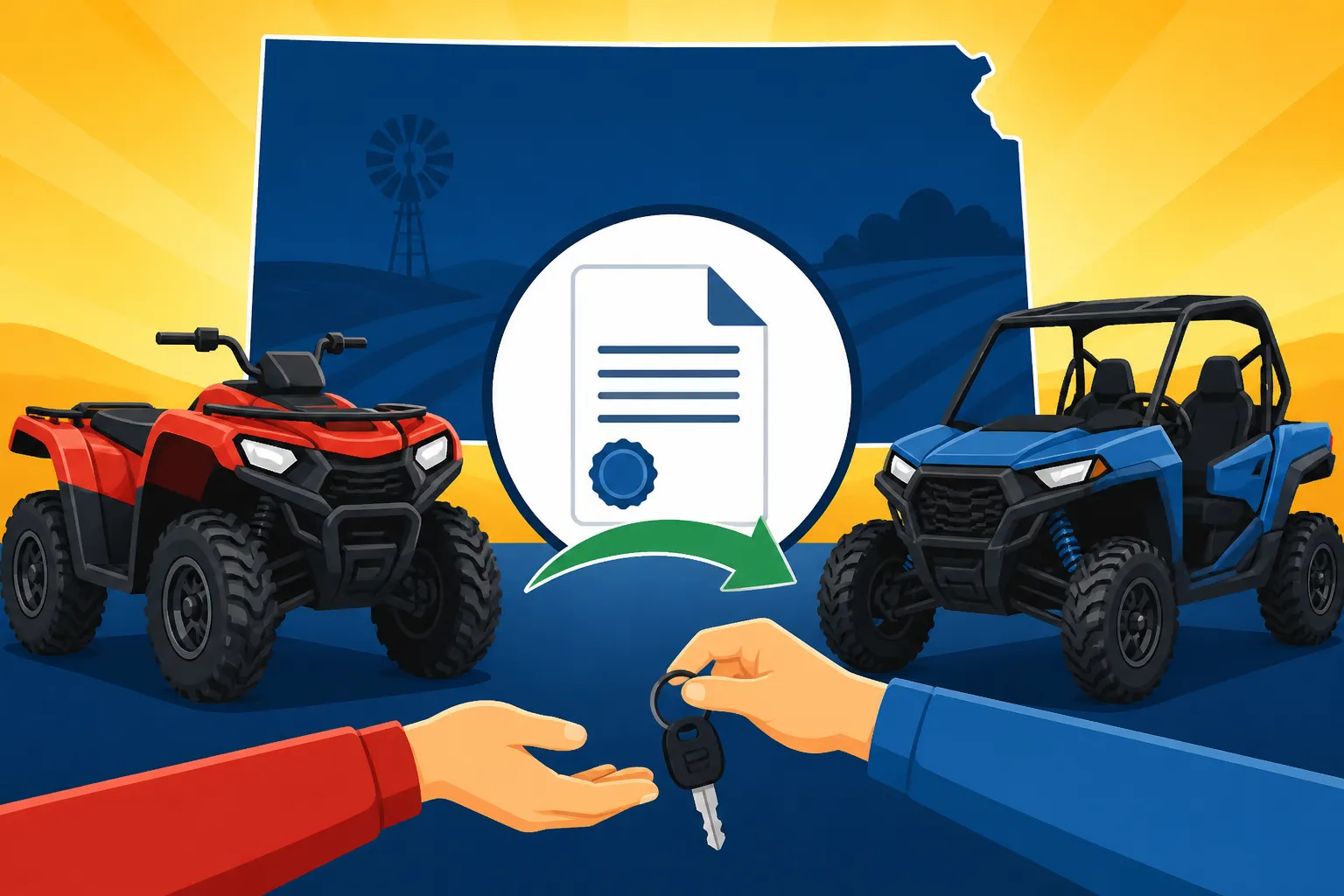
Many folks in Kansas buy or sell an ATV or UTV and then find themselves scratching their heads, wondering exactly how to get that title transferred correctly. It can feel like a maze of paperwork and deadlines, especially when you're just excited to get out and ride or when you've finally closed a deal on your machine. This guide is here to demystify the process of a Kansas title transfer after a sale, walking both buyers and sellers through each crucial step to ensure a smooth, legal, and frustration-free change of ownership.
Understanding the Kansas Nonhighway Title
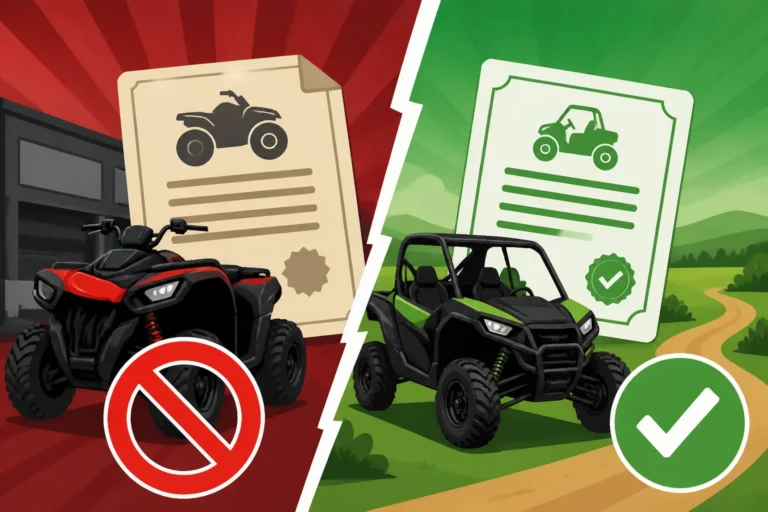
When you're dealing with ATVs, UTVs, dirt bikes, or even golf carts in Kansas, you're often not dealing with a standard vehicle title like you would for a car or truck. Instead, these machines are typically issued a "Nonhighway Vehicle Title." This distinction is really important because it sets the framework for how these machines are owned, bought, and sold within the state. Unlike a passenger car, your off-road machine isn't meant for sustained street use, and the title reflects that.
The core idea behind the [Kansas Nonhighway Title Explained] is pretty straightforward: it proves ownership without implying road legality or requiring annual registration tags. Many new owners, especially those new to the off-road world, are surprised to learn that [Kansas Has No OHV Registration] in the traditional sense. You won't be getting a license plate or an annual sticker for your quad like you would for your pickup. The title is the primary document of ownership, and transferring it properly is key to establishing your legal rights to the machine. Without a properly transferred title, you might find yourself in a bind if the machine is stolen, if you want to sell it later, or even if you just want to finance it. It’s the foundational piece of paper that secures your investment and enjoyment of the machine.
Think of it this way: the nonhighway title is like the deed to your property, proving you own it, even if that property isn't a house on a city street. It identifies the vehicle by its Vehicle Identification Number (VIN), lists the owner(s), and importantly, tracks any liens against the machine. Understanding this specific type of title is the first step to confidently navigating any sale or purchase.
The Seller's Responsibilities for a Smooth Transfer
As a seller in Kansas, you hold a lot of the power—and responsibility—to make the title transfer go smoothly for both you and your buyer. The last thing you want is a disgruntled buyer coming back to you weeks or months later because they can't get the machine titled in their name. A little diligence on your part can save a lot of headaches down the road. The process starts, quite simply, with the title itself.
Your primary duty is to provide a clear, properly assigned title to the buyer. This means taking your existing Kansas Nonhighway Vehicle Title, locating the "assignment of title" section on the back, and carefully filling it out. You'll need to accurately record the buyer's name and address, the sale date, and the selling price. Both you and the buyer will need to sign this section. Make sure your signature exactly matches the name printed on the front of the title. Any discrepancies could cause issues at the county treasurer’s office, leading to delays for the buyer. It’s also crucial to record the correct odometer reading, even though it's an off-road machine, as this is a standard requirement for title assignments in Kansas. For a more detailed look at what's needed, refer to [Kansas Title Paperwork Explained].
Beyond the title, a well-drafted bill of sale is your best friend. While a simple handwritten receipt might seem sufficient, a more comprehensive document protects both parties. A bill of sale should include:
- Full names and addresses of both seller and buyer.
- The date of the sale.
- A detailed description of the ATV/UTV, including make, model, year, and its full VIN.
- The agreed-upon sale price.
- A statement that the machine is being sold "as-is," if that's the agreement, which is common for private sales.
- Signatures of both seller and buyer.
You can find templates online from reputable sources like LawDepot for a robust bill of sale, ensuring all necessary details are covered. This document serves as undeniable proof of the transaction and can be critical if there's ever a dispute or if the buyer needs additional proof of purchase to complete their title application, especially if the original title is missing a detail or two. Remember, the goal is to make it as easy as possible for the new owner to follow the steps outlined in [Selling a Titled Machine in Kansas].
What the Buyer Needs to Do for a Kansas Title Transfer
Alright, you've found the perfect ATV or UTV, made the deal, and shaken hands with the seller. Now comes the crucial part: getting that title into your name. This isn't just a formality; it's how you legally establish ownership and protect yourself. The good news is that while it requires attention to detail, the process itself is straightforward once you know the steps. Your journey starts at your local county treasurer's office. [Kansas County Treasurers Handle Titles] for all types of vehicles, including nonhighway machines, so they are your destination, not a state-level office. In fact, [Title an ATV at the County Treasurer, Not the State].
Before you head to the treasurer's office, gather all your documents carefully. You'll need:
- The Assigned Title: This is the original Kansas Nonhighway Vehicle Title, properly filled out and signed by the previous owner, with your name and address in the buyer section.
- Bill of Sale: Even if the title is perfectly assigned, having a detailed bill of sale is always a smart move. It reinforces the terms of the sale and provides backup proof of purchase. Using a template from a service like LawDepot can help ensure you have all the necessary information. [Using a Handwritten Bill of Sale to Title a Quad] is usually acceptable, but completeness is key.
- Proof of Identification: Your valid Kansas driver's license or state-issued ID.
- Proof of Address: A utility bill, lease agreement, or other official document showing your current Kansas address.
Once you have everything in order, make a trip to your local county treasurer's office. You'll present your documents, pay the necessary fees, and they will process your application for a new title. [Kansas Charges $10 for a Title] for a nonhighway vehicle, which is a pretty small price for legal ownership. You'll also be responsible for paying Kansas sales tax at this time. [Kansas Sales Tax Collected at Titling] means you'll pay the state and any applicable local sales taxes directly to the treasurer's office based on the purchase price you listed on your bill of sale or title. Don't forget, [Kansas Gives You 60 Days to Apply] for your new title from the date of purchase. This 60-day window, also known as [Sixty Days From the Assignment Date], is important, as late penalties can apply if you miss it. Getting it done promptly protects you from these extra fees and ensures your ownership is official. It really is a simple process for [Buying From a Private Seller in Kansas] once you know what's needed.
Here's a quick checklist of what to bring:
| Document/Item | Description |
|---|---|
| Original Title | Properly assigned by seller, signed by both parties. |
| Bill of Sale | Detailed, signed by both seller and buyer. |
| Photo ID | Valid Kansas driver's license or state ID. |
| Proof of Address | Utility bill, lease, etc. |
| Payment for Fees | Cash, check, or card for title fee and sales tax. |
| Insurance (if applicable) | Required for some UTVs in cities with street-legal ordinances. |
Common Pitfalls and How to Avoid Them
Even with the best intentions, title transfers for ATVs and UTVs in Kansas can sometimes hit unexpected snags. Knowing these common pitfalls ahead of time can help you navigate them or, even better, avoid them altogether. The frustration of dealing with bureaucratic delays or unforeseen costs can quickly take the shine off your new machine, but a little preparation goes a long way.
One of the most frequent issues is a missing or incorrectly completed title. This often happens with private sales, especially if the seller isn't experienced with the process. Maybe a signature is missing, a name is misspelled, or the sale price isn't filled in. As a buyer, always inspect the title thoroughly before you hand over payment. Ensure all blanks are filled, signatures are present, and the VIN matches the machine. If the seller can't produce a title at all, or says they've "lost" it, proceed with extreme caution. Getting a new title in Kansas can be a hassle, often requiring the seller to apply for a duplicate, which adds time and might reveal underlying issues like liens you weren't aware of.
Another common headache involves exceeding the 60-day titling deadline. Life happens, and sometimes people put off that trip to the county treasurer. However, Kansas law is pretty clear on this: you have 60 days from the date of assignment to get the title transferred into your name. If you miss this window, you could face late penalties, which are an unnecessary added expense to your purchase. The best advice? Make that trip to the treasurer's office as soon as possible after the sale, ideally within a week or two, to avoid any last-minute rushes or forgotten appointments.
Sales tax issues can also crop up, especially if the bill of sale lists an unusually low price that might trigger suspicion. While there's nothing wrong with a good deal, if the declared value seems far below market rate without a clear explanation, the county treasurer's office might question it. Always be honest and realistic about the sale price to avoid potential audits or delays. Remember, the sales tax is collected by the county treasurer at the time of titling, so factor that into your immediate post-purchase budget.
Finally, relying on an incomplete or non-existent bill of sale can be a problem. As mentioned earlier, a bill of sale protects both parties. Without it, verifying the purchase price for sales tax, proving the date of sale for the 60-day deadline, or resolving any post-sale disputes becomes much harder. While [Using a Handwritten Bill of Sale to Title a Quad] is permissible, it needs to be comprehensive. Consider using a template from a service like LawDepot to ensure all the critical details are captured, making your transfer process as smooth as possible. Don't let a small oversight turn into a major headache; take the time to get the paperwork right from the start.
Disclaimer
This article is for general informational purposes only and does not constitute professional advice. Laws, prices and regulations vary by location and change over time. Consult a qualified professional for guidance on your specific situation.