Kansas Rules for a Visiting Oklahoma Rider
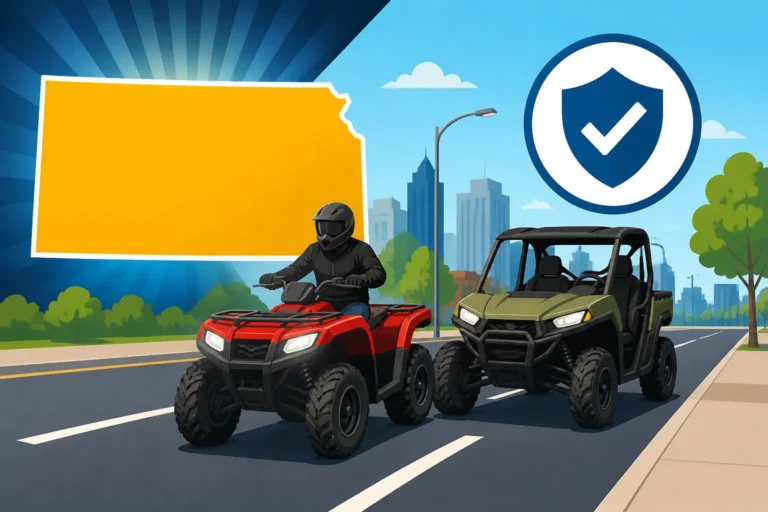
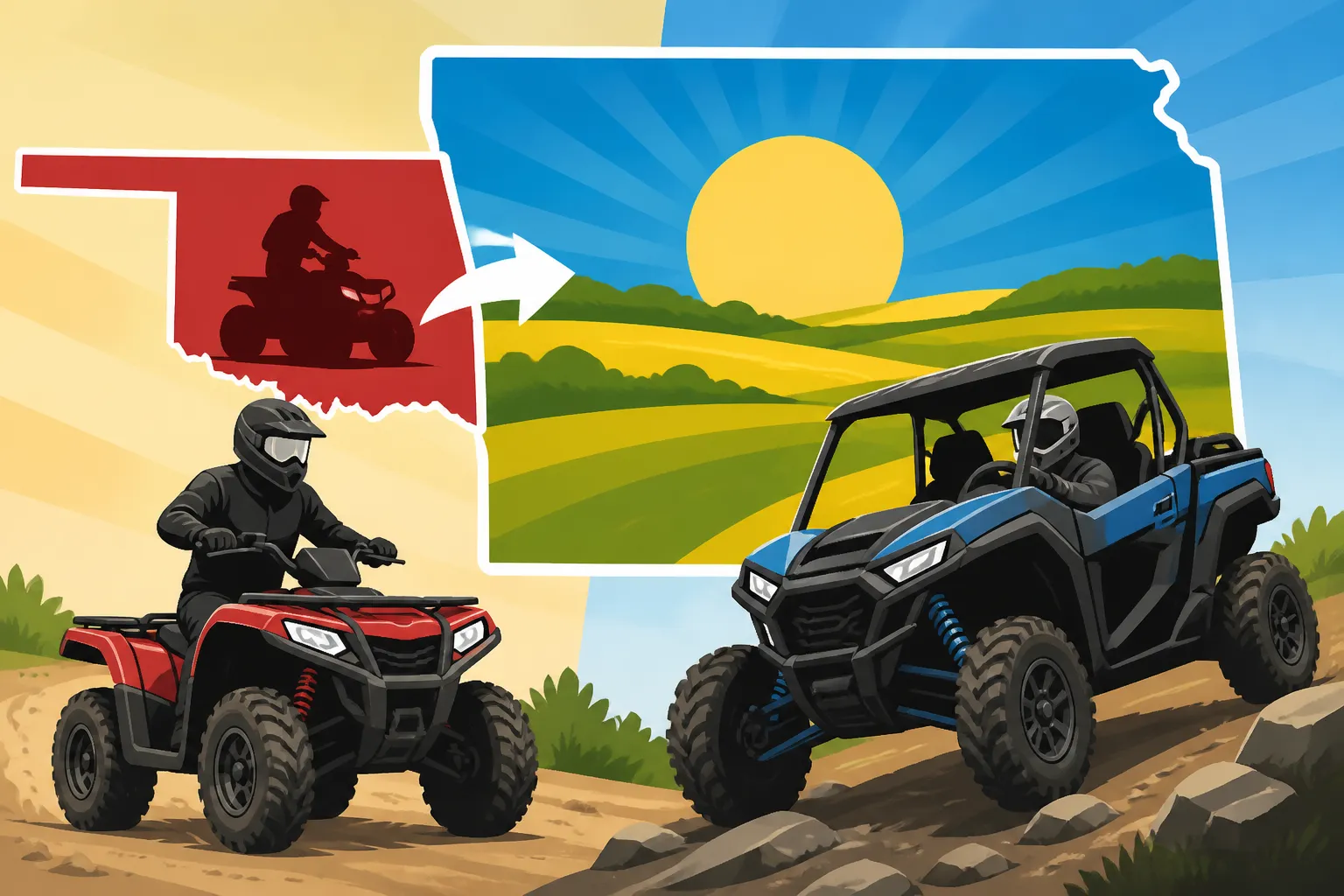
Heading out for some off-road adventures in the Sunflower State with your ATV or UTV can be a fantastic experience, but if you're coming from Oklahoma, you might be in for a few surprises. What’s perfectly legal in Oklahoma often isn't the case just across the border in Kansas, and navigating these differences can feel like trying to read a map printed in a foreign language. This guide is specifically designed to help Oklahoma riders understand the unique landscape of Kansas off-road vehicle laws, ensuring your visit is filled with fun, not fines.
Understanding Kansas's Unique Off-Road Vehicle Philosophy
Kansas operates with a distinct philosophy when it comes to ATVs and UTVs, one that often catches out-of-state visitors, especially those from neighboring Oklahoma. Your first step to a hassle-free visit is to understand these fundamental differences. Ignoring them can lead to confusion, frustration, and unwanted attention from local law enforcement.
Kansas's Distinct Approach to ATV/UTV Classification
Unlike some states that might have broad categories or even specific OHV registrations that cover a wide range of machines, Kansas breaks down these vehicles into several distinct classes. These classifications directly impact how they are treated on and off roads, as well as what paperwork is required. For instance, a side-by-side might be classified as a "Work-Site Utility Vehicle" if it meets certain width and weight requirements, which then unlocks a very specific set of rules for limited road use that is quite different from a standard ATV. It's crucial for an Oklahoma rider, accustomed to their state's categorization, to grasp these nuances. The very definition of your machine can change the rules you need to follow, and understanding [How Kansas Law Defines a Nonhighway Vehicle] is a key starting point. This classification dictates everything from titling to potential road permissions in certain limited scenarios.
No Statewide OHV Registration or Annual Tag Fees
This is perhaps the biggest head-scratcher for many visitors, especially those from Oklahoma where annual tags and registration stickers are a familiar sight on their machines. Kansas does not require a statewide registration for ATVs or UTVs, nor does it charge an annual tag fee. This isn't a loophole or a free pass; it simply means that the state doesn't track these machines through a traditional registration system similar to what you'd find for cars or even in some other OHV-friendly states. While it might sound liberating, this lack of registration means you won't have a visible license plate or sticker that signifies state permission to ride on public lands or roads, which often leads to confusion. You can learn more about this in [Kansas Has No OHV Registration] and understand why [Kansas Has No Annual Tag Fee] might be misleading if you assume it means no rules at all.
The Importance of a Kansas Nonhighway Title
Even without a statewide registration or annual tag, Kansas does require most ATVs and UTVs to be titled as "Nonhighway Vehicles." This is a crucial piece of paperwork that establishes ownership, and it’s a concept that can be a bit foreign if you’re used to a different system back home. While an Oklahoma resident isn't expected to get a Kansas nonhighway title just for a visit, understanding its existence provides important context for how Kansas manages its off-road vehicles. If you ever consider purchasing a machine in Kansas, or if you were to move here, you'd quickly become familiar with the process of getting [Kansas's Nonhighway Title Explained]. For a visiting rider, your Oklahoma title or proof of ownership remains vital, as you’ll need it to prove your machine isn’t stolen, especially if you encounter law enforcement or participate in organized rides.
Navigating Kansas Road Rules as an Out-of-State Rider
When you're riding in Kansas, especially on or near public roads, it's critical to understand that the rules are generally quite strict. This is often where Oklahoma riders, used to more relaxed laws in certain areas of their home state, can run into trouble. The presumption in Kansas is that your off-road machine belongs off-road.
The General Rule: Off-Road Means Off-Road
Let's cut right to it: in Kansas, your ATV or UTV is generally not street legal by default. This is a fundamental principle that every rider needs to internalize. Many riders make the mistake of assuming that because a road is gravel or in a rural area, it's fair game for their off-road vehicle. This assumption is incorrect and can lead to serious consequences, including fines and potential impoundment of your machine. The overarching statute [Kansas ATV Road Rules Under 8-15,100] establishes a general ban on operating these vehicles on public streets, roads, and highways. This applies equally to residents and visitors alike; your Oklahoma plates don't grant you special privileges on Kansas roadways. You need to always assume that public roads are off-limits unless explicitly stated otherwise by specific, local ordinances.
Limited Exceptions: Farm Use and Highway Crossings
While the general rule is "no roads," Kansas law does provide a few very specific, narrow exceptions. These are not broad permissions for recreational riding, but rather carefully defined scenarios. For instance, farmers may be permitted to use their ATVs or UTVs on public roads for agricultural purposes. This [Kansas Agricultural Trips on a 65 mph Road] exception is not a blanket authorization; it's tied directly to the pursuit of farming or ranching activities, and there are still conditions about lighting and moving as far to the right as practicable. It’s also generally permissible to cross a state highway at a perpendicular angle, provided you do so safely and quickly. This means [Crossing a State Highway Is Always Legal] for direct transit, but not for riding along the highway. These exceptions are critical for those who rely on their machines for work but offer little leeway for purely recreational road use.
The Nuance of City Ordinances: Where Local Rules Trump State Law
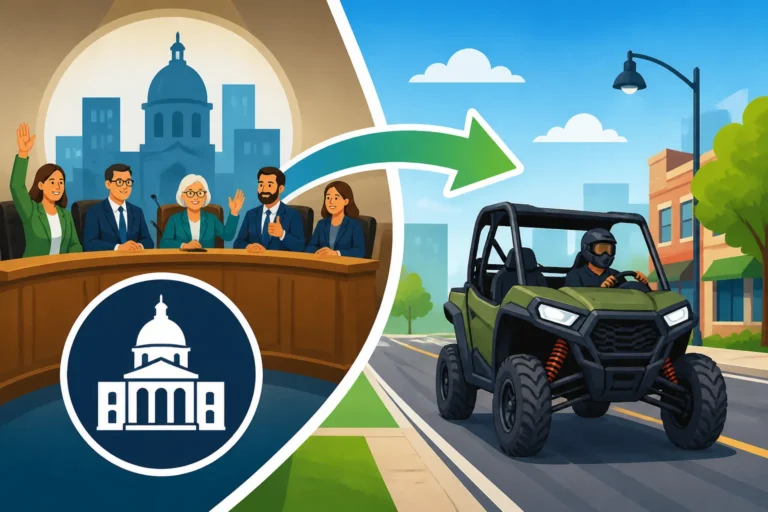
Here's where things get really convoluted for anyone trying to understand Kansas's road rules: while state law largely bans ATVs and UTVs from public roads, Kansas allows individual cities to pass their own ordinances to permit the use of UTVs on city streets. This means that whether you can legally ride your UTV on a city street depends entirely on the specific city you're in. What's perfectly fine in a town like Louisburg (which has its own UTV tag system) could be strictly prohibited just a few miles down the road in another community. As a visiting rider, this means you must do your homework. Before you even consider riding your UTV on a city street, you need to check the local municipal code for [Kansas Cities That Authorize ATV Street Use]. Ignorance of these local laws is no excuse, and police in these towns are generally well-versed in their specific ordinances.
Essential Gear and Safe Riding Practices for Oklahoma Visitors
Beyond the legal framework, preparing your machine and knowing basic safety practices are crucial for a safe and enjoyable trip. Kansas's diverse terrain, from dusty plains to rocky trails, demands thoughtful preparation.
Basic Safety Gear: Helmets, Eye Protection, and Passengers
Safety should always be your top priority. While the question of [Does Kansas Have an ATV Helmet Law at All?] might come up, the answer is usually "yes" for riders under a certain age (often 18) and certainly always a good idea for everyone. Even if Kansas law doesn't mandate a helmet for adults on a particular type of machine in a specific scenario, wearing one dramatically reduces the risk of serious injury. Eye protection is also highly recommended, especially on dusty gravel roads or trails where debris can easily kick up. Furthermore, Kansas has rules regarding passengers. Generally, ATVs are designed for one rider unless specifically manufactured for more, and carrying extra passengers can be dangerous and illegal. UTVs are designed for multiple passengers, but you must adhere to the manufacturer's seating capacity. Always match your child to the right machine size and ensure they are supervised according to [Kansas Rules for a Teen Rider] or [Kansas Rules for a Child Passenger].
Machine Equipment: Lights, Brakes, and Spark Arresters
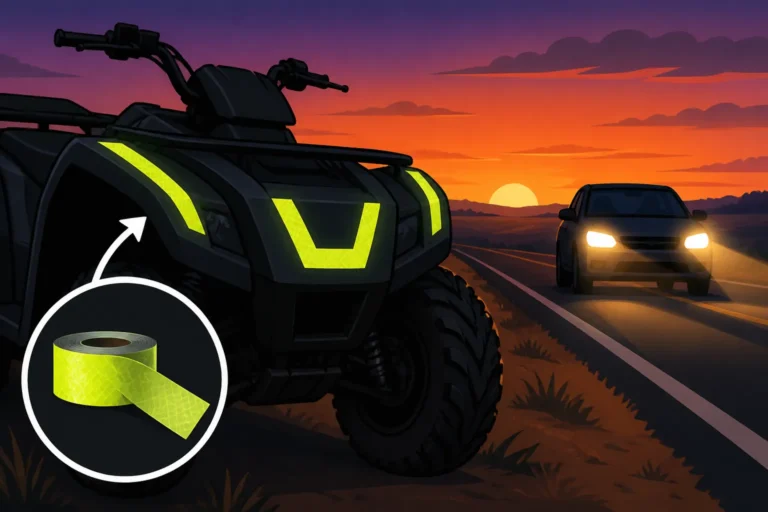
Your machine itself needs to meet certain basic equipment standards, both for safety and for compliance with park rules or limited road use exceptions. Functional headlights, taillights, and brake lights are paramount, especially if you plan on riding anywhere near dawn or dusk, or in areas where visibility might be reduced. [Kansas Lighting Requirements on a Machine] are specific, and if you’re considering any modifications or add-ons, look to reputable brands like SuperATV for quality lighting solutions that meet or exceed these standards. A reliable braking system is non-negotiable. Additionally, for riding in most public or private off-road parks, a U.S. Forest Service-approved spark arrester is almost universally required to prevent wildfires. Neglecting these basics isn't just dangerous; it can get you turned away from a riding area or cited by law enforcement.
Proof of Ownership and Permission to Ride
Always, always carry proof of ownership for your ATV or UTV. This means your Oklahoma title or registration. This documentation confirms you are the legal owner of the machine. If you're pulled over or encounter a deputy in a rural area, they might ask to see it. Knowing [What a County Sheriff Can Ask a Rider to Show] can prevent an awkward situation. If you plan to ride on private land – which is a very common scenario in Kansas – you absolutely must have explicit permission from the landowner. It’s best to get this permission in writing, especially if you're exploring areas like [Kansas Rules for Riding a Section Line] that might border or cross private property. Trespassing is a serious offense, and landowners in Kansas are generally protective of their property rights. Having that piece of paper in your pocket can save a lot of grief.
Where to Actually Ride Your ATV/UTV in Kansas
So, with all these rules, where can an Oklahoma rider actually enjoy their ATV or UTV in Kansas? The good news is, there are some fantastic options, provided you know where to look and respect the specific regulations of each area.
Dedicated Public Off-Road Riding Areas
While Kansas might not have the extensive state-managed trail systems found in some other states, it does offer some excellent public riding opportunities. The U.S. Army Corps of Engineers manages a few areas that are open to off-road vehicles. Tuttle Creek ORV Area in Kansas, located near Manhattan, is a popular spot with diverse terrain. Another great option is School Creek ORV Area in Kansas, near Milford Lake. For those who love dune riding, the Syracuse Sand Dunes Park in Kansas in western Kansas offers vast acres of sandy terrain. Each of these public areas will have its own specific rules regarding hours, permits, and machine requirements, so always check ahead before you load up and head out.
Private Parks and Designated Off-Road Trails
For a more structured and often challenging riding experience, Kansas boasts several private off-road parks. Kansas Rocks Recreation Park, for instance, located near Mapleton, offers a wide array of trails from beginner-friendly paths to extreme rock crawling sections. These private parks typically charge a day-use or annual fee and have their own comprehensive set of rules regarding safety gear, machine modifications, and conduct. They are often excellent places to ride because they are designed for off-road fun and regularly maintained. Many riders look to aftermarket accessory companies like SuperATV for upgrades like lift kits, larger tires, or reinforced suspension components that are ideal for tackling the varied obstacles found at these private parks, making their ride more capable and enjoyable.
Landowner Permission: The Golden Rule
Perhaps the most common and accessible way to ride an ATV or UTV in Kansas, especially for local residents, is on private land with the owner's permission. Kansas is an agricultural state, and many farms and ranches have vast open spaces, trails, and pastures that are perfect for off-road use. However, this is never an implied right. You must secure explicit permission from the landowner before riding on their property. This often requires a conversation, perhaps a handshake, and ideally, some form of written agreement. Respecting private property and the landowners who grant you access is paramount to ensuring future riding opportunities for everyone. Never assume that open gates or unposted land means free access; always ask first.
Kansas vs. Oklahoma: Key Off-Road Vehicle Differences
To help visualize some of these critical distinctions, here’s a quick comparison of general approaches between Kansas and Oklahoma:
| Feature | Kansas (General Rules) | Oklahoma (General Rules) |
|---|---|---|
| Statewide OHV Registration | No (Nonhighway Title required for ownership) | Yes (Annual registration often required for state-managed areas) |
| Annual Tag/Plate | No | Yes (Annual OHV decals/tags) |
| Default Road Legality | Generally Banned (State highways, county roads, city streets) | Generally Banned, but some county roads and specific areas permit |
| Title Requirement | Yes (Nonhighway Title for most ATVs/UTVs) | Yes (For most ATVs/UTVs) |
| Helmet Law (Under 18) | Yes (Typically for riders under 18) | Yes (Riders and passengers under 18) |
| City Ordinance Power | Yes (Cities can opt-in to allow UTVs on streets) | Yes (Some municipalities have specific ordinances) |
| Public Riding Areas | Corps of Engineers, Syracuse Dunes, Private Parks | State OHV Areas, Sand Dunes, Private Parks |
This table highlights some of the key differences you, as an Oklahoma rider, should be aware of when planning your Kansas adventure. The most significant takeaway is the lack of statewide registration and the heavy reliance on local city ordinances for road access in Kansas. If you're unsure about specific rules in an area, local county treasurer offices or city halls can often provide clarity regarding local ordinances or titling questions like [Kansas Title Questions Treasurers Hear]. And remember, maintaining your machine with reliable parts from companies like SuperATV ensures it's ready for whatever the Kansas terrain throws at you, whether it's the sand of Syracuse or the rocks of Mapleton.
Disclaimer
This article is for general informational purposes only and does not constitute professional advice. Laws, prices and regulations vary by location and change over time. Consult a qualified professional for guidance on your specific situation.