Kansas Title for a Feedlot Machine
When you operate a feedlot here in Kansas, you're juggling a hundred different things every single day. The last thing you need is confusion about the legalities of the ATVs and UTVs that are essential to your operation. Getting the proper title for that workhorse machine – whether it's a quad zipping across pens or a side-by-side hauling feed – can feel like a maze, especially with all the talk about nonhighway vehicles and registration exemptions. This guide is here to cut through the noise, walking you through the specific requirements and straightforward process for titling your feedlot machine in the Sunflower State, so you can focus on what really matters.
Understanding the Feedlot Machine in Kansas Law
For many Kansas feedlot owners, their ATVs and UTVs are strictly tools for the job. These machines rarely, if ever, see public roads beyond a quick crossing or a necessary trip to another part of the property. This distinct usage is precisely what Kansas law considers when classifying and titling these vehicles. It's not about recreation; it's about dedicated work within a specific operational boundary.
What Defines a "Feedlot Machine" for Titling Purposes?
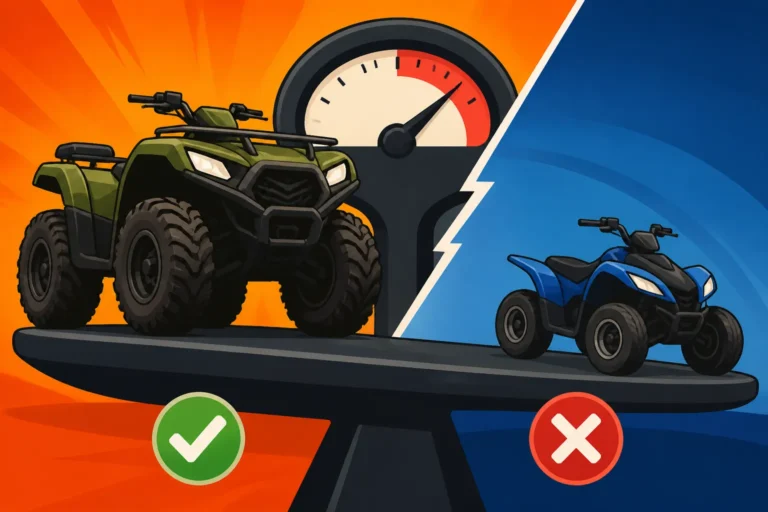
In the eyes of Kansas law, a "feedlot machine" isn't a special category of vehicle itself. Instead, its classification depends entirely on its design and how you use it. Most ATVs and UTVs used exclusively on private property, like a feedlot, typically fall under the umbrella of "nonhighway vehicles." This broad classification is crucial because it dictates the titling and registration requirements. The law focuses on the primary purpose of the machine. If your quad is primarily moving feed, checking fences, or tending to livestock within the confines of your feedlot, it's generally considered a nonhighway vehicle. This distinction is vital because it determines whether you'll even need a title in the first place, or if it might be considered a work-site utility vehicle (WSUV), which has its own unique set of definitions and rules. The good news is, for most typical feedlot operations, the "nonhighway vehicle" definition fits like a glove.
It's common for owners to scratch their heads over whether their UTV, which might be beefier than a standard ATV, might be treated differently. However, if its primary role is confined to the feedlot, moving through muddy pens, or carrying supplies to different areas of the ranch, it still usually aligns with the nonhighway vehicle concept. The core idea is that these machines are not built or intended for continuous use on public highways, and their design often reflects that.
Why a Nonhighway Title is Usually the Answer
For your average feedlot ATV or UTV, a nonhighway title is almost always the correct path. Kansas law specifically recognizes that many off-road vehicles are not designed or used for street travel. The primary benefit of a nonhighway title is that it establishes legal ownership of your machine without subjecting it to the same annual registration and tag fees that road-legal vehicles face. This saves feedlot operators money and eliminates the hassle of annual renewals for a machine that never leaves the property. You're establishing clear proof of ownership, which is crucial for resale, insurance, or in case of theft, without the burden of road-use regulations. You'll find that [Kansas Titles ATVs as Nonhighway Vehicles] and [Why an ATV Is Titled as a Nonhighway Vehicle] elaborate on this distinction.
Furthermore, a significant relief for feedlot owners is understanding that [Kansas Has No OHV Registration]. This means that once your machine has a nonhighway title, you don't need to worry about annual tags or stickers for off-road use, which is a stark contrast to how cars and trucks are handled. This exemption simplifies the ownership process considerably, allowing you to focus on the day-to-day work rather than bureaucratic renewals. The nonhighway title acts as your official proof of ownership, which is exactly what you need for a machine that's an integral part of your business but stays off the paved roads.
The Specific Requirements for Titling Your Feedlot Machine
Getting your feedlot machine titled isn't overly complicated, but it does require attention to detail and the right paperwork. The process is handled locally, at your county treasurer's office, making it relatively accessible. Knowing what to bring and what to expect regarding costs will smooth the entire experience.
Essential Documents You'll Need at the County Treasurer's Office
When you head to your local county treasurer's office, you'll need to have a few key documents in hand. For a new machine purchased from a dealer, the most important piece of paper is the Manufacturer's Certificate of Origin (MCO). This document is essentially the birth certificate for your machine and proves it's never been titled before. If you're buying a used machine, you'll need the previous owner's properly assigned title. This is where things can sometimes get tricky, especially if you're buying from a private seller on short notice. A properly filled-out bill of sale is also crucial, whether new or used, detailing the purchase price, VIN, and buyer/seller information. Resources like LawDepot offer excellent templates for bills of sale that can ensure you have all the necessary information. You'll also need proof of identity, such as a driver's license, and payment for the title fee and sales tax. For a comprehensive overview, checking out [Kansas Title Paperwork Explained] can be very helpful. Remember, it's always the [Kansas County Treasurers Handle Titles], so you'll be dealing with local officials who are familiar with these transactions.
Here’s a quick rundown of the common documents you'll need:
| Document Type | New Machine (Dealer Purchase) | Used Machine (Private Purchase) |
|---|---|---|
| Proof of Ownership | Manufacturer's Certificate of Origin (MCO) | Previous Owner's Signed-Off Title |
| Proof of Purchase | Dealer Invoice & Bill of Sale | Bill of Sale (recommended from LawDepot) |
| Identification | Valid Kansas Driver's License or ID | Valid Kansas Driver's License or ID |
| Payment | Title Fee + Sales Tax | Title Fee + Sales Tax |
| Vehicle Information | Vehicle Identification Number (VIN) | Vehicle Identification Number (VIN) |
| Lien Information (if any) | Financing documents from lender | Release of lien (if applicable) |
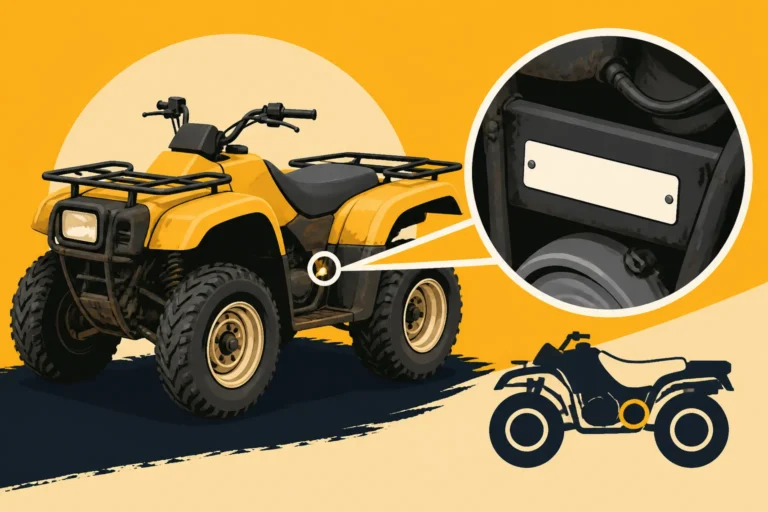
Making sure the VIN on your paperwork matches the VIN on the machine itself is absolutely critical. Any discrepancies can cause significant delays. Double-check this before you even leave the seller, or before you sign the dealer invoice. Getting this right on the front end will save you headaches down the road when you're at the treasurer's counter.
Navigating the Sales Tax and Fees for a Feedlot Machine
Even for a workhorse feedlot machine, sales tax is a reality in Kansas. The state collects sales tax on the purchase price of your ATV or UTV, and this is typically done at the same time you apply for your title at the county treasurer's office. This applies whether you bought it new from a dealer or used from a neighbor. The amount of sales tax you'll pay is a combination of the state sales tax rate and any applicable local (county and city) sales tax rates where you reside, or where the machine will primarily be kept. While I can't give you current percentages, be aware that these combined rates can vary, so it's wise to budget for this amount based on your location. [Kansas Sales Tax Collected at Titling] outlines this process in detail.
Beyond sales tax, the actual title fee for a nonhighway vehicle is quite modest. Kansas charges a flat fee for the title itself, which is a welcome relief compared to the larger sums you might spend on the machine. This single fee covers the administrative cost of issuing your official ownership document. Unlike road-legal vehicles, there are no annual tag fees or registration renewals for nonhighway titles. So, after you pay the initial title fee and sales tax, your ongoing costs for official paperwork are essentially zero. For specific cost details, you can refer to [Kansas Charges $10 for a Title] and [Kansas ATV Title Cost], which clarify these low, one-time fees. Budgeting for these upfront costs is a smart move, ensuring a smooth and complete transaction at the treasurer's office.
The Titling Process: Step-by-Step for Feedlot Owners
Navigating the title process for your feedlot machine doesn't have to be daunting. With the right information and a bit of preparation, you can get it done efficiently. The key is understanding the timeline and knowing what steps to take, especially if you encounter a snag with missing paperwork.
From Purchase to the Treasurer's Window
Once you've acquired your ATV or UTV for the feedlot, the clock starts ticking. Kansas law gives you a specific window – usually 60 days from the date of purchase or assignment of the title – to apply for your new title. Missing this deadline can sometimes result in late filing penalties, which is just another headache you don't need when you're busy running a feedlot. Therefore, it's always best to get to the county treasurer's office as soon as you have all your necessary documents in order. [Kansas Gives You 60 Days to Apply] and [Sixty Days From the Assignment Date] reinforce this important timeline.
You should apply for the title at the county treasurer's office in the county where the machine will be "garaged" or primarily kept and used. For most feedlot owners, this will be the county where your operations are based. Before you make the trip, it’s always a good idea to call your specific county treasurer's office. They can confirm their operating hours, any specific local requirements, and ensure you have absolutely everything you need. This proactive step can save you a wasted trip and get your machine titled without unnecessary delays. Remember, [Titling in the County Where You Keep the Machine] is the general rule of thumb.
What to Do If You've Lost Important Paperwork
It's a common scenario: you bought a used machine, perhaps from a private sale, and the previous owner can't find the old title, or maybe you've misplaced your MCO for a new purchase. Don't panic! While it adds a layer to the process, it's usually solvable. If you've purchased a machine and don't have a formal title or MCO, but you do have a bill of sale, you might be able to use a Nonhighway Affidavit. This form essentially allows you to swear under oath that you are the rightful owner and explain why the original title document is unavailable. This is often the case for older machines or those that have been passed down through family. [Kansas Nonhighway Affidavits] provides more information on this option. Organizations like LawDepot can also provide affidavit forms that you can use to help formalize this process.
If the previous owner lost their title, they should ideally apply for a duplicate title before selling the machine to you. If that's not possible, working with an affidavit might be your best bet, but be prepared for the treasurer's office to potentially ask for additional supporting evidence, such as photographs of the VIN or previous registration documents if they exist. For situations where you purchased without a proper bill of sale, or the paperwork is truly nonexistent, understanding [Kansas Title Without a Bill of Sale] can offer guidance, though it often involves more hurdles. If you lose your own nonhighway title after it's been issued, applying for a duplicate is straightforward and can be done at your county treasurer's office, as detailed in [Replacing a Lost Kansas Nonhighway Title]. While losing paperwork is a hassle, there are avenues available to ensure your feedlot machine eventually gets its proper title.
Disclaimer
This article is for general informational purposes only and does not constitute professional advice. Laws, prices and regulations vary by location and change over time. Consult a qualified professional for guidance on your specific situation.