Titling a Side-by-Side in Kansas
Trying to figure out how to title your shiny new (or new-to-you) side-by-side in Kansas can feel like navigating a maze blindfolded. You've just invested in a fantastic machine, ready for farm work, hunting trips, or trail adventures, only to hit a wall of paperwork and legal jargon at the county treasurer's office. This comprehensive guide is here to untangle the process, explain what Kansas law really says about your UTV, and walk you through every step to get that essential title in your hand, stress-free.
Understanding Kansas's Approach to Off-Road Vehicle Titling
It’s easy to assume that if a machine isn't street-legal, it doesn't need a title. In Kansas, that assumption can lead to a lot of headaches down the road, especially when you go to sell your side-by-side or if you ever need to prove ownership. The Sunflower State has a specific way of categorizing these vehicles, and understanding that is the first crucial step in the titling process.
Many people get confused because they hear that ATVs and UTVs don't require traditional "registration" like a car or truck, which implies a lack of formal oversight. While it's true that [Kansas Has No OHV Registration] in the sense of an annual tag or license plate for general off-road use, it absolutely does require a title. This title acts as your official proof of ownership, a vital document for any major asset. Without it, buying or selling your machine becomes incredibly difficult and risky, and you could run into issues if your side-by-side is ever stolen or involved in an accident.
The state wants to ensure that every significant motorized vehicle has a clear chain of ownership, regardless of whether it's driven on public roads. This isn't about making your life harder; it's about consumer protection and preventing theft. Think of it like titling a boat or an airplane – you don't typically "register" them for daily road use, but you certainly need a title to prove you own them.
Why a Side-by-Side Needs a Title in Kansas
The primary reason your side-by-side needs a title in Kansas, even if it's never going to see asphalt, is quite simply proof of ownership. This isn't just a suggestion; it's a legal requirement. When you purchase a new side-by-side from a dealer, they'll often guide you through the process, but if you buy privately, the responsibility falls squarely on your shoulders. Without a valid title in your name, you don't legally own the machine in the eyes of the state.
Imagine purchasing a used side-by-side with cash, only to find out later that the seller didn't have a clear title or that the machine was reported stolen years ago. Without a proper title transfer, you could lose your investment and even face legal trouble for possessing stolen property, however unknowingly. The title provides that critical link in the chain of ownership, tracing the machine from the manufacturer through every subsequent owner. It protects both the buyer and the seller in any transaction.
Furthermore, if you ever need to finance a side-by-side, lenders will absolutely require a title as collateral. They need to be listed as a lienholder to secure their investment. Insurance companies also prefer clear title records when processing claims for theft or damage. It's the foundational document that establishes legitimate possession, making it indispensable for any responsible side-by-side owner in Kansas.
The "Nonhighway Vehicle" Classification for Side-by-Sides
Kansas law broadly categorizes ATVs and side-by-sides under the umbrella of "nonhighway vehicles." This designation is key to understanding the titling process and why it differs from passenger cars. A nonhighway vehicle, as the name suggests, is generally not designed or approved for operation on public roadways. This distinct classification helps delineate their legal status and intended use.
When you title your side-by-side, it will receive a [Kansas's Nonhighway Title Explained]. This specific type of title confirms your ownership but explicitly states that the machine is not intended for regular road use. It prevents confusion and ensures that owners understand the limitations of their vehicle. While it might seem like just another bureaucratic label, it's a crucial distinction that influences everything from where you can legally ride to what equipment your machine needs (or doesn't need).
The nonhighway vehicle classification impacts what you'll find on the title document itself. Unlike a car title that might list gross vehicle weight or highway-specific certifications, a nonhighway title focuses on identification: VIN, make, model, and owner information. It does not lead to a license plate or annual registration stickers, reinforcing the idea that these machines are for off-road adventures, not daily commutes. This clear legal framework, though sometimes perplexing, aims to ensure clarity for all parties involved in the ownership and use of these popular machines.
Identifying Your Side-by-Side's Classification for Titling
Not all side-by-sides are created equal in the eyes of Kansas law. While most will fall under the general "nonhighway vehicle" umbrella, there are nuances and specific classifications that can affect your titling process. Understanding where your particular machine fits is crucial to avoid delays and ensure you complete the correct paperwork. It’s not just about saying "it's a side-by-side"; it's about understanding the specific legal definitions.
The state has developed categories to distinguish between various types of off-road machines based on their design, dimensions, and intended primary use. For example, a compact, sub-800-pound UTV might be treated differently than a heavier, wider utility model designed for a construction site. While the end goal is always a nonhighway title, the path to get there, and the specific forms or information you provide, can vary slightly depending on your machine's category. This ensures that the state's records accurately reflect the vehicle's characteristics and potential uses.
Many owners find this part confusing because their machine might appear to fit several descriptions. However, there are usually very clear lines drawn in the statutes. Taking a moment to identify your machine's exact classification will save you a lot of time and frustration when you get to the county treasurer’s office, ensuring you have all the necessary details and can answer any questions quickly and accurately.
The Standard Nonhighway Vehicle
For most side-by-side owners in Kansas, your machine will simply be classified as a standard "nonhighway vehicle." This category generally includes utility terrain vehicles (UTVs) that are primarily designed for off-road recreation, agricultural work, or general utility tasks, but do not meet the specific criteria for other special classifications like Work-Site Utility Vehicles (WSUVs), golf carts, or micro utility trucks.
These machines typically feature side-by-side seating, a steering wheel, and four or more nonhighway tires. They are often equipped with cargo beds, hitches, and roll-over protection structures, making them incredibly versatile for a wide range of tasks outside of public roads. The key here is their fundamental design and purpose: they are built for environments where traditional road vehicles cannot or should not operate. If your side-by-side doesn't have an enclosed cab, isn't overtly designed for highway speeds, and isn't specifically engineered for a very narrow work-site purpose (which we'll cover next), chances are it's a standard nonhighway vehicle.
The titling process for a standard nonhighway vehicle is straightforward, requiring proof of ownership (like a Manufacturer's Certificate of Origin for new machines or a properly assigned title for used ones), a bill of sale, and payment of the applicable title fee and sales tax. The goal is to establish your legal ownership without implying any road-legal status. This is the most common classification you’ll encounter when dealing with the county treasurer’s office for your UTV.
Work-Site Utility Vehicles (WSUVs) and Their Specifics
Now, here's where things can get a bit more specific for some side-by-side owners: the Work-Site Utility Vehicle (WSUV) classification. Kansas law has a unique category for these machines, designed to address their specific use on construction sites, industrial campuses, and other limited-access work environments. If your side-by-side fits this definition, it will still receive a nonhighway title, but its classification carries specific implications.
A machine qualifies as a WSUV if it meets particular dimensional and weight requirements. Specifically, it must be 48 inches or less in width, and weigh more than 800 pounds unladen (empty). These machines are designed for very specific work purposes, often at slower speeds, and are intended to carry tools, equipment, or personnel within a defined work area. This classification allows for certain limited road use permits in some municipalities, distinct from a general side-by-side, but it still doesn't make it a highway-legal vehicle. For more on this, you can check out [Kansas Work-Site Utility Vehicles Explained] or [What Makes a Side-by-Side a Work-Site Utility Vehicle]. You might also want to read up on [Kansas WSUV Width of 48 Inches] and [Kansas WSUV Weight Over 800 Pounds].
It's important to measure your machine carefully if you suspect it might be a WSUV. Many smaller, compact utility UTVs could potentially fall into this category, but larger, sportier side-by-sides typically exceed the 48-inch width limit. If your machine meets the WSUV criteria, ensure you communicate this clearly at the county treasurer's office, as it can affect how the title is processed and any potential local ordinances that might apply to its operation within a specific city or county. Getting this classification right from the start can prevent future misunderstandings about your machine's capabilities and legal usage.
Other Potential Classifications (Golf Carts, Micro Utility Trucks)
While most side-by-sides will be classified as either a standard nonhighway vehicle or a WSUV, it's worth briefly mentioning a couple of other categories that some people might mistakenly associate with UTVs: golf carts and micro utility trucks. These classifications have their own specific definitions and titling requirements in Kansas, and it's important to understand why most modern side-by-sides don't fit into them.
Golf carts are generally defined by their design for use on a golf course, often with limited speed capabilities (typically under 20 mph) and often electric power. While some side-by-sides might be used on golf courses, their robust construction, higher speeds, and greater utility distinguish them from true golf carts. A side-by-side with its more powerful engine and rugged suspension is typically far beyond what the state considers a golf cart. You wouldn't title your Kawasaki Mule or Polaris Ranger as a golf cart in Kansas, for instance, even if you sometimes drive it from the clubhouse to the first tee.
Micro utility trucks are another unique classification in Kansas, generally referring to very small, low-speed vehicles that resemble miniature pickup trucks, often imported from Japan or other countries. These vehicles have specific equipment requirements and are sometimes designed for limited on-road use under strict conditions. Again, a typical side-by-side, with its open-air design, off-road focused suspension, and often higher speeds, does not align with the definition of a micro utility truck. It's really about the manufacturer's original intent and the vehicle's inherent design. Understanding [How Kansas Law Defines a Nonhighway Vehicle] helps clarify these distinctions.
The Titling Process for a New Side-by-Side in Kansas
Buying a brand-new side-by-side is an exciting experience! You've likely spent weeks, if not months, researching models, visiting dealerships, and picturing yourself out on the trails or tackling tasks around your property. Once the deal is done and you've taken delivery, the next crucial step is getting that machine properly titled in your name. This process for new machines is generally quite streamlined, thanks to the dealership's involvement, but it's still essential for you to understand your responsibilities.
For new machines, the dealership often handles a significant portion of the initial paperwork. They'll collect sales tax, issue a temporary tag (if applicable for transport), and provide you with the critical documents needed for titling. However, the final trip to the county treasurer's office to formally register the title in your name is usually up to you. Don't delay this step; there are deadlines involved, and missing them can lead to penalties.
Knowing exactly what documents to bring and what to expect will make the visit to the treasurer's office much smoother. It's all about preparation and ensuring that every piece of information is accurate and complete. This section will walk you through the specifics of titling a side-by-side that's fresh off the showroom floor, ensuring you leave with your official proof of ownership in hand.
Gathering Your Essential Paperwork
When you're ready to title a new side-by-side, having all your ducks in a row paperwork-wise is paramount. The county treasurer's office needs specific documents to process your title application, and missing even one piece can send you back home without a title. The good news is that for a new machine, the dealership should provide most of what you need.
The absolute cornerstone document for a new vehicle is the Manufacturer's Certificate of Origin (MCO), sometimes called a Manufacturer's Statement of Origin (MSO). This is essentially the birth certificate of your side-by-side. It proves that the machine is new and that you are its first retail owner. The MCO will have been "assigned" to you by the dealer, meaning they've signed it over to your name. Make sure all the information on it, including your name and the VIN, is correct before you leave the dealership.
In addition to the MCO, you'll need the original bill of sale from the dealer, which should clearly state the purchase price, any trade-in allowances, and the sales tax collected. You'll also need proof of identity, such as a valid driver's license, and proof of your Kansas residency. Sometimes, the treasurer's office might request a completed title application form (TR-212a), which the dealer might provide, or you can fill it out on-site. Having all these documents organized will ensure a quick and efficient titling experience. You can find more detail on this in [Kansas Title Paperwork Explained].
Visiting Your Local County Treasurer's Office
Once you have all your essential paperwork in hand, the next step is to head to your local [Kansas County Treasurers Handle Titles]. This isn't a state-level process done through a central DMV; it's handled at the county level where you reside or where the side-by-side will primarily be kept. This local approach means wait times and specific office procedures can vary slightly from county to county, but the core requirements remain the same.
Before you go, it might be wise to check your county treasurer's website for their operating hours, specific requirements, or if they offer any online appointment scheduling. Some smaller offices might have limited hours, or specific days for vehicle titling. When you arrive, you'll present your MCO, bill of sale, identification, and any other required forms. The clerk will review your documents, verify the VIN, and ensure all information is correct. This is also where you will pay any remaining sales tax (if not fully collected by the dealer) and the title fee.
Be prepared for questions and patiently answer them. The clerks are there to ensure a legal and accurate title transfer. They are the experts on [Kansas Title Questions Treasurers Hear]. Once everything is processed, they will typically issue you a temporary receipt, and your official title certificate will be mailed to you within a few weeks. It's a straightforward process as long as you arrive prepared and within the legal timeframe.
Understanding Fees and Taxes
Titling your new side-by-side in Kansas involves a couple of financial components: the title fee itself and state sales tax. Understanding these costs upfront helps you budget effectively and avoids any surprises when you're at the county treasurer's office.
The actual title fee in Kansas is relatively modest. For a nonhighway vehicle like your side-by-side, [Kansas Charges $10 for a Title]. This fee covers the administrative cost of processing your title application and issuing the official certificate of ownership. It's a one-time fee for each title transfer, so you won't be paying it annually.
Sales tax, however, is a more significant expense. Kansas charges state sales tax on the purchase price of your side-by-side. The state sales tax rate is currently 6.5%, but many counties and cities levy additional local sales taxes, so the combined rate can vary significantly depending on where you live or where you bought the machine. If you bought your side-by-side from a Kansas dealer, they are generally required to collect the sales tax at the time of purchase. However, if they only collected the state portion, or if you bought it from an out-of-state dealer who didn't collect Kansas tax, you'll pay the remaining sales tax directly to the county treasurer's office when you title the machine. This is an important detail for [Kansas Sales Tax Collected at Titling]. Make sure to get a clear breakdown from your dealer regarding how much sales tax they collected, so you know what, if anything, you still owe.
Titling a Used Side-by-Side After a Private Sale
Buying a used side-by-side can be a fantastic way to get into the hobby or upgrade your machine without the new-vehicle price tag. However, the titling process for a private sale often requires a bit more diligence on your part compared to buying from a dealership. There's no dealer to guide you through the paperwork, so understanding your responsibilities and ensuring you get all the correct documents from the seller is absolutely critical.
One of the biggest differences is the origin of the proof of ownership. Instead of an MCO, you'll be dealing with an existing title that needs to be properly transferred from the seller to you. Any mistakes or omissions on this document can cause significant delays at the county treasurer's office. It's a scenario where "an ounce of prevention is worth a pound of cure" truly applies. Taking the time to verify everything before you hand over your hard-earned cash will save you a world of trouble.
This section will walk you through the specific steps involved in titling a used side-by-side bought from a private seller, focusing on the crucial documents, deadlines, and potential pitfalls. By being prepared, you can ensure a smooth transition of ownership and enjoy your new-to-you machine without any legal lingering doubts.
Securing a Valid Bill of Sale
In a private sale of a used side-by-side, the bill of sale is an incredibly important document. While the title itself proves ownership, the bill of sale establishes the terms of the transaction: who bought what, from whom, for how much, and on what date. It's your legal receipt and a crucial piece of evidence for both titling and tax purposes.
A valid bill of sale should include specific information to be acceptable to the county treasurer's office. This includes the full names and addresses of both the buyer and the seller, the date of the sale, a detailed description of the side-by-side (make, model, year, and most importantly, the Vehicle Identification Number or VIN), and the agreed-upon purchase price. Both the buyer and the seller should sign the document. Some people use generic templates, or you can even create one by hand; [Using a Handwritten Bill of Sale to Title a Quad] is perfectly acceptable as long as it contains all the necessary information. For those who prefer a structured approach, legal document services like LawDepot offer customizable bill of sale templates that can help ensure you don't miss any critical details.
It's also a good idea to include a statement that the machine is being sold "as-is" if that's the agreement, though this doesn't impact titling directly, it helps clarify the sale terms. Ensure you get an original, signed copy of the bill of sale from the seller. Without it, the county treasurer's office may be hesitant to process your title application, as it's the primary document used to assess sales tax due.
Handling the Previous Owner's Title
The existing title document is the single most critical piece of paperwork you need from a private seller. This is where the legal transfer of ownership takes place. The seller must properly "assign" the title to you, the buyer. This usually involves signing in a designated area on the back of the title certificate, providing their printed name, the date of sale, and the selling price. As the buyer, you will also need to sign and print your name in a specific section.
Before you hand over any money, always inspect the title carefully. Ensure the VIN on the title matches the VIN on the side-by-side itself. Check for any alterations, erasures, or suspicious markings. If the title lists a lienholder (like a bank or credit union), make sure the lien has been properly released. A common frustration is when a seller promises to mail the title later or hands you an improperly completed title. Don't fall for this; insist on a properly assigned title at the time of sale. If there are two owners listed on the title with "and" between their names, both must sign to transfer ownership.
What if the seller has lost the title? This is a common situation that requires an extra step. The seller must apply for a [Replacing a Lost Kansas Nonhighway Title] before they can legally transfer it to you. Do not proceed with the sale if the seller cannot produce a title, or if they offer you a machine with [Kansas Machines With No Paperwork] and no clear path to obtaining a duplicate. This often signals a potential problem. While there are affidavits for lost titles, it's generally safest to have the seller obtain a clean duplicate title in their name first, then assign it to you.
The 60-Day Titling Deadline
Once you've purchased a used side-by-side and received the properly assigned title and bill of sale, the clock starts ticking. Kansas law is pretty clear on how long you have to get that title transferred into your name: 60 days from the date of purchase. This isn't just a guideline; it's a hard deadline, and missing it can result in penalties.
The 60-day period begins on the date the seller signed and assigned the title over to you. This is why the date on the bill of sale and the date on the title assignment should ideally match. [Kansas Gives You 60 Days to Apply] for your new title, and the county treasurer's office will certainly be looking at those dates. It's easy to put it off, especially if you're eager to get out and ride, but procrastination here can be costly.
If you fail to apply for your title within this 60-day window, Kansas assesses a late filing penalty. The penalty is typically a flat fee plus additional charges that accrue for each month you're late. These fees can add up, making an already affordable used side-by-side purchase more expensive than it needed to be. So, as soon as you complete the private sale, make it a priority to gather your documents and visit your county treasurer's office well within the [Sixty Days From the Assignment Date]. This ensures you avoid unnecessary fees and officially become the legal owner of your machine.
Special Scenarios in Side-by-Side Titling
While the core process for titling a side-by-side in Kansas is fairly consistent, certain situations can introduce unique steps or considerations. Whether you're moving into the state with your machine, inheriting one, or dealing with a very specific type of purchase, knowing these special scenarios can save you a lot of guesswork and potential headaches. The world of off-road vehicle ownership isn't always straightforward, and Kansas law tries to cover a broad range of possibilities.
These scenarios often involve additional forms, specific documentation requirements, or slightly altered procedures at the county treasurer's office. They are designed to ensure that even under unusual circumstances, the chain of ownership remains clear and legal. For instance, an out-of-state title might look different, or an inherited machine might not come with a traditional bill of sale. Understanding how the state addresses these less common situations will equip you to navigate them effectively.
Don't assume that a unique circumstance means you can skip the titling process entirely. Kansas still wants a clear record of ownership for every nonhighway vehicle within its borders. Taking the time to research and prepare for these special situations means you can approach the treasurer's office with confidence, ready to provide exactly what they need to get your side-by-side titled correctly.
Titling an Out-of-State Side-by-Side
Moving to Kansas and bringing your trusty side-by-side with you? Or perhaps you found an amazing deal on a machine from a seller across the state line in Missouri or Oklahoma. Titling an out-of-state side-by-side in Kansas involves a few extra steps compared to purchasing one within the state, primarily because Kansas needs to verify the machine's origin and ensure all prior ownership is properly documented.
The first crucial step is to present the out-of-state title certificate. This title, issued by the previous state, serves as your proof of ownership. Make sure it's properly assigned to you if you're the new owner, or in your name if you're simply transferring residency. Just like with an in-state title, ensure the VIN matches the machine and there are no outstanding liens. Because different states have different titling procedures, the Kansas county treasurer's office will want to be thorough.
You will also likely need a VIN inspection. This involves having a Kansas law enforcement officer or an authorized dealer verify the VIN on your machine matches the paperwork. This step helps prevent the titling of stolen vehicles across state lines. Some counties might require you to bring the side-by-side to their office for this inspection, or you might need to arrange for an officer to come to your location. Once the VIN is verified and all your paperwork (including a bill of sale if purchased out-of-state) is in order, the county treasurer can issue you a new [Kansas Titles for an Out-of-State Machine]. Be prepared for these additional steps to ensure a smooth transition of your off-road vehicle into the Kansas titling system.
Inherited or Gifted Side-by-Sides
Dealing with an inherited side-by-side after the loss of a loved one, or receiving one as a gift, can add a layer of emotional complexity to the titling process. While there's no traditional "purchase" involved, Kansas still requires a clear transfer of ownership to the new party. The specific documents you'll need will depend on the circumstances of the inheritance or gift.
For an inherited side-by-side, if the deceased owner left a will, you'll generally need a certified copy of the will and letters testamentary (or letters of administration if there was no will), along with the original title. The executor or administrator of the estate will typically be responsible for assigning the title to the beneficiary. If the estate is small, or if the side-by-side was jointly owned with rights of survivorship, the process might be simpler, possibly involving a small estate affidavit or a death certificate. For more details on the specific affidavits, you can refer to [Kansas Nonhighway Affidavits] or [Kansas Titles for an Inherited Machine].
For a gifted side-by-side, the process is closer to a private sale, but without a monetary transaction. The person giving the gift still needs to properly assign the title to you. Instead of a bill of sale with a purchase price, you would typically use a Gift Affidavit or a Bill of Sale showing "Gift" or "$0" as the purchase price. Be aware that even if no money exchanged hands, you might still owe sales tax on the machine in Kansas. The state often assesses sales tax based on the vehicle's fair market value, even for gifts, unless specific exemptions apply (such as gifts between immediate family members, which may still require a special affidavit). Always clarify these details with your county treasurer's office to avoid unexpected tax bills.
Dealer Inventory Titles and Resales
The way dealers handle titles for their inventory in Kansas is a bit different from how individuals do it, and understanding this can impact how you perceive a used side-by-side sitting on a dealership lot. Prior to recent legislative changes, dealers sometimes held used off-road machines without titling them in their own name, operating more on a certificate of origin for new machines or a properly endorsed title from the previous owner.
However, [Kansas SB 97 and Dealer Inventory Titles] brought significant changes, effective since 2025. Now, Kansas dealers are generally required to title used off-road machines in the dealership's name if they are part of their inventory. This means that if you buy a used side-by-side from a Kansas dealer today, that dealer should present you with a title that has been transferred into their name and is ready to be assigned to you. This change was implemented to provide more clarity and protection for buyers and to ensure a clear chain of ownership for all vehicles.
For you as a buyer, this means added peace of mind. When a dealer has already titled a used machine in their name, it signifies that they have thoroughly vetted the ownership history, checked for liens, and are prepared to legally transfer it to you. It reduces the risk of encountering issues with prior owners or unclear titles. It also ensures that the dealer is complying with state law. If you're looking at a used side-by-side at a dealership, don't hesitate to ask to see the title in their name before you proceed with the purchase. This new requirement strengthens consumer protection and streamlines the process of getting your side-by-side titled after a dealer purchase.
Common Mistakes and How to Avoid Them
Even with the clearest instructions, people sometimes make mistakes during the titling process. It's often due to oversight, misinterpretation, or simply not realizing the importance of a particular step. These errors can lead to frustrating delays, unexpected fees, or even legal complications down the line. As a seasoned blogger in this space, I've heard countless stories of people getting tripped up by what seemed like minor details.
The good news is that most common mistakes are entirely avoidable with a bit of foresight and attention to detail. Knowing what to watch out for can save you a significant amount of time, money, and stress. This section is all about shining a light on those frequently encountered pitfalls so you can steer clear of them and enjoy a smooth, efficient titling experience for your side-by-side.
From rushing through paperwork to misunderstanding the fundamental difference between a title and registration, these are the areas where many new (and even experienced) side-by-side owners can go wrong. Let's break down these common errors and discuss practical strategies to ensure your titling process is as seamless as possible.
Missing the 60-Day Deadline
This is probably one of the most common and easily avoidable mistakes, yet it happens all the time. Life gets busy, you're excited about your new side-by-side, and filing that paperwork at the county treasurer's office just slips your mind. Then, suddenly, two months have passed, and you're staring at a late fee.
As discussed, Kansas law gives you exactly 60 days from the date of purchase (or title assignment in a private sale) to apply for your new title. This grace period is generous, but it's not unlimited. Once that 60-day window closes, you'll be subject to late penalties. These penalties start accumulating quickly and can add a surprising amount to your initial purchase cost. It's a frustrating expense because it's entirely preventable.
To avoid this, treat the titling process with the same urgency as securing your financing or getting insurance. As soon as you complete the purchase, mark your calendar with a hard deadline a week or two before the 60-day mark. Gather all your documents immediately and make an appointment or plan your visit to the county treasurer's office. Don't wait until the last minute, as unforeseen circumstances (like a missing document or the office being unexpectedly closed) could push you past the deadline. Being proactive about the [Kansas Gives You 60 Days to Apply] rule is the best way to keep your titling costs exactly where they should be.
Incomplete or Incorrect Paperwork
Another frequent source of frustration at the county treasurer's office is incomplete or incorrect paperwork. It's amazing how often a small error, like a misspelled name, a missing signature, or an unrecorded VIN digit, can bring the entire titling process to a grinding halt. The clerks at the treasurer's office are meticulous for a reason – they need to ensure the legal accuracy of your title.
Common paperwork errors include:
- Missing Signatures: Ensure both buyer and seller (and any lienholders if applicable) have signed where required on the title and bill of sale.
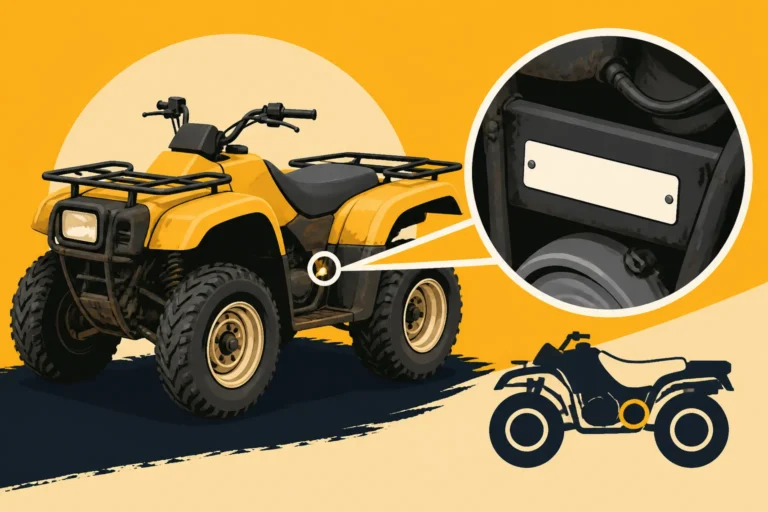
- Incorrect VIN: Double-check that the Vehicle Identification Number on all documents (title, bill of sale, MCO) precisely matches the VIN stamped on your side-by-side's frame. A single digit off is enough to cause problems.
- Missing Information: Dates, addresses, and purchase prices must be clearly filled out. Leaving blank spaces can lead to questions or rejection.
- Altered Documents: Avoid making any erasures or using correction fluid on official documents like the title. If a mistake is made, it often requires starting over or getting a signed affidavit.
Before you even leave the seller (for a private sale) or the dealership (for a new machine), take a moment to meticulously review every document you've been given. Cross-reference the VIN, confirm all names are spelled correctly, and ensure all necessary signatures and dates are present. Using a structured form, like a bill of sale template from LawDepot, can help ensure you don't overlook any crucial fields. A thorough check at home can prevent a wasted trip and unnecessary delays at the treasurer's office.
Confusing Title with Registration or Road Legality
This is perhaps the biggest conceptual hurdle many side-by-side owners face in Kansas: mistaking a title for registration or, worse, for permission to drive on public roads. It's a common misconception that can lead to legal trouble if not properly understood.
Let's be clear: a Kansas nonhighway title is simply proof of ownership. It establishes that you legally own your side-by-side, just like your house title proves you own your home. What it does not do is serve as a permit to operate the machine on public roads or provide you with an annual license plate. For this reason, [Why a Kansas Nonhighway Title Never Comes With a Tag] is a question many people ask. The title's very name, "nonhighway," emphasizes its intended use off public thoroughfares.
Many off-road enthusiasts come from states with different registration requirements, leading to confusion. But in Kansas, [Kansas Has No OHV Registration] in the traditional sense. You get a title, and that's it for state-level requirements. [Having a Title Does Not Make an ATV Street Legal] is a critical point to remember. While some specific cities and counties in Kansas have passed ordinances allowing limited road use for certain UTVs, these are exceptions, not the rule, and they typically require additional local permits, fees, and adherence to specific equipment standards (like turn signals, horns, and proper lighting). You cannot simply assume that because your side-by-side has a title, you can drive it on any public road. Always check local ordinances for your specific area before riding on public ways.
What Happens After You Get Your Side-by-Side Title
So, you've navigated the paperwork, visited the county treasurer's office, and successfully obtained your Kansas nonhighway title for your side-by-side. Congratulations! You're now the legal owner, and that's a big step. But getting the title isn't quite the end of your responsibilities as an owner. There are still a few things you should be aware of, from safeguarding the document itself to understanding your obligations if you ever decide to sell the machine.
Think of your title as a critical legal document, much like the deed to your property or the title to your car. It represents significant value and legal standing. Therefore, knowing how to properly handle it and what to do in various situations will ensure that you continue to enjoy stress-free ownership of your off-road machine.
This final section will cover the post-titling considerations, helping you understand how to maintain your title, what to do if circumstances change, and reiterating some key distinctions that remain relevant even after your title is securely in hand. It’s all about being a responsible and informed side-by-side owner in Kansas.
Maintaining Your Title Records
Once you receive your official Kansas nonhighway title in the mail, treat it with care. This isn't a document you need to carry with you while riding, but it is one that you need to keep safe and secure. It's the ultimate proof of your ownership, and you'll absolutely need it if you ever sell your side-by-side, need to claim it after theft, or if you apply for a loan against it.
The best place to store your title is in a secure location, such as a fireproof safe, a locked filing cabinet, or a safe deposit box. Avoid keeping it in the side-by-side itself or in easily accessible places where it could be lost, stolen, or damaged. Many people make the mistake of leaving it in the glove compartment or under a seat, only to find it missing or degraded years later. This document does not expire, so its long-term preservation is important.
What if, despite your best efforts, your title gets lost, stolen, or severely damaged? Don't panic. You can apply for a duplicate title through your county treasurer's office. The process is similar to the original titling, requiring an application and a fee. For more information, you can always refer to [Replacing a Lost Kansas Nonhighway Title]. However, it's always easier to prevent the loss in the first place by storing it securely.
Understanding Ongoing Responsibilities
Beyond simply possessing your title, there are a couple of ongoing responsibilities you should be aware of as a side-by-side owner in Kansas. These typically revolve around keeping your ownership records accurate and knowing what to do when your circumstances change.
One important consideration is an address change. If you move, you should notify the county treasurer's office of your new address. While it's not strictly mandated to update the address on your title certificate immediately, it ensures that any official correspondence regarding your vehicle reaches you. When you eventually go to sell the machine, having the correct address on record can streamline the transfer process.
Another responsibility comes into play when you decide to sell your side-by-side. Just as you went through the process of getting the title assigned to you, you will need to properly assign it to the new buyer. This means filling out the "assignment of title" section on the back of your current title certificate, including the new owner's name, the sale date, and the selling price. Providing a properly assigned title to your buyer is crucial for a smooth transaction and ensures they can legally title the machine in their name. You can find more information about this in [Selling a Titled Machine in Kansas]. Failing to properly assign the title can create significant headaches for the buyer and potentially for you down the road.
The Myth of Kansas ATV Registration
We've touched on this point before, but it bears repeating, as it's a source of constant confusion for off-road enthusiasts: Kansas does not have a statewide ATV or UTV registration requirement in the traditional sense. Many people expect to receive a license plate or an annual sticker after titling their machine, similar to how cars are registered, but that's simply not how it works for nonhighway vehicles in the Sunflower State.
Your Kansas nonhighway title is your only state-level document. It proves ownership, but it does not equate to a registration that permits general road use or requires annual renewals. This is why you will never receive an annual tag or license plate from the state for your side-by-side. The state's stance is that these machines are primarily for off-road use, and therefore, traditional highway registration is unnecessary.
This lack of statewide registration also means there are no annual renewal fees from the state. Once you've paid the initial $10 title fee, that's generally it in terms of state administrative costs related to ownership. This is a common point of relief for owners who might be budgeting for annual fees. However, it’s vital to distinguish this from local city or county ordinances that might require a specific permit, tag, or insurance for limited road use within their jurisdiction. Those are separate local requirements, not state-level registration. For absolute clarity, remember: [Kansas Has No OHV Registration]. Enjoy your titled machine, but always be mindful of where you can legally ride it.
Disclaimer
This article is for general informational purposes only and does not constitute professional advice. Laws, prices and regulations vary by location and change over time. Consult a qualified professional for guidance on your specific situation.